
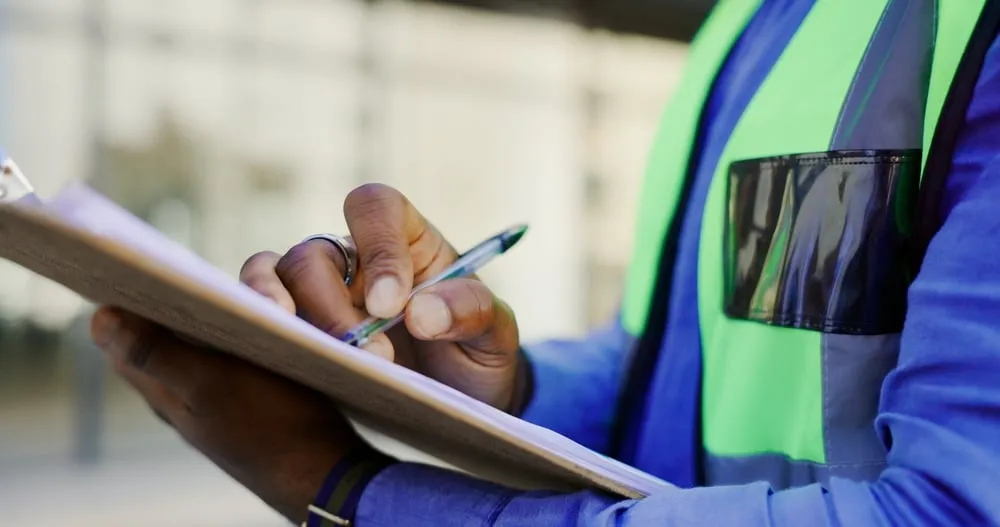
Embarking on the journey to purchase property is filled with excitement and anticipation, but it also comes with the need for a critical eye and attention to detail. The importance of understanding the bones of your future home or investment cannot be overstressed, and this is where the keen expertise of a professional inspection becomes invaluable.
Delving into the depths of foundations, the integrity of structures, and the maze of wiring, these evaluations stand as a key pillar in the purchasing process. Beyond the aesthetics that catch the eye, it’s the hidden elements that often dictate the true value and potential longevity of a property. Gaining insights into what precisely to look out for, the right questions to ask, and the common pitfalls to avoid can transform a daunting process into an informed experience.
This knowledge not only safeguards your investment but also ensures the sanctuary you choose is as sound underneath as it is beautiful on the surface. Let’s explore the essential nuggets of wisdom that will enlighten your path to making a well-informed and confident property purchase.
Key Takeaways
- Building inspections provide a visual assessment of a property’s condition and help identify potential problems before buying.
- Inspections cover areas like structural defects, necessary repairs, electrical wiring issues, and overall property condition.
- While building inspections are important, they do not include appliances or certain features like swimming pools. It’s crucial to have realistic expectations about what is covered.
- Pest inspections are also crucial as pests can cause structural damage and pose health risks. Common pests include termites, rodents, cockroaches, ants, and bedbugs.
- Reading and understanding inspection reports is essential for making informed decisions about purchasing a property. Pay attention to the overall condition assessment and any recommended repairs or evaluations.
- Choose an experienced inspector who specialises in building inspections and be present during the inspection to ask questions and better understand any issues found.
What are Building Inspections and Why You Need One
A building inspection serves as a critical examination of a property’s state, carried out by a professional with an expert eye for detail. The process offers buyers a snapshot of the true condition of their prospective investment, revealing any hidden flaws that may not be immediately apparent.
It’s an essential step in the purchasing process, illuminating issues from foundational cracks and structural wear to potential problems with electrical systems. Identifying such defects and repair needs early can significantly influence the property’s market value and the buyer’s negotiation leverage.
More importantly, it ensures the safety of future occupants, giving a comprehensive overview of the property’s health and any investment it may require to bring it up to standard.
Definition and purpose of building inspections
Building inspections serve a crucial role in the property buying process, offering an unbiased visual assessment of a structure. They help uncover any potential and existing issues within a building or house, allowing buyers to make informed decisions before purchasing.
We rely on these comprehensive evaluations to understand the overall condition of a property, from structural integrity checks to necessary repairs for electrical wiring and more. Beyond purchasing decisions, regular building inspections are also essential in ensuring construction defects are detected early, maintaining compliance with building codes, and preserving the safety of occupants.
Potential issues that can be identified
During a building inspection, trained professionals thoroughly assess the property to identify potential issues that may not be immediately visible. These inspections can uncover a range of problems, including structural defects, necessary repairs, and electrical wiring issues.
The goal is to provide an overall assessment of the property’s condition and highlight any existing or potential problems that may require attention. By identifying these issues early on, homeowners can make informed decisions about their purchase and understand the scope of any necessary repairs or renovations.
It’s important to remember that building inspections are valuable tools for both buyers and sellers in ensuring transparency and peace of mind throughout the real estate process.
Legal requirements and implications, state-specific
It is important to be aware of the legal requirements and implications when it comes to building inspections in your specific state. Each state in Australia may have different regulations regarding building inspections, so it is crucial to understand the local laws and guidelines.
By ensuring that you comply with these legal requirements, you can protect yourself from potential issues or disputes down the line.
What Does a Building Inspection Cover?
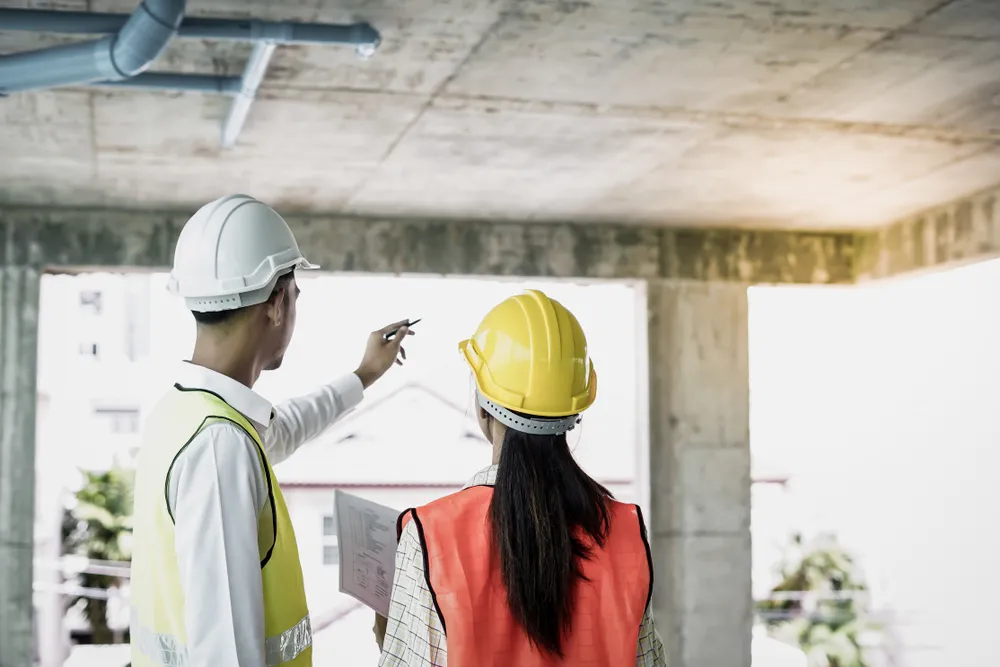
Areas covered by a building inspection
During a building inspection, various areas of the property are thoroughly assessed to ensure that you have a clear understanding of its condition. The inspector will carefully examine both the interior and exterior of the house, including features such as walls, ceilings, floors, doors, windows, and roof.
They will also inspect the plumbing system, electrical wiring, heating and cooling systems, as well as any other built-in appliances. In addition to this, structural issues like cracks or leaks will be checked for signs of damage or potential problems.
Overall, a building inspection provides a comprehensive evaluation of the property’s condition and helps identify any necessary repairs or maintenance that may be required.
Items not included in a building inspection
A building inspection is a crucial step in the home-buying process, providing valuable information about the condition of the property. However, it’s important to note that not everything is included in a building inspection.
While an inspection covers many areas and potential issues, certain items fall outside its scope.
Firstly, a building inspection typically does not include items such as appliances and equipment. This means that while the overall condition of the property will be assessed, specific details about individual appliances or their functionality may not be covered.
In addition to appliances, other elements like swimming pools, sheds, and fences may also be excluded from a standard building inspection. These features often have their own set of regulations and requirements that may necessitate separate inspections or assessments.
Importance of thorough inspections
Thorough inspections are crucial when buying a property. They provide a detailed assessment of its condition, identifying any existing or potential problems that may affect its value or safety.
By conducting thorough inspections, you can gain expert advice on the overall condition of the property and uncover any hidden structural defects or necessary repairs. This includes assessing electrical wiring, plumbing systems, and other important aspects of the building.
Ultimately, thorough inspections help you make an informed decision and ensure the integrity of your investment.
Understanding Building and Pest Inspections
Gaining knowledge about the importance of pest inspections is crucial when considering the purchase of a property, as it can unearth hidden infestations that might lead to costly future repairs. Understanding what common issues to be vigilant for, such as termite trails, rodent nesting, or signs of wood rot, can save you from making an uninformed investment.
Interpreting inspection reports with accuracy is key; these documents provide essential insights into the health of the property, detailing the severity and location of any pest-related problems.
Missing out on this critical information could have significant repercussions, potentially affecting both the safety of the property and the soundness of your buying decision. Therefore, ensuring you are well-versed in these aspects of property evaluation is a necessary step in the due diligence process.

What is a pest inspection and why it’s important
Pest inspections are crucial when buying a property. These inspections involve assessing the presence of pests, such as termites or rodents, and identifying any damage they may have caused.
It’s important because pests can cause significant structural damage and pose health risks. By conducting a pest inspection before purchasing a property, you can uncover potential issues and make an informed decision about whether to proceed with the purchase or negotiate repairs with the seller.
Common pest issues found in properties
We often encounter common pest issues when conducting property inspections. These pesky critters can cause significant damage and pose health hazards if left untreated. Some of the most prevalent pests we come across include termites, rodents, cockroaches, ants, and bedbugs.
Termites are particularly troublesome as they can silently destroy the structure of a building from within. Rodents not only chew through wires and insulation but also carry diseases.
Cockroaches and ants can contaminate food and surfaces with bacteria, while bedbugs can give you sleepless nights with their itchy bites.
During our inspections, we thoroughly assess for signs of these pests to ensure you have a clear understanding of any existing or potential issues that may need addressing before making your purchase decision.
Taking prompt action to address pest problems is crucial in protecting your investment and ensuring the safety and comfort of your future home or property.
How to read and understand building and pest inspection reports
Reading and understanding building and pest inspection reports is essential when buying a property. These reports provide valuable information about the condition of the building, any existing or potential issues, and necessary repairs.
To read these reports effectively, start by reviewing the overall condition assessment and structural integrity checks. Pay attention to any defects or problems mentioned, such as electrical wiring issues or structural issues.
It’s also important to understand the terminology used in the report and ask for clarification if needed. Finally, take note of any recommendations made by the inspector regarding necessary repairs or further evaluations.
Tips for a Successful Building Inspection
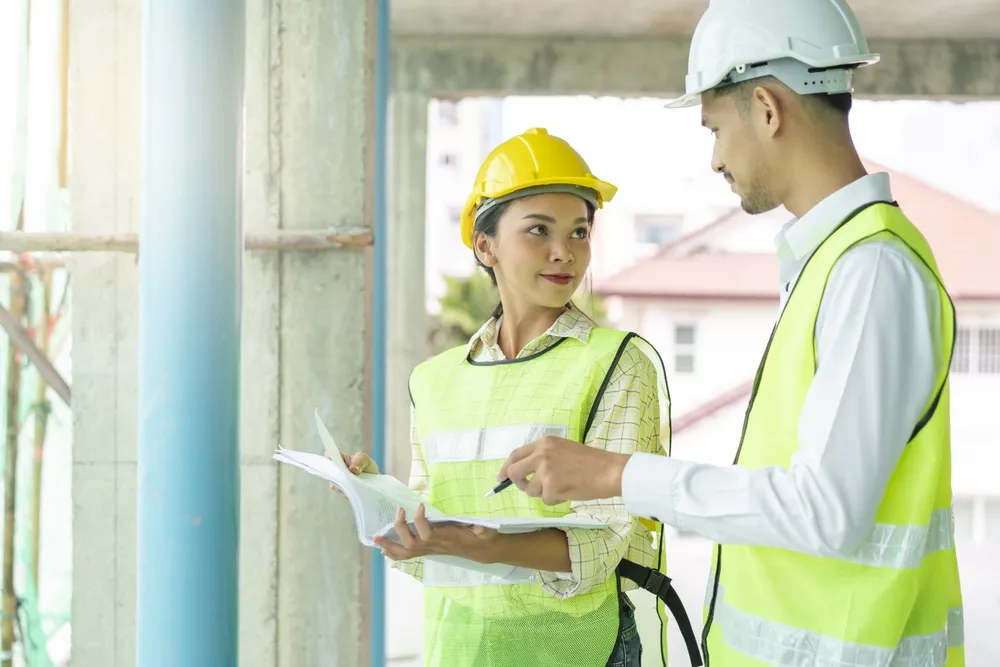
Choosing the right inspector
We understand the importance of choosing the right inspector when it comes to building inspections. It’s crucial to find someone who is qualified, experienced, and reliable. You want an inspector who will thoroughly assess the property and provide you with accurate information about its condition.
Look for an inspector who has a good reputation in the industry and is familiar with local regulations. It’s also important to choose someone who communicates well and can explain their findings in a way that you can easily understand.
By selecting the right inspector, you’ll have peace of mind knowing that your property will be thoroughly inspected before making any buying decisions.
Being present during the inspection
It is highly recommended that you be present during the building inspection. This allows you to observe and ask questions about any issues or potential problems that may arise. By being there in person, you can have a better understanding of the overall condition of the property.
You can also get expert advice from the inspector on necessary repairs, structural defects, and other important details about the house. Being present during the inspection ensures that you are actively involved in assessing the property and making informed decisions based on what you see firsthand.
During the inspection, take note of any concerns or areas that require further investigation. Ask questions about electrical wiring, structural issues, or anything else that may impact your decision to purchase the property.
Understanding contract conditions
We must understand the contract conditions before proceeding with a building inspection. It is crucial to carefully review and comprehend the terms, clauses, and obligations outlined in the contract.
This includes any specific conditions regarding access to the property for inspections, timelines for conducting inspections, and potential consequences if issues are identified. Being aware of these contract conditions will help us navigate the inspection process smoothly and ensure that we fulfil our responsibilities as buyers.
How to handle issues and negotiate with the seller
We can handle issues and negotiate with the seller effectively by staying calm and level-headed throughout the process. Firstly, it’s important to communicate any concerns or problems discovered during the building inspection.
We can then work together to find a mutually satisfactory solution that addresses these issues, such as requesting repairs or a reduction in the property price. By maintaining open lines of communication and approaching negotiations fairly and respectfully, we increase our chances of reaching a favourable outcome for both parties involved.
Importance of due diligence
We cannot stress enough the importance of due diligence when it comes to building inspections. It is crucial for homeowners and potential buyers to thoroughly assess the property’s condition before making any decisions.
By conducting a comprehensive inspection, you can uncover any existing or potential issues that may affect the value or safety of the property. This will give you an overall understanding of its structural integrity, necessary repairs, and compliance with building codes.
Don’t underestimate the power of due diligence in protecting your investment and ensuring peace of mind.
Call Us!
Building inspections are an essential step in the home-buying process. They provide a thorough assessment of the property’s condition and identify any existing or potential issues.
By conducting a building inspection, you can make an informed decision about purchasing a property and ensure that you’re investing in a safe and structurally sound home. Don’t skip this crucial step – get a professional inspection before buying!
Penrith Building Inspections
Keep Reading

Rental Inspections
How Rental Inspections Help Maintain Your Property Value
Learn how regular rental inspections can help you preserve and enhance the value of your property investment.
Read More →
Dilapidation Inspections
Dilapidation Inspection: An Indispensable Part of Building Inspection
Learn how dilapidation inspections are key in building projects to safeguard property conditions and manage risks.
Read More →
Pest Inspections
Avoid Future Headaches: The Role of Pest Inspections in New Home Buying
Learn the key role pest inspections play in new home buying to safeguard your property and avoid costly issues.
Read More →