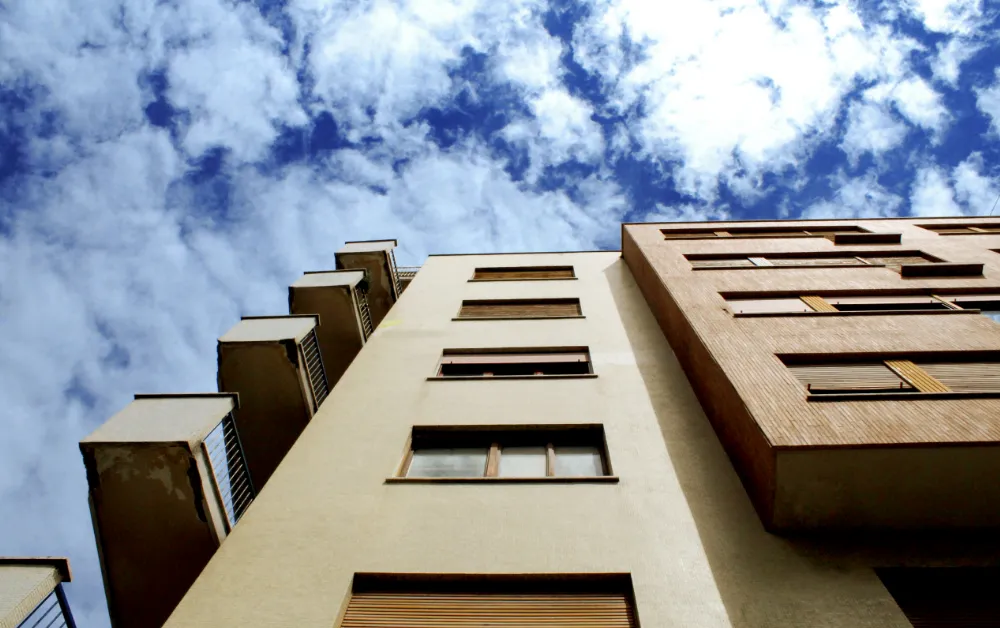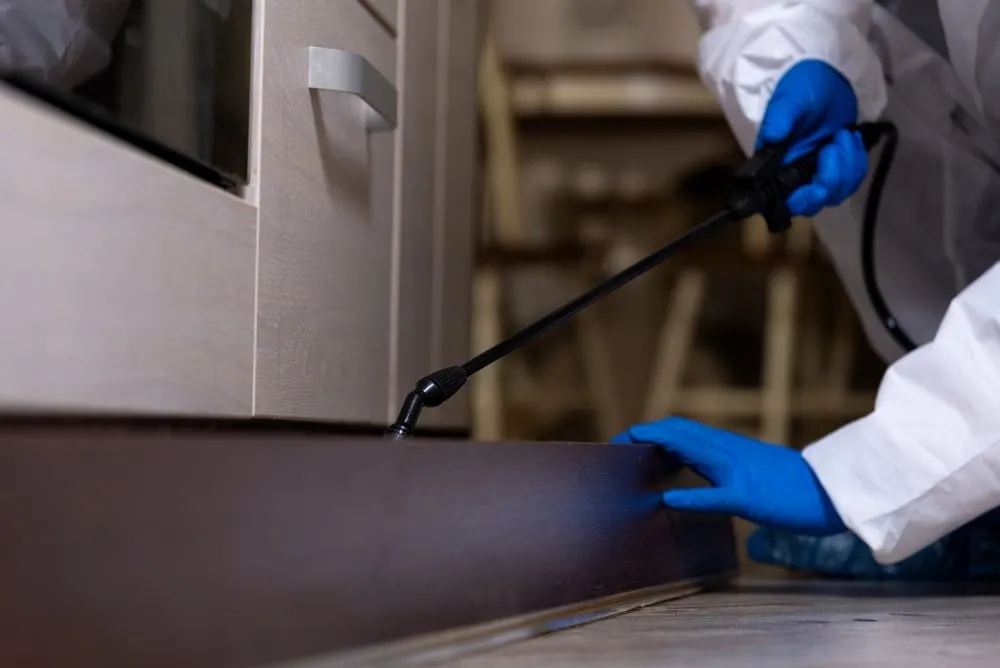
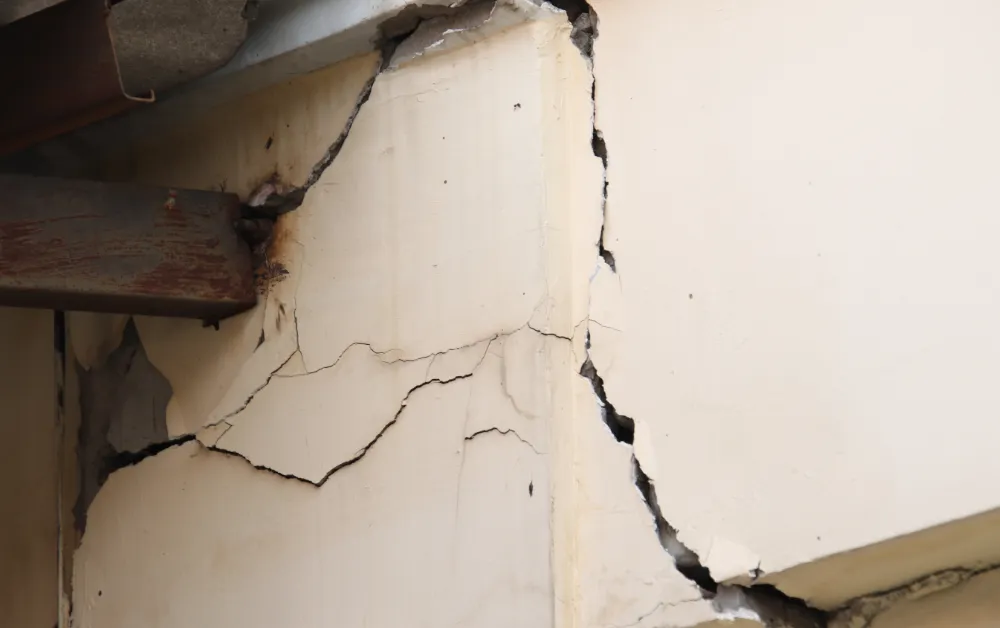
In the realm of building and construction, there exists an inspection process that stands out for its preventive and protective capabilities. It’s a thorough and essential examination that captures the physical state of a property before changes in the environment commence. This inspection serves as a meticulous snapshot, detailing the intricacies of a structure’s condition.
With scrutiny, it records every crack, crease, and crevice, providing an invaluable point of reference. The art of this inspection lies in its ability to foresee and forestall potential conflicts, offering a clear delineation of accountability.
As developments arise and the landscape evolves, this indispensable assessment comes to the fore, solidifying its role as a cornerstone of property management. It ensures that when the dust settles, the foundations of responsibility and integrity remain unshaken.
Key Takeaways
- A dilapidation report is a detailed assessment of the condition of structures before construction or excavation work begins nearby.
- It is important for homeowners, building inspectors, engineers, architects, and others involved in construction projects to obtain a dilapidation report to protect themselves from potential disputes and legal liabilities.
- Dilapidation reports serve as a precautionary measure by identifying any existing damages or defects before construction starts, helping to prevent conflicts and ensure a smooth building process.
- They also play a crucial role in controlling costs and proving fraudulent claims by providing an independent record of the property’s pre-existing condition.
What is a Dilapidation Report?
A Dilapidation Report offers an exhaustive account of a structure’s condition, capturing every detail from the integrity of buildings to the state of roads and adjacent properties. It stands as a benchmark, chronicling existing damages or imperfections before the initiation of nearby construction or excavation.
This documentation is invaluable, providing an official record that can preempt disagreements over property conditions that may change during construction. For those undertaking construction or demolition, securing such a report is a strategic move to shield against possible disputes and legal challenges.
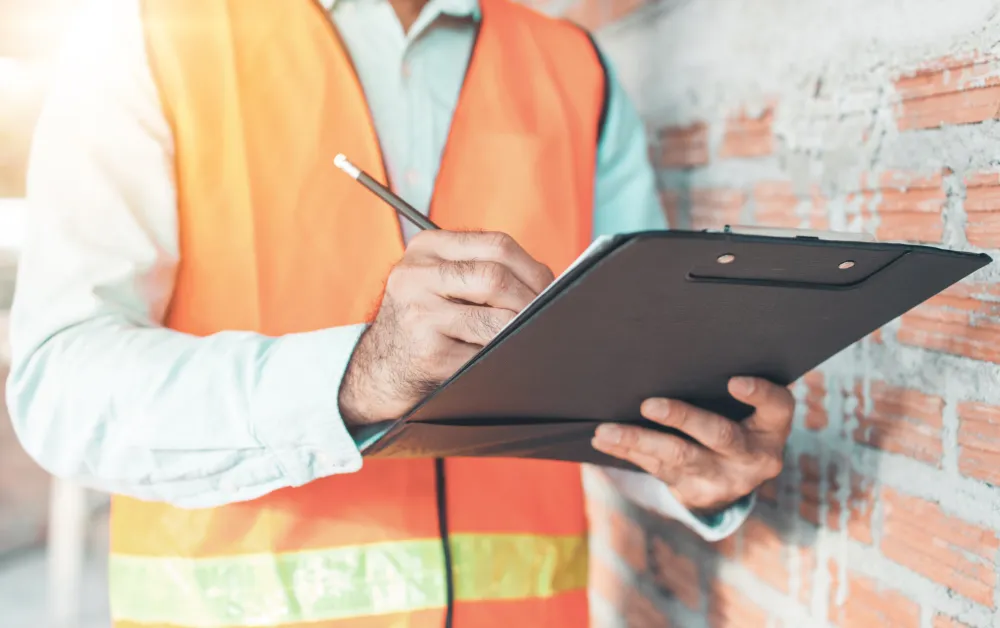
A Dilapidation Report serves as a critical document that establishes a clear record of a building’s pre-construction condition. Its detailed account allows for unequivocal accountability, differentiating pre-existing damages from construction-related impacts. In disputes or legal proceedings, this report is often pivotal in protecting the interests of property owners, contractors, and developers alike.
Purpose of a dilapidation report
A dilapidation report is a detailed document that records the existing condition of a building or property before the start of any nearby construction works. This survey, carried out by professional building inspectors, checks for any pre-existing damage like cracks in walls or foundations, as well as signs of decay such as mould and mildew.
The purpose behind these inspections is primarily to protect homeowners from potentially unjust claims relating to damage said to be caused by their constructions.
Who should get one?
Homeowners, building inspectors, engineers, architects, interior design specialists, real estate agents, pest inspectors, and legal office personnel should all get a dilapidation report when they are involved in any construction project.
This important document helps to assess the condition of structures before construction begins and serves as a precautionary measure against potential conflicts or disputes. By obtaining a dilapidation report, these individuals can have an independent third-party inspection that safeguards their property and ensures that any existing errors or structural defects are identified before any digging, drilling, or demolition takes place.
It is an essential part of construction risk management and provides peace of mind for everyone involved in the project by accurately assessing the current state of the property before any changes are made.
The Importance of Dilapidation Reports
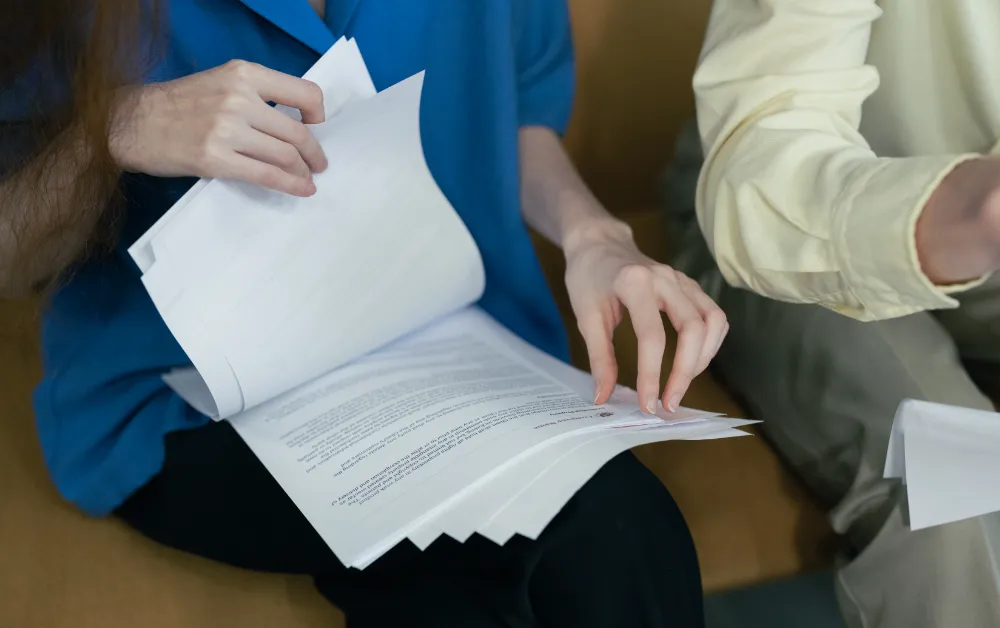
Dilapidation reports represent a paramount step in pre-construction planning, acting as a necessary precaution to understand the baseline state of nearby structures. They are exhaustive in their assessment, detailing the pre-existing condition of buildings and infrastructures, thereby setting a clear benchmark for post-construction comparison.
In the instance of fraudulent damage claims, these reports provide tangible evidence, helping to clarify responsibilities and safeguard parties from unwarranted liabilities. By documenting the initial state, they also serve as a tool for cost control, preventing unnecessary expenditures on damages not caused by construction activities.
Dilapidation reports transcend basic record-keeping by providing a robust protective measure within the construction industry. This precautionary documentation helps mitigate financial risk, pinpointing liability accurately should structural changes occur post-construction. They are an investment in cost-efficiency and dispute avoidance, essential to any well-managed construction project.
Precautionary measure
We consider a dilapidation inspection as an important precautionary measure. By conducting this inspection before any construction activities begin, we can assess and document the condition of surrounding structures.
This helps us identify any existing damages or defects that could potentially be attributed to the construction work. Taking this proactive approach allows us to address any concerns or disputes that may arise in the future, ensuring a smooth and hassle-free construction process for all parties involved.
Understanding the condition of structures before construction
Before beginning any construction project, it is crucial to have a clear understanding of the condition of structures on the site. This involves conducting a thorough inspection to identify any existing defects or damage that may affect the construction process.
By doing so, homeowners, building inspectors, engineers, architects, and other professionals involved can prevent potential issues and plan for any necessary remedial changes. Additionally, this assessment helps to minimise conflicts of interest between contractors and builders by providing an independent third-party evaluation.
Overall, understanding the condition of structures before construction is essential for ensuring a smooth and successful building process while safeguarding the integrity of the property.
Proving fraudulent claims and controlling costs
Proving fraudulent claims and controlling costs is another crucial role that dilapidation reports play. These comprehensive assessments provide an independent, unbiased record of the condition of structures before construction works commence.
This documentation can be used as evidence to refute any false claims made against the property owner or construction contractor. By having a thorough understanding of the property’s pre-existing condition, it becomes easier to identify any damages caused during construction and attribute them accurately.
This helps in avoiding unnecessary expenses and disputes over liability, ultimately leading to better cost control for all parties involved.
How to Get a Dilapidation Report
To obtain a Dilapidation Report, it is important to choose a competent building inspector with the necessary expertise and qualifications.
Ask for recommendations from trusted sources and conduct thorough research on potential inspectors before making a decision.
When working with your chosen inspector, communicate openly about your concerns and expectations, provide them with all relevant information about the property in question, and be prepared to answer any additional questions they may have.
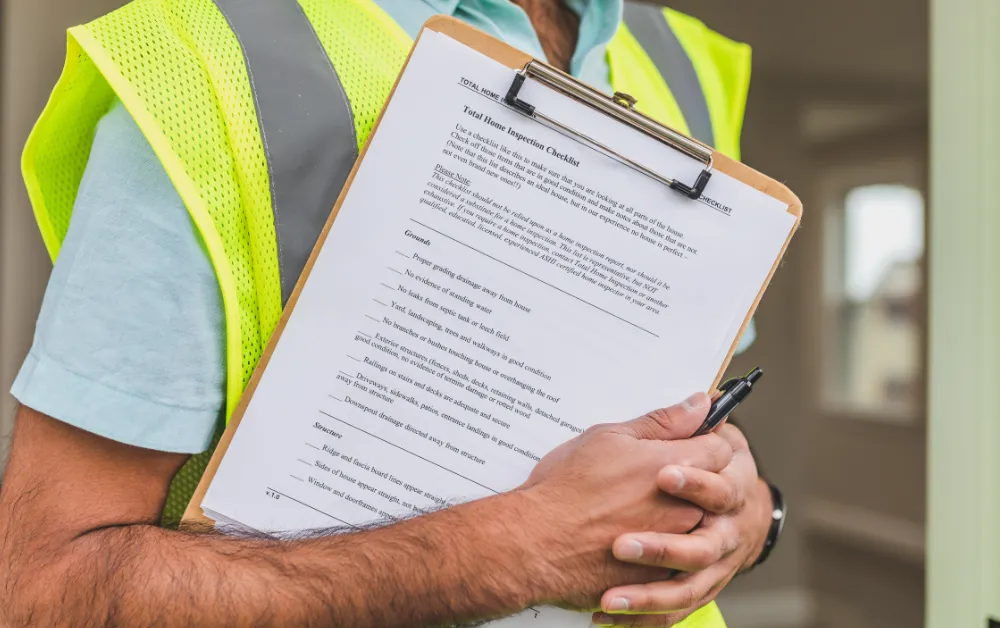
Effective communication with your inspector is crucial for generating an exhaustive and precise Dilapidation Report. This collaboration lays the foundation for a document that thoroughly represents your property’s status, safeguarding your interests. A well-crafted report becomes a key asset, providing a defensive shield against unwarranted claims during construction activities.
Choosing a dilapidation inspection expert
To ensure a thorough and reliable dilapidation report, it is crucial to choose the right building inspector. Look for an inspector with expertise in construction inspection and property assessment.
Consider their qualifications, certifications, and experience in the field. Ask questions about their methodology and how they approach inspections. A good building inspector will have excellent attention to detail, strong communication skills, and a commitment to impartiality.
Working effectively with your building inspector will help help ensure an accurate and comprehensive report that meets your needs.
Qualities to look for
When choosing a building inspector to conduct a dilapidation inspection, there are several qualities to look for. Firstly, ensure that the inspector has expertise and experience in conducting thorough property assessments and structural examinations.
They should also know construction works and be familiar with common construction defects. Additionally, it is important to find an independent third-party inspector who can provide an unbiased report free from any conflict of interest.
Lastly, consider their communication skills and ability to explain findings clearly and effectively. By selecting an inspector with these qualities, you can confidently proceed with your dilapidation inspection knowing that your property will be evaluated by a knowledgeable professional.
Questions to ask
As homeowners or professionals involved in building inspections, it’s crucial to ask the right questions when obtaining a dilapidation report. Start by asking the inspector about their experience and qualifications in conducting these types of assessments.
Inquire about their understanding of relevant regulations and standards. Additionally, find out if they have worked on similar projects before and if they have any specific areas of expertise.
You should also ask the inspector how long the assessment will take and what methods they use to conduct a thorough inspection. Finally, don’t forget to inquire about their pricing structure and whether there are any additional costs for extra services or follow-up reports.
By asking these questions, you can ensure that you hire a qualified professional who will provide an accurate and comprehensive dilapidation report.
When working with your chosen inspector, it’s important to maintain open communication throughout the process. Ask them if there are any specific areas or concerns you should focus on during your property walkthrough together so that you can make note of any existing issues or potential risks.
Tips for working with your inspector
Communicate openly and clearly with your inspector. Provide any relevant information about your property or concerns you may have. This will help them understand what to look for during the inspection.
Be present during the inspection if possible. This allows you to ask questions and gain a better understanding of any issues that are identified.
Follow up with your inspector after the inspection is completed. Discuss any findings or recommendations they have made and ask for clarification if needed.
Call Us!
A dilapidation inspection is an essential component of building inspection. It serves as a precautionary measure to understand the condition of structures before construction begins.
Moreover, it helps in proving fraudulent claims and controlling costs. Best of all, it provides peace of mind and safeguards the integrity of any property or community. So make sure to get a dilapidation report from a qualified building inspector before you embark on any construction project.