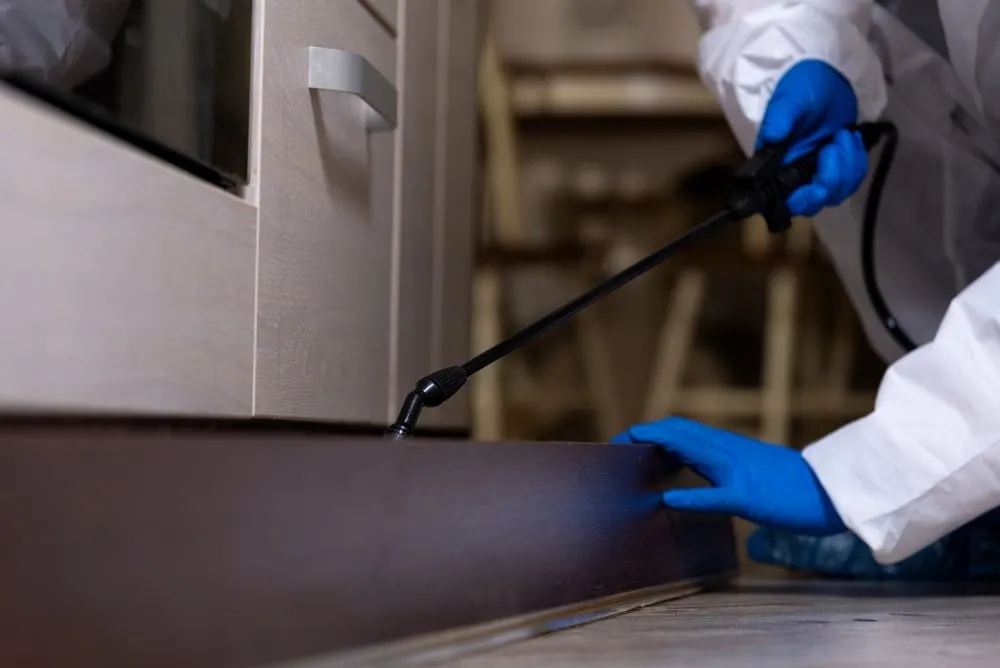
When it comes to property maintenance, an ounce of prevention is worth a pound of cure, especially in the fight against infestations. Nestled within the pages of a maintenance report lies a critical element often underestimated: pest inspections. These inspections are proactive agents in the quest to safeguard the property from the insidious encroachment of unwanted critters.
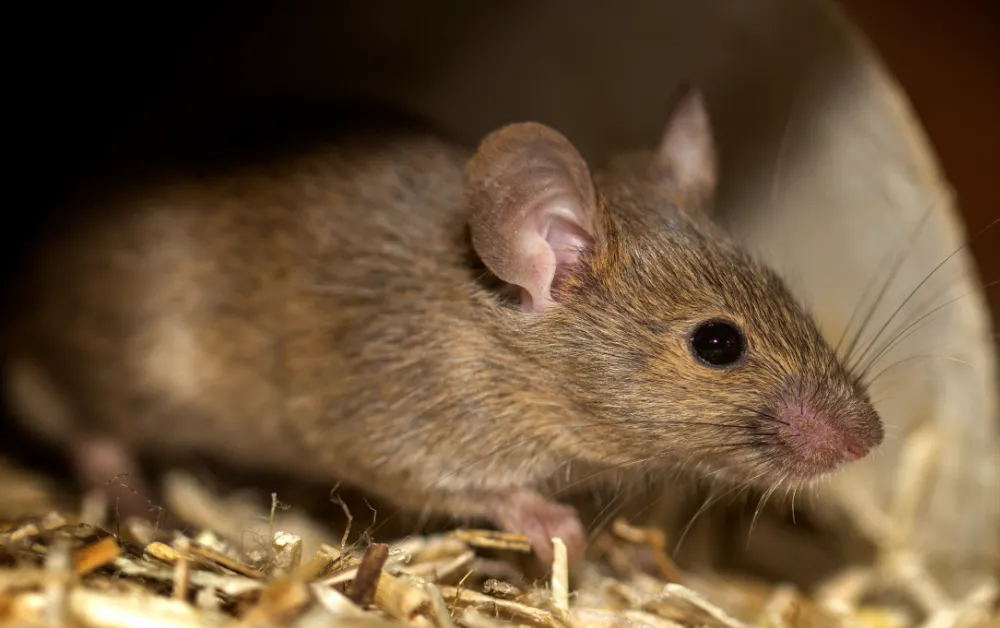
They meticulously scan for signs of intrusion, from termites to rodents, that can cause considerable damage if left unchecked. Understanding the core role that these inspections play is pivotal in keeping potential destruction at bay, preserving the property’s condition and its occupants’ well-being.
Timely identification and intervention can stop pests in their tracks, curtailing not just current damage, but also averting future impairment. Delve with us into the world where diligent pest inspections form a strategic part of the maintenance report’s toolkit, ensuring a sturdy line of defence for your property’s longevity.
Key Takeaways
- Regular pest inspections are crucial in maintenance reports as they help identify potential risk areas and unveil hidden pest infestations.
- These inspections play a vital role in preventing large-scale repairs and costly litigation costs by addressing hidden issues before they worsen.
- By prioritising routine pest inspections, homeowners can minimise the risk of damage caused by pests and ensure the safety and well-being of occupants.
The Importance of Regular Pest Inspections
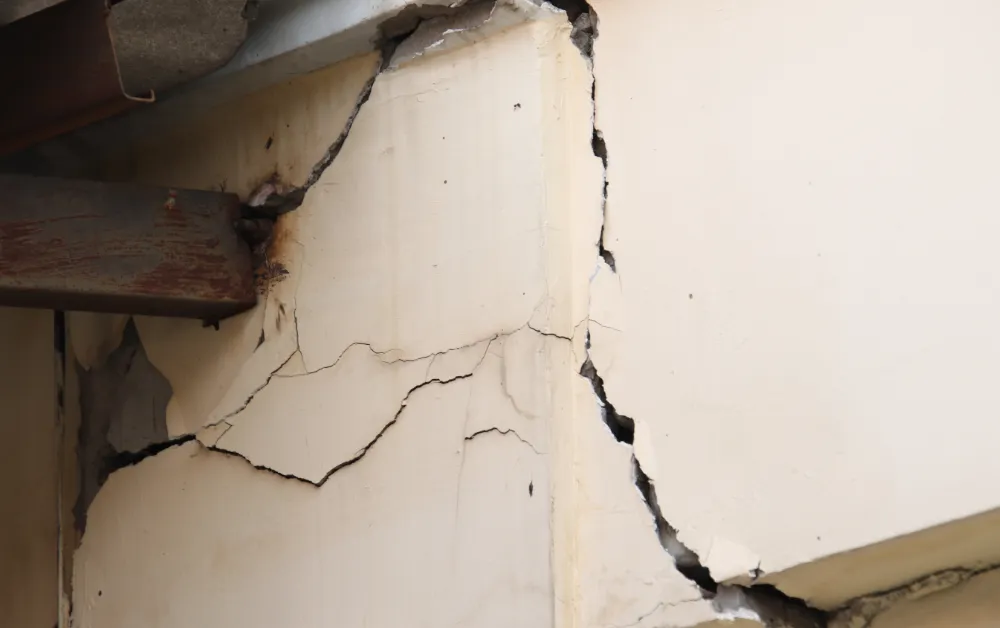
Regular pest inspections are an indispensable tool within maintenance reports, serving as a vigilant lookout for the initial harbingers of pest activity. By integrating these evaluations into routine maintenance, property managers can pinpoint potential risk areas that might be inviting to pests, such as moisture-prone zones or entry points through cracks.
These inspections go beyond the surface, revealing the presence of hidden infestations that would otherwise go unnoticed until they manifest into more significant problems. Early detection facilitated by these reports can lead to swift, targeted interventions, preventing the escalation of pest populations and the subsequent damage they can unleash upon a property.
Ultimately, the inclusion of regular pest inspections within maintenance reports is a crucial step in securing the health and integrity of any property, providing both owners and tenants with assurances of a pest-free environment.
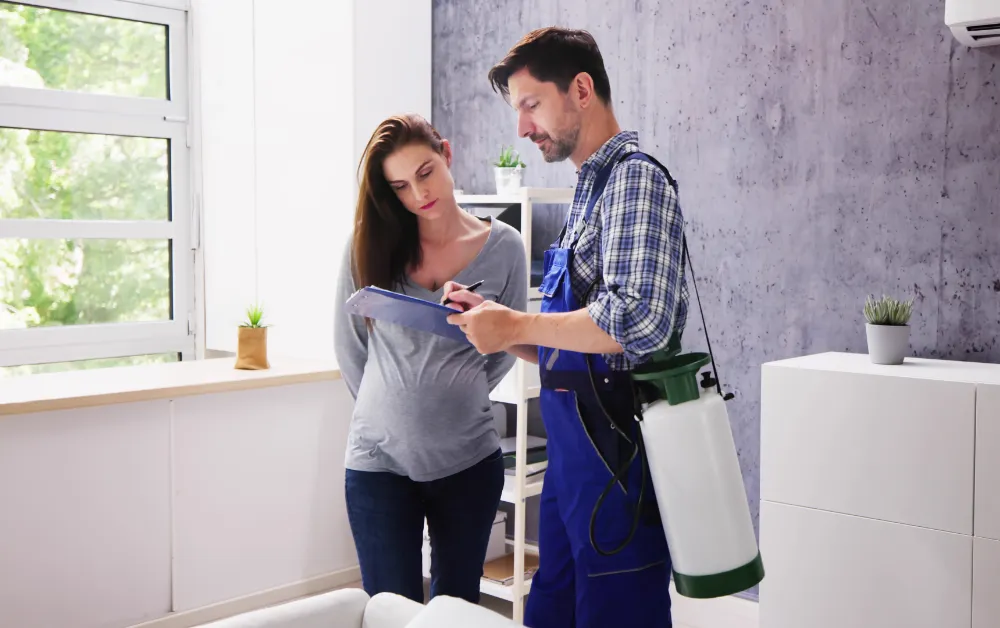
Identifying potential risk areas
We diligently check both the interior and exterior of your property, focusing on potential risk areas. These include dark, damp spaces that provide an ideal home for pests like termites and cockroaches.
We take a closer look at wooden structures prone to timber pest attacks such as fences, decks, and the framework of your building. The kitchen and bathroom are also inspected as these rooms often harbour hidden infestations due to food remnants or high moisture levels.
By doing so, we can find existing pest problems before they cause significant structural damage.
Unveiling hidden pest infestations
Pest inspections play a crucial role in maintenance reports by unveiling hidden pest infestations. These inspections help identify potential risk areas that may harbour pests, such as cracks or leaks in the building structure.
By conducting routine checks, homeowners and property managers can detect existing pest problems early on and take immediate action to prevent further damage.
Hidden pest infestations can cause serious structural damage if left untreated. Termite activity, for example, can weaken wooden beams and compromise the integrity of the entire building.
By uncovering signs of infestation through thorough inspections, professionals can provide treatment recommendations and prevent costly repairs down the line.
In addition to protecting your property from damage, unveiling hidden pest infestations is essential for ensuring the safety and well-being of occupants. Pests like rodents or cockroaches not only pose health hazards but can also lead to litigation costs if tenants suffer injuries or illnesses due to neglecting their presence.
Top hidden issues uncovered in inspections
During pest inspections, several hidden issues can be uncovered, providing valuable insights for homeowners and property professionals. These inspections can reveal existing pest problems that may not be immediately evident to the naked eye.
They can also identify signs of potential infestations or structural damage caused by pests such as termites. By conducting routine checks and addressing these hidden issues early on, homeowners and property professionals can prevent costly repairs, and litigation costs, and ensure the long-term integrity of their buildings.
Benefits of Maintenance in Ensuring Safety and Compliance
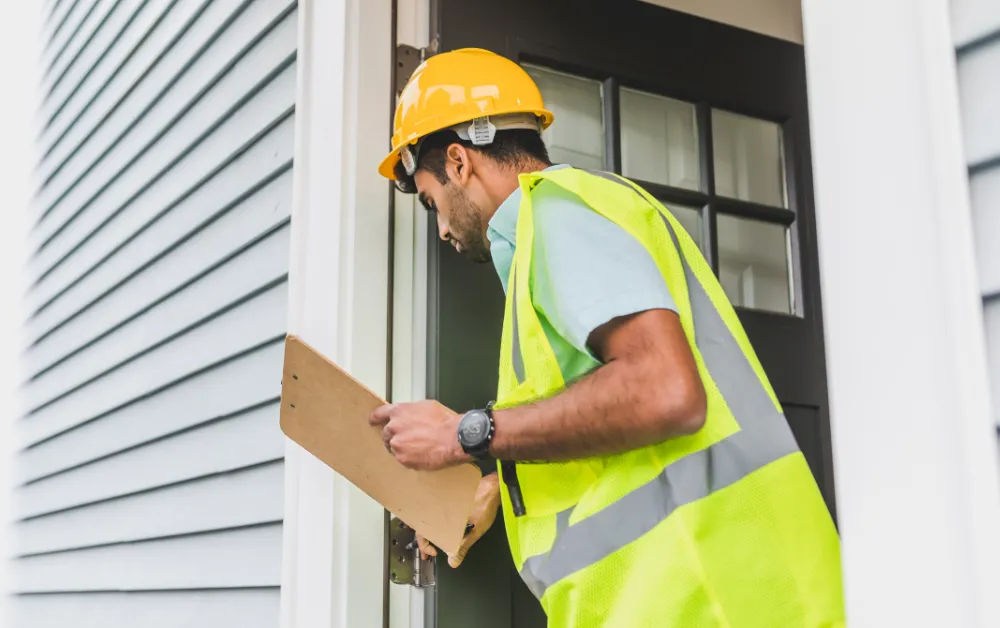
The perpetual cycle of regular maintenance stands as a cornerstone in preserving the structural safety and regulatory compliance of buildings. It acts as a shield, preventing wear and tear from escalating into large-scale repairs that can be costly and disruptive.
By routinely addressing the minutiae, from servicing essential systems to fortifying structural integrity, maintenance ensures the seamless functionality of a facility, enhancing the user experience and operational longevity.
Furthermore, the financial prudence of such measures is underscored by the fact that these expenses are often tax-deductible, offering fiscal benefits alongside practical upkeep.
Investment in regular maintenance thus serves as both a safeguard and a smart financial strategy, laying the groundwork for a secure and efficient building environment.
Preventing large-scale repairs
Preventing large-scale repairs is one of the key benefits of routine pest inspections in maintenance reports. By identifying potential issues early on, such as termite activity or structural damage, homeowners and building professionals can take immediate action to address these problems before they worsen.
This proactive approach not only saves time and money in the long run but also helps ensure the safety and integrity of the property. With regular inspections, major defects can be detected and dealt with promptly, minimising the need for costly repairs down the line.
Improving facility functionality
Regular pest inspections play a crucial role in improving the functionality of facilities. By conducting routine checks, homeowners and building inspectors can identify any existing pest problems that may be affecting the structural integrity of the building.
This allows for prompt action to be taken, preventing further damage and ensuring that the facility remains safe and compliant with building regulations. Architects, engineers, and interior design specialists also benefit from these inspections as they can address any major defects or issues related to pests, providing solutions that improve the overall functionality of the facility.
Real estate agents and legal office personnel can use this information to assist clients in making informed property purchase decisions and avoiding potential risks associated with pest infestations.
Pest control is an essential aspect of building maintenance as it helps prevent large-scale repairs and litigation costs down the line. By identifying health hazards such as termite activity during inspections, professionals can take appropriate measures to minimise the risk and damage caused by these pests.
Regular monitoring of termite management systems also ensures early intervention if any signs of infestation are detected. Homeowners can rest assured knowing their property is protected from timber pest attacks through routine checks conducted by qualified pest inspectors.
Tax-deductible investment
When it comes to maintaining your property and ensuring its long-term value, pest inspections are not only crucial for identifying potential issues and preventing damage, but they can also be a tax-deductible investment.
By including regular pest inspections in your maintenance reports, you are taking proactive measures to protect your property from costly repairs and litigation costs. These inspections not only help in minimising the risk of major defects and structural damage but also ensure that you meet building regulations and maintain the integrity of your property.
So, by investing in routine pest inspections, you are not only safeguarding your property but also making a smart financial decision.
How Pest Inspections Can Help Combat Damage
Pest inspections are a quintessential element in the fight against property damage, serving multiple roles that extend far beyond mere identification. By pinpointing health hazards such as allergens and disease vectors associated with various pests, these inspections serve to protect the well-being of occupants.
They enable property owners to minimise risk and damage by catching the early signs of infestations, allowing for immediate remedial action to be taken before small issues escalate into costly problems. A key feature of these inspections includes monitoring termite management systems, ensuring these silent destroyers are kept at bay and maintaining the structural integrity of the building.
Ultimately, the role of pest inspections is vital, forming the first line of defence in safeguarding property and health from the insidious threats posed by pests.
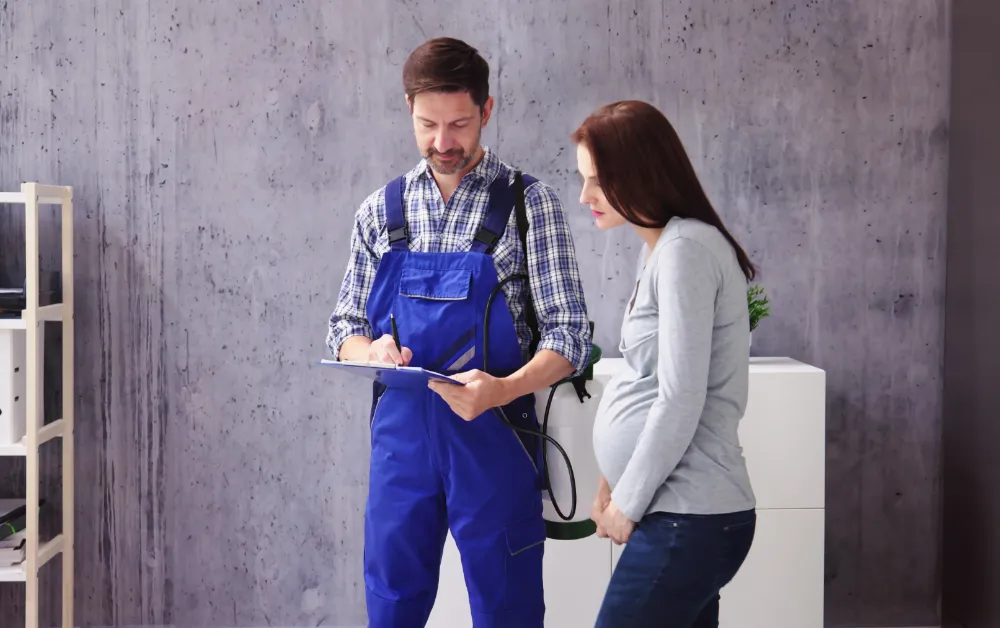
Identifying health hazards
When conducting pest inspections as part of maintenance reports, one important aspect is identifying potential health hazards. These hazards can arise from the presence of pests such as rodents, cockroaches, or bedbugs, which carry diseases and allergens that can negatively impact human health.
By pinpointing these health hazards during inspections, homeowners and property professionals can take appropriate measures to eliminate pests and create a safe and healthy environment for occupants.
Regular pest inspections play a crucial role in ensuring the well-being of individuals residing or working in buildings by proactively identifying and addressing any potential health risks associated with pest infestations.
Minimising risk and damage
Regular pest inspections play a crucial role in minimising the risk and damage caused by pests. These inspections help identify potential areas of infestation, allowing homeowners and building professionals to take preventive measures before the problem escalates.
By unveiling hidden pest infestations early on, these inspections enable timely intervention, reducing the chances of extensive damage to the structure. Additionally, monitoring termite management systems ensures that any signs of termite activity are promptly addressed, preventing further deterioration and preserving the structural integrity of buildings.
With routine checks and proactive measures in place, property owners can effectively minimise the risk and damage caused by pests.
In conclusion, incorporating regular pest inspections into maintenance reports is essential for minimising risk and damage. By identifying potential issues early on and taking prompt action to address them, homeowners can avoid costly repairs, litigation costs, and other financial burdens associated with structural damage caused by pests.
Furthermore, these inspections provide peace of mind to property owners as they make informed decisions about their investments based on accurate assessments of existing pest problems.
Monitoring termite management systems
We regularly monitor termite management systems to ensure the ongoing effectiveness of pest control measures. By conducting routine checks, we can identify any signs of termite activity or infestations early on, allowing us to take immediate action to prevent further damage.
This proactive approach helps homeowners and property managers save on costly repairs and maintain the structural integrity of buildings. With our expertise in identifying and addressing termite risks, we provide peace of mind and protect your property investment.
Call Us!
Routine pest inspections play a crucial role in minimising damage and maintaining the structural integrity of buildings. By identifying potential risk areas, unveiling hidden infestations, and monitoring termite management systems, these inspections help prevent large-scale repairs and costly litigation costs.
Don’t overlook the importance of routine checks in ensuring safety, compliance, and peace of mind for property owners. Make pest inspections a priority in your maintenance reports to protect against existing pest problems and minimise the risk of structural damage.