As structural safety continues to gain precedence, understanding the health risks associated with old construction materials like asbestos has become paramount. While older buildings possess an undeniable charm, they may also harbour hidden dangers in the form of asbestos. In this article, we shed light on the critical necessity of conducting asbestos inspections to ensure the safety and longevity of these existing structures.
We’ll delve into the legal responsibilities of building owners, the health hazards linked to asbestos exposure, and the strategic steps that should be taken if any asbestos is found. So whether you’re a property owner, a potential buyer, or just interested in learning more about asbestos and its implications, this article is a must-read to gain a deeper understanding of the importance of asbestos inspection in older.
Key Takeaways
- Asbestos inspection is crucial for older buildings due to the health risks associated with asbestos exposure, legal responsibilities for building owners, and the potential presence of asbestos in these structures.
- Building owners have legal responsibilities when it comes to asbestos in older buildings, including conducting regular inspections, maintaining an asbestos register, implementing risk management strategies, and engaging licensed asbestos removal contractors if necessary.
- Older buildings, especially those constructed before 1990, have the potential to contain asbestos. It is important to be aware of this potential presence when conducting renovations or any work that may disturb the building’s structure. Regular monitoring through an asbestos inspection can help identify and assess any asbestos materials present.
Why Asbestos Inspection is Important for Older Buildings
Asbestos inspection is a critical undertaking particularly for older buildings, primarily due to three reasons. Firstly, asbestos, once commonly used in construction materials, can pose significant health risks if disturbed, including serious lung diseases such as mesothelioma and asbestosis. Therefore, understanding if any contamination is present is crucial to safeguard the health of those inhabiting or working in the structure.
Secondly, building owners may find themselves legally obligated to manage asbestos risks, and an inspection provides the necessary information to comply with these obligations. Lastly, given that asbestos was widely used in construction in the past, there’s a high likelihood it could still be present in aging structures, hence the need to ascertain its presence or absence.
Health risks of asbestos exposure
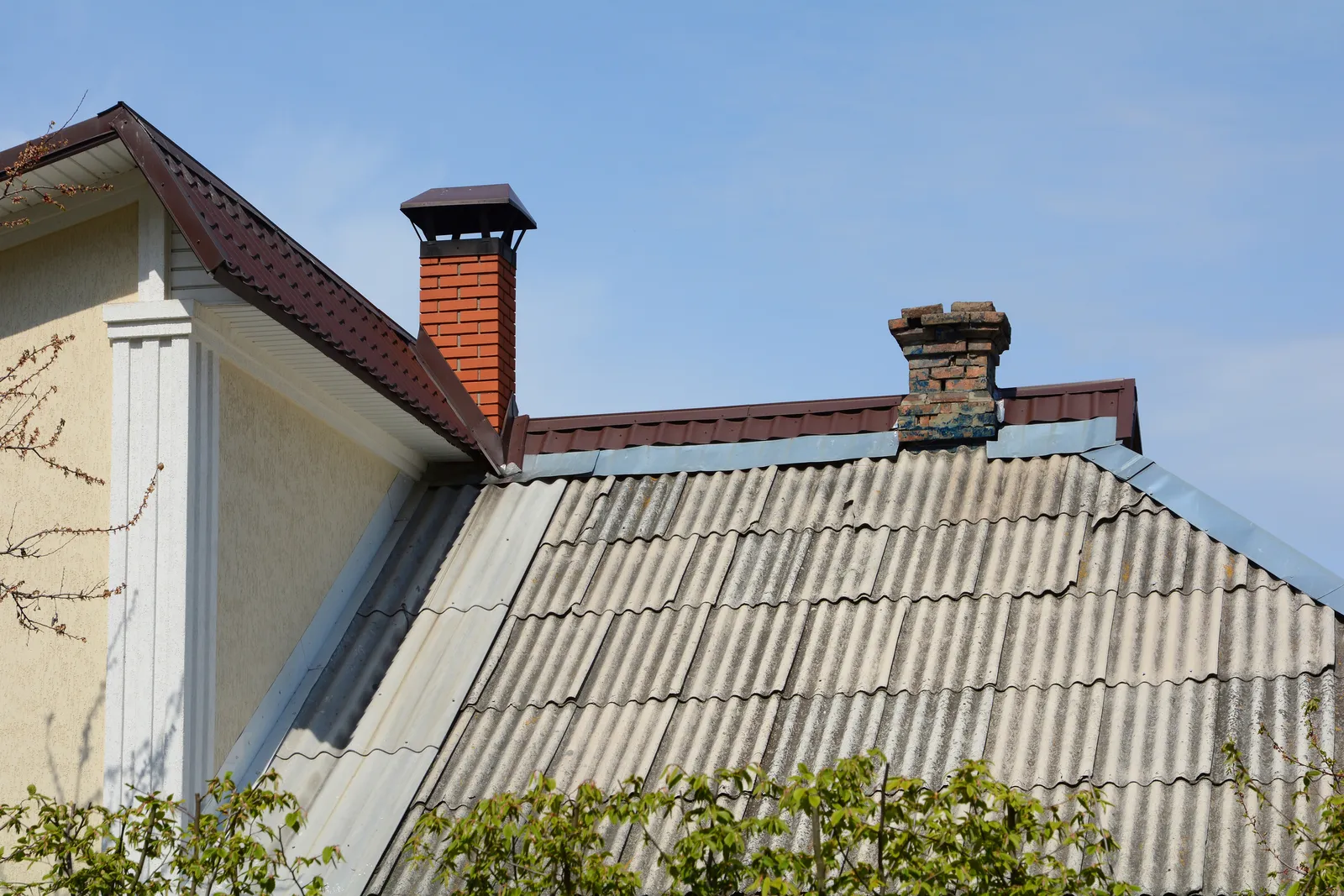
Asbestos exposure can lead to serious health issues. When airborne asbestos fibres are inhaled, they can become lodged in our lungs, causing diseases like asbestosis and mesothelioma.
Asbestosis is a chronic lung disease characterized by scarring of lung tissue; this reduces the functionality of your lungs over time leading to breathing difficulties. Mesothelioma is a rare, aggressive type of cancer that develops in the lining around the lungs or other internal organs caused almost exclusively by asbestos exposure.
Both conditions often take many years to develop but have severe impacts on the quality and longevity of life once diagnosed. Early identification and management with regular inspections significantly reduce these risks for homeowners, workers, and occupants alike.
Legal responsibilities for building owners
Building owners have legal responsibilities when it comes to asbestos in older buildings. It is their duty to ensure the safety and well-being of occupants and workers by complying with asbestos inspection regulations.
This means conducting regular inspections, maintaining an asbestos register, and implementing appropriate risk management strategies. Building owners are also responsible for engaging licensed asbestos removal contractors if asbestos is found, as well as properly disposing of any hazardous materials.
By fulfilling these legal obligations, building owners can effectively protect the health and safety of everyone involved in or around the building.
The potential presence of asbestos in older buildings
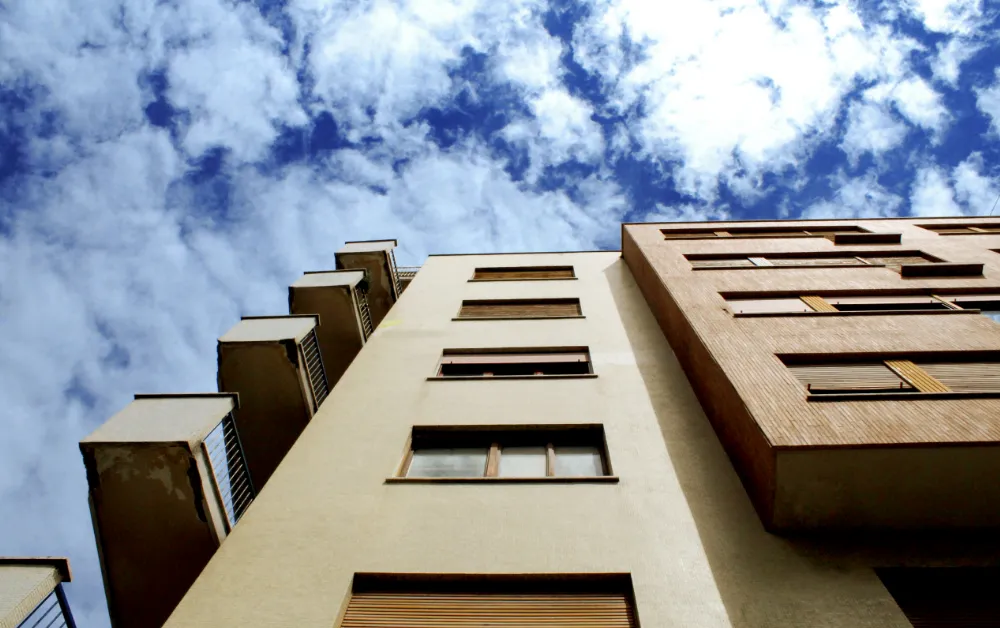
Older buildings, especially those constructed before 1990, have the potential to contain asbestos. Asbestos was commonly used in building materials due to its resistance to heat and corrosion.
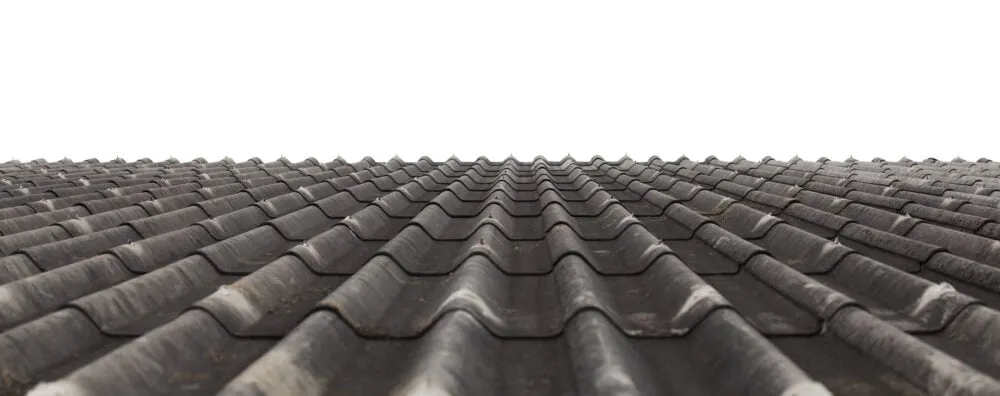
Flat roofs in buildings may also contain asbestos. It is crucial to be aware of this potential presence when conducting renovations or any work that may disturb the building’s structure.
An asbestos inspection can help identify and assess any asbestos materials present, ensuring the health and safety of occupants and workers. Regular monitoring is necessary to comply with asbestos regulations and prevent exposure to this harmful substance.
The Process of Asbestos Inspection
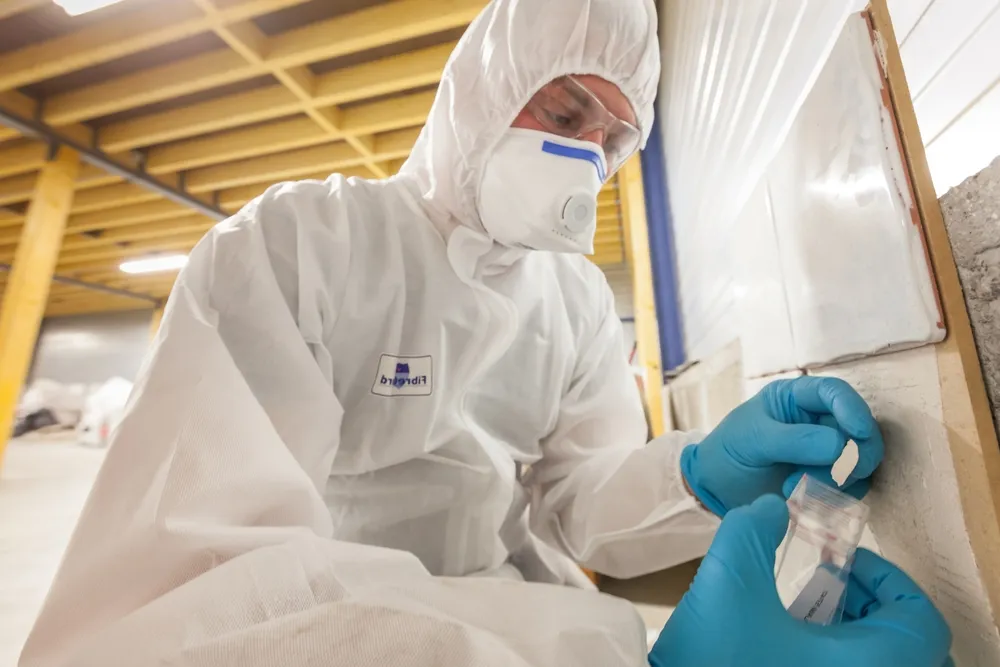
Asbestos inspection in older buildings entails several crucial steps designed to ensure the safety and health of residents, workers, tenants, or others who might come into contact with the building. The process originates with hiring an experienced EPA-certified and state-licensed asbestos building inspector, a professional who is familiar with the unique considerations of older structures. This expert will meticulously inspect the building, identifying any asbestos-containing materials (ACMs) that may exist within the structure, and will systematically manage any friable materials that carry an elevated risk of releasing hazardous airborne asbestos fibres.
But the inspection itself is just part of the equation. It’s equally essential to develop a strategic asbestos management plan afterwards, which outlines clear procedures for safely handling and disposing of these dangerous materials, thereby minimizing potential health risks and ensuring a safe environment for all.
Hiring an EPA-certified and state-licensed asbestos building inspector
When it comes to asbestos inspection in older buildings, it is crucial to hire an EPA-certified and state-licensed asbestos building inspector. This ensures that you have a qualified professional who has the necessary expertise and knowledge to identify and assess asbestos materials accurately.
An inspector with these certifications will be aware of the proper protocols for conducting inspections and will follow guidelines set forth by regulatory bodies. By hiring such an inspector, you can be confident that the inspection process will be thorough and accurate, providing you with valuable information about any potential risks associated with asbestos in your building.
Identifying asbestos-containing materials
An important step in asbestos inspection is identifying materials that may contain asbestos. This is crucial for the safety of occupants and workers in older buildings. Asbestos was commonly used in building materials until the late 1980s, so it’s more likely to be present in older structures, especially those built before 1990.
It can also be found in flat roofs of buildings. To determine if a material contains asbestos, it’s necessary to have a professional conduct an assessment or survey. They will identify and assess the location and condition of any asbestos-containing materials (ACMs) within the building.
Identifying these ACMs is essential before any renovation or construction work begins to prevent exposure to airborne asbestos fibres and avoid potential health risks associated with this hazardous substance.
Managing friable materials
Managing friable materials is a critical aspect of asbestos inspection and removal in older buildings. Friable materials are those that can easily crumble into fine particles or dust when they are touched or disturbed.
These materials have a higher risk of releasing airborne asbestos fibres, which can pose serious health hazards when inhaled. Proper management of friable materials involves conducting thorough inspections to identify their presence, implementing safety precautions to prevent fibre release, and engaging professional asbestos removal services to safely remove and dispose of the materials.
By effectively managing friable materials, we can ensure the health and safety of occupants and workers in older buildings.
Creating an asbestos management plan
To ensure the safety of occupants and workers in older buildings, it is crucial to create an asbestos management plan. This plan outlines specific procedures for dealing with asbestos-containing materials (ACMs) and helps prevent exposure to harmful airborne asbestos fibres.
By conducting regular inspections and risk assessments, building owners can identify areas where ACMs are present and develop strategies for managing them safely. An effective asbestos management plan includes protocols for testing, removal, and disposal of materials that may contain asbestos.
It also emphasizes the importance of providing proper training to employees and contractors who may come into contact with these hazardous materials.
Steps to Take If Asbestos is Found
The detection of asbestos during an inspection prompts an immediate need for safety precautions to mitigate potential health risks. It is vital to cordon off the affected area to limit potential contact or disturbance that may trigger asbestos dust dissemination, which is harmful when inhaled.
Engaging professional asbestos removal services becomes essential for handling and disposing of hazardous material, as they adhere to strict safety guidelines and employ specialized equipment to safely remove and dispose of asbestos. The professionals not only ensure the elimination of the immediate asbestos threat but also safeguard against future risks associated with improper removal or disposal of these dangerous materials.
Implementing safety precautions
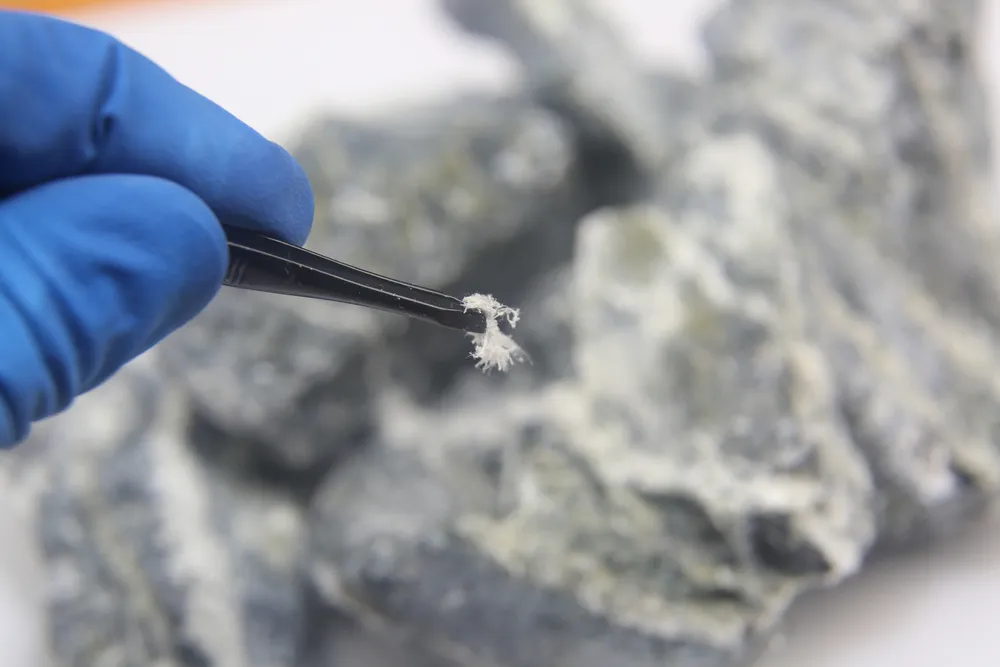
To ensure the safety of everyone involved, implementing proper safety precautions is essential when dealing with asbestos in older buildings. First and foremost, it is important to restrict access to areas where asbestos materials have been identified.
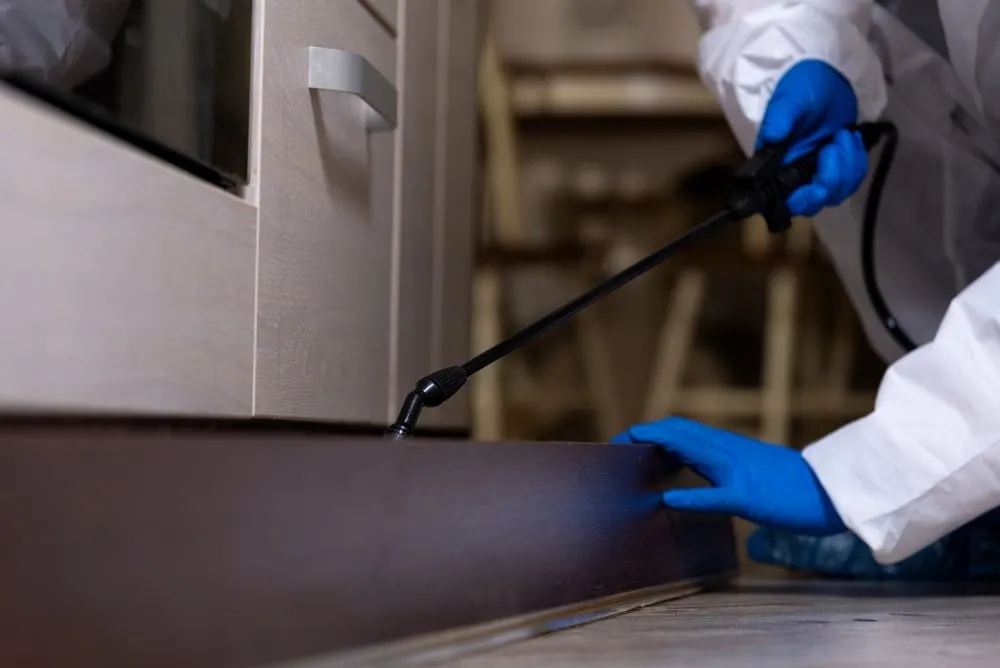
This helps minimize exposure to airborne asbestos fibres. Additionally, wearing appropriate personal protective equipment (PPE) such as disposable coveralls, gloves, masks, and goggles is crucial for anyone working around or removing asbestos-containing materials.
Properly sealing off the work area with plastic sheeting can also help prevent the spread of asbestos fibres throughout the building. Finally, thoroughly cleaning up any debris or dust generated during the removal process using wet methods or HEPA vacuum cleaners ensures that all traces of asbestos are properly disposed of.
By following these safety precautions, we can effectively protect ourselves and others from potential health risks associated with asbestos exposure.
Engaging professional asbestos removal services
Engaging professional asbestos removal services is crucial when dealing with asbestos in older buildings. These trained experts have the knowledge and skills to safely remove and dispose of asbestos materials, minimizing the risk of exposure to harmful fibres.
By hiring professionals, you can ensure that all necessary precautions are taken during the removal process, protecting the health and safety of occupants and workers. It’s important to choose a reputable asbestos removal contractor who follows proper procedures and meets industry standards.
Don’t take any chances – leave it to the professionals to handle asbestos safely and effectively.
Properly disposing of asbestos materials
We must handle the disposal of asbestos materials properly to ensure the safety of everyone involved. Asbestos is a hazardous substance that can cause serious health risks if not handled correctly.
Once asbestos-containing materials (ACMs) have been identified, it is essential to engage professional asbestos removal services for safe removal and disposal. This process should be carried out by licensed contractors who follow specific procedures for containment, packaging, transportation, and finally disposal of asbestos waste at designated facilities.
Taking these necessary steps will help protect both individuals and the environment from the harmful effects of asbestos exposure.
Call Us!
The importance of asbestos inspection in older buildings cannot be overstated. It is crucial to identify and assess any asbestos materials before starting a renovation project.
By doing so, we can ensure the health and safety of occupants and workers, as well as comply with asbestos regulations. Let’s prioritize the well-being of individuals by conducting thorough inspections for asbestos in older buildings.