
Ensuring the safety of a building stretches beyond the visible and into the very fabric of its construction. With materials like asbestos once commonly used, it’s imperative to delve deep into the building’s anatomy to protect its inhabitants. Inspections specifically designed to address this substance are a critical step in maintaining not just a safe environment but also a legally compliant one.
These detailed checks conducted by trained professionals aim to detect and manage any existing asbestos within structures. Striking a balance between historical building practices and modern health standards, these evaluations form an essential part of property stewardship.
They not only protect the current users of a building but also secure its legacy for future generations. Delve into the world of inspections where safety and compliance converge to shield your building from the invisible risks of yesteryear.
Key Takeaways
- Asbestos inspections are essential for maintaining a safe and compliant building.
- They help identify and manage asbestos-containing materials to prevent health risks.
- By complying with regulations, you can protect occupants from potential asbestos exposure.
- Regular inspections ensure workplace safety and demonstrate a commitment to protecting everyone involved.
The Importance of Asbestos Inspections
Grasping the risks and recognising the hazards associated with asbestos is fundamental to ensuring the safety of any building. These fibrous materials, once common in construction, carry significant health risks when disturbed.
Knowledge of these dangers is just the first step; actively complying with the legal mandates designed to control asbestos use and handling is equally crucial. Regulations exist to safeguard occupants and workers from the potential long-term health effects of asbestos exposure.
Therefore, adherence to these laws is not just a matter of legal conformity but a commitment to preserving human health and safety within the built environment.
Understanding Asbestos
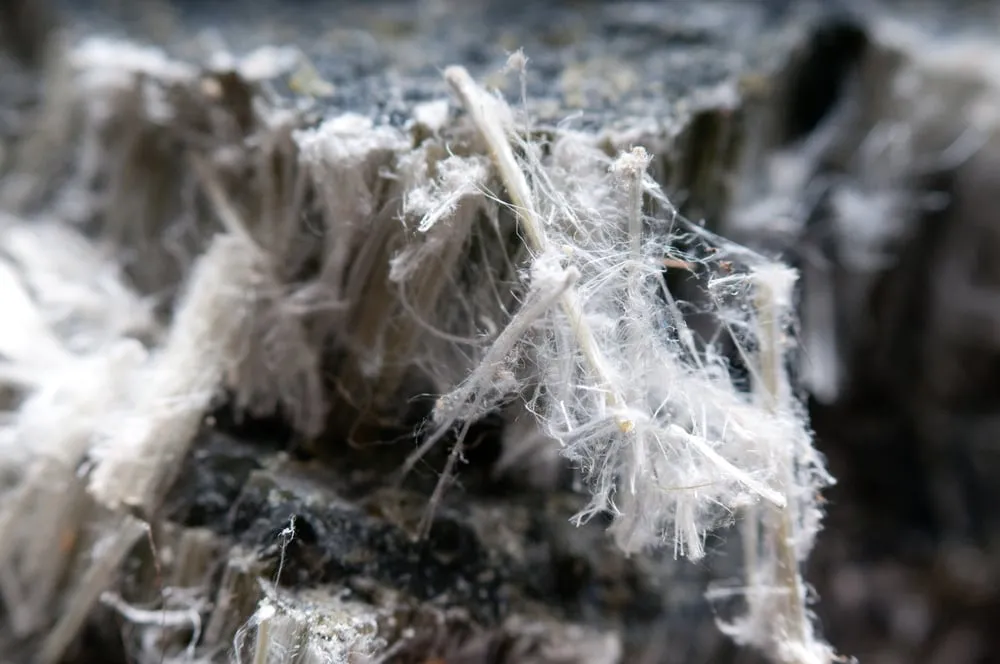
Asbestos is a mineral widely used in the construction industry due to its heat-resistance and insulating properties. This versatile material, however, has been linked to serious health problems such as lung cancer and mesothelioma.
Asbestos fibres are tiny and can easily be inhaled when they become airborne, often during renovation or demolition activities. Once these fibres enter the lungs, they are difficult for the body to expel, leading to chronic inflammation and scarring which may eventually result in disease.
As a result of its potential harm, Australia has strict regulations on asbestos management in buildings.
Risks and Hazards Associated with Asbestos
Asbestos poses significant risks and hazards to both human health and the environment. The inhalation of asbestos fibres can lead to serious respiratory conditions, including lung cancer, asbestosis, and mesothelioma.
These diseases may take many years to develop and are often difficult to treat effectively. Additionally, asbestos exposure is associated with an increased risk of other types of cancer, such as colorectal and gastrointestinal cancers.
Homeowners, building inspectors, engineers, architects, interior design specialists, real estate agents, pest inspectors, and legal office personnel must be aware of these risks to ensure the safety of individuals who may come into contact with asbestos-containing materials.
Legal Requirements and Responsibilities
To ensure building safety and compliance, it is crucial to understand the legal requirements and responsibilities regarding asbestos. As a homeowner, building inspector, engineer, architect, interior design specialist, real estate agent, pest inspector or legal office personnel in Australia, you need to be aware of the regulations surrounding asbestos-containing materials.
This includes knowing when and how to conduct asbestos inspections and surveys according to the guidelines set by Safe Work Australia and the Asbestos Code of Practice. By fulfilling these obligations, you contribute to creating a safe environment for everyone while avoiding potential penalties or lawsuits related to non-compliance with asbestos regulations.
Types of Asbestos Inspections
Asbestos Management Survey
An Asbestos Management Survey is essential to managing asbestos in your building. This survey involves locating and assessing materials that may contain asbestos within your property.
It helps you create an asbestos register, which is a detailed record of any asbestos-containing materials present. By conducting this survey, you can ensure the safety of occupants by identifying potential hazards and taking appropriate measures to manage them effectively.
Professional asbestos inspectors play a crucial role in conducting these surveys and providing valuable guidance on compliance with regulations and best practices for managing asbestos safely.
Limited Asbestos Survey
A limited asbestos survey is a vital step in ensuring the safety and compliance of your building. This type of inspection focuses on specific areas or materials within your property that may contain asbestos.
By identifying these potential hazards, homeowners, building inspectors, engineers, architects, interior design specialists, real estate agents, pest inspectors, and legal office personnel can take necessary precautions to protect themselves and others from the dangers of asbestos exposure.
With its emphasis on targeted assessment, a limited asbestos survey helps you address potential risks efficiently and effectively.
During a limited asbestos survey, professionals will carefully inspect specific areas or materials known to potentially contain asbestos. They will collect samples for testing and analysis to determine if any hazardous fibres are present.
This thorough examination enables you to take appropriate measures such as encapsulation or removal to ensure the safety of occupants and comply with health and safety regulations.
Pre-Renovation Asbestos Survey
During a pre-renovation asbestos survey, our team of experts carefully assesses the presence and condition of any asbestos-containing materials (ACMs) in your building. This essential step ensures that you are aware of any potential hazards before starting your renovation project.
By identifying ACMs and providing recommendations for their safe removal or management, we help you create a safer working environment for everyone involved. Our thorough inspection process enables you to proceed confidently, knowing that all necessary precautions have been taken to protect your health and comply with regulations.
Pre-Demolition Asbestos Survey
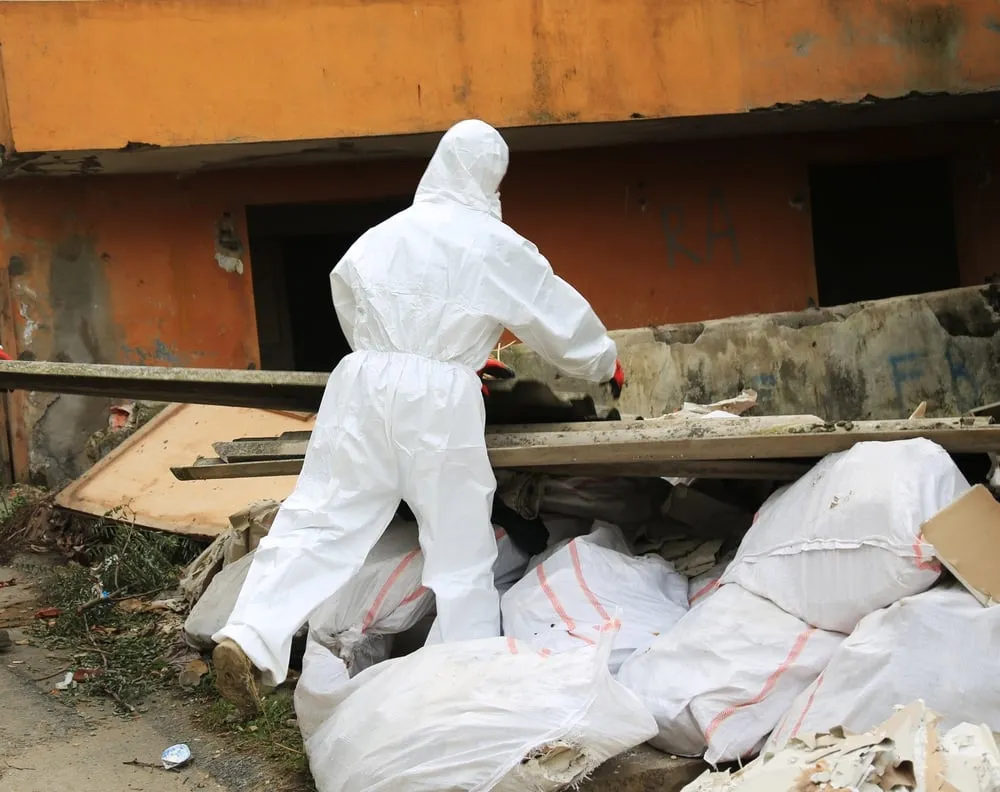
A Pre-Demolition Asbestos Survey is a crucial step before demolishing a building to ensure the safety of workers and surrounding areas. This survey identifies any ACMs present in the building, assesses their condition, and determines the best course of action for removal or management.
It helps to prevent the release of asbestos fibres during demolition, which can be extremely hazardous if inhaled. By conducting this survey, building owners, contractors, and other relevant parties can comply with legal requirements and protect everyone involved in the demolition process from potential health risks associated with asbestos exposure.
Benefits of Asbestos Inspections
Asbestos inspections stand as a critical safeguard in a multitude of environments, especially workplaces where asbestos-related hazards may exist.
Such inspections are fundamental in promoting safety, providing peace of mind to both employers and employees that their health is protected from harmful exposure. They are equally crucial for legal compliance, ensuring that a building meets governmental regulations concerning asbestos management.
By identifying and addressing the presence of asbestos, these inspections play a key role in averting potential health risks associated with exposure. As a preventive measure, regular inspections not only secure the safety of the current environment but also fortify it against future asbestos-related concerns.
Ensuring Workplace Safety
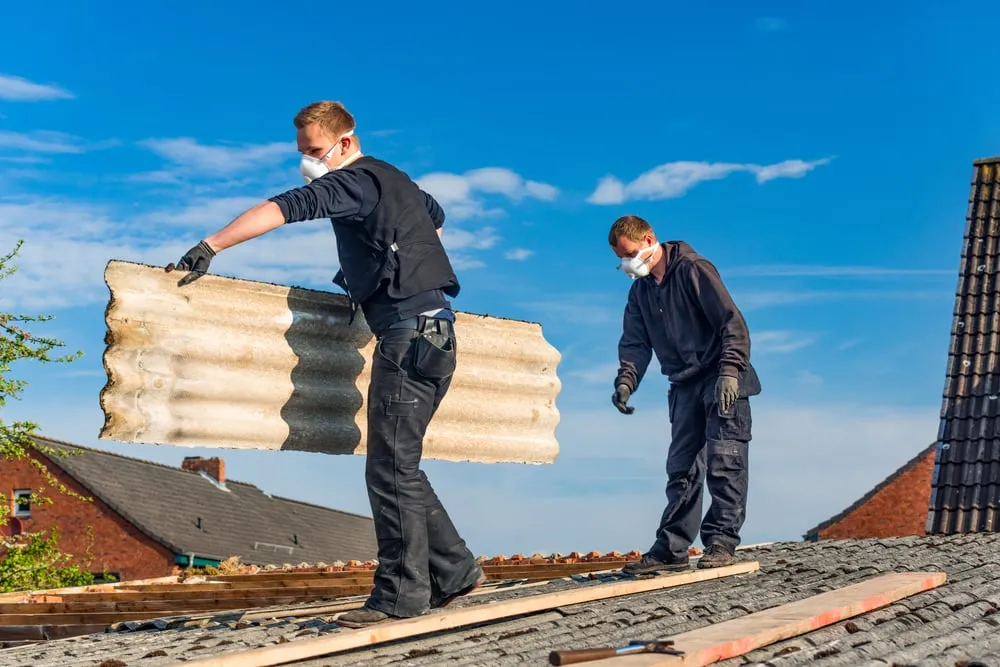
We prioritise workplace safety through thorough asbestos inspections. Our team conducts comprehensive surveys to identify any presence of asbestos-containing materials in your building.
By doing so, we ensure that all potential hazards are identified and appropriate measures can be taken to mitigate the risks associated with asbestos exposure. We understand the importance of creating a safe working environment for everyone involved, including homeowners, building inspectors, engineers, architects, interior design specialists, real estate agents, pest inspectors, and legal office personnel.
With our expertise in managing asbestos and complying with health and safety requirements, we help you maintain a workplace that adheres to regulations and prioritises the well-being of its occupants.
Complying with Regulations
To ensure the safety of your building and adhere to regulations, it is essential to comply with asbestos inspection requirements. This means conducting regular inspections and following the guidelines set by Safe Work Australia and other relevant authorities.
By complying with these regulations, you can protect occupants from potential asbestos exposure and maintain a safe environment for everyone involved in the building’s management or occupation.
Remember, compliance is crucial in preventing health hazards associated with asbestos-containing materials and demonstrating your commitment to workplace safety.
Preventing Asbestos Exposure
We prioritise preventing asbestos exposure to keep everyone safe. Our thorough asbestos inspections identify potential hazards and help us develop strategies to control and minimise the risks.
By implementing strict safety measures, we ensure that homeowners, building inspectors, engineers, architects, interior design specialists, real estate agents, pest inspectors, and legal office personnel are protected from harmful asbestos particles.
Asbestos awareness is crucial in maintaining compliance with regulations and promoting a healthy work environment for all involved. So remember: prevention is key when it comes to avoiding asbestos exposure.
How to Conduct an Asbestos Inspection
Identifying Hazards
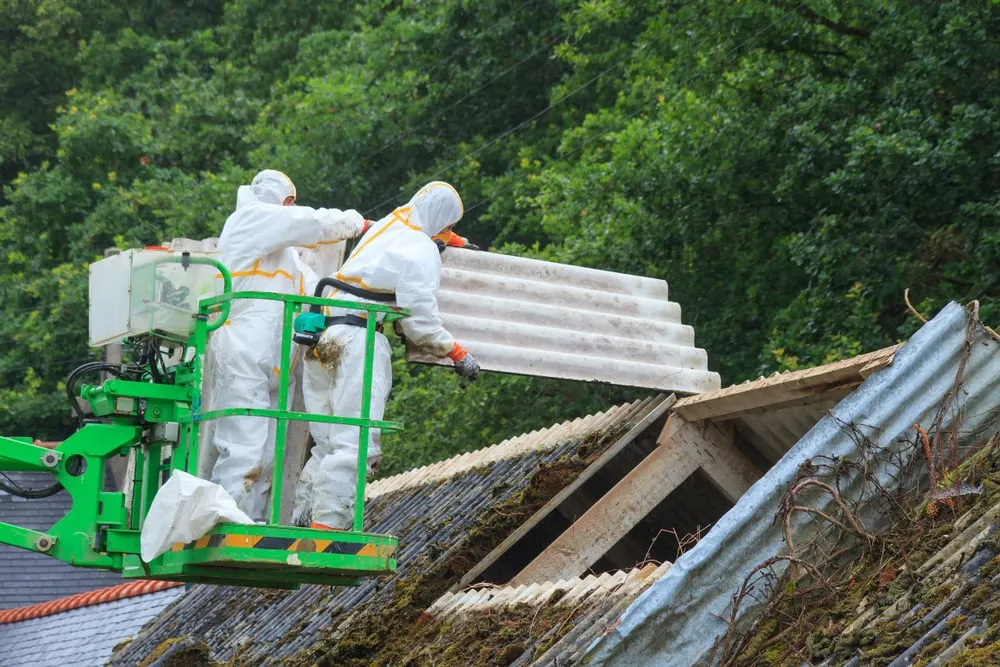
During an asbestos inspection, one of the key steps is identifying hazards. This involves looking for any materials that may contain asbestos in your building. It’s important to note that asbestos can be found in various places such as wall and ceiling insulation, flooring materials, pipe lagging, and cement products.
Asbestos-containing materials may not always be immediately visible, so a thorough examination by a trained professional is necessary. By identifying these potential hazards, we can take the appropriate steps to manage and control them effectively.
Once hazards are identified during the inspection process, it allows us to assess the risks associated with those materials. It helps us understand how likely they are to release fibres into the air when disturbed or damaged.
Assessing Risks
Assessing risks is a crucial step in ensuring the safety of your building. By evaluating potential hazards associated with asbestos, you can take proactive measures to protect occupants and comply with regulations.
During an asbestos inspection, hazards are identified and their risks assessed. This allows for the development of effective risk controls to minimise exposure and ensures a safe environment for everyone.
Asbestos surveyors play a key role in this process by conducting thorough assessments and providing guidance on managing potential risks. Stay ahead of the game by regularly assessing asbestos risks in your building!
Controlling Risks
To control risks associated with asbestos, it is crucial to implement effective strategies. This involves identifying hazards related to asbestos-containing materials, assessing the level of risk they pose, and implementing appropriate risk controls.
Asbestos inspections play a critical role in this process by providing valuable information about the presence and condition of asbestos in a building. By conducting thorough inspections and following recommended safety measures, we can ensure that potential risks are minimised or eliminated.
Reviewing Risk Controls
To ensure the safety of your building, it is crucial to review and evaluate the risk controls in place for managing asbestos. This step involves carefully examining the effectiveness of measures taken to identify and control asbestos hazards.
By reviewing risk controls regularly, you can ensure that any potential risks are identified and addressed promptly. It also helps in maintaining compliance with legal requirements and ensuring a safe environment for everyone working or residing in the building.
So, take the time to review your risk controls regularly and make necessary adjustments to keep your building safe from asbestos-related hazards.
The Role of an Asbestos Surveyor
An asbestos surveyor plays a crucial role in ensuring the safety and compliance of buildings. They are responsible for conducting thorough inspections to identify any presence of ACMs within a structure.
With their expertise, they assess the risks associated with ACMs, evaluate the condition of these materials, and provide recommendations for safe management or removal. Asbestos surveyors are essential in helping homeowners, building inspectors, engineers, architects, interior design specialists, real estate agents, pest inspectors and legal office personnel navigate through the complexities of asbestos regulations and maintain a secure environment for all occupants.
Call Us!
Asbestos inspections play a crucial role in ensuring the safety and compliance of your building. By identifying and managing asbestos-containing materials, these inspections help prevent potential risks and exposure to hazardous substances.
Homeowners, building inspectors, engineers, architects, and other professionals need to prioritise regular asbestos inspections to maintain a safe and legally compliant environment.
Penrith Building Inspections
Keep Reading

Rental Inspections
How Rental Inspections Help Maintain Your Property Value
Learn how regular rental inspections can help you preserve and enhance the value of your property investment.
Read More →
Dilapidation Inspections
Dilapidation Inspection: An Indispensable Part of Building Inspection
Learn how dilapidation inspections are key in building projects to safeguard property conditions and manage risks.
Read More →
Pest Inspections
Avoid Future Headaches: The Role of Pest Inspections in New Home Buying
Learn the key role pest inspections play in new home buying to safeguard your property and avoid costly issues.
Read More →