Commercial real estate transactions involve significant investments and potential risks, making it crucial to understand all aspects of the property in question. One of the key measures to ensure a sound investment is carrying out a comprehensive building inspection.
Our article aims to guide you through the intricate details of a commercial building inspection. We’ll peek into the ins and outs of the process, what it entails, what inspectors look for, and how the results can affect your decision-making process. Through insightful explanations and practical advice, this article seeks to equip potential investors, real estate agents, and property owners with the necessary knowledge needed to navigate the inspection process of commercial real estate effectively.
Key Takeaways
- Commercial building inspections are crucial for potential buyers to assess the condition of a property before making an investment.
- Different types of inspections, such as pest and asbestos inspections, help identify specific issues that could impact the property’s safety and value.
- During a commercial building inspection, both the exterior and interior of the property are thoroughly examined to uncover any existing problems or potential hazards.
- Inspectors also review important documentation related to the building’s history and maintenance to gain a deeper understanding of its condition.
Types of Commercial Building Inspections in Real Estate
Commercial building inspections come in several specific forms, each with its own focus on ensuring the structural integrity and safety of a commercial property.
Pre-purchase inspections are at the heart of real estate transactions, providing potential buyers with crucial information about the property’s condition and revealing any hidden issues prior to the purchase.
Pest inspections focus on identifying the presence of creatures such as termites or rodents that can cause substantial damage to a building, offering key insights for maintenance plans. Asbestos inspections, common in older structures, seek out the presence of hazardous asbestos materials that pose health risks.
Lastly, new construction inspections ensure that a newly built commercial property has been constructed according to the planned design, specifications, and safety standards, offering a form of quality control. Each type of inspection contributes valuable insights to inform decision-making in various scenarios in the commercial real estate sphere.
Pre-Purchase Inspection
Pre-purchase inspections on commercial properties are a savvy investment for potential buyers. These intense visual examinations give an uncensored view of the property’s current condition, revealing any hidden faults that may affect its worth or safety.
Inspectors focus on major systems like electrical, plumbing and HVAC, ensuring they’re in working order. It’s not just about looking around; it’s also about understanding what you’re getting into – from the roof structure to the foundation stability.
Pre-purchase inspections serve as your first line of defence against unpleasant surprises post-acquisition, helping you negotiate better prices or stipulate necessary repairs before finalising purchase agreements.
Securing this peace of mind is why we always recommend a thorough pre-purchase inspection when venturing into the Australian real estate market.
Pest Inspection
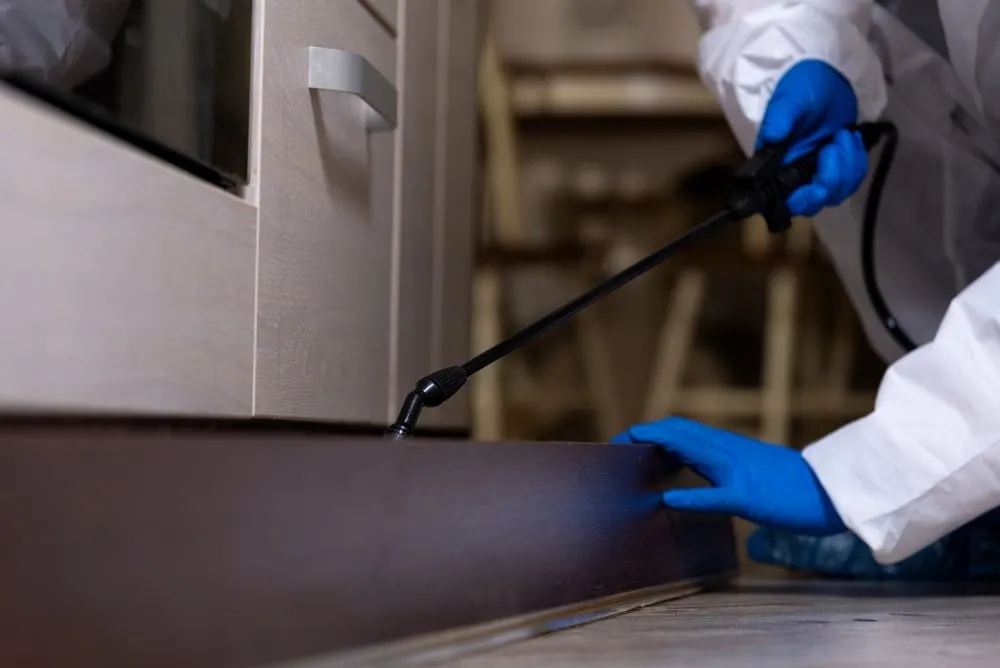
During a commercial property inspection, a pest inspection is an essential component. This examination aims to identify any signs of infestation by pests such as termites, mites, fleas, or even snakes.
Pest inspectors thoroughly check the property’s interior and exterior for any indications of pest presence that could impact the building’s structure and safety. By conducting a pest inspection as part of the overall assessment, potential buyers can gain a complete understanding of the property’s condition before making important investment decisions.
Asbestos Inspection
During a commercial building inspection, an asbestos inspection is conducted to identify the presence of this hazardous material. Asbestos was commonly used in construction materials before its health risks were discovered.
Inspectors thoroughly examine various components of the property to determine if asbestos-containing materials are present, such as insulation, ceiling tiles, or siding. Identifying and addressing potential asbestos exposure is crucial for maintaining a safe and healthy environment for occupants.
New Construction Inspection
During a new construction inspection, our team thoroughly examines the property to ensure that it meets all necessary standards and specifications. We assess the quality of the construction work, including checking for any structural defects or issues with electrical, plumbing, and HVAC systems.
Our goal is to identify any potential problems early on so that they can be addressed before they become costly repairs in the future. By conducting a comprehensive new construction inspection, we help homeowners and professionals involved in the real estate industry make informed decisions about their investments.
What Happens During a Commercial Building Inspection
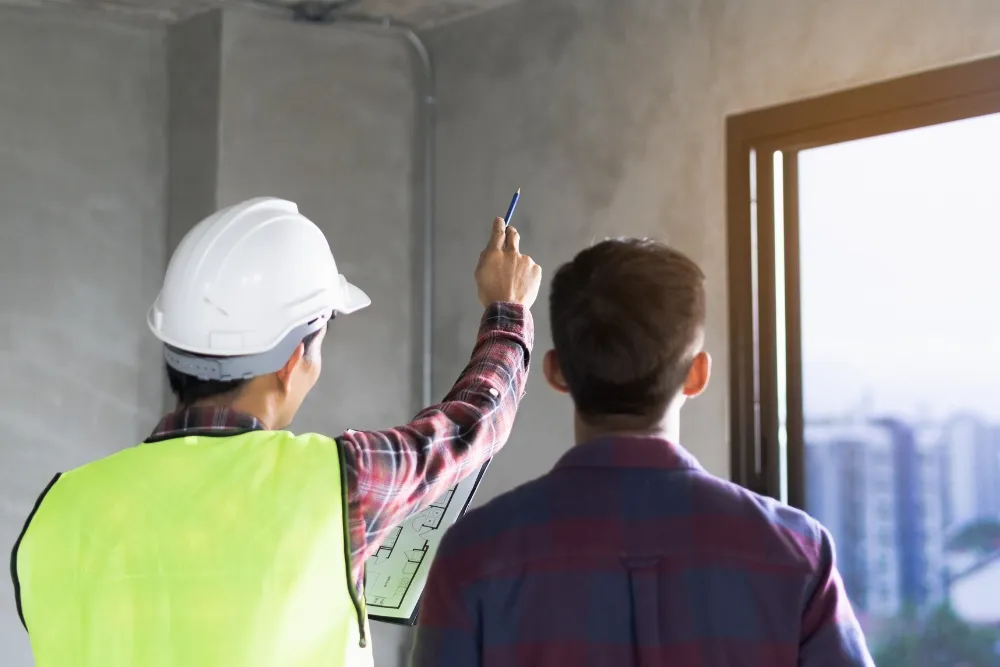
The process of a commercial building inspection involves an exhaustive evaluation of both the building’s exterior and interior.
From the robustness of the foundation and structural integrity to the health of the plumbing, cooling, and heating systems, the primary goal is to assess the current state of the building while also pinpointing potential problems or areas that may require repairs or updates.
But physical examination is just one aspect of the process. The inspection also includes a careful review of relevant documents that provide insight into the building’s history and maintenance record.
Analysing past repair logs, renovation permits, and other related paperwork can aid in identifying patterns of issues or potential concerns, providing a more comprehensive understanding of the property’s overall condition.
Exterior of the Building
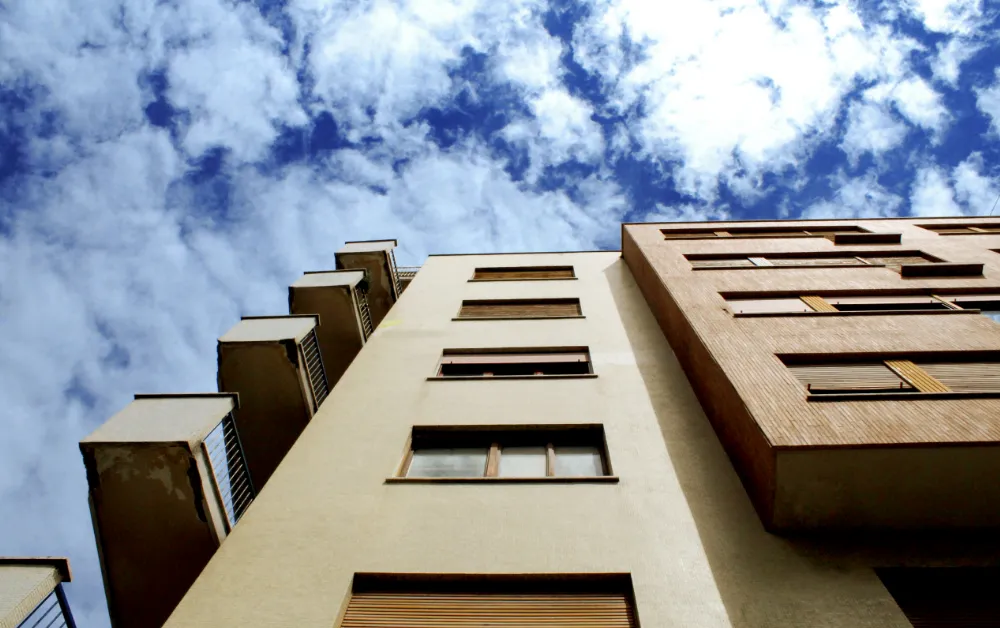
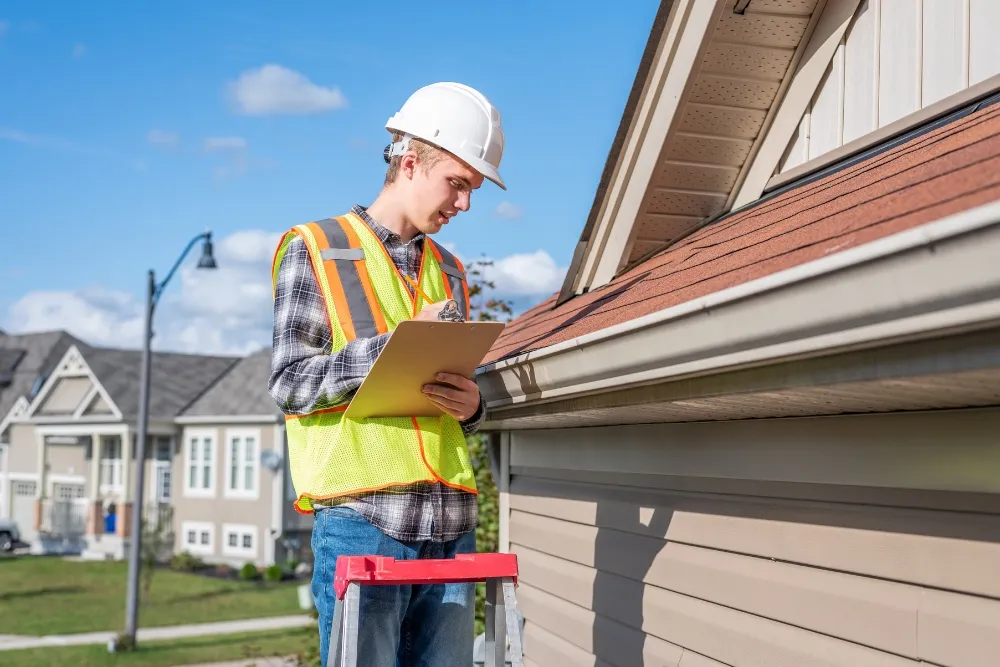
During a commercial building inspection, the exterior of the building is carefully examined to identify any potential issues. The inspector will assess the condition of the roof, walls, windows, doors, and other external components.
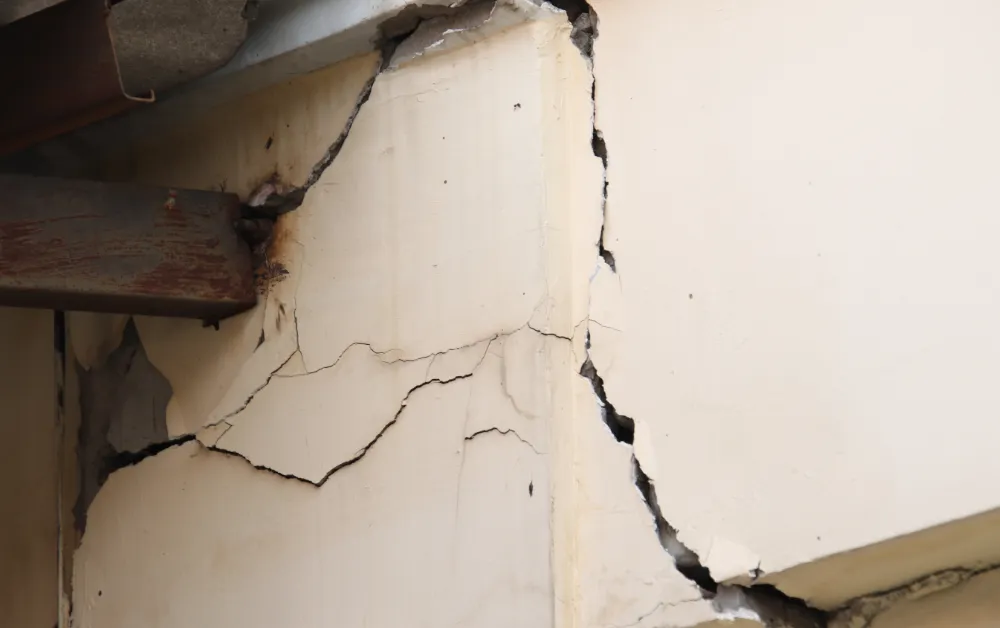
They will look for signs of damage, such as cracks or water stains, that could indicate underlying problems. Additionally, they will check for proper drainage systems and inspect the overall structural integrity of the building.
By thoroughly evaluating the exterior, inspectors can provide valuable insights into the property’s condition and help stakeholders make informed decisions.
Inspectors also pay close attention to factors that may impact safety and compliance with regulations. This includes checking if there are any visible hazards or violations of building codes on the premises.
Interior of the Building
During a commercial building inspection, the interior of the building is thoroughly examined to assess its condition and identify potential problems. Inspectors inspect the walls, floors, ceilings, windows, and doors to check for any signs of damage or deterioration.
They also examine the electrical systems, plumbing fixtures, and HVAC units to ensure they are functioning properly. Additionally, inspectors look for any issues with insulation or ventilation that could affect energy efficiency.
By evaluating the interior components of a property, these inspections provide valuable insights into its overall condition and help homeowners, engineers, architects, and real estate agents make informed decisions about repairs and renovations.
Building Documentation
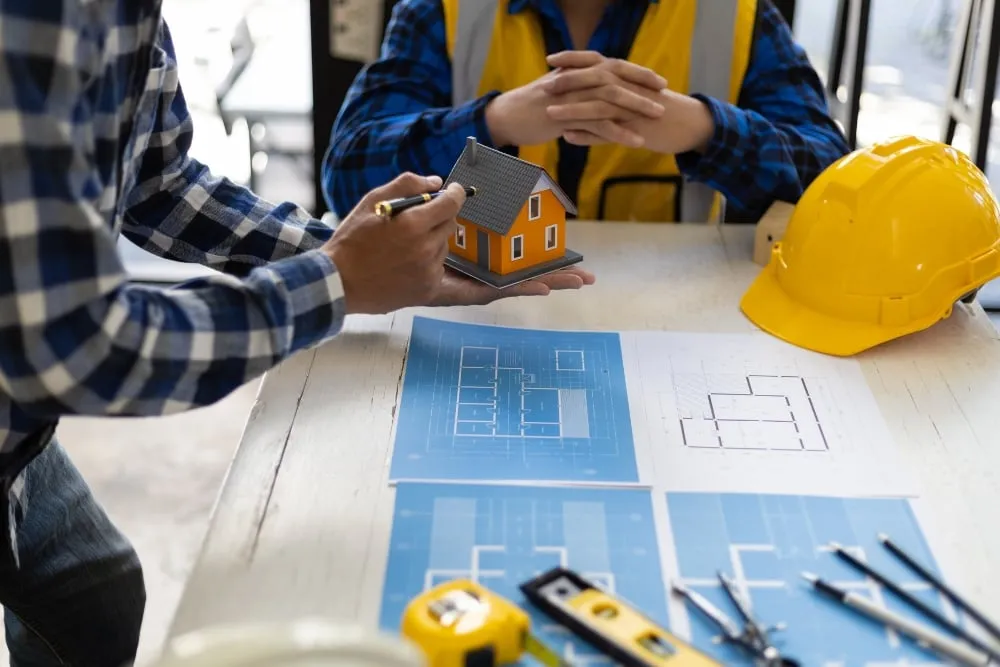
Building documentation is an important aspect of commercial property inspections. During the inspection, building inspectors need to verify and review all relevant documentation, such as appraisals and building plans.
This ensures that everything is in order and complies with regulations. By reviewing the documentation, inspectors can gain a deeper understanding of the property’s history, potential issues, and any necessary repairs or modifications.
It also helps them assess the overall value and worth of the building accurately.
Importance of Commercial Building Inspections
Commercial building inspections are an essential component of property management and ownership, serving a multifaceted purpose.
Primarily, they provide an accurate overview of the property’s current condition, unveiling any underlying issues that may not be immediately apparent. These inspections help unearth necessary repairs and preventive measures, thereby facilitating efficient maintenance planning and extending the lifespan of the building.
A further advantage of such inspections is the ability to estimate the costs associated with future repairs and maintenance, a factor that could significantly impact financial planning for commercial real estate owners or potential investors.
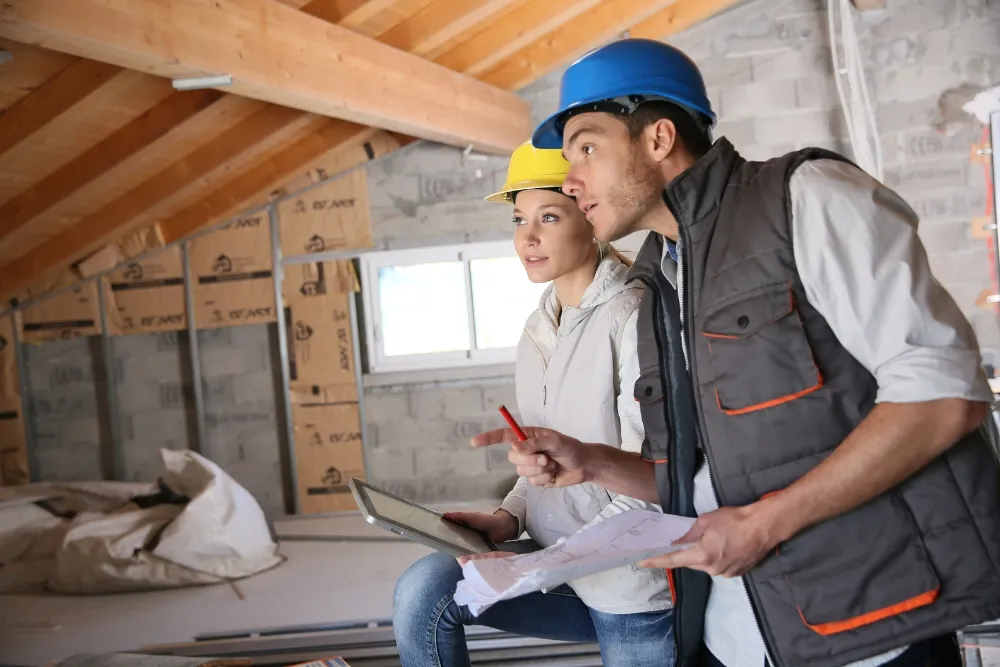
Lastly, these rigorous inspections ensure that the property adheres to prevailing safety standards and regulations, a crucial aspect in maintaining the property’s legal standing and protecting the well-being of its occupants.
Assessing the actual state of the property
During a commercial building inspection, one of the key objectives is to assess the actual state of the property. This involves conducting a thorough visual examination, both inside and outside the building, to identify any existing issues or potential problems.
Inspectors carefully evaluate the structural integrity, electrical systems, plumbing, HVAC systems, and other essential components. By doing so, they can determine the property’s overall condition and provide valuable insights into its worth.
This assessment is crucial for making informed decisions about buying or renovating commercial real estate.
Inspectors also play a vital role in ensuring that properties comply with regulations and safety standards. They review important documentation such as appraisals and building plans to verify that everything is in order.
Identifying potential issues and necessary repairs
During a commercial building inspection, one of the key objectives is to identify potential issues and necessary repairs. This involves a thorough examination of the property to uncover any hidden problems that may affect its value or safety.
Building inspectors carefully inspect electrical, plumbing, and HVAC systems for any signs of malfunction or damage. They also assess the structural integrity of the building and look for indications of water damage or pest infestations.
By identifying these issues early on, property owners can take proactive measures to address them before they escalate into more significant problems. Ultimately, this helps ensure that the property remains in good condition and maintains its value over time.
Estimating costs of repairs and maintenance
During a commercial building inspection, one important aspect is estimating the costs of repairs and maintenance. Building inspectors carefully assess the property to identify any potential issues that may require fixing or ongoing maintenance.
By thoroughly examining the property’s electrical, plumbing, and HVAC systems, inspectors can determine the extent of repairs needed and provide an estimate of associated costs. This information is crucial for both homeowners and real estate agents in understanding the financial implications of purchasing or maintaining a commercial property.
It allows them to make informed decisions about whether to proceed with the purchase or negotiate repairs with the seller.
Ensuring compliance with regulations and safety standards
During a commercial building inspection, one crucial aspect is ensuring compliance with regulations and safety standards. This involves verifying that the property meets all necessary codes and regulations set by local authorities.
It’s important to ensure that electrical, plumbing, and HVAC systems are up to standard and functioning properly. By conducting a thorough examination of the property, including its internal components, inspectors can identify any potential safety hazards or violations.
This ensures that the property is safe for occupants and in line with legal requirements.
Call Us!
Commercial building inspections play a vital role in understanding the true condition of a property and assessing potential issues. By conducting thorough visual examinations and assessing documentation, inspectors can help homeowners, architects, and real estate agents make informed decisions about repairs and renovations.
These inspections are essential for ensuring compliance with regulations and safety standards while estimating costs accurately.