
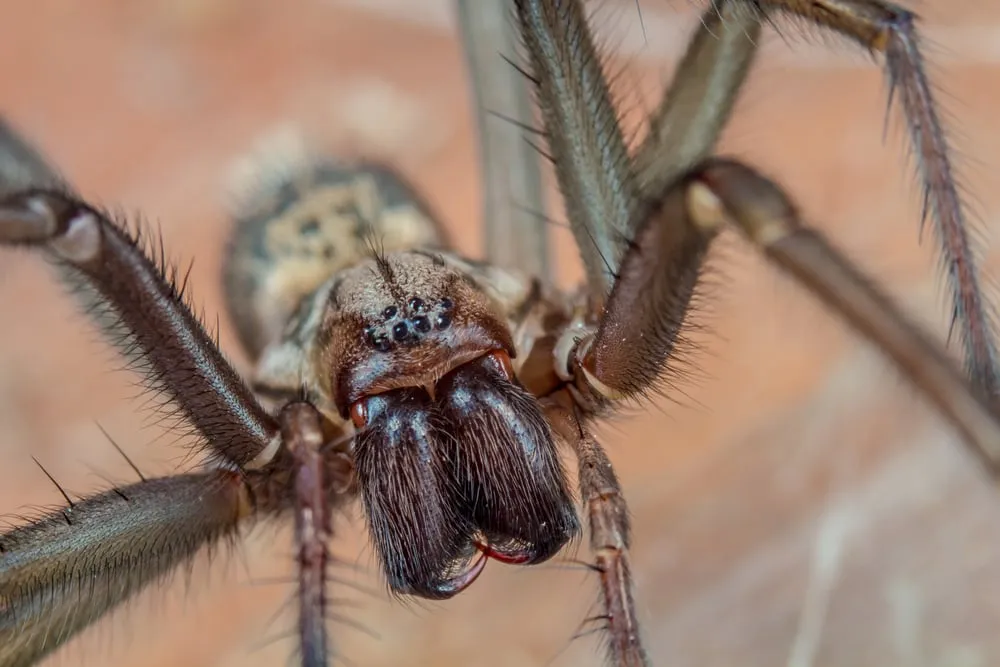
Maintaining a building that’s free from the silent crawl of spiders requires vigilance and a proactive approach. The eight-legged tenants often go unnoticed until their populations have woven their webs throughout hidden corners and crevices. Ensuring an environment that’s inhospitable to these creatures hinges on the thorough efforts of pest control inspections.
These routine assessments are more than just a cursory glance; they involve a detailed examination of both the usual and out-of-sight locales that spiders frequent. Professionals equipped with the right tools and knowledge play a pivotal role in these inspections, pinpointing the early signs of arachnid activity.
By strategising an effective plan post-inspection, the goal of a spider-free building becomes attainable. Dive into the nuances of pest inspections and uncover the proactive measures that can help you maintain a pristine, spider-free environment.
Key Takeaways
- Pest inspections play a crucial role in spider control by identifying potential entry points, hidden infestations, and underlying structural issues.
- Regular cleaning, sealing cracks and seams, using proper lighting, trimming surrounding plants, and calling professional pest control services are essential steps for effective spider control in your building.
- To prevent spiders from infesting your building, maintain a clean and clutter-free environment at all times, regularly inspect and clean outdoor areas, use natural deterrents like peppermint oil, and promptly remove any spider webs you come across.
Why Pest Inspections are Important for Spider Control
Effective spider control begins with the comprehensive approach of pest inspections, which are instrumental in unearthing the often-overlooked aspects of arachnid prevention. Through these inspections, professionals can detect potential entry points that may not be visible to the untrained eye, ensuring these gateways are sealed.
Hidden infestations, nesting silently within the recesses of a building, are also revealed, allowing for immediate remediation.
In addition, the process often sheds light on any structural issues that could contribute to future pest problems, facilitating timely repairs. By addressing these factors, pest inspections form a crucial line of defence in maintaining a spider-free environment.

Identify potential entry points
Spiders are crafty creatures that can crawl into your building through the smallest cracks and gaps. We look for these hidden pathways during our thorough inspections. Doors, windows, vents and pipe connections present common entry points.
Damaged weather stripping or screens often allow spiders entrance as well. Identifying potential entry points ensures we target problem areas effectively during treatment, while also focusing on preventing future invasions.
Sealing these openings increases the success of spider control efforts in your Melbourne home or Brisbane office building.
Find hidden infestations
During a pest inspection, one crucial role is to find hidden infestations. This involves thoroughly checking all areas of the building, including dark corners, crevices, and hard-to-reach spots where spiders may be hiding.
By identifying these hidden infestations early on, prompt action can be taken to eliminate the problem before it becomes more widespread. Pest inspectors use their expertise and knowledge to carefully search for signs of spider activity and ensure that no area goes unchecked.
Through this process, any potential threats are identified and addressed promptly, contributing to a spider-free environment in your building.
Identify underlying structural issues
We also conduct pest inspections to identify any underlying structural issues in your building. This is important because these issues can contribute to spider infestations. Our experienced inspectors will thoroughly examine the foundation, walls, and roof for any signs of damage or weakness that spiders may exploit as entry points.
By identifying and addressing these structural issues, we can help you prevent future spider problems and ensure the long-term integrity of your building.
Steps for Effective Spider Control in Your Building
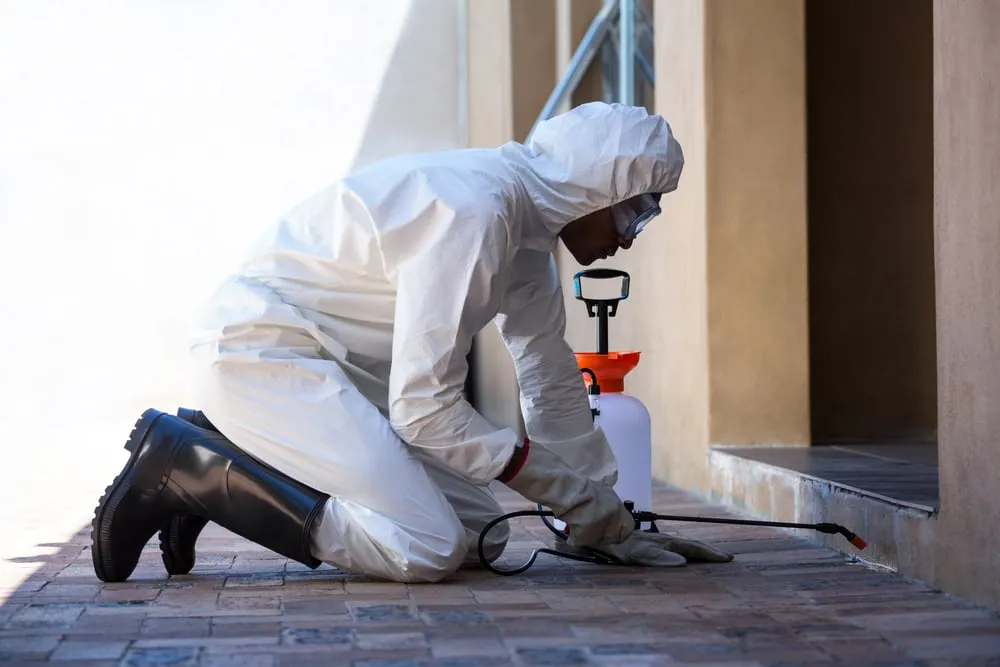
Regular cleaning
Regular cleaning is a key step in maintaining a spider-free building. By regularly cleaning your surroundings, you can eliminate potential hiding spots and food sources for spiders.
Vacuuming and dusting not only removes spider webs but also helps in getting rid of other insects that may attract spiders. Make sure to pay attention to areas such as corners, windowsills, and ceiling fixtures where cobwebs are commonly found.
Additionally, keeping your building clean helps improve overall hygiene and creates a less appealing environment for pests. So, don’t forget to incorporate regular cleaning into your spider prevention routine!
Seal cracks and seams
Sealing cracks and seams is an essential step in spider control for your building. These tiny openings provide easy entry points for spiders to crawl inside. By sealing them, you can prevent spiders from getting inside your property and creating their webs.
Inspect your building thoroughly for any cracks or gaps, especially around windows, doors, vents, and foundation walls. Use caulk or weatherstripping to seal these openings effectively.
Additionally, check for gaps along the roofline and eaves as well. By sealing cracks and seams, you can significantly reduce the chances of spiders finding their way into your building.
To ensure a spider-free environment in your building, all cracks and seams must be properly sealed up. This not only helps keep spiders out but also prevents other pests from entering.
Walk around your property regularly to identify any potential entry points that need attention. Take the necessary steps to seal these areas promptly using appropriate materials like silicone caulking or weatherstripping tape.
Use proper lighting
Proper lighting plays a crucial role in keeping your building spider-free. Bright lights can deter spiders from entering your property and help you spot any lurking arachnids more easily.
Make sure to install outdoor lights around the entrance areas and near windows where spiders are likely to enter. Additionally, keep the inside of your building well-lit by using energy-efficient bulbs and avoiding dark corners or spaces.
By ensuring proper lighting throughout your property, you can create an environment that is less appealing to spiders and reduce the chances of infestation.
Trim surrounding plants
To ensure your building is spider-free, it’s important to trim surrounding plants regularly. Overgrown foliage provides spiders with hiding places and easy access to your building.
By maintaining a well-trimmed landscape, you can minimise the presence of spiders and discourage them from making their way indoors. Keep the branches and shrubs away from windows and doors, creating a clear space that spiders are less likely to inhabit.
Regular pruning will not only enhance the appearance of your building but also reduce potential entry points for these unwanted guests.
Call professional pest control services
To effectively eliminate spider infestations in your building, it is crucial to call professional pest control services. These experts have the knowledge and experience to identify the extent of the infestation and develop a tailored plan to eradicate spiders from your property.
Their specialised tools and treatments ensure that all spiders are removed safely and efficiently, minimising any potential risks or harm. By enlisting the help of professional pest control services, you can have peace of mind knowing that your building will be spider-free once again.
Tips for Spider Prevention in Your Building
Preventing spider infestations hinges on keeping your building’s environment impeccably tidy and free of clutter where spiders might hide. By conducting routine inspections and clean-ups of outdoor spaces, you can eliminate the nooks and crannies that serve as inviting habitats for spiders.
Natural deterrents, such as peppermint oil, can be a gentle yet effective method to discourage spiders from making themselves at home in your space.
It is also important to be vigilant in removing spider webs upon discovery, as this disrupts the environment they rely on for catching prey. Through these proactive measures, you’ll create an unwelcoming environment for spiders, helping to keep your building clear of these eight-legged occupants.
Keep a clean and clutter-free environment
Maintaining a clean and clutter-free environment is essential for effective spider prevention in your building. Regular cleaning helps to remove potential hiding spots and eliminate food sources that attract spiders.
Ensure that floors, shelves, and corners are free from dust, debris, and cobwebs. By keeping your surroundings tidy, you can create an unwelcoming environment for spiders and reduce the risk of infestations.
Regularly inspect and clean outdoor areas
We understand the importance of keeping your building spider-free, and one effective step to achieve this is by regularly inspecting and cleaning outdoor areas. By conducting routine inspections, you can identify any signs of spider infestation early on and take necessary action.
Cleaning outdoor areas helps to remove potential hiding spots for spiders and eliminates their webs. Maintaining a clean environment also discourages spiders from making your building their home.
So, make it a habit to regularly inspect and clean outdoor areas to keep those eight-legged critters at bay.
Use natural deterrents like peppermint oil
We recommend using natural deterrents like peppermint oil to keep spiders away from your building. Peppermint oil has a strong scent that spiders dislike, making it an effective repellent.
Simply mix a few drops of peppermint oil with water in a spray bottle and apply it around windows, doors, and other areas where spiders may enter. Regularly spraying this solution will create an uncomfortable environment for spiders and help prevent infestations.
Remove spider webs immediately
To ensure a spider-free building, it is crucial to remove spider webs immediately. Not only do these webs make your space look unkempt and dirty, but they also attract more spiders.
By removing the webs as soon as you spot them, you can prevent spiders from making themselves at home in your building. Regularly check corners, ceilings, and hidden spaces for any signs of webs or spider activity.
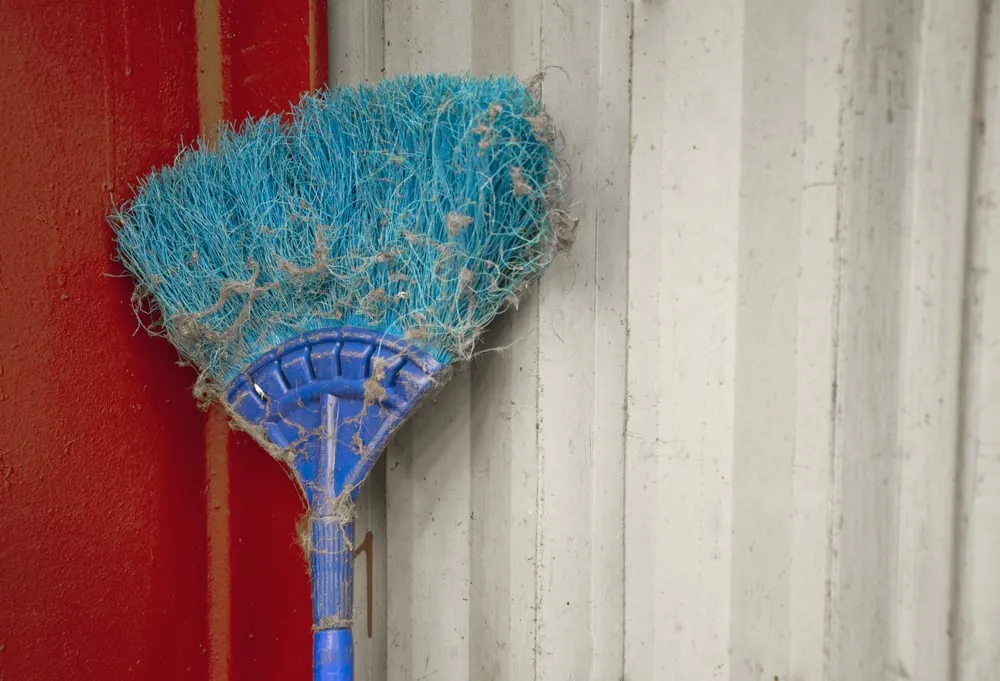
Use a broom or vacuum cleaner to eliminate the webs effectively and dispose of them properly. Taking swift action will help maintain a clean and spider-free environment in your building.
In addition to keeping your space tidy and free from unsightly cobwebs, removing spider webs promptly also discourages spiders from establishing their nests on your premises. Spiders prefer areas with existing web structures because they provide an easily accessible food source – other insects that get caught in the sticky threads.
Call Us!
By conducting regular pest inspections, you can ensure that your building remains spider-free. Identifying potential entry points and hidden infestations can help in taking prompt action.
Moreover, addressing underlying structural issues and implementing effective spider control measures will go a long way in maintaining a clean and safe environment for everyone.
Penrith Building Inspections
Keep Reading

Rental Inspections
How Rental Inspections Help Maintain Your Property Value
Learn how regular rental inspections can help you preserve and enhance the value of your property investment.
Read More →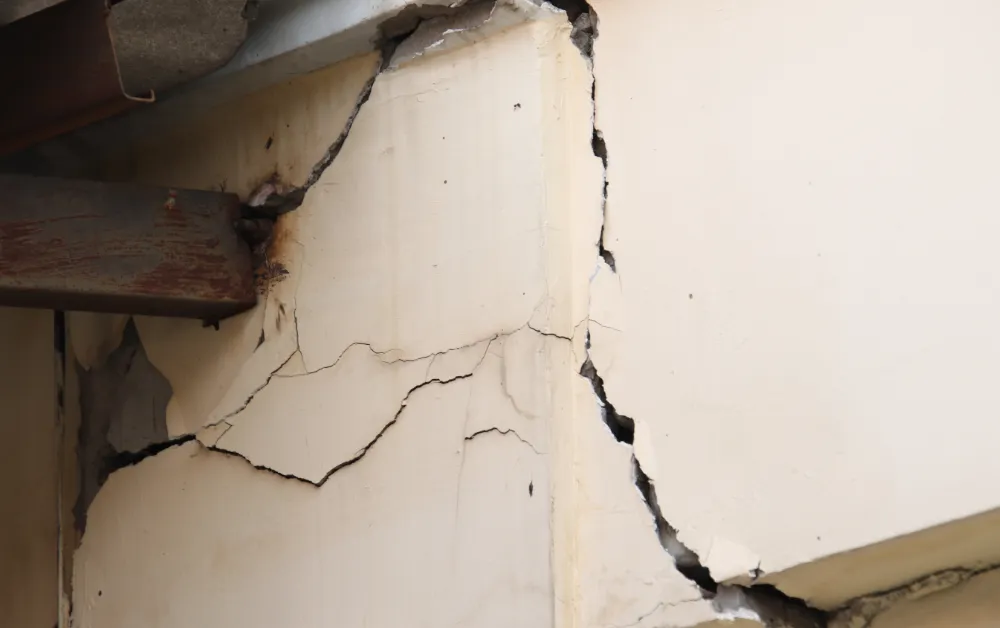
Dilapidation Inspections
Dilapidation Inspection: An Indispensable Part of Building Inspection
Learn how dilapidation inspections are key in building projects to safeguard property conditions and manage risks.
Read More →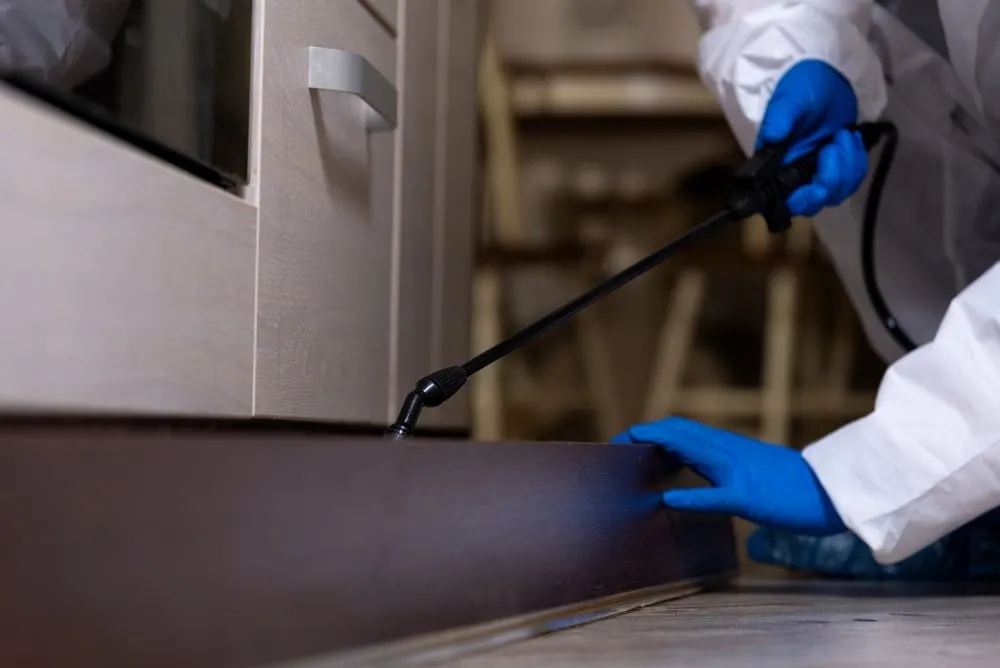
Pest Inspections
Avoid Future Headaches: The Role of Pest Inspections in New Home Buying
Learn the key role pest inspections play in new home buying to safeguard your property and avoid costly issues.
Read More →