Owning a swimming pool is a delightful luxury, but with it comes responsibility. Ensuring that your pool meets certain safety standards is no light matter – it’s about safeguarding the well-being of every individual who takes a dip.
This is where the crux of having your swimming pool certified lies. An important part of this process is getting an inspection done to satisfy certain standards or criteria set by your local or state authority.
Let’s plunge into understanding why securing certification for your swimming pool is a must, and closely examine the inspection standards that play a defining role in achieving it.
Key Takeaways
- Pool and Spa Certification ensures compliance with building regulatory framework, safety standards, and public health risks are managed, protecting the safety of all users.
- Compliance with safety standards involves adhering to specific requirements for barriers, water quality, and maintenance standards to minimise the risk of accidents and maintain a secure pool area.
- Pool inspections require compliance with barrier regulations, and obtaining a certificate of barrier compliance within specified deadlines. Dealing promptly with non-compliant barriers is crucial in ensuring your swimming pool or spa complies with certification requirements.
- Pool safety inspections involve thorough assessments of structural integrity, barrier compliance, equipment functionality and water quality to ensure adherence to safety guidelines. Understanding associated fees and penalties reinforces the importance of adherence to these standards for maintaining safe swimming areas.
What is Pool and Spa Certification?
Securing a Pool and Spa Certification signifies that a swimming pool or a spa adheres to the established building regulatory framework and safety standards, providing an assurance that these recreational spaces have been vetted and found satisfactory from safety and health perspectives. The regulatory framework outlines numerous stipulations including specifications about pool barriers, fence heights, gate hinges, and maintenance.
Additionally, the safety standards encapsulated within the regulations set benchmarks for pool depths, stair structures, and even chemical usage – all aimed at controlling and managing any potential public health risks. It is of utmost importance to adhere to these standards to help ensure the safety of all users; lapses can put lives at risk and may even result in legal consequences.
Hence, compliance isn’t just about meeting standards, but rather emphasising that every swim and soak enjoyed is one ensconced in a framework that places safety at its core.
Understanding the building regulatory framework
We need to grasp the building regulatory framework as it lays out all the safety and construction standards for swimming pools and spas. These regulations are designed to protect everyone by ensuring that every pool meets strict guidelines before it’s considered safe for use.
From water quality to barrier requirements, this framework is crucial in maintaining high safety levels and reducing accidents.
In Australia, each state has its own set of rules governing pool certification, but they all follow a core principle: keeping users safe by preventing drowning and other hazards. We make sure our projects comply with the latest industry standards, which means regularly updating our knowledge of inspection regulations and maintenance protocols.
It’s not just about meeting legal obligations; it’s about safeguarding lives through diligent application of these essential practices.
Compliance with safety standards
Compliance with safety standards ensures that your swimming pool meets the necessary regulations for a safe and healthy environment. It involves adhering to specific requirements for barriers, water quality, and maintenance standards.
By complying with these safety measures, homeowners can minimise the risk of accidents and maintain a secure pool area.
Following safety standards is crucial for building inspectors, architects, real estate agents, and legal office personnel to ensure that all properties meet the necessary pool maintenance guidelines.
Ensuring public health risks are managed
Pool and spa certification is crucial in managing public health risks. Proper compliance with safety standards ensures that the water quality standards are maintained, safeguarding the health of swimmers.
By adhering to pool maintenance standards and inspection guidelines, homeowners and professionals play a pivotal role in upholding the safety regulations that protect public health.
Regular inspections by qualified building inspectors help identify potential hazards, ensuring that any issues are promptly addressed to maintain a safe and healthy environment for all pool users.
Requirements for Pool and Spa Inspections
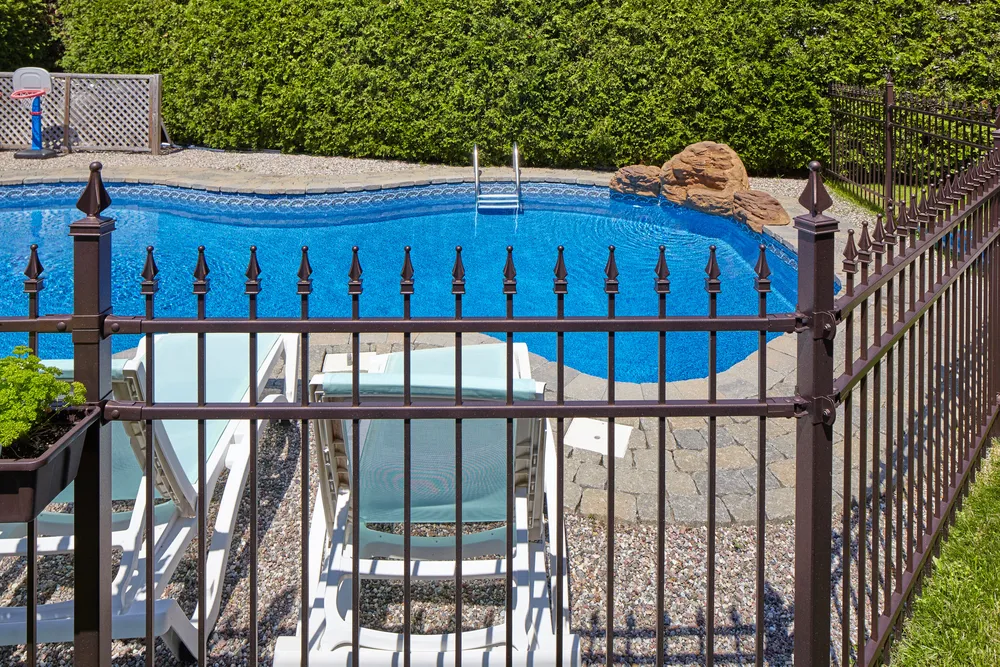
Navigating the course of pool and spa inspections necessitates meticulous compliance with several critical aspects, each playing a role in ensuring the safety and suitability of these recreational spaces. Among the foremost elements is adherence to barrier regulations which mandate the inclusion of a safety barrier surrounding the pool or spa, reducing instances of unsupervised access and accidental falls, particularly of children.
Part of this process also involves obtaining a certificate of barrier compliance, an official document acknowledging the successful meeting of all barrier requirements. Timely inspections play a pivotal role too, with deadlines for inspection and resulting lodgements needing to be strictly met to avoid potential delays or penalties.
In cases where barriers are found non-compliant, property owners are tasked with quickly rectifying these issues, according to the instructions laid out in the barrier improvement notice. Together, these compliance steps champion the cause of maintaining safe and secure pool and spa environments.
Barrier inspections and compliance
Swimming pool barrier inspections are crucial to ensure compliance with safety regulations. Homeowners must regularly inspect and maintain the barriers around their pools to prevent accidents. Engineers, architects, and building inspectors play a vital role in ensuring that pool barriers comply with the prescribed standards. Real estate agents need to be aware of these inspections when dealing with properties that include swimming pools. Pest inspectors should also consider the condition of pool barriers during their assessments. Legal office personnel must ensure that any relevant documentation includes up-to-date details on pool barrier compliance.
Obtaining a certificate of barrier compliance
To obtain a certificate of barrier compliance, you need to engage a licensed pool safety inspector. The inspector will assess the pool or spa barriers against the relevant standards and complete an inspection process. This includes ensuring that all barriers meet the necessary requirements for safety and compliance.
- Arrange for a licensed pool safety inspector to visit your premises.
- Ensure that all required barriers are installed at appropriate heights and distances.
- Confirm that gates and doors have self-closing and self-latching devices in good working order.
- Check that no climbable objects are within the designated barrier area.
- Address any non-compliant issues identified during the inspection promptly.
- Once all barriers meet compliance standards, your pool safety inspector will issue the certificate of barrier compliance, indicating that your pool or spa meets relevant safety requirements.
Deadlines for inspection and lodgement
Inspectors must complete pool safety inspections and lodge compliance certificates within a specified time frame. This requirement helps ensure that all pools and spas meet the necessary safety standards and regulations.
- Inspections must be completed within a specific timeframe set by local regulatory authorities.
- Once the inspection is conducted, the compliance certificates need to be lodged promptly to avoid penalties or non-compliance issues.
- Failing to adhere to inspection deadlines could result in legal consequences and pose risks to public safety and health.
- Prompt lodgement of compliance certificates demonstrates a commitment to maintaining safe swimming pool environments for all users.
Dealing with non-compliant barriers
Dealing with non-compliant barriers involves assessing the specific issues that are causing non-compliance and taking appropriate actions to rectify them. This may include:
- Identifying the specific areas where the barrier is not meeting compliance standards, such as damaged fences or gates that do not self-close and self-latch.
- Consulting with a pool safety inspector to understand the necessary steps for rectifying the non-compliant barriers.
- Undertaking repairs or modifications to bring the barriers up to the required safety standards, which may involve engaging qualified professionals such as builders or fencing contractors.
- Re – inspecting the barriers once the necessary improvements have been made to ensure they comply with certification requirements.
- Obtaining a certificate of barrier compliance once all non-compliant issues have been addressed, providing assurance that the swimming pool or spa meets legal safety standards.
Receiving a barrier improvement notice
Upon receiving a barrier improvement notice, it is crucial to take immediate action and ensure compliance with safety standards. Here are the essential steps to address this situation:
- Contact a licensed pool safety inspector to assess the non-compliant barriers.
- Implement the necessary modifications or repairs as per the inspector’s recommendations.
- Schedule a follow-up inspection to verify that the barriers now meet certification requirements.
- Keep documentation of all improvements made and inspections conducted for future reference and compliance verification.
Inspecting and Certifying a Pool or Spa
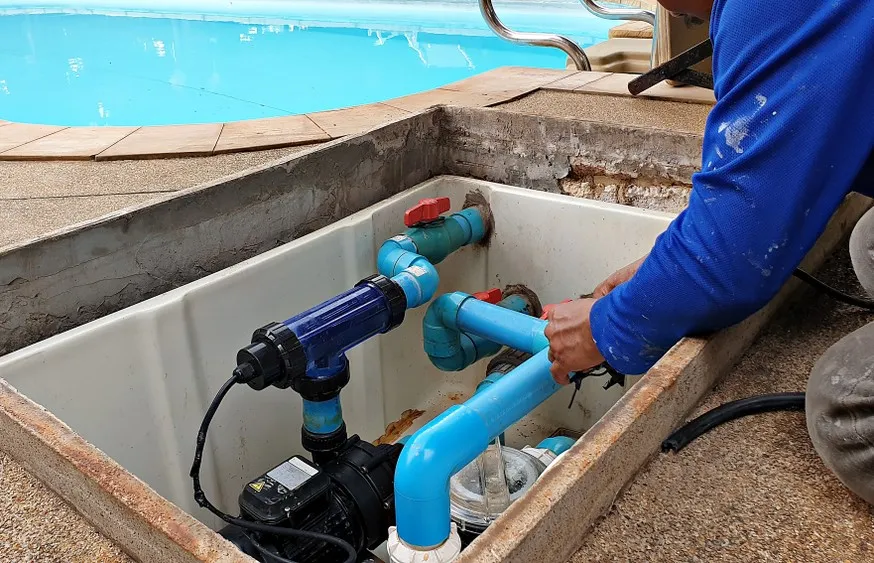
Embarking on a pool safety inspection involves a meticulous procedure detailing the careful scrutiny of a pool or spa area, with the aim of verifying its adherence to stringent safety standards and regulations. These checks span the examination of safety barriers, gates, pool heights, safety signs, and even the water’s chemical composition, ensuring no stone is left unturned in pursuing the highest level of safety.
There are certain costs associated with these inspections, including fees for the inspection itself and the issuance of a certificate of compliance, an official confirmation of the pool meeting safety standards after a successful inspection. In instances where non-compliances are identified, penalties may be levied as a part of enforcement measures.
Moreover, any alteration to registered pools or spas, whether it’s shifting of barriers or the addition of potential climbable objects, must be professionally inspected and appropriately certified, ensuring these renovated features still adhere to the safety norms.
The process of pool safety inspections
Pool safety inspections involve a thorough assessment of the swimming pool or spa to ensure compliance with safety standards and regulations.
Fees and penalties involved
As we delve into the financial implications of pool and spa certification, it’s crucial for us, as homeowners and professionals involved in property management, to understand the fees and penalties associated with non-compliance. These costs reinforce the importance of adhering to safety standards set out by the regulatory framework. Here’s a detailed breakdown of what to expect in terms of financial outlay:
| Service | Fees | Penalties for Non-Compliance |
|---|---|---|
| Certification Inspection | Varies by state and inspector | N/A |
| Certificate of Barrier Compliance | Set fee by local council | N/A |
| Lodgement Fee | Fixed cost set by local council | May incur late lodgement penalty |
| Non-Compliant Barrier | Cost of necessary modifications or repairs | Fines or legal action if not addressed |
| Re-inspection after Improvement Notice | Additional fees for follow-up inspection | Fines may increase if issues remain unresolved |
| Alterations without prior approval | Fee for reassessment | Fines and enforcement actions for unauthorised changes |
Understanding these fees and actively ensuring compliance is not just about avoiding financial penalties; it’s about our commitment to maintaining a safe environment for our families and the community. Let’s keep our swimming spaces safe and certified.
Obtaining a certificate of pool or spa compliance
To obtain a certificate of pool or spa compliance, one must engage a licensed pool safety inspector to assess the pool or spa area. The inspector will thoroughly evaluate the safety barriers and equipment to ensure they meet all relevant regulations. All necessary modifications should be completed promptly to achieve compliance.
- Engage a certified pool safety inspector for a comprehensive evaluation.
- Address any identified non – compliance issues promptly and effectively.
- Ensure all required modifications are completed to meet safety standards.
- Obtain the official certificate of pool or spa compliance upon successful inspection.
Alterations to registered pools or spas
When altering a registered pool or spa, it is essential to ensure that any modifications comply with the relevant safety standards and regulations. The alterations must not compromise the integrity of the barrier surrounding the pool or spa, ensuring continued compliance and safety for all users.
In the event of any changes to the structure or features of a registered pool or spa, homeowners should seek guidance from qualified professionals to help ensure that the alterations adhere to certification requirements and do not pose any safety hazards.
Furthermore, it is important to note that any adjustments made to a registered pool or spa may necessitate re-inspection and recertification to maintain compliance with existing safety regulations.
The Impact of Neglecting Certification
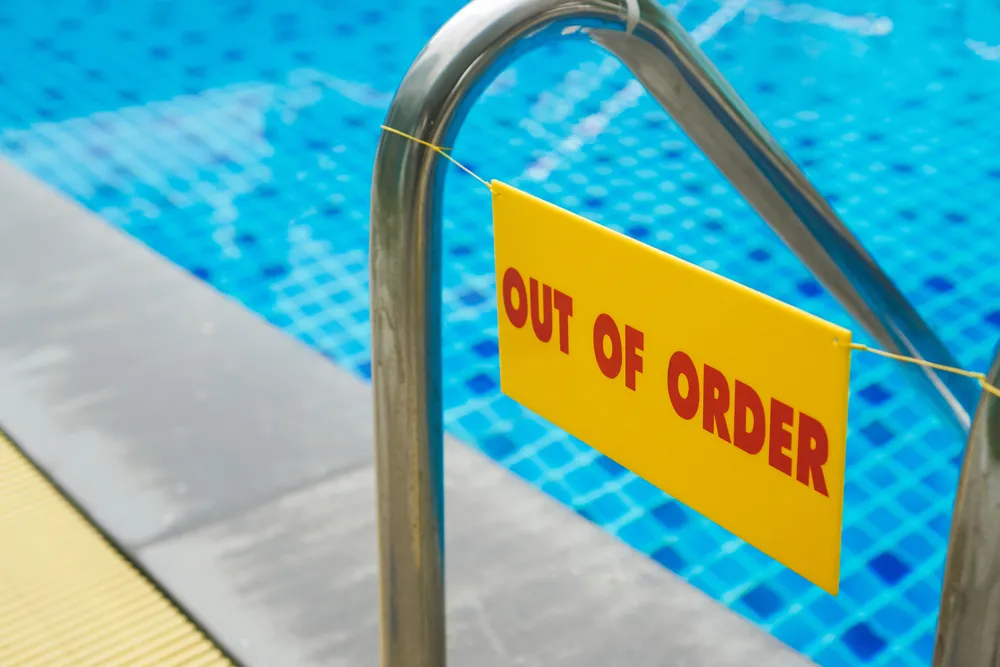
Choosing to sidestep the process of certifying your swimming pool can set the stage for a multitude of serious consequences that extend beyond simple negligence. Primarily, uncertified pools can pose serious safety and health risks; without the assurance of certified safety measures, every dip becomes a gamble, increasing the likelihood of accidents ranging from minor to serious.
On a legal front, non-compliance with certification requirements attracts hefty fines, or even more severe legal repercussions depending upon the jurisdiction. A pool that doesn’t adhere to certification standards can also come under the scrutiny of a pool safety inspector, leading to the forced adoption of remedial measures and additional inspection costs.
Therefore, strictly adhering to inspection standards isn’t just about receiving a certificate – it’s one of the critical assurances determining the well-being and safety of every user, reinforcing why certification should never be treated lightly.
Consequences of non-compliance
Non-compliance with pool and spa certification requirements can lead to serious repercussions. Failure to adhere to safety standards poses significant risks, jeopardising the well-being of individuals who use the pool or spa.
Additionally, neglecting certification may result in legal consequences, including penalties and fines for non-compliant barriers or facilities. It is crucial for all stakeholders involved in property maintenance and inspection to recognise the potential ramifications of disregarding certification guidelines.
The aftermath of non-compliance not only impacts public health and safety but also entails legal responsibilities that cannot be overlooked. Therefore, understanding the consequences of neglecting pool and spa certification is essential for ensuring adherence to regulatory standards and mitigating associated risks.
Risks to safety and health
Failing to certify your swimming pool or spa poses serious safety and health risks. A certified pool ensures that safety barriers are up to standard, preventing accidental drownings, especially for young children.
Non-compliance with safety regulations can lead to hazardous situations, putting the well-being of your family and visitors at risk.
Moreover, neglecting certification may result in potential legal consequences. Besides endangering lives, operating an uncertified pool or spa can lead to hefty fines and penalties under Australian building regulatory frameworks.
Legal consequences
Ignoring pool and spa certification can lead to severe legal consequences. Non-compliance with safety standards can result in hefty fines for homeowners and legal liabilities for real estate agents.
Building inspectors who neglect certification requirements risk facing disciplinary actions, while engineers and architects may be held accountable if their designs do not meet regulatory standards.
Interior design specialists and pest inspectors should also be aware of the legal implications of non-compliance, as failure to adhere to safety regulations could result in serious health risks.
Additionally, neglecting pool and spa certification poses significant legal risks for all parties involved in property transactions. Real estate agents must ensure that pools are properly certified before listing properties on the market to avoid potential litigation from buyers or tenants.
The role and responsibilities of a pool safety inspector
Pool safety inspectors play a crucial role in ensuring that swimming pools and spas comply with the required safety standards. Their responsibilities include conducting thorough inspections of barriers, gates, fences, and other safety features to ensure they meet the necessary requirements.
They also assess the overall safety of the pool or spa area, providing valuable certification upon successful compliance. Inspectors are responsible for identifying any non-compliant barriers and issuing improvement notices to property owners to rectify these issues promptly.
These professionals are essential in safeguarding public health by actively enforcing regulations aimed at minimising drowning risks and promoting safe pool environments. By meticulously carrying out their duties, pool safety inspectors contribute significantly towards reducing accidents and enhancing overall community well-being.
Call Us!
Ensuring your swimming pool or spa is certified and complies with safety standards is crucial for protecting public health and managing potential risks. Neglecting certification can lead to severe consequences, including legal implications and compromising the safety of swimmers.
By prioritising pool and spa inspections, homeowners play a vital role in upholding safety standards and meeting regulatory requirements. Don’t overlook the importance of certification – it’s a responsible step towards creating a safe environment for all.