When delving into the fascinating world of building inspections, this document holds high significance – the defects reports. This comprehensive document emerges from detailed inspections, carrying the weight of a building’s integrity in its pages.
It meticulously lists any found deviations from expected standards, anomalies, or faults that demand attention. Going beyond identifying these defects, the report also lays the groundwork for future improvements and rectifications.
Thus, having a thorough understanding of what goes into these reports, and how to interpret them effectively, is key to successfully managing your property and maintaining its optimal condition.
Key Takeaways
- Building defects inspections are crucial for homeowners to identify current and potential structural issues, plumbing problems, ventilation hazards, and more.
- Licensed building inspectors play a vital role in ensuring the safety and compliance of residential properties.
- Common problems discovered during building inspections include incomplete construction, fire separation walls issues, plumbing problems, pest infestations, roofing damage, and ventilation issues.
Importance of Building Inspections
Building inspections form an indispensable component of homeownership, serving as the gateway to enhancing knowledge about the property’s current condition and its potential concerns. These inspections shed light on a wide spectrum of issues, ranging from structural defects such as cracks in the foundation or damaged load bearings, to plumbing problems and ventilation hazards.
In each case, early detection facilitates timely remedial action minimizing potential damage and associated costs. Spearheading these inspections are licensed building inspectors, professionals trained to decipher the intricate language of buildings.
Their role in the process is tremendously significant, as they ensure the safety and regulatory compliance of residential properties, safeguarding inhabitants and investments alike.
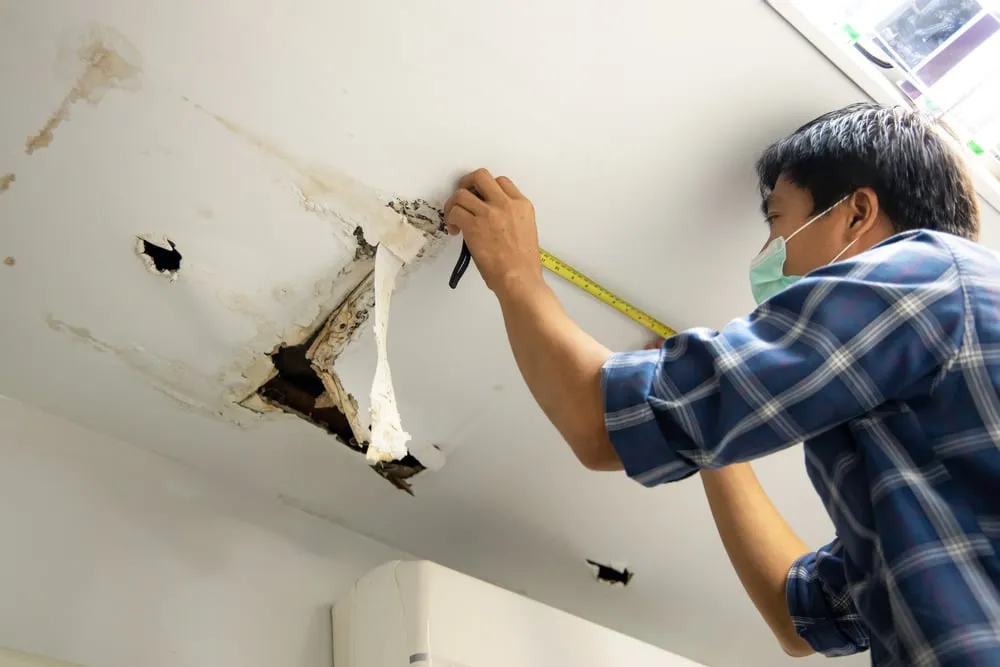
What is a building defects inspection?
A building defects inspection is a comprehensive evaluation of a property conducted by licensed professionals. These trained experts scrutinize the premises to identify any structural or nonstructural issues that could potentially pose risks in the future.
They dive deeper into details, examining all critical areas including plumbing, ventilation, as well as crucial safety hazards. Upon completion of this meticulous examination, they provide an objective report detailing both superficial and serious faults.
This document serves not just as a revelation tool for existing problems but also facilitates efficient defect rectification plans and preventive measures for hidden concerns yet to surface.
Why are they important for homeowners?
Building defects inspections are crucial for homeowners because they provide a comprehensive evaluation of the property’s condition. These inspections ensure that both structural and nonstructural elements of the building meet safety standards and regulations.
By identifying any current or potential issues, homeowners can address them promptly to prevent future disasters and costly repairs. Plumbing problems, ventilation issues, roof damage, and pest infestations are some common problems that can be discovered during these inspections.
With a thorough defect inspection report in hand, homeowners can make informed decisions about their property and prioritize necessary repairs or maintenance tasks.
In addition to ensuring safety and avoiding future disasters, building defects inspections reveal hidden defects that may not be immediately apparent to homeowners. This objective assessment helps identify superficial defects as well as major structural issues that require attention.
The quick turnaround for reports allows homeowners to take prompt action in rectifying any identified concerns, whether it’s engaging professionals for repairs or negotiating with sellers before finalizing a purchase agreement.
The role of licensed building inspectors
Licensed building inspectors play a crucial role in conducting thorough and detailed building inspections. Their main responsibility is to assess the structural and nonstructural elements of a property, identifying any defects or potential safety hazards.
They have the expertise to detect hidden issues that could lead to future disasters if left unaddressed. These inspectors provide objective reports on the current condition of a building, highlighting both major and minor defects.
By hiring licensed building inspectors, homeowners can ensure that their properties meet all relevant building codes and standards, allowing for timely defect rectification and ensuring the safety of occupants.
Key Areas to Check in a Building Defects Inspection
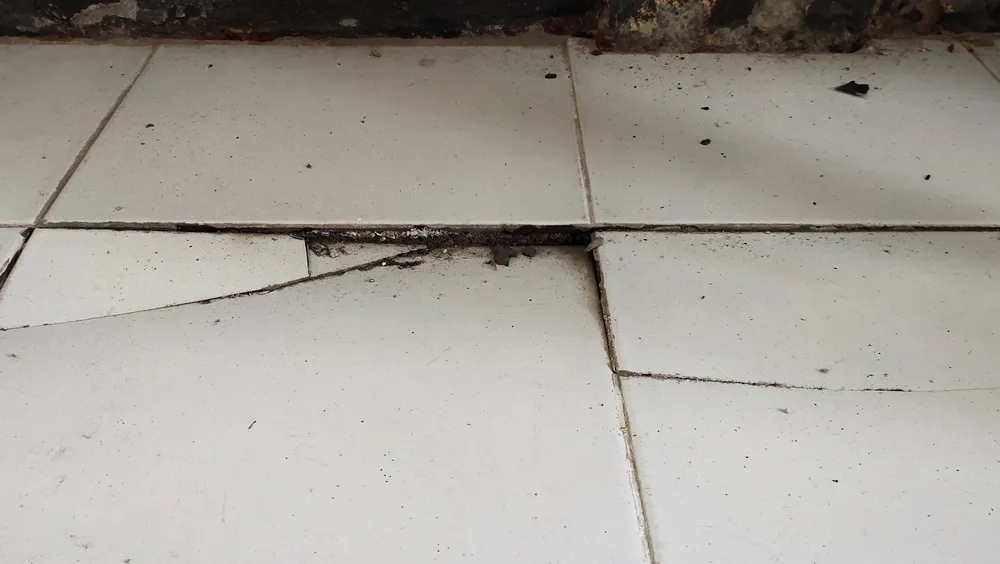
Venturing into a building defects inspection, it’s of paramount importance to consider both the bone and the skin of the property, that is, the structural and nonstructural elements respectively. Structural elements, often hidden behind the building’s surfaces, include aspects like foundations, beams, columns, load-bearing walls, and structural floors, all contributing to the building’s integrity and stability.
A thorough investigation of these elements can reveal potential cracks, shifts, or weaknesses that may compromise the safety and longevity of the property. However, the inspection should not stop there.
Nonstructural elements like doors, windows, plumbing, finishes, or even the HVAC system also demand close attention for potential defects, completing a comprehensive evaluation of a property’s condition and aiding in the curated formulation of an effective defects report.
Common building defects and risks
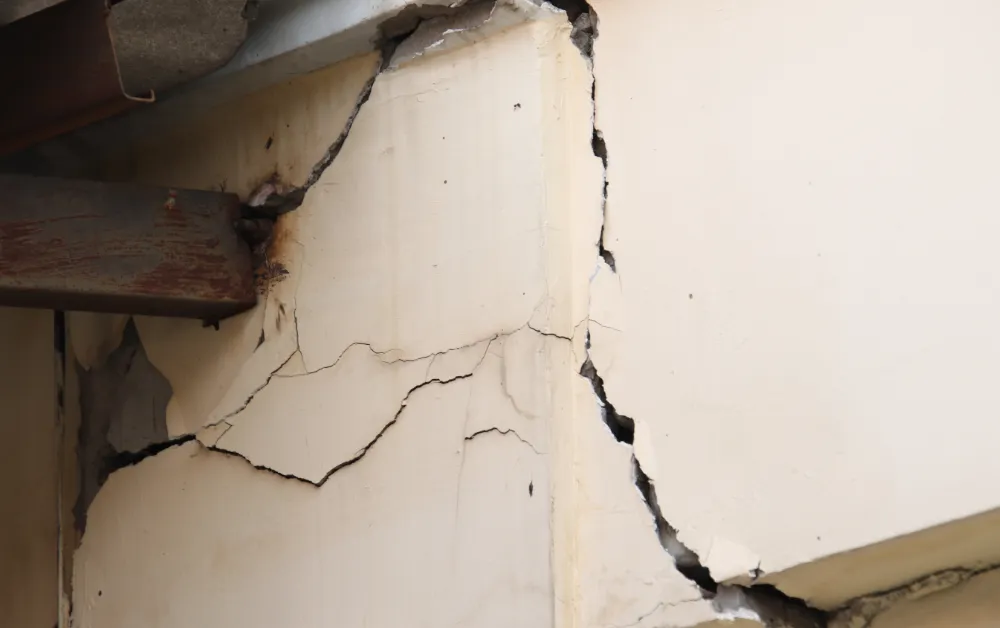
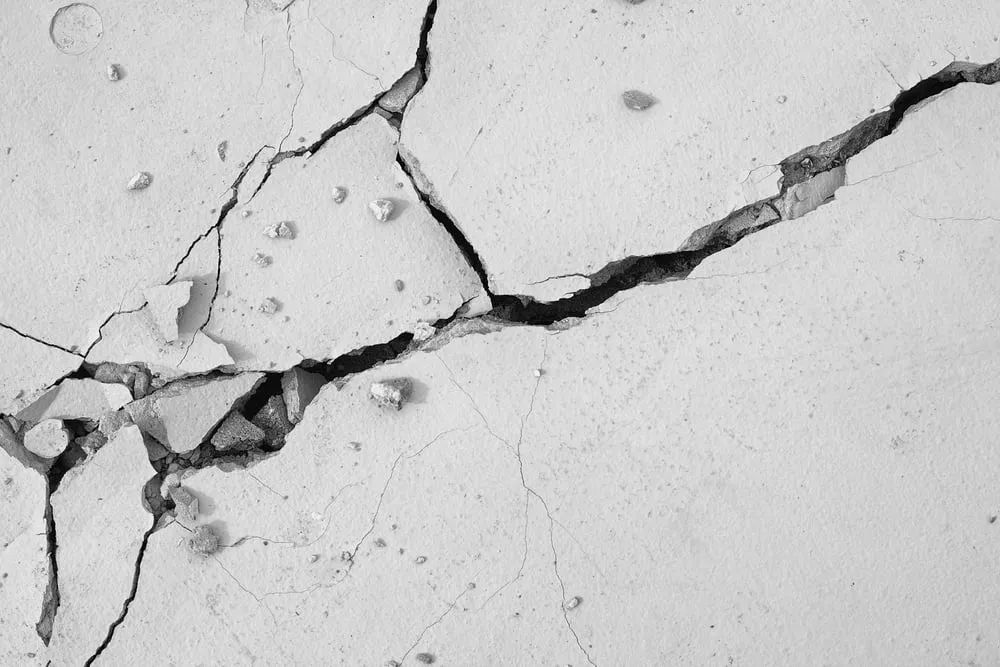
Common building defects and risks can pose serious safety hazards and lead to costly repairs if not addressed promptly. Structural issues such as cracks in walls or foundations, uneven floors, or sagging roofs are some of the common defects that need immediate attention.
Nonstructural elements like plumbing problems, ventilation issues, or electrical faults can also create risks for occupants. It is important to conduct thorough defect inspections to identify these concerns and ensure that they are rectified according to building codes and standards.
A satisfactory building inspection report will provide an objective assessment of current structural issues and help prevent future disasters by addressing them in a timely manner.
Differences between a defects report and an expert witness report
A defects report and an expert witness report serve different purposes in building inspections. A defects report is a comprehensive assessment of the current structural issues, defects, and safety hazards present in a property.
It provides an objective evaluation of both the structural and nonstructural elements of the building, including plumbing issues, ventilation problems, roofing damage, and more. On the other hand, an expert witness report focuses on providing expert testimony or opinion on specific construction faults or defect rectification.
This type of report is often used in legal proceedings to support claims or disputes related to building maintenance or compliance with building regulations. Both reports play crucial roles in identifying and addressing potential risks but have distinct functions within the context of building inspections.
Major and minor defects reports
In a building defects inspection, two types of reports are commonly generated: major and minor defects reports. These reports outline the structural and nonstructural issues found during the inspection.
Major defect reports focus on significant faults that need immediate attention to ensure safety and prevent future disasters. On the other hand, minor defect reports highlight superficial or less urgent issues that should be addressed to maintain the overall quality of the property.
Building inspectors play a crucial role in identifying these defects and providing objective findings in their thorough inspection reports.
Common Problems Discovered During Inspection
Plunging into a building defects inspection might feel like embarking on an excavation, unearthing buried concerns that can range from minor concerns to substantial system failures. Licensed building inspectors, armed with their trained eyes, often unveil a diverse set of commonly encountered issues.
Incomplete construction, problems with fire separation walls, plumbing hiccups, unwelcome pest infestations, damage on the rooftop, or ventilation woes, these defects often lurk beneath the property’s perceivable surface. Left unidentified or unaddressed, these can escalate into safety hazards or disastrous incidents that impact the building’s sanctity.
As we proceed, we’ll unearth further insights into these inspections, revealing why these regular checks are indispensable and how they guide the creation of comprehensive reports, helping avoid the escalation of such problems, maintaining safety standards, and prolonging the property’s longevity.
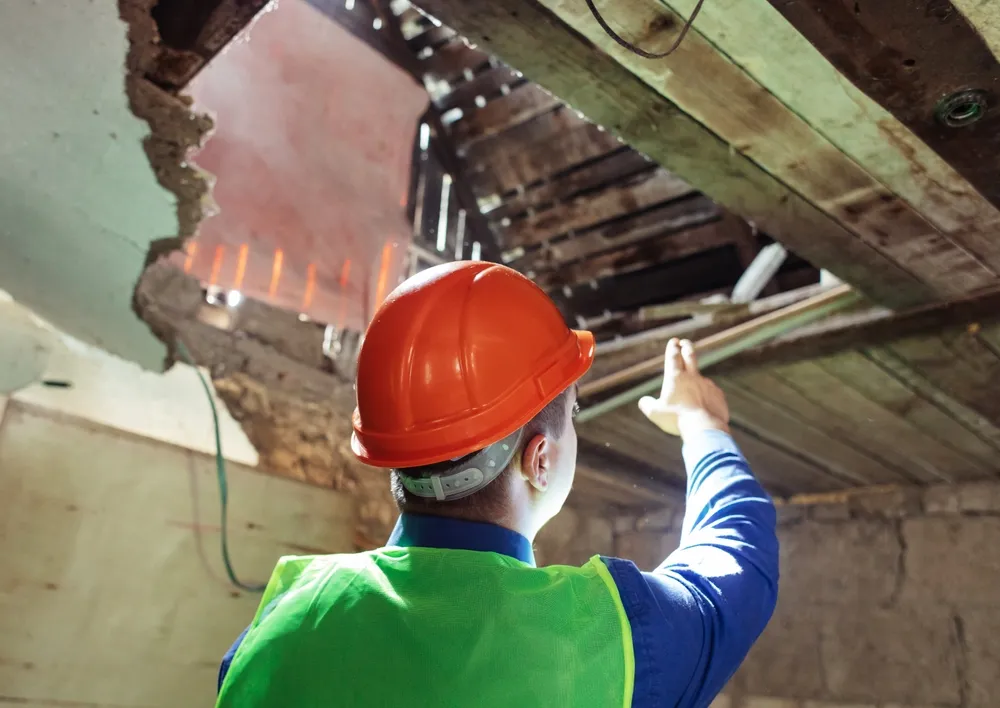
Incomplete construction
During a building defects inspection, one of the common problems that may be uncovered is incomplete construction. This refers to areas of the property that have not been finished or built according to the approved plans and specifications.
It could include unfinished walls, missing fixtures, or incomplete electrical wiring. Incomplete construction can pose safety hazards and compromise the structural integrity of the building.
A thorough building inspection report will identify these issues and provide recommendations for remediation. It’s crucial for homeowners, engineers, architects, and real estate agents to address incomplete construction promptly to ensure their property meets building codes and standards.
Fire separation walls
Fire separation walls are an important aspect of building inspections. These walls are designed to prevent the spread of fire between different sections or units in a building. During a thorough inspection, licensed building inspectors will check for any issues with fire separation walls, such as cracks, gaps, or compromised materials that could compromise their effectiveness.
It is crucial to ensure that these walls are in good condition and meet the necessary safety standards to protect occupants and minimize the risk of fire spreading throughout the building.
Plumbing issues
Plumbing issues can be a common problem discovered during building inspections. These issues can include leaking pipes, blocked drains, and faulty fixtures. It is important to address plumbing problems promptly as they can lead to water damage, mold growth, and structural issues.
During a thorough inspection, licensed building inspectors will assess the condition of the plumbing system and identify any current or potential issues. A detailed report will provide homeowners with valuable information about the state of their plumbing and recommendations for necessary repairs or maintenance.
Regular inspections can help prevent future disasters by ensuring that plumbing systems are functioning properly and avoiding costly repairs down the line.
Pest infestations
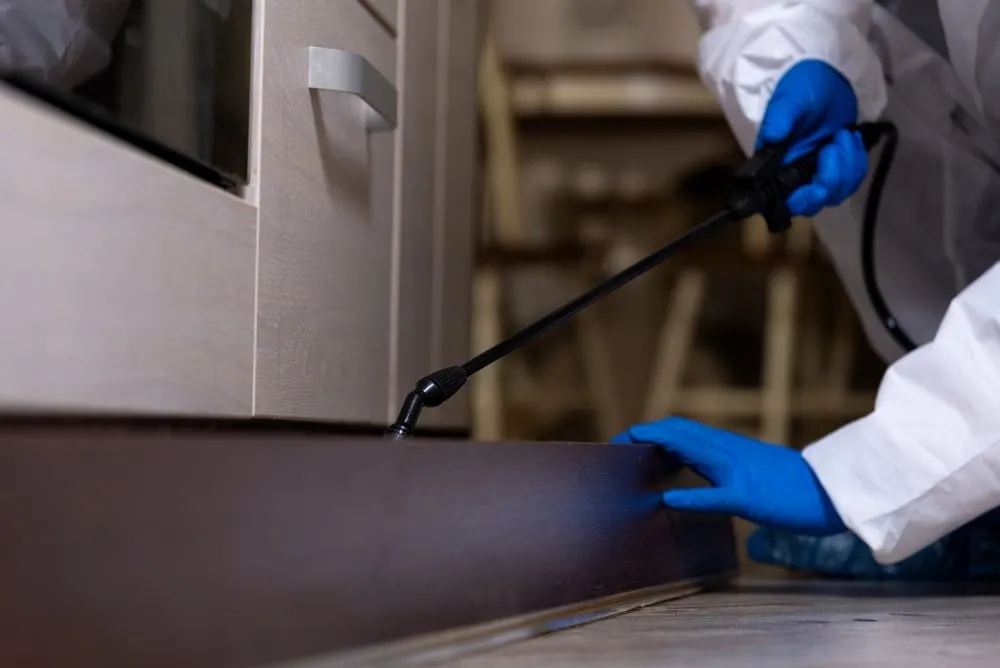
Pest infestations can be a major concern in building inspections. Termites, rodents, and other pests can cause significant damage to both the structure and the health of occupants.
In a thorough inspection, licensed professionals will assess for signs of infestations, such as droppings, nests, or visible damage caused by pests. If any infestations are detected, it is important to address them promptly with the help of a pest inspector to prevent further damage and ensure the safety of the building.
Roofing damage
Roofing damage is a common problem discovered during building inspections. It can include issues such as missing or damaged shingles, leaks, and improper installation. Detecting roofing damage is crucial because it can lead to structural issues, water damage, and even mould growth if left untreated.
Licensed building inspectors thoroughly assess the condition of the roof to provide an objective report on its current state. This helps homeowners make informed decisions about repairs or replacements to avoid future disasters and ensure the safety of their property.
Ventilation problems
Ventilation problems can have a significant impact on the safety and comfort of a building. As homeowners, it’s crucial to be aware of any ventilation issues that may arise during a building inspection.
Building inspectors, engineers, architects, and interior design specialists should pay close attention to these problems as well. Poor ventilation can lead to unpleasant odours, mould growth, and even health risks such as respiratory issues.
It is essential to address ventilation problems promptly to ensure proper air circulation throughout the property and maintain a healthy indoor environment for everyone involved in the building project or living in the space.
Furthermore, real estate agents should also be aware of ventilation problems as they can affect property value and attractiveness to potential buyers or tenants. Legal office personnel must also familiarize themselves with these issues to prevent any legal complications down the line.
By conducting thorough inspections and addressing any ventilation concerns early on, all parties involved can achieve satisfactory outcomes and ensure compliance with relevant building codes and standards regarding ventilation requirements.
Importance of Regular Inspections and Reports
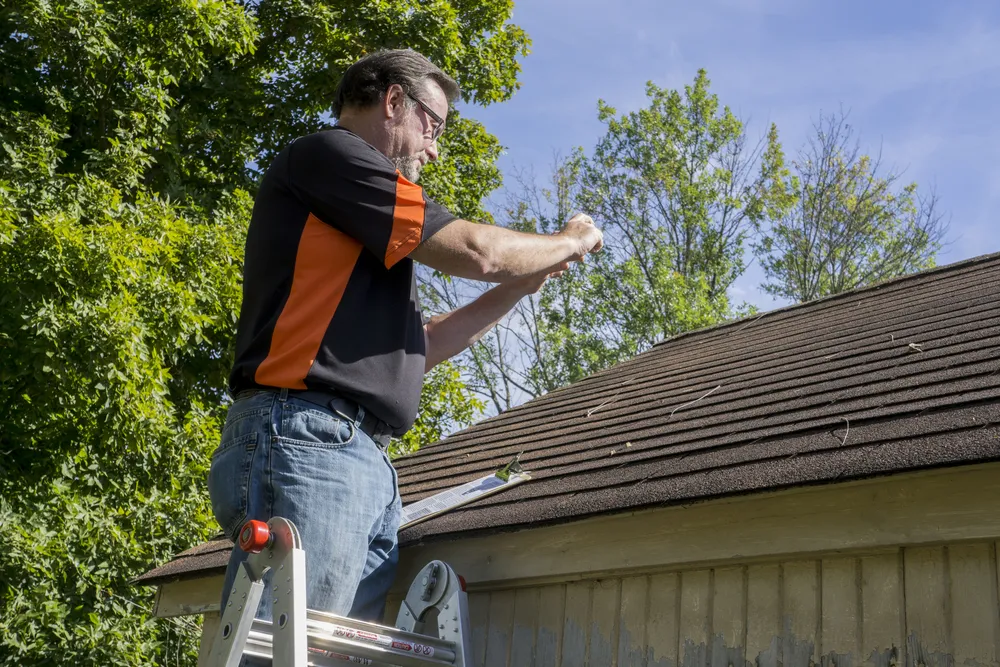
Regular inspections and reports are crucial for ensuring the safety of a building and avoiding future disasters. They help uncover hidden defects, reveal pest infestations, and address any plumbing or ventilation problems.
With quick turnaround times for reports, homeowners can have peace of mind knowing that their property is in good condition. It’s essential to look for an objective and satisfactory building inspection report that goes beyond just identifying superficial defects.
By prioritizing regular inspections and thorough defect detection, homeowners can rectify any issues before they become major structural defects.
Ensuring safety and avoiding future disasters
Our thorough building inspections play a crucial role in ensuring the safety of your property and preventing future disasters. By identifying and addressing any current structural issues, plumbing problems, ventilation concerns, or other safety hazards, we help you maintain a secure and risk-free environment.
Our objective reports provide valuable insights into the condition of your property, allowing you to make informed decisions about necessary repairs or defect rectification. With our expertise, you can take proactive steps to avoid potential disasters and uphold the highest standards of building safety.
Hidden defects uncovered in building inspections
During building inspections, hidden defects can often be uncovered. These defects may not be immediately visible or obvious to the untrained eye, but licensed building inspectors have the expertise to identify them.
From structural issues to plumbing problems and ventilation hazards, these hidden defects can pose serious risks if left unaddressed. By conducting thorough inspections, these issues can be brought to light, helping homeowners make informed decisions about their property and potentially preventing future disasters.
Building inspection reports provide an objective assessment of the condition of a property, including any superficial defects that need rectification. This ensures that homeowners are aware of any potential issues and can take appropriate action as needed.
Revealing pest infestations
During a thorough building inspection, one of the key areas that experts focus on is revealing pest infestations. Pest infestations can cause significant damage to a property and pose health risks to its occupants.
Building inspectors use various techniques to detect pests such as termites, rodents, or cockroaches. They will inspect both the inside and outside of the property, looking for signs of infestation like droppings, nests, or chewed wood.
By identifying these issues early on, homeowners can take appropriate measures to address them before they become more serious and costly problems in the future.
Quick turnaround for reports
We provide a quick turnaround for our building inspection reports. Our team understands the importance of timely information, so we work efficiently to deliver comprehensive reports as soon as possible.
We know that homeowners, real estate agents, and other professionals rely on these reports for decision-making purposes. With our fast and reliable service, you can have peace of mind knowing that you will receive your report promptly and be able to take the necessary steps towards rectifying any identified defects or issues.
What to look for in a building and pest inspection report
In a building and pest inspection report, it is important to look for clear and detailed information about any structural issues or defects. The report should include an objective assessment of the current condition of the property, highlighting any safety hazards or potential future disasters.
Pay attention to specific areas such as plumbing and ventilation, as problems in these areas can be costly to rectify. Look for a report that provides a thorough examination of both the building’s structural elements and nonstructural elements.
Finally, make sure that the report identifies any superficial defects that may require attention or further investigation.
Call Us!
Understanding defects reports in building inspections is crucial for homeowners and anyone involved in the construction industry. These reports help identify current structural issues, detect potential safety hazards, and ensure that buildings meet necessary codes and standards.
By conducting thorough inspections and providing objective reports, licensed building inspectors play a vital role in maintaining the integrity of our buildings and preventing future disasters.