Ever found yourself pondering why defects reports are such a big deal in building inspections? Mate, you’re not alone. We too, are aware that for most Aussies, their home is probably their biggest investment.
That’s what led us to do some serious digging around to find the answers. In this yarn, we’ll shed light on just how crucial these reports can be when making the hefty decision of purchasing a property.
So buckle up and get ready for some brilliant insights into the world of building inspections!
Key Takeaways
- Defect reports are crucial for ensuring the safety of homeowners by identifying potential hazards and issues in the property during building inspections.
- These reports play a vital role in helping buyers make informed decisions before purchasing a property, as they provide detailed insights into its condition and any necessary repairs or maintenance.
- Building inspectors with experience, attention to detail, and good communication skills are essential for conducting thorough inspections and effectively communicating findings to all stakeholders.
Importance of Building Inspections
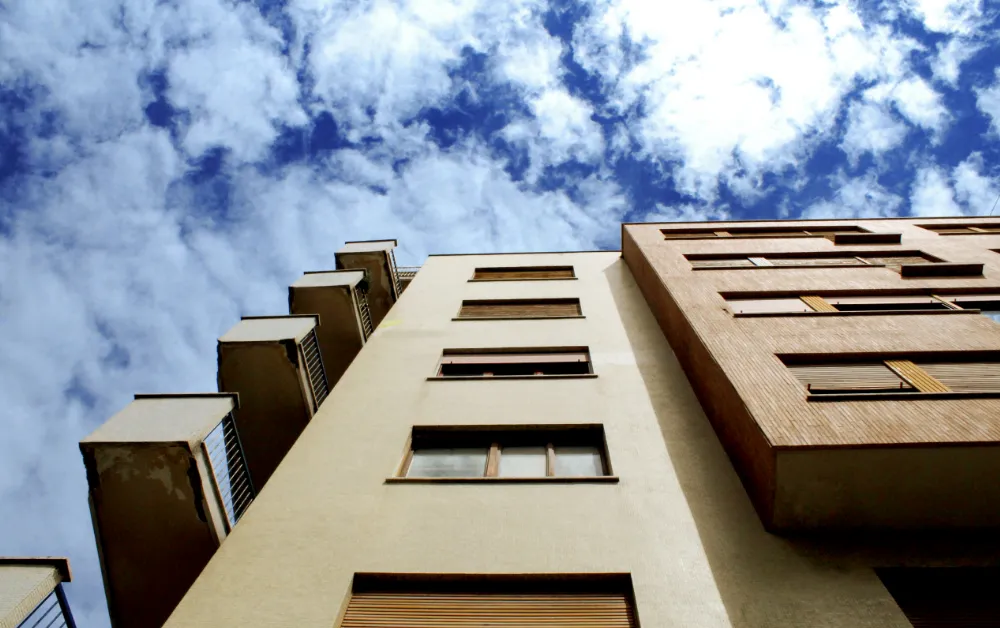
Building inspections play a pivotal role in ensuring the safety, security, and welfare of homeowners by providing a thorough health check of the property. These inspections offer a comprehensive review of the property’s condition, identifying any potential structural issues, safety hazards, or necessary repairs that could become significant problems down the line.
As a critical aspect of the pre-purchase decision-making process, detailed building inspections allow potential buyers to fully understand the quality of the property they’re investing in, providing invaluable information that helps guide their decision and negotiation strategy.
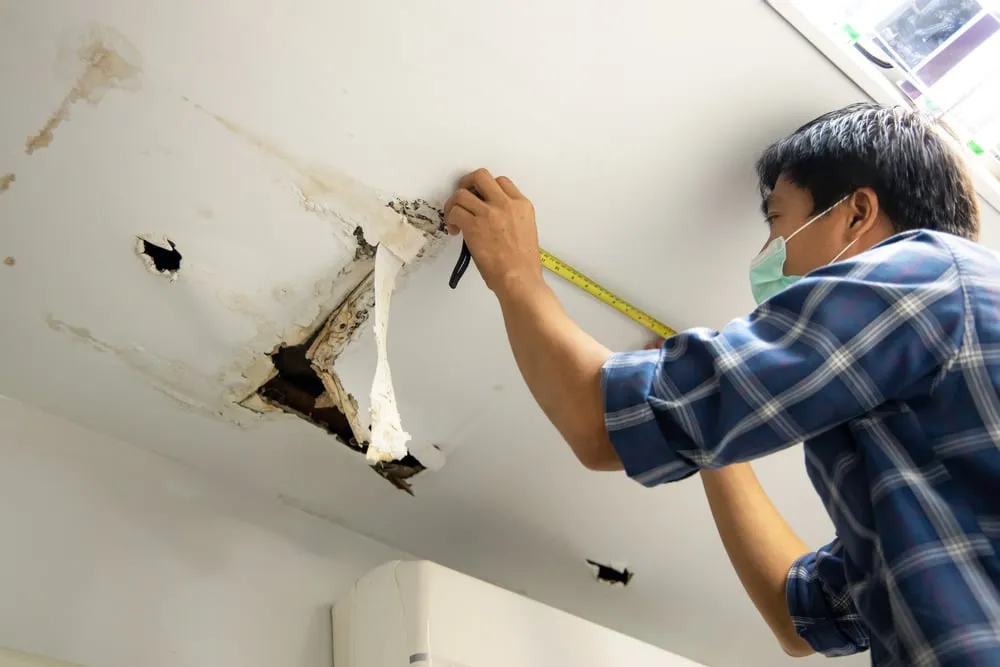
Thus, building inspections not only contribute to enhancing homeowner safety but also serve as a key tool in making informed and confident property purchases.
Ensures safety for homeowners
Homeowners can vastly reduce their risk of experiencing unexpected hazards with regular building inspections. By meticulously assessing a home’s structural strength, electrical systems, potential pest infestations and more, these inspections contribute towards safeguarding occupants from possible disasters.
For instance, identifying defective fire separation walls early can prevent the rapid spread of flames in case of a fire outbreak. Spotting plumbing issues before they escalate helps avoid water damage while discovering pest invasion on time aids appropriate control measures to be taken promptly.
Hence, comprehensive building inspections play an integral role in maintaining household safety and preserving an enjoyable living environment for homeowners.
Helps with pre-purchase decision
A pre-purchase building inspection plays a crucial role in helping homeowners make informed decisions before buying a property. By hiring an expert inspector to thoroughly assess the condition of the building, potential buyers can uncover any hidden defects or issues that could affect their investment.
A detailed inspection report provides valuable insights into the overall quality and safety of the property, enabling buyers to negotiate repairs or reconsider their purchase if necessary.
With this information in hand, individuals can confidently proceed with their pre-purchase decision, knowing that they have taken all necessary precautions to protect themselves from unexpected expenses and structural problems down the line.
What Does a Building Inspection Cover?
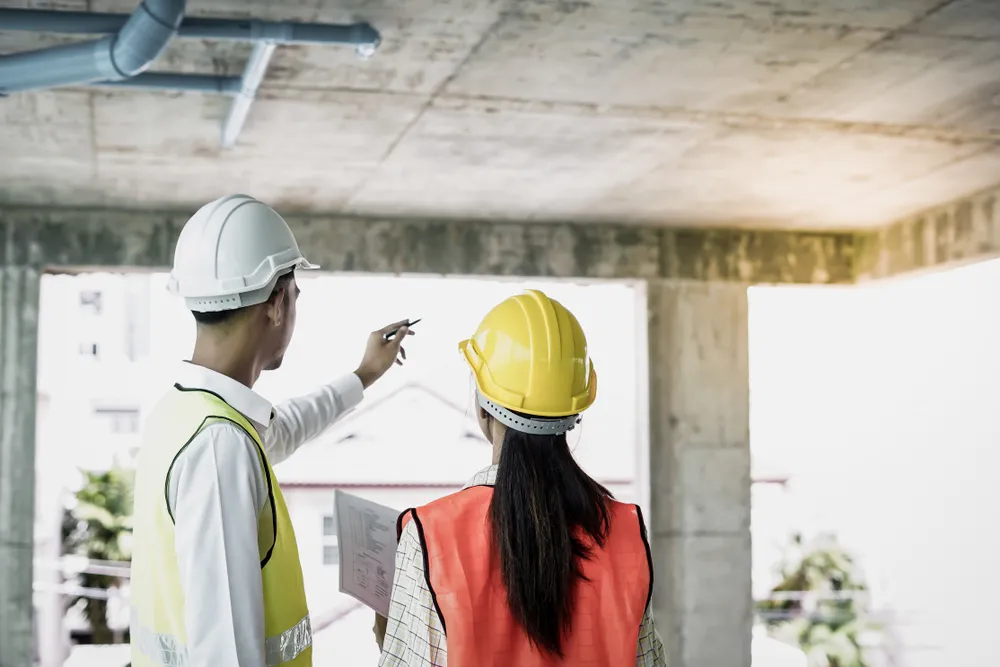
A building inspection is a comprehensive procedure that scrutinises a multitude of aspects that contribute to the overall health of a property. It begins with checking the structural integrity to ascertain the property’s foundation, walls, and beams are robust and have no significant issues that might impend safety or necessitate costly repairs.
The inspection also thoroughly evaluates the property’s electrical and plumbing systems, crucial elements that, if faulty, can cause inconvenience, safety risks, and even property damage. Another critical aspect covered in the inspection is the detection of pest infestations – unchecked pests like termites or rodents can lead to deterioration in the property’s quality over time.
Finally, the inspection includes assessing the conditions of the roofing and ventilation systems, ensuring they function optimally and contribute to an overall healthy and comfortable indoor environment.
Structural integrity
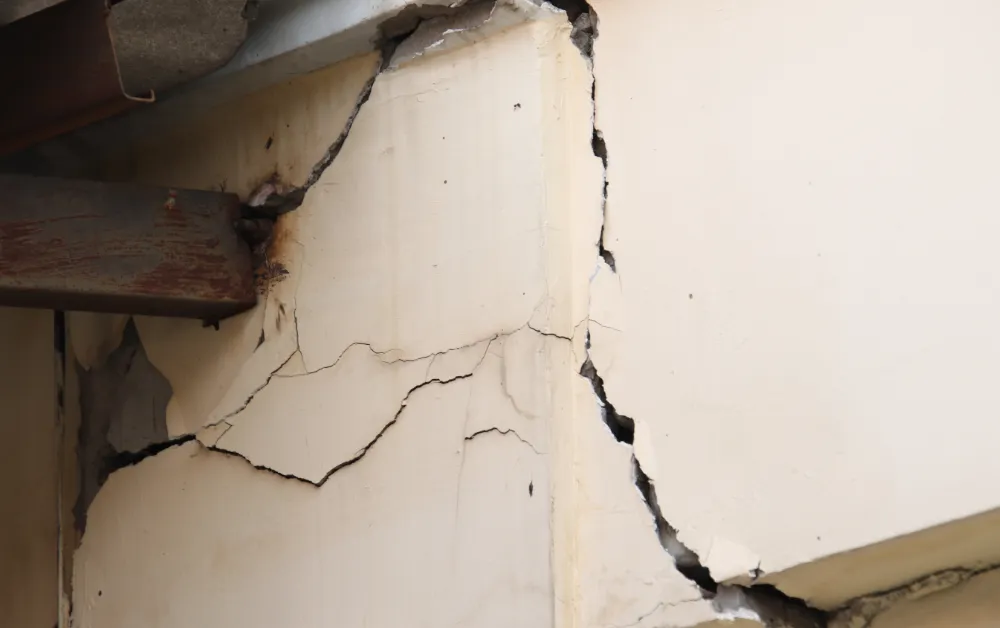
A crucial aspect of building inspections is assessing the structural integrity of a property. This involves examining the foundation, walls, roof, and other load-bearing elements to ensure they are strong and stable.
A thorough inspection helps identify any defects or weaknesses that could compromise the safety of the building. It is essential for homeowners to know if their property meets construction standards and regulations, as well as for engineers and architects to understand the condition of a structure before making design changes or renovations.
Building inspectors play a vital role in evaluating the structural soundness of properties and recommending any necessary remedial work to address defects found during inspections.
Electrical and plumbing systems
Our building inspections thoroughly assess the electrical and plumbing systems of a property. We identify any potential issues or defects that could pose safety risks or lead to costly repairs down the line.
Our expert inspectors closely examine the wiring, outlets, switches, and fixtures to ensure they are in good working order and up to code. In addition, we inspect the plumbing system for leaks, clogs, and proper water pressure.
Our detailed analysis gives homeowners peace of mind knowing their electrical and plumbing systems are safe and reliable.
Pest infestations
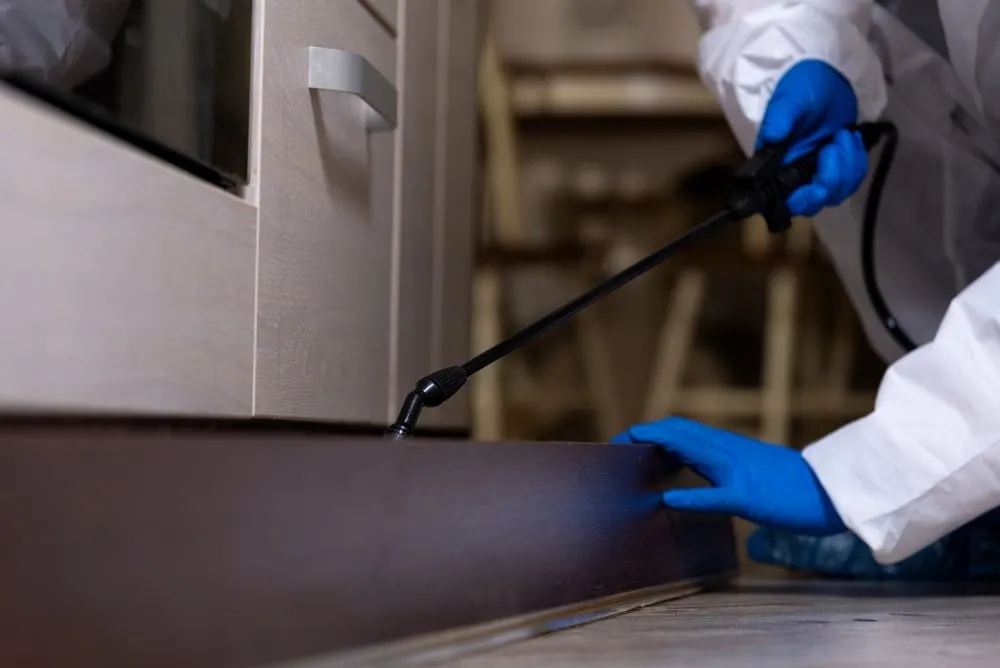
Pest infestations can be a major concern during building inspections. It is essential to identify any signs of pest activity, such as rodent droppings or termite damage. These infestations not only pose health risks but can also cause significant structural damage if left untreated.
A thorough inspection by a qualified pest inspector can help detect and address these issues early on, preventing further damage and the need for costly remedial work. By including pest infestation assessments in building inspection reports, homeowners and property managers can make informed decisions about maintenance and pest control measures to ensure the safety and longevity of their property.
Roofing and ventilation
Roofing and ventilation are crucial aspects of a building inspection. Our expert inspectors thoroughly assess the condition of roofs to ensure they are structurally sound and free from any damage or leaks that could lead to costly repairs.
Ventilation systems are also checked for proper functioning, as inadequate ventilation can result in poor air quality and potential health risks for occupants. By addressing roofing and ventilation issues during a building inspection, we help homeowners maintain a safe and comfortable living environment.
Qualities of a Good Building Inspector
A proficient building inspector is an amalgamation of several key qualities that set the foundation for a successful and effective building inspection. Experience and qualifications sit at the top, equipping the inspector with the necessary knowledge and expertise to understand complex building structures, identify issues, and anticipate potential problems.
Furthermore, a high degree of thoroughness and an unerring attention to detail are indispensable, ensuring no stone is left unturned, and even the minutest of discrepancies are detected. Excellent communication skills are also a vital aspect of a good inspector’s profile; through clear and precise communication, they should be able to relay the inspection findings effectively to the client, ensuring they are well informed about the property’s condition.

In the following sections, we delve deeper into these qualities and their importance in fostering successful, efficient, and comprehensive building inspections.
Experience and qualifications
A good building inspector should have the necessary experience and qualifications to ensure a thorough inspection. They should be knowledgeable in all aspects of building construction, including structural integrity, electrical systems, plumbing systems, roofing, and ventilation.
Their expertise allows them to identify any potential defects or issues that may require attention. By hiring an experienced and qualified building inspector, homeowners can have peace of mind knowing that their property is being evaluated by someone with the necessary skills and knowledge to provide a detailed analysis of its condition.
Thoroughness and attention to detail
We, as building inspectors, understand the importance of thoroughness and attention to detail in our work. Our expertise lies in identifying even the smallest defects and potential issues that could impact the safety and integrity of a property.
From inspecting the structural components to assessing electrical systems and plumbing installations, we leave no stone unturned. By meticulously examining every aspect of a building, we ensure that our clients have a comprehensive understanding of its condition.
With our detailed analysis and precise recommendations for remedial work, homeowners can make informed decisions about their properties.
As professionals in this field, we know that our attention to detail goes beyond just identifying visible defects. We also consider maintenance issues, compliance with building codes, fire safety measures, and pest control procedures.
Our goal is to provide accurate building inspection reports that serve as valuable tools for property evaluations. With our commitment to quality control and thorough assessments, we help homeowners protect their investments by ensuring that any grievances or construction flaws are addressed promptly.
Good communication skills
Building inspectors with good communication skills play a crucial role in the building inspection. They need to effectively communicate their findings and observations to homeowners, engineers, architects, and other professionals involved.
By clearly explaining any defects or issues discovered during the inspection, they help everyone understand the severity of the problem and facilitate discussions on how best to address them.
Additionally, good communication skills also involve active listening, allowing inspectors to fully understand any concerns or questions raised by homeowners or other stakeholders.
Common Defects Found During Building Inspections
During the process of conducting building inspections, our seasoned team of experts frequently encounters a range of common defects that can significantly impact the safety and functionality of a property. Incomplete construction is one such defect, which could indicate rushed or shoddy workmanship, potentially leading to structural instability or other issues down the line.
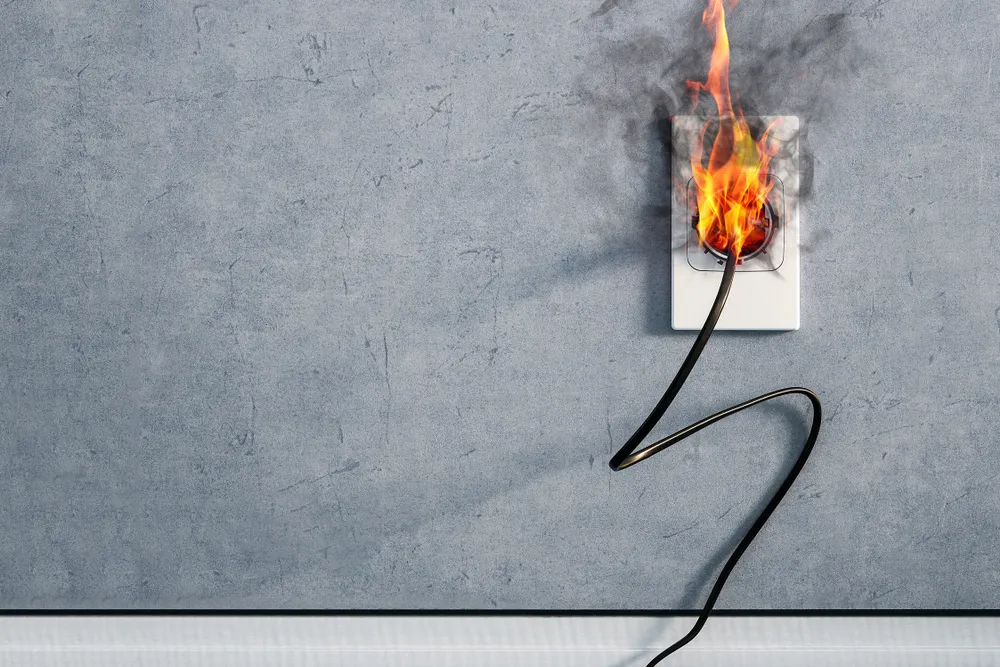
Our experts also stay alert for any fire hazards, which could include improperly installed or maintained electrical systems, inadequate fire exits, or the presence of flammable materials. Plumbing and electrical issues, often hidden behind walls or in hard-to-reach places, are other common problems that can result in leaks, power failures, or even safety hazards.
Finally, roof damage, which may sometimes be challenging to notice without a detailed inspection, can lead to water intrusion problems or energy inefficiency, posing a significant threat to the property’s integrity and the comfort of its inhabitants.
Incomplete construction
During building inspections, one common issue that inspectors often come across is incomplete construction. This refers to any areas of the building that have not been finished or properly constructed according to the plans and specifications.
These could include unfinished walls, missing fixtures, or incomplete electrical and plumbing systems. Identifying these defects is crucial because they can pose safety hazards and may require extensive remedial work to bring them up to standard.
Building inspectors carefully assess each area of the property, ensuring that all construction work has been completed as intended before providing their detailed analysis in the inspection report.
Fire hazards
Fire hazards are a serious concern in building inspections. As homeowners, it’s crucial to ensure that your property is safe from the risk of fires. Building inspectors play a pivotal role in identifying potential fire hazards during their assessments.
They thoroughly examine factors such as faulty wiring, outdated electrical systems, and inadequate fire separation walls. By detecting these issues early on, they can recommend necessary remedial work to enhance the safety of your home.
For professionals like engineers, architects, and interior design specialists involved in building projects, understanding and rectifying fire hazards is essential for compliance with building codes and ensuring quality control.
Plumbing and electrical issues
Plumbing and electrical issues are common defects that building inspections aim to identify. These issues can be a major concern as they directly impact the safety and functionality of a property.
A thorough inspection will assess the condition of plumbing systems, checking for leaks, faulty pipes, and inadequate drainage. Electrical systems will also be checked for potential hazards like faulty wiring or outdated fixtures.
Identifying these problems early on allows homeowners to address them promptly and avoid costly repairs or accidents in the future.
Roof damage
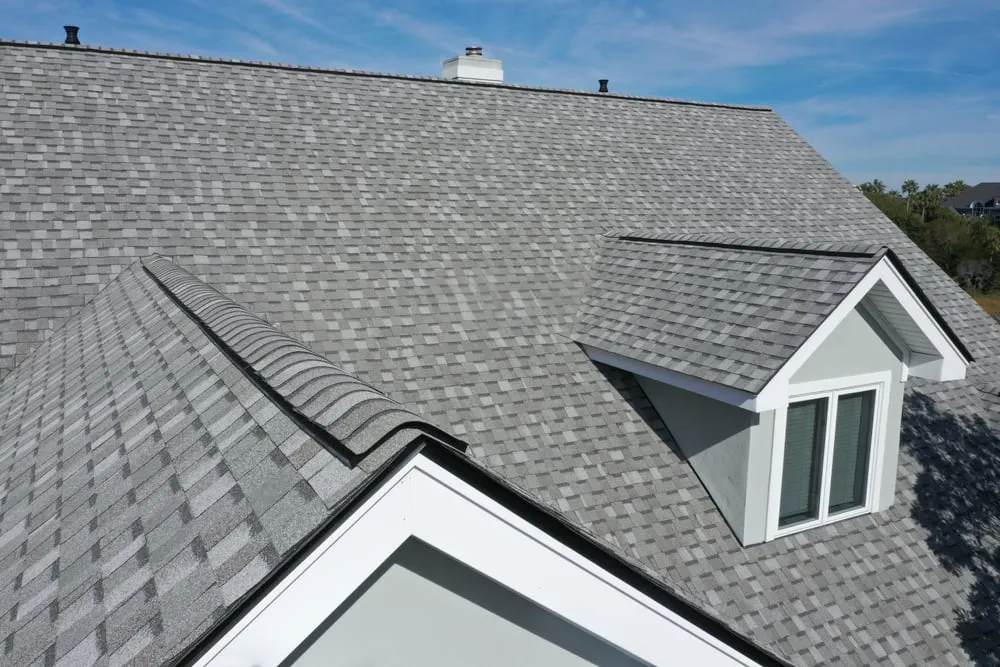
During a building inspection, one crucial area that is assessed is the condition of the roof. Identifying any damage to the roof is essential to ensure the safety and longevity of a property.
Roof damage can range from missing or broken shingles to leaks and structural issues. An expert building inspector will thoroughly examine the roof, looking for signs of wear and tear, water penetration, or inadequate ventilation.
It’s important to address any roof defects promptly as they can lead to further problems such as water damage, mold growth, and compromised structural integrity. Ensuring a sound roof is vital for protecting your investment in property and maintaining its value over time.
Call Us!
Defects reports are absolutely essential for building inspections. These reports help identify any issues or flaws in a property, ensuring the safety and well-being of homeowners. With detailed analysis and expert inspection, defects reports provide valuable information that can guide buyers in making informed decisions about their potential purchase.
By addressing and rectifying any identified defects, homeowners can ensure that their property meets the necessary standards and regulations for a secure living environment.