While the aesthetic appeal of a building can be captivating, it is equally, if not more, crucial to ensure the property’s foundations, structures, and systems are sound and safe. Peeling back the layers of a building involves a detailed defects report and a series of inspections, serving as essential safety measures. In this article, we delve into the significance of these fundamental checks.
We cover the process of identifying potential defects, the importance of inspections and an understanding of defects reports. Regardless of whether you’re a homeowner, a potential buyer, or a real estate enthusiast, it’s time to discover what truly lies beneath a building’s aesthetics and evolve our understanding of building safety.
Key Takeaways
- Building defects, such as structural issues and faulty wiring, can have serious safety consequences for occupants.
- Regular inspections and defect reports are crucial in identifying potential hazards and risks in buildings to prevent accidents and structural failures.
- Compliance with regulations and standards is essential for maintaining a safe environment within a building.
- Proactive steps during the construction phase, collaboration among professionals, and ongoing maintenance are key to building a defect-free future.
Understanding Building Defects
Building defects, differing greatly in their nature and severity, present a complex landscape that property owners and professionals must navigate to ensure a building’s safety and longevity.
These defects could span a wide spectrum, from simple cosmetic issues, such as cracks and peeling paint, to far more serious structural problems like foundation failures or roof leaks. Understanding the causes of these defects is essential, as it can unveil underlying issues, inform necessary preventive measures, and help predict future vulnerabilities.

Equipped with this knowledge, property owners or managers are better prepared to respond appropriately, safeguarding the structural integrity of the building, ensuring its safety and functionality, and potentially saving substantial amounts in future repair costs.
Types of Building Defects
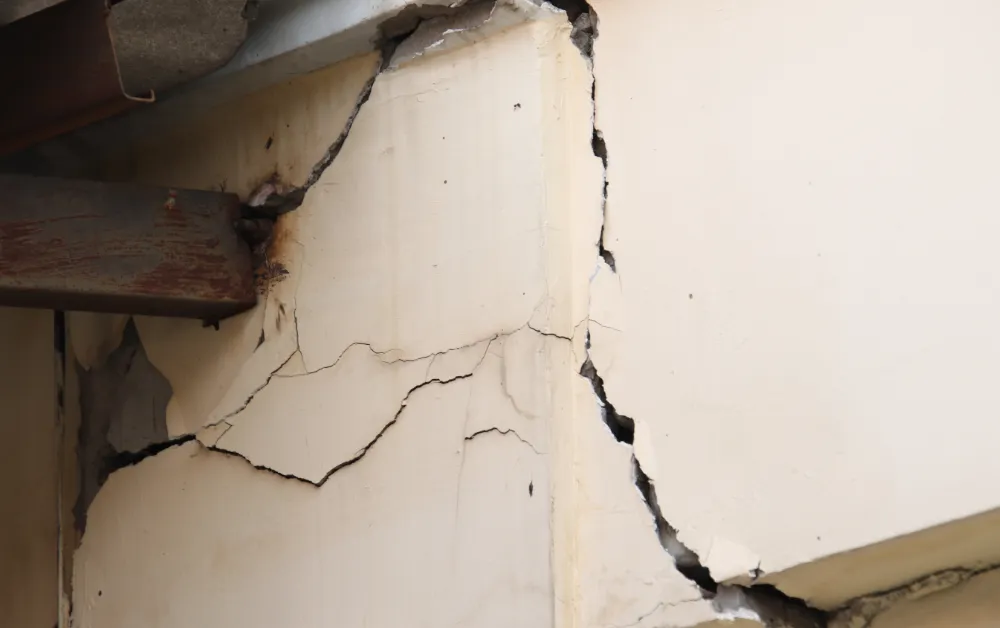
Structural defects rank among the most serious and quite common types of building flaws, leading to severe damage or even complete collapse without prompt intervention. These include foundation issues, cracked walls, and compromised roofing systems.
Moisture-related problems also pose significant risks, including mould growth from water ingress due to leaking pipes or poor waterproofing methods. Another area of concern is material degradation as buildings age; rusted metals, decaying timber, and crumbling concrete can all compromise structural integrity.
Inferior workmanship contributes to these problems as well – faulty wiring could cause fires while incorrectly installed insulation leads to energy inefficiencies. Safety hazards such as malfunctioning fire safety equipment or blocked emergency exits are crucial areas that need immediate attention during a building inspection.
Even cosmetic defects like peeling paint or stained ceilings have an impact on aesthetics but may also signal more critical hidden damages like moisture intrusion which eventually affects the overall integrity of the structure.
Causes of building defects
Building defects can arise from a variety of factors, leading to potential safety risks and costly repairs. One of the main causes is poor construction practices, such as inadequate materials or improper installation techniques.
Another common cause is design flaws, where errors or oversights in the planning phase can result in structural instability or functional issues. Additionally, natural disasters like earthquakes or floods can cause significant damage to buildings.
It’s essential for homeowners, building inspectors, engineers, architects, and other professionals involved in the construction industry to be aware of these causes and take proactive steps to prevent defects from occurring.
Severity and impact of building defects
Building defects can have significant consequences on the safety and integrity of a building. These defects can range from structural issues to problems with electrical or plumbing systems.
The severity of these defects can vary, but they all pose potential risks for homeowners and occupants. For example, structural deficiencies can lead to collapses or compromised stability, while faulty wiring could result in electrical fires.
It’s crucial to address these defects promptly to ensure the safety of everyone involved and prevent further damage to the property.
Importance of Defects Reports and Inspections
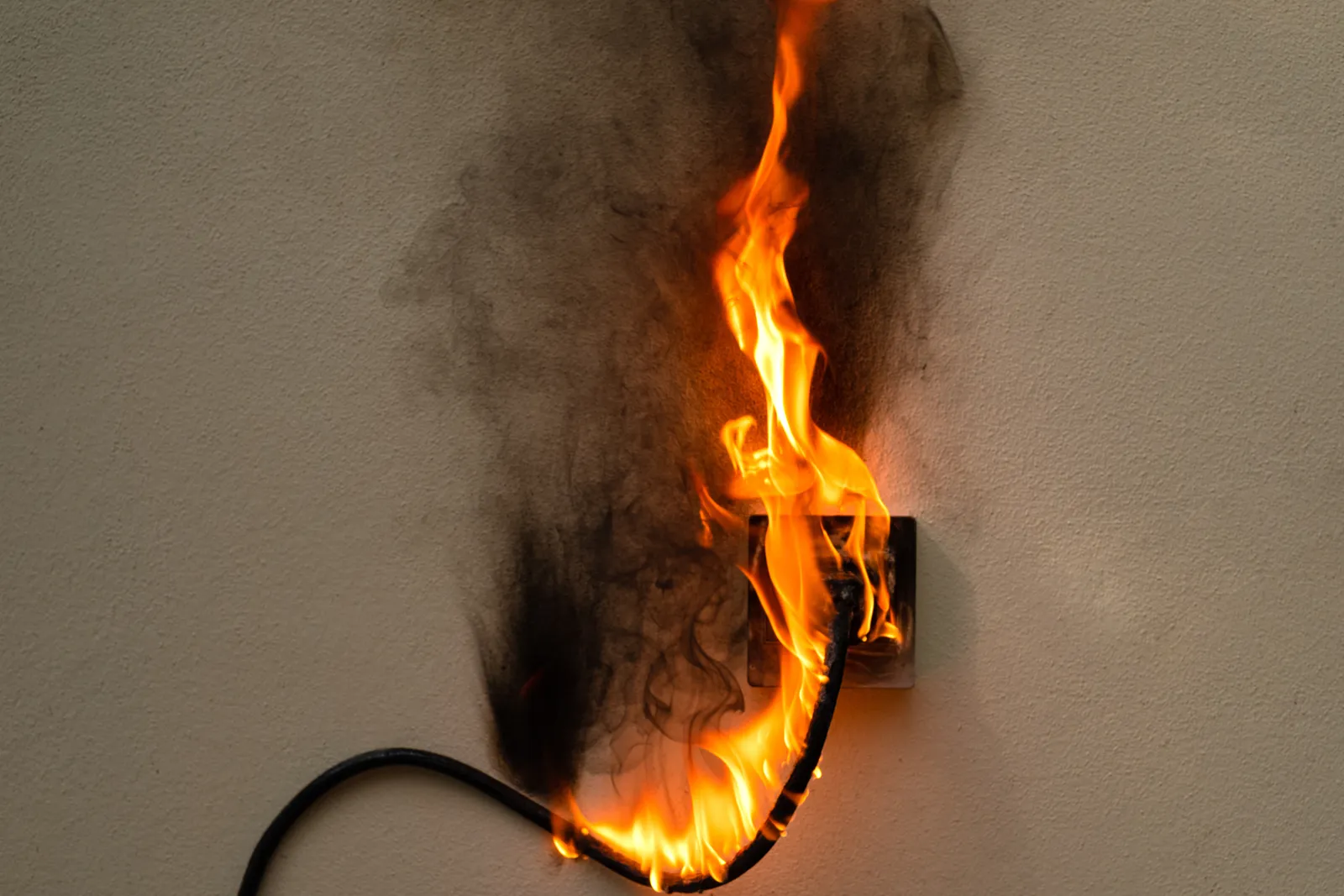
Defect reports and inspections stand as the first line of defence in safeguarding a building’s structural integrity, making them vital safety measures for any property.
By meticulously probing for potential hazards and risks, these inspections can uncover issues that might otherwise remain undetected until they cause significant damage or even result in structural failures.
Moreover, these reviews play a significant role in ensuring compliance with local regulations and building standards, thus ensuring the legal standing of the property. Also, since they serve to prevent serious accidents that could arise from unnoticed defects, these reports and inspections are a key asset in maintaining the safety and well-being of those who interact with the building, be they inhabitants, workers, or visitors.
Safety measures and prevention
Ensuring the safety of buildings and their occupants is of utmost importance. Implementing effective safety measures and prevention strategies can help prevent accidents, injuries, and damage caused by building defects.
By conducting regular inspections, potential hazards and risks can be identified early on, allowing for timely repairs or modifications to eliminate these dangers. Compliance with regulations and standards is essential to maintain a safe environment within a building.
Building inspectors, engineers, architects, and other professionals play a crucial role in ensuring that safety measures are implemented throughout the design, construction, maintenance, and renovation phases.
Identifying potential hazards and risks
Identifying potential hazards and risks is a crucial step in ensuring the safety of a building. By conducting thorough inspections, homeowners, building inspectors, engineers, architects, interior design specialists, real estate agents, pest inspectors, and legal office personnel can identify any issues that may pose a risk to occupants or the structural integrity of the property.
These hazards can include things like faulty electrical wiring, water damage, mould growth, or structural weaknesses. By identifying these risks early on, appropriate measures can be taken to address them and prevent accidents or further damage.
Inspections also help ensure compliance with regulations and standards for building safety.
In order to effectively identify potential hazards and risks during inspections, it is important to have qualified professionals who are knowledgeable about building codes and regulations.
They should be trained in defect detection techniques and possess expertise in specific areas like electrical systems or plumbing. Additionally, using advanced technologies such as defect detection systems can aid in pinpointing defects more accurately.
Ensuring compliance with regulations and standards
We take the safety of your property seriously. That’s why we ensure that all our inspections and reports comply with the relevant regulations and standards set by Australian authorities.
By adhering to these guidelines, we can help ensure that your building meets the necessary safety requirements. Our team of experts is well-versed in these regulations and will conduct thorough inspections to identify any potential hazards or risks.
Rest assured, we prioritise compliance to keep you and your property safe.
Defects Reports and Inspections Process
The process of generating defects reports and conducting inspections is a complex journey that we’re prepared to guide you through, keeping safety measures firmly in place at every phase of your building project.
Beginning with the initial planning and design stages, we work closely with you to identify potential problem areas and formulate solutions even before construction commences. As the project progresses into the construction and quality assurance stages, we ensure that all structural elements meet the predefined safety and quality standards, thereby minimising the risk of future defects.

The journey continues well beyond the completion of construction, extending into the maintenance and post-construction phases where we carry out regular inspections to detect and attend to any arising issues promptly. Read on to uncover more about how our meticulous and comprehensive approach to the defects reports and inspections process can be your guiding light towards a defect-free, safe, and robust building future.
Planning and design phase
During the planning and design phase of a construction project, careful consideration must be given to potential building defects and safety measures. Engineers, architects, and interior design specialists play a crucial role in ensuring that the design is not only aesthetically pleasing but also meets all relevant building codes, regulations, and standards.
By incorporating risk control measures from the beginning, such as hazard elimination and proper material selection, we can minimise the chances of future defects arising. This proactive approach during the planning stage sets a solid foundation for a defect-free future in construction or renovations.
Construction phase
During the construction phase, it is crucial to conduct regular inspections and defects reports to ensure building safety. Building inspectors, engineers, and architects play a vital role in this process, identifying potential hazards and risks that may arise during construction.
They work closely with contractors and builders to ensure compliance with regulations and standards. It is important for homeowners and real estate agents to understand that these inspections are essential for creating a defect-free future.
By addressing any issues during the construction phase, we can minimise risks and prevent future problems in residential buildings.
In addition, collaborating research efforts among industry professionals helps gather valuable data on common building defects encountered during the construction phase. These insights allow us to learn from past mistakes and adopt proactive steps for new constructions or renovations.
Quality assurance and testing
We ensure quality assurance and testing throughout the construction process to uphold safety standards. Our team of experts conducts rigorous inspections and tests at every stage, from planning and design to maintenance and post-construction.
These measures help us identify any potential defects or hazards that may compromise the safety of your property. By adhering to strict quality assurance protocols, we minimise risks and ensure that your building meets all relevant regulations and standards.
Your safety is our top priority, which is why we leave no stone unturned when it comes to quality assurance and testing.
Maintenance and post-construction phase
During the maintenance and post-construction phases, it is crucial to ensure ongoing safety and address any potential defects that may arise. Regular inspections should be conducted to identify and rectify any issues before they become major problems.
This phase also includes proper maintenance of building systems and components to ensure their long-term functionality. It is important for homeowners, building inspectors, engineers, architects, interior design specialists, real estate agents, pest inspectors, and legal office personnel to collaborate in this phase to uphold safety standards and provide a defect-free living or working environment.
Building a Defect-Free Future
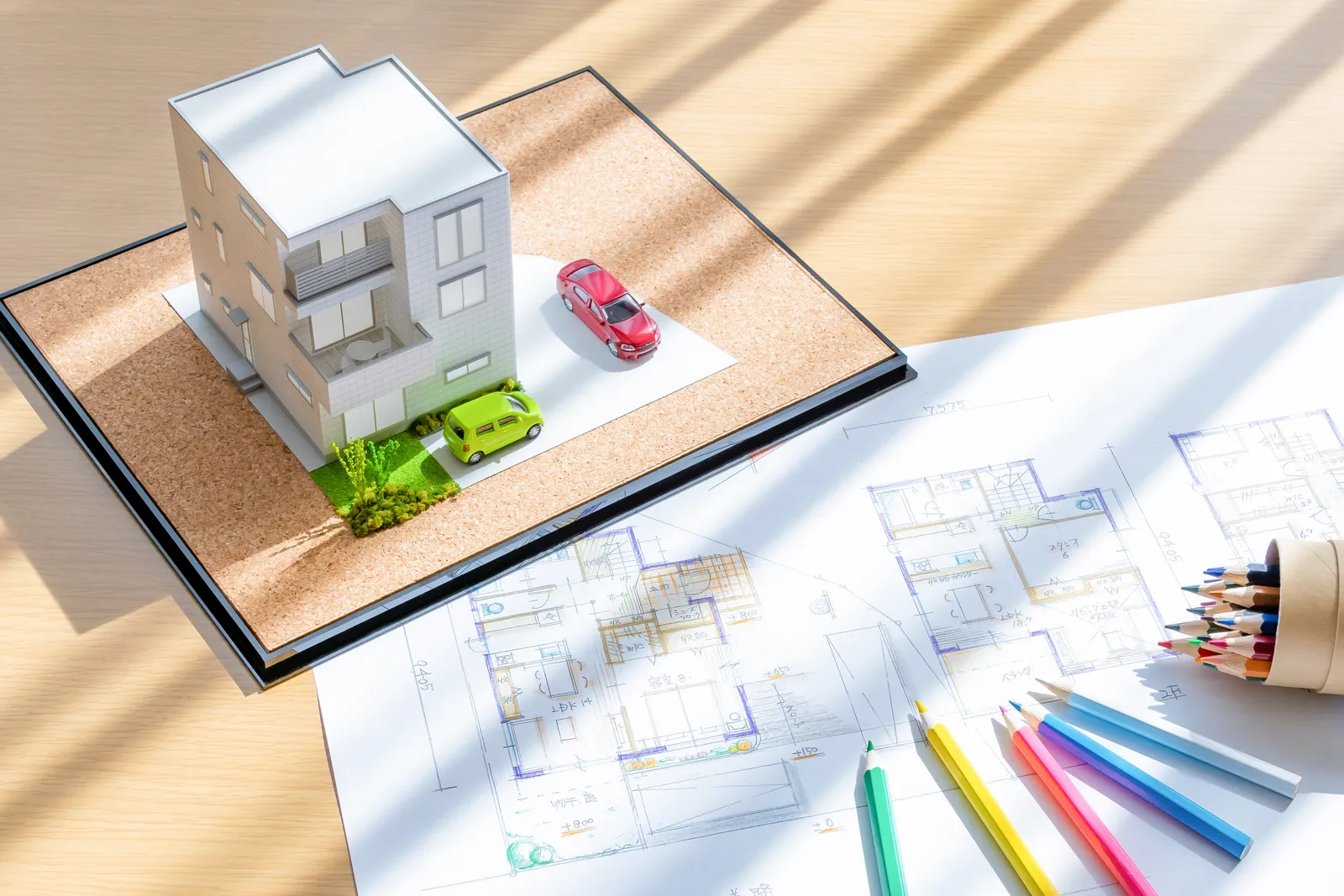
Creating a defect-free future is a desired goal in the construction industry, and achieving it requires concerted efforts and proactive strategies. When carrying out new construction or renovation projects, foresight is crucial, with careful planning, efficient execution, and rigorous testing at each stage being vital components of defect prevention.
By analysing case studies and actively participating in collaborative research, we can learn valuable lessons from past projects and implement corrective measures, enhancing the overall quality of construction.
Furthermore, seeking legal advice and professional expertise is invaluable, ensuring compliance with relevant construction laws and regulations, and benefiting from tried-and-tested industry practices. This multi-pronged approach is key to producing robust, defect-free constructions that are safe, reliable and more sustainable in the long term.
Proactive steps for new construction or renovations
When undertaking new construction or renovations, it is crucial to take proactive steps to ensure safety and minimise the risk of building defects. Firstly, it is essential to collaborate with qualified professionals such as engineers, architects, and building inspectors who can provide expertise in identifying potential hazards and risks.
By involving them from the planning and design phase through construction and post-construction maintenance, you can ensure that safety measures are implemented effectively.
Additionally, conducting regular property condition assessments and inspections throughout the construction process helps identify any defects early on. This allows for timely repairs or replacements before they become major issues.
Following building codes, regulations, and standards is also vital in ensuring compliance with safety regulations.
Taking legal advice when necessary can provide guidance on liability issues related to defective construction. Seeking professional expertise not only ensures quality work but also helps safeguard against potential risks.
Case studies and lessons learned
We have gathered valuable insights from case studies and learned important lessons about building defects and inspections. These real-life examples highlight the significance of defect reports and inspections as a safety measure.
By examining past experiences, we can better understand the types of defects that can occur in residential buildings and their potential impact on safety. Through these case studies, we also see the importance of thorough inspections in identifying hazards and risks before they escalate.
This knowledge empowers homeowners, building inspectors, engineers, architects, interior design specialists, real estate agents, pest inspectors, and legal office personnel to take proactive steps towards ensuring building safety.
Collaborative research efforts in addressing building defects
Collaborative research efforts play a crucial role in addressing building defects and improving the safety of our buildings. Researchers, experts, and industry professionals come together to identify common types of defects, analyse their causes, and develop effective solutions.
Through these collaborative efforts, valuable insights are gained on how to prevent defects from occurring in the first place. By sharing knowledge and expertise, we can work towards a future where buildings are free from defects and provide safe environments for occupants.
Taking legal advice and seeking professional expertise
We understand that when it comes to dealing with building defects, taking legal advice and seeking professional expertise is crucial. It’s important to consult with qualified experts who have experience in dealing with construction defects and can provide accurate guidance on your rights and responsibilities.
They can help you navigate through complex legal processes, assess the severity of the defects, and determine the best course of action for resolution. Their expertise will ensure that you make informed decisions based on your specific situation and protect your interests throughout the process.
Taking this step will give you peace of mind knowing that you are getting the right advice from professionals who have your best interests at heart.
Call Us!
Defects reports and inspections play a crucial role in ensuring the safety of buildings. By identifying potential hazards and risks during the planning, construction, and maintenance phases, these measures help to prevent accidents and ensure compliance with regulations and standards.
It is important for homeowners, building inspectors, engineers, architects, interior design specialists, real estate agents, pest inspectors, and legal office personnel to recognise that building defects can have serious implications for the safety of occupants.
Taking proactive steps such as seeking professional expertise and following safe design processes is essential in creating a defect-free future for our buildings.