
Strata living has its unique set of advantages and obligations, making the process of purchasing a strata property slightly different as compared to other properties. A vital aspect of this process, also one of the most misunderstood areas, is the strata inspection.
Understanding what it involves, knowing what to expect, and having clear expectations can often feel like attempting to solve a complex puzzle. Our goal in this article is to simplify and demystify these inspections, shedding light on their importance, their process, and how to make the most out of them.
We’ll help you discern what strata inspections entail and clarify what you should discern and anticipate throughout this pivotal part of your property purchase journey.
Key Takeaways
- A strata inspection report is a comprehensive assessment of a property within a strata scheme, covering its physical and financial state.
- The report evaluates compliance issues with strata laws, identifies potential risks and defects, and provides insights into maintenance work required in the future.
- Strata inspection reports are crucial for making informed purchasing decisions by understanding the condition of the property and the terms of the strata agreement.
What is a Strata Inspection Report?
The crux of understanding a property under a strata scheme rests within a meticulously compiled Strata Inspection Report. Serving as an in-depth narrative of the property’s health, this report is a result of a comprehensive assessment that leaves no stone unturned.
Its central aim is to flesh out any lurking risks, unseen defects, or compliance issues that could unexpectedly pull down the value or compromise the livability of the property. In capturing these shortcomings or potential areas of concern, the report spins a detailed tapestry of the strata property’s strengths and weaknesses.
Therefore, a Strata Inspection Report serves as a reliable road map for prospective buyers or current owners, charting out any necessary course corrections needed to ensure their property is not just compliant, but truly a valuable and comfortable space to reside in.

Definition and purpose
A Strata Inspection Report serves as a crucial tool for potential property buyers. It delivers a detailed examination of a building’s physical and financial state within a strata scheme, covering everything from any compliance issues to the health of the Capital Works Fund.
This report aims to provide transparency about all existing and future issues concerning the property, assisting prospective owners in making an informed decision based on precise details rather than surface observations alone.
What it covers
The Strata Inspection Report is a comprehensive assessment tool that encapsulates a 360-degree view of the property’s condition, risks, and compliance status. It meticulously navigates through every segment of the property, examining structures, common areas, and individual units, and subtly looking for signs of damage, neglect or potential risks.
Extending beyond observational examination, the report scrutinises alignment with strata laws and regulations and forecasts any upcoming maintenance or repair work. Furthermore, professional inspectors unravel the story behind the building through examination of records such as financial statements, meeting minutes, and insurance policies, looking for red flags that could affect your ownership joy or investment value.
Offering this detailed lens on both the physical and operational aspects of the property, a strata inspection report opens doors to valuable insights, enabling the buyers to build a comprehensive understanding of the property and make informed decisions accordingly.
Importance of Strata Inspection Reports

Envision a treasure chest filled with relevant and crucial information about your prospective or current strata property. That’s exactly what strata inspection reports are, serving as a comprehensive audit that helps build a detailed understanding of the property.
These reports are essential for meticulously identifying potential risks and defects that could impact the property’s value or safety. They delve deeper than surface-level aesthetics and amenities, unravelling the inner workings and inherent issues that might lie concealed. Beyond just the physical aspects, these reports also provide essential insights into the strata agreement, helping owners or potential buyers understand the roles, responsibilities, and rules within the strata scheme.
By compiling this wealth of information, strata inspection reports become a torchbearer to informed purchasing decisions, enabling prospective owners to make a well-considered choice about stepping into the strata living sphere.
Identifying potential risks and defects
During a strata inspection, one of the main objectives is to identify potential risks and defects within the property. This is crucial for homeowners, building inspectors, engineers, architects, interior design specialists, real estate agents, pest inspectors, and legal office personnel involved in the process.
By actively assessing various aspects of the property’s structure and condition, such as plumbing systems or electrical wiring setups, potential issues like leakages or faulty installations can be detected early on.
Identifying these risks and defects allows stakeholders to take appropriate measures to address them before they become major problems down the line.
Understanding the strata agreement
The strata agreement is a crucial document that outlines the rights and responsibilities of all parties involved in a strata scheme. It is important to thoroughly understand this agreement, as it sets the rules for living within the community and provides clarity on issues such as maintenance, repairs, and by-laws.
By familiarising yourself with the strata agreement, you can ensure that you comply with the regulations and contribute positively to the harmonious functioning of your property.
Making informed purchasing decisions
Navigating the property purchase journey requires insightful decisions, made possible by key tools like the Strata Inspection Report. This report brings to light valuable information about a building’s condition, potential risks, and defects, translating into educated choices by potential buyers.
Enlisting the help of a professional strata inspector provides a deeper dive into the property’s history, maintenance records, and compliance issues. This knowledge enhances the purchaser’s ability to determine if the investment is worthwhile and strengthens their negotiating potential.
Beyond looking at just the bricks and mortar, the strata inspection report also unravels the intricacies of the strata agreement, including by-laws, common areas, financial statements, and more. This insight-reinforcing mechanism helps potential buyers align their lifestyle choices with the strata scheme norms and sidestep any undesirable surprises in the future.
What to Expect from Strata Inspections
Stepping into the meticulous world of strata inspections can seem daunting, but understanding what to expect can lay many uncertainties to rest. The heart of a strata inspection lies within an extensive scrutiny of property records. This detailed dissection brings forward a thorough understanding of the property’s history, current status, and any potential future concerns.
The true value of this assessment emerges as it goes beyond mere observations, delving into the identification of any red flags or issues that could prove problematic down the line. But an inspection doesn’t stop at simply pointing out these concerns.
It extends into expert recommendations for further investigation where needed, providing homeowners or prospective buyers with a clear roadmap of action items to fully understand the magnitude and implications of identified issues. This robust process ensures the strata inspection provides a comprehensive, insightful and actionable analysis of the property.

Detailed assessment of property records
During a strata inspection, one important aspect that is thoroughly assessed is the property records. This involves examining documentation related to the building’s construction, maintenance, and any previous repairs or renovations.
By conducting a detailed assessment of these records, potential issues or concerns can be identified. Whether it’s uncovering past structural damages, plumbing problems, or compliance issues with building regulations, this evaluation helps ensure buyers have a complete understanding of the property’s history and condition.
It provides valuable insights that aid in making informed purchasing decisions and clarifying any doubts about the property’s value and long-term maintenance requirements.
Identification of red flags
Identifying red flags is a crucial part of the strata inspection process. During the assessment, potential risks and defects that may affect the property’s value and livability are carefully examined.
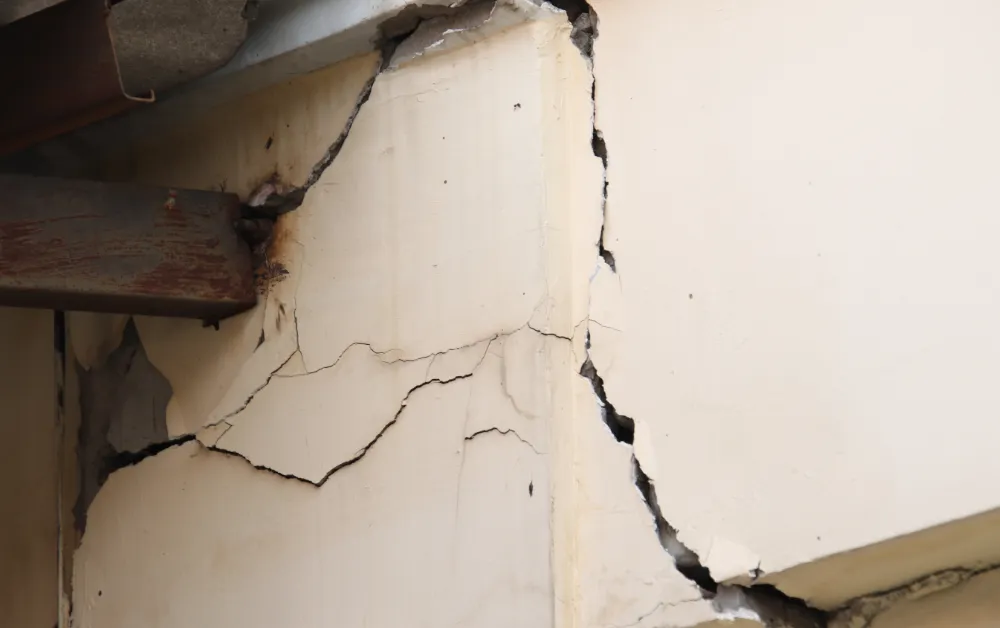
Red flags can include issues such as structural damage, plumbing or electrical problems, pest infestation, or non-compliance with building codes. These red flags indicate areas that require further investigation to ensure you have a clear understanding of the property’s condition before making any purchasing decisions.
By being proactive in identifying these red flags, you can avoid costly surprises down the line and make informed decisions about your investment property.
Recommendations for further investigation
Following up on the red flags or potential risks identified in a Strata Inspection Report is an integral part of property purchase due diligence. Delving further into these matters may involve roping in specialised professionals such as engineers, architects, or pest inspectors to evaluate particular areas.
A proactive stance in addressing these issues before finalising a purchase not only evades costly future repairs and legal hiccups but secures assurance of the property’s condition and compliance.
A meticulous review of building records can highlight any discrepancies or non-compliance issues needing extra attention, which when coupled with insights from legal personnel specialising in strata regulations, provides valuable guidance. Conducting these additional investigations based on the Strata Inspection Report’s recommendations instils confidence, peace of mind, and assurance of a well-considered property purchase within a strata scheme.
How to Get a Strata Inspection Report

Securing a detailed and trustworthy strata inspection report is akin to laying the foundation for a successful strata property journey, and at the heart of this endeavour stands the choice of the inspection company. The importance of picking a reputable and experienced company specialising in strata inspections cannot be overstressed.
It’s their professionalism that ensures an unbiased, detailed report; their expertise that comprehends the nuances of strata properties; and their thoroughness that leaves no area unaudited. But this selection process isn’t merely a checkbox exercise. It plays a critical role in determining the quality of the inspection and report, which directly impacts the insights you gain about your property’s condition and influences your eventual decision.
In the following sections, we will delve deeply into how you can ensure you choose the right inspection service and obtain a comprehensive strata inspection report that aligns with your property needs and expectations.
Choosing a professional and reputable company
We recommend choosing a professional and reputable company for your strata inspection needs. It’s important to find a company that has experience in conducting thorough inspections and producing accurate reports.
Look for companies with positive reviews and satisfied customers. Additionally, consider the qualifications and certifications of the inspectors they employ. By selecting a reliable company, you can have confidence in the quality of their work and trust that they will provide you with an unbiased assessment of the property.
Factors to consider
When getting a strata inspection report, there are several factors to consider. Firstly, it is important to choose a professional and reputable company that specialises in strata inspections.
They should have experience and knowledge in assessing the unique complexities of strata properties. It’s also crucial to ensure that the inspection is thorough, covering all aspects of the property from building structures to pest infestations.
Additionally, make sure that the inspector provides detailed reports with clear recommendations for further investigation if any red flags are identified. By considering these factors, you can have peace of mind knowing that your strata inspection report will provide accurate and valuable information about the property you’re interested in purchasing or managing.
Importance of a thorough inspection
A thorough inspection is crucial when it comes to strata properties. By conducting a comprehensive examination, you can uncover potential risks and defects that may otherwise go unnoticed.
This ensures that you have a clear understanding of the property’s condition before making any purchasing decisions. It also allows you to identify any compliance issues that need to be addressed.
A thorough inspection provides valuable insights and helps you make informed choices, giving you peace of mind knowing that you are investing in a property with all the necessary information at hand.
When conducting a strata inspection, it is important to leave no stone unturned. By examining every aspect of the property, including its records, maintenance history, and common areas, you can identify red flags and areas for further investigation.
This detailed assessment will help you understand any potential problems or expenses associated with the property. It gives you a complete picture so that there are no surprises down the line.
Call Us!
Understanding and knowing what to expect from a strata inspection is crucial for both homeowners and potential buyers. Strata inspection reports provide valuable insights into the condition of a property, identifying any risks or defects that need attention.
By choosing a reputable company and conducting a thorough inspection, you can make informed decisions about your investment and ensure the longevity of your property. So don’t overlook the importance of a strata inspection – it’s an essential step in your due diligence process.