
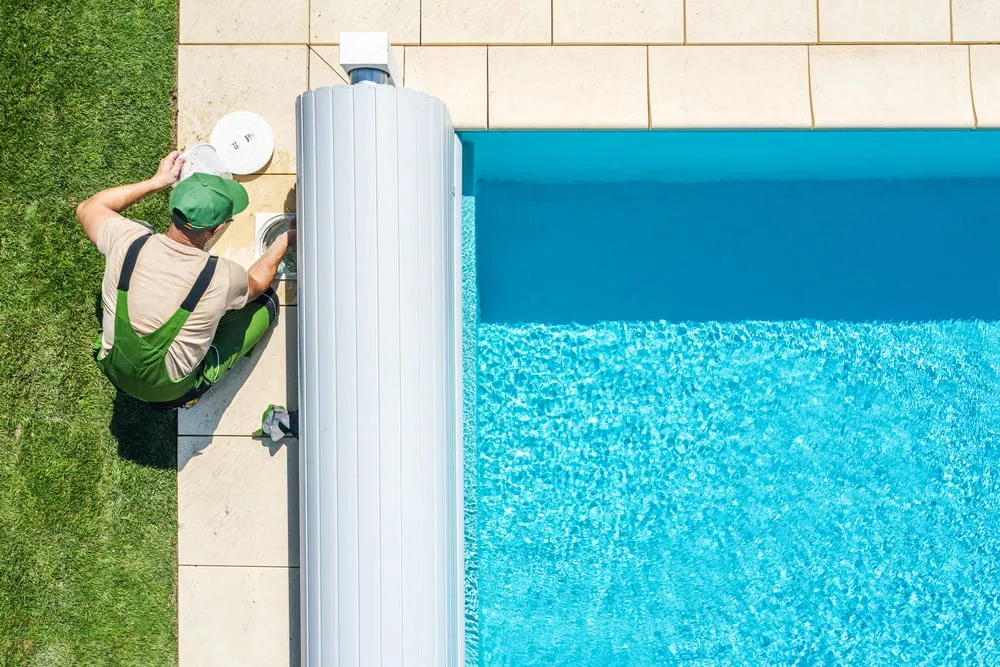
There’s nothing quite like the peace of mind that comes with knowing your swimming oasis is as safe as it is refreshing. Achieving that top-tier mark on your pool’s report card isn’t merely a matter of pride; it’s an assurance of safety and compliance with regulations. Broad, detailed safety inspections are the cornerstone of this confidence, delving into every aspect of your swimming pool’s condition and operation. From the clarity of the water to the integrity of ladders and diving boards, no stone is left unturned in pursuit of aquatic excellence.
Not only do these inspections help in maintaining the pristine condition of your pool, but they also play a critical role in securing the much-needed certification affirming your pool’s adherence to stringent safety standards.
This involves checking filtration systems, emergency readiness, and even the chemical balance, ensuring a swim that’s both enjoyable and risk-free. Dive in with us as we outline the steps to ensure your pool makes a splash for all the right reasons.
Key Takeaways
- Regular safety inspections are crucial for maintaining a safe and certified swimming pool, ensuring compliance with local regulations, identifying potential hazards, and addressing issues promptly.
- Common issues found during safety inspections include non-compliant fencing, inadequate water quality, and faulty equipment; it’s essential to take proactive measures to rectify these issues.
- Adhering to local regulations for pool barriers, water quality standards, and equipment maintenance not only ensures the safety of swimmers but also adds value to your property.
Why Safety Inspections for Swimming Pool Certification Are Essential
Obtaining swimming pool certification is far from a mere formality; it’s a critical step that encapsulates the legal, safety, and economic aspects of property management. This credential confirms that your pool meets all governmental safety regulations, thereby keeping you legally compliant and shielding you from potential liability.
Moreover, a certified pool gives swimmers the confidence they need to dive in, ensuring that no underlying hazards are lurking beneath the water’s surface.
Legal Requirements
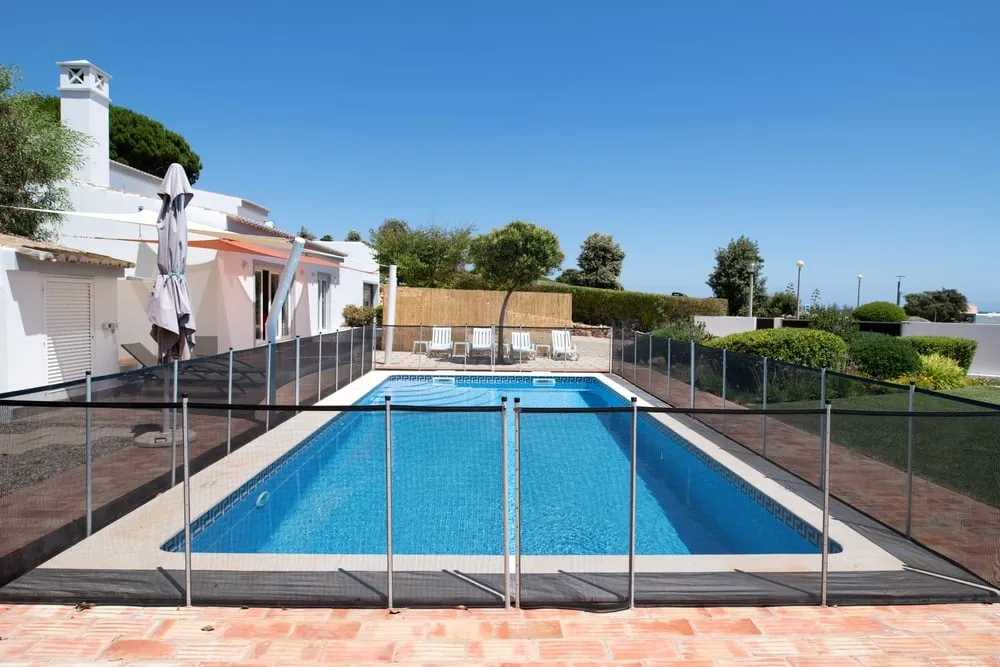
Complying with legal requirements ensures that our pools meet the necessary safety standards. In Australia, pool barrier compliance is a critical aspect of swimming pool certification.
Every state and territory has its regulations, but generally, they include registering your pool with the local council, completing a detailed inspection, and obtaining a Pool Compliance Certificate when all criteria are met.
As responsible homeowners and industry professionals, we must stay up-to-date with these laws to avoid hefty fines and ensure everyone’s protection. It involves understanding the specifics of pool barrier registration, maintaining equipment to meet pool safety standards, and ensuring that our fence inspections lead to successful pool safety assessments.
This vigilance not only keeps us within legal bounds but also affirms our commitment to creating safe environments for families to enjoy their pools worry-free.
Ensuring the safety of swimmers
Regular safety inspections are crucial to help ensure the safety of swimmers. By conducting thorough assessments, potential hazards can be identified and addressed promptly. This proactive approach ensures that the pool is a safe environment for all users, giving peace of mind to homeowners and complying with pool safety regulations.
Inspecting the pool’s barrier, maintaining proper water quality, and checking equipment regularly are essential steps for safeguarding swimmers. Regular audits help us maintain a safe swimming environment and prevent accidents by addressing any issues found during the inspection process.
Maintaining property value
Regular pool safety inspections and certifications are crucial for maintaining property value. By ensuring that your swimming pool meets all safety standards, you can attract potential buyers or renters.
A certified swimming pool not only adds value to your property but also provides peace of mind for the occupants. It’s an essential aspect for homeowners, real estate agents, architects, and building inspectors when assessing the overall worth of a property.
Adhering to safety regulations ensures that the swimming pool is a desirable feature that enhances the appeal of any residential or commercial space. This certification indicates that the pool has undergone thorough inspections and adheres to strict safety standards, reassuring prospective buyers or renters about its condition and compliance with legal requirements.
Detailed Safety Inspections for Swimming Pool Certification
Fence and gate checks
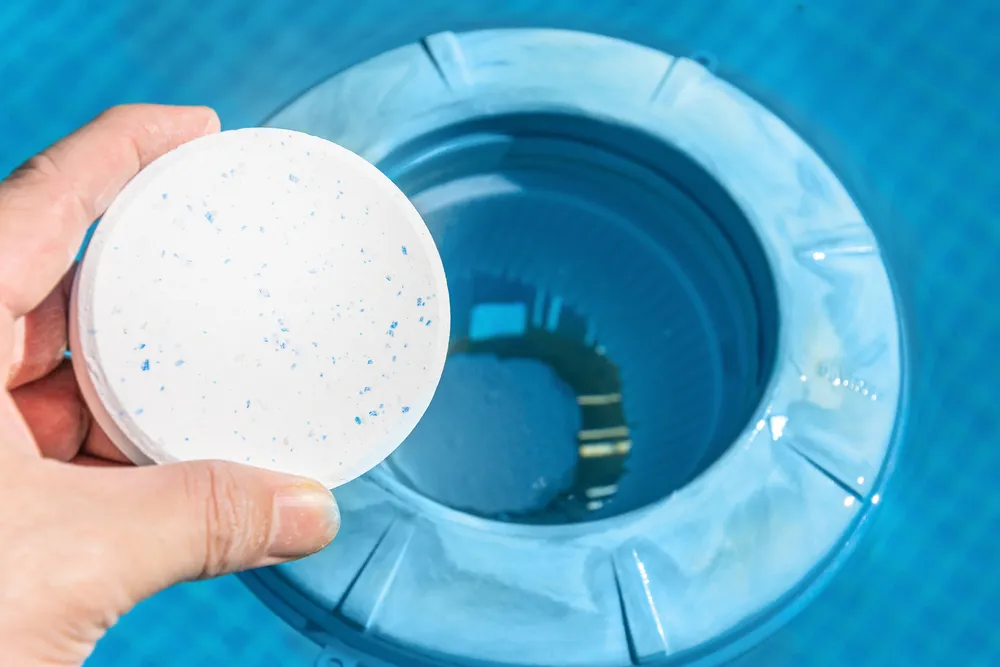
As part of detailed safety inspections for swimming pool certification, we always start with a thorough evaluation of the pool’s fencing and gates. Here are the key points we cover during these checks:
- Checking for any gaps or damage in the fence that could allow unauthorised access to the pool area.
- Ensuring that the gates are self-closing and self-latching, in compliance with safety standards.
- Verifying that the fence height meets local regulations and is not climbable by young children.
- Inspecting for any obstructions or objects near the fence that could be used to climb over it.
- Assessing the overall condition of the fence and gates to ensure they are well-maintained and secure.
Pool water quality testing
We inspect pool water quality to ensure it meets safety standards and is free from harmful contaminants. Our detailed testing procedures involve:
- Testing pH levels to ensure they are within the recommended range
- Checking chlorine and other sanitiser levels for effectiveness
- Conducting regular testing for bacteria and other harmful microorganisms
- Monitoring total alkalinity and calcium hardness levels to prevent corrosion or scaling issues
- Assessing overall water clarity and cleanliness, including checking for debris and algae buildup.
Equipment inspections
Pool safety inspections cast a wide net over various components of your swimming pool, ensuring every aspect functions optimally to safeguard users. This meticulous process involves a critical examination of the equipment that keeps your pool running smoothly, with a special focus on pumps, which circulate the water to prevent stagnation and maintain cleanliness.
Filters are another focal point, scrutinised for their ability to remove contaminants and keep the water crystal clear. Chemical dispensers also come under inspection to verify that they accurately meter out the necessary substances to balance the pool chemistry, warding off harmful bacteria and algae.
Each of these elements is carefully evaluated not just for operational efficiency but also for adherence to current safety standards, ensuring that every swim is a safe dip into tranquillity.
Compliance with local regulations
To ensure the safety and compliance of your swimming pool, it is essential to adhere to local regulations regarding pool barriers, water quality, and equipment standards. Regularly checking and maintaining your pool’s fencing, and gate mechanisms, alongside testing and treating the water according to local guidelines is crucial.
Keeping up with equipment inspections as per the set standards helps in creating a safe environment for swimmers. Staying updated with the latest rules and ensuring adherence not only helps ensure safety but also avoids potential legal issues related to non-compliance.
Maintaining a swimming pool by local regulations not only ensures the safety of swimmers but also adds value to your property. It gives confidence that you’re providing a safe recreational space while adhering to all necessary legal requirements, allowing you peace of mind.
Common Issues Found During Safety Inspections
Safety inspections for swimming pool certification often reveal a host of issues that could compromise the welfare of users and derail certification processes.
Non-compliant fencing is one of the more frequent findings, with gaps that are too wide, insufficient height, or improper latching mechanisms that fail to secure the area effectively.
Inadequate water quality also tops the list, where imbalances in pH levels, murky water, or unsanitary conditions pose health risks to swimmers.
Non-compliant fencing
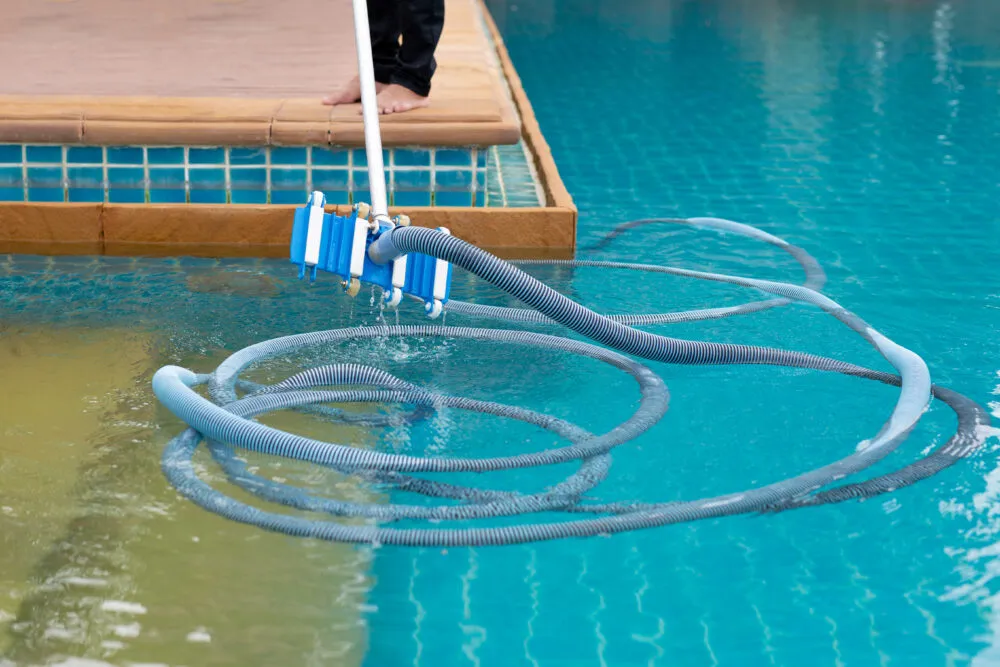
Non-compliant fencing poses a significant safety risk around swimming pools. It is essential to ensure that the pool fencing complies with local regulations, including height, gate latching mechanisms, and any potential climbable objects nearby.
Non-compliant fencing can result in serious accidents, especially involving young children who may gain unauthorised access to the pool area. Regular inspection and maintenance of pool fences are crucial in preventing such incidents.
Inspectors look for any signs of non-compliance during safety inspections by checking the condition of the fence panels, gates, and latches. Any issues found should be addressed promptly to maintain a safe environment around the pool.
Inadequate water quality
Inadequate water quality in a swimming pool can pose serious health risks for swimmers. We regularly test the pool water to ensure that it meets safety standards, including pH levels, chlorine content, and clarity.
If any issues are found during the inspection, we take immediate action to address them and restore the water to a safe condition for swimming.
Inspectors check for the proper functioning of filtration systems and assess if there are any signs of contamination or algae growth. Any deviations from the required standards are rectified promptly to uphold the safety and well-being of those using the pool.
Faulty equipment
Inspecting pool equipment is crucial to ensure the safety and functionality of your swimming pool. Regular checks for faulty equipment such as pumps, filters, heaters, and electrical systems can prevent potential hazards and costly repairs.
It’s vital to have qualified professionals conduct thorough inspections to identify any issues early on and address them promptly.
Our team understands the importance of ensuring that pool equipment meets safety standards. We prioritise meticulous examinations of all components, including pumps, filters, and electrical systems, to help ensure a safe swimming environment for you and your family.
Ensuring a Safe and Certified Swimming Pool
Importance of regular safety inspections
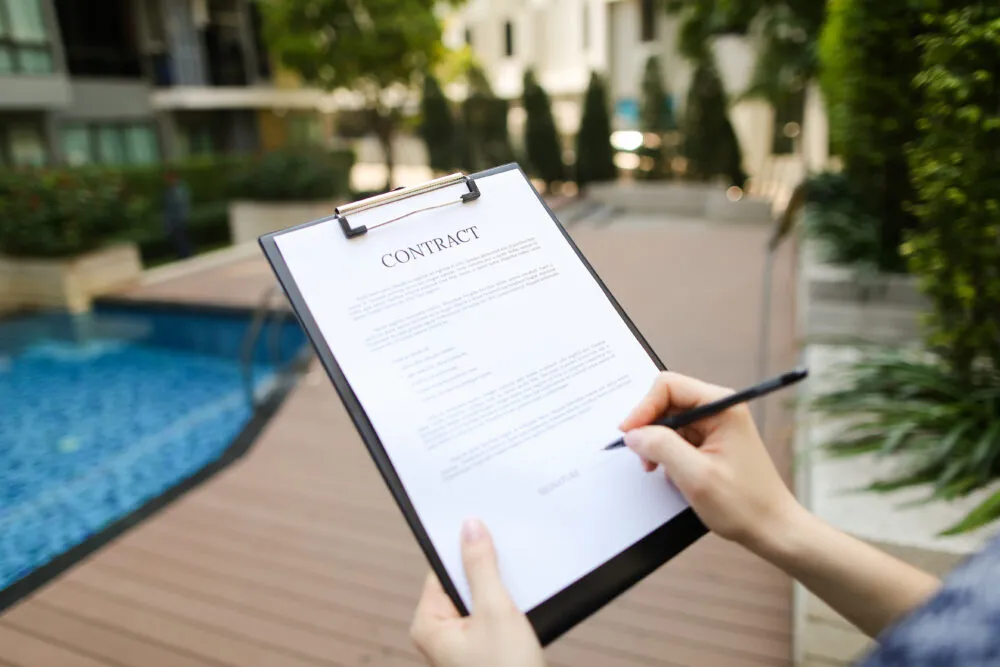
Regular safety inspections are crucial for maintaining a safe and certified swimming pool. These inspections help to identify any potential hazards, ensure compliance with local regulations, and address issues promptly.
By conducting regular safety inspections, homeowners can uphold the highest standards of pool safety, provide peace of mind to swimmers, and protect their property’s value.
Additionally, prioritising regular safety inspections demonstrates a commitment to proactive maintenance and ongoing improvements. This not only ensures the longevity and efficiency of pool equipment but also contributes to creating a safe environment for all users.
Addressing any issues found
Addressing any issues found during the safety inspection is crucial. It ensures the pool meets all safety standards and requirements. Here’s what needs to be done:
- Repair or replace non-compliant fencing to enhance pool barrier registration.
- Adjust water quality through appropriate chemical treatment for a safe swimming environment.
- Fix faulty equipment identified in the pool equipment inspection.
- Ensure compliance with local regulations and obtain a pool safety certificate.
- Regular checks on fencing, gates, and pool water quality.
- Immediate attention to any issues discovered during inspections.
- Creating a maintenance schedule for consistent safety precautions.
Taking proactive measures for ongoing safety
The well-being of those who step into your swimming area hinges on consistent vigilance and a commitment to proactive measures. Maintaining pool certification is not a one-time achievement but an ongoing process that requires a keen eye on safety protocols, regular maintenance schedules, and adherence to the latest health standards.
It’s imperative to stay ahead of the curve by scheduling regular inspections, swiftly addressing any issues, and updating emergency procedures as needed. These actions not only help ensure the operational excellence of your pool but also reinforce a safe and enjoyable environment for users.
By embedding these proactive habits into the rhythm of your pool’s upkeep, you ensure that safety and certification go hand in hand, providing peace of mind with every splash.
Call Us!
To help ensure the safety and certification of your swimming pool, regular detailed safety inspections are crucial. By addressing any issues found during inspections promptly, you ensure that your pool remains compliant with local regulations and maintains a high level of safety for swimmers.
Taking proactive measures to address any potential problems identified during the inspection process will help ensure ongoing pool safety.
Regular compliance with safety standards and addressing any issues found during inspections keep your pool safe, certified, and operating under legal requirements. This approach also helps maintain property value and ensures peace of mind for you, as well as anyone who uses your swimming pool.
Penrith Building Inspections
Keep Reading

Rental Inspections
How Rental Inspections Help Maintain Your Property Value
Learn how regular rental inspections can help you preserve and enhance the value of your property investment.
Read More →
Dilapidation Inspections
Dilapidation Inspection: An Indispensable Part of Building Inspection
Learn how dilapidation inspections are key in building projects to safeguard property conditions and manage risks.
Read More →
Pest Inspections
Avoid Future Headaches: The Role of Pest Inspections in New Home Buying
Learn the key role pest inspections play in new home buying to safeguard your property and avoid costly issues.
Read More →