Lurking in the unseen corners of our homes are eight-legged freeloaders we would rather not host – spiders. While some spiders can be harmless or even beneficial, an infestation adds a different spin to the storyline, demanding prompt attention.
In this article we turn on the spotlight on detecting spider infestations through building inspections. We’ll crawl through the complexities of different spider species, delve into the tell-tale signs that scream ‘infestation’, and explore how building inspections can effectively unmask their presence.
Whether you’re a property owner looking to safeguard your spaces or simply someone interested in understanding more about these arachnid guests, our journey unravelling the webs of spider infestations promises to be an enlightening one. So let’s get started – after all, knowing is half the battle won.
Key Takeaways
- Regular building inspections are crucial for detecting spider infestations and preventing costly damage to your property.
- Look out for common signs of spider infestations, such as cobwebs in corners, entry points, and egg sacs in secluded areas like attics or basements.
- Utilising thermal imaging technology during building inspections can help uncover hidden spider nests and ensure accurate detection.
The Importance of Regular Building Inspections
Owning a home is a considerable investment, and like any investment, it requires protection to ensure its lasting value and longevity. That’s where the role of regular building inspections becomes paramount.
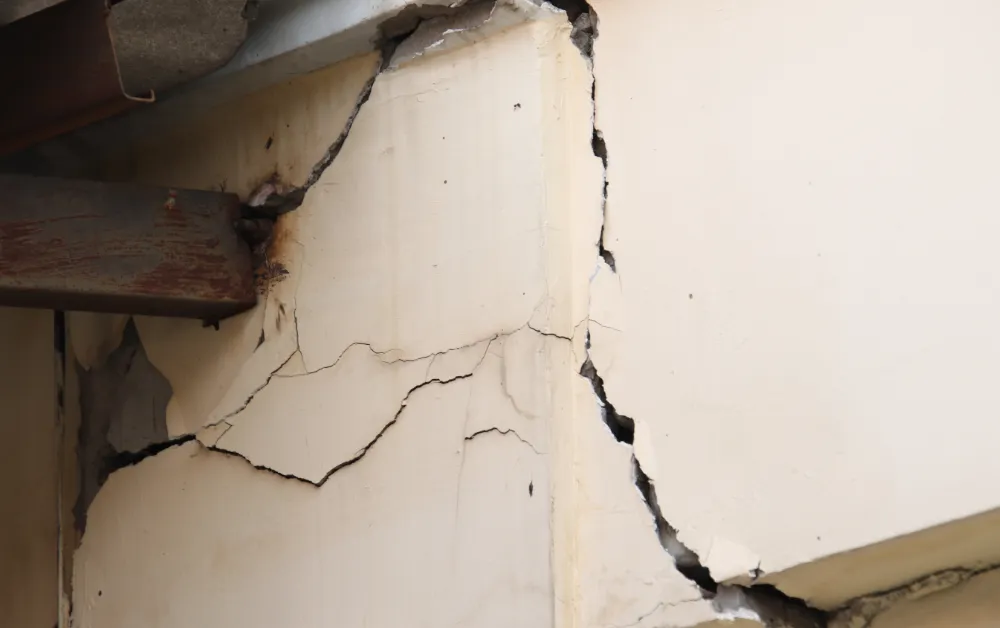
This comprehensive check-up delves into the heart of your home, scanning for those small, yet telltale signs of problems that might be currently inconspicuous but could escalate into severe issues if ignored. Cracks in walls, moisture accumulation, electrical issues, pest intrusions – these are just a few among a plethora of potential complications that a well-conducted inspection can catch early, saving the homeowner from extensive and costly repairs down the line.
Furthermore, it acts as a catalyst in prompting homeowners to seek professional assistance timely, transforming a possible crisis into a manageable situation and ensuring that the home remains a safe haven of comfort and tranquillity.
Cost of neglecting home maintenance
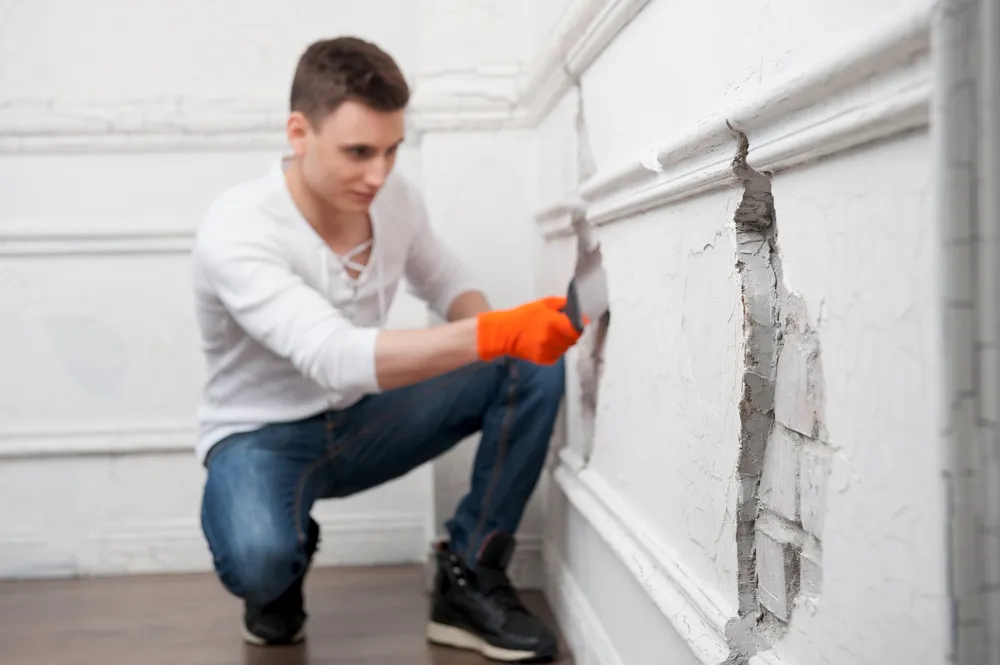
Over time, minor issues like a small leak, peeling paint or creaking stairs can escalate into major repairs. Disregarding these early warning signs may lead to damages that could considerably reduce your property’s value.
For instance, those cracks in the walls might lead to foundational problems causing safety hazards and increasing renovation costs dramatically. Ignored pest infestations such as spiders can grow unchecked turning your home into an uncomfortable living space while escalating removal expenses.
Continuous neglect of maintenance also potentially voids insurance claims for damages as insurers often stipulate regular upkeep in their policies. Therefore, consistent home maintenance serves not just to preserve but enhance the worth and liveability of your property over time.
Identifying small signs
We need to be vigilant when it comes to identifying small signs of spider infestations in our buildings. These tiny indicators can often go unnoticed, but they can reveal the presence of spiders and help us address the issue before it becomes a bigger problem.
Look out for webs in corners or windows, as well as droppings that resemble small black dots. Pay attention to any unusual marks or bites on your skin, as this could indicate the presence of spiders.
By being aware of these small signs, we can take swift action and ensure the safety and hygiene of our buildings.
Seeking professional assistance
If you suspect a spider infestation in your building, it is crucial to seek professional assistance. A qualified building inspector or pest inspector can accurately assess the situation and provide effective solutions.
They have the expertise and tools necessary to identify hidden spider nests, pinpoint structural faults, and recommend appropriate eradication methods. By relying on their knowledge and experience, you can ensure that your building remains safe and free from arachnid intruders.
Detecting Spider Infestations
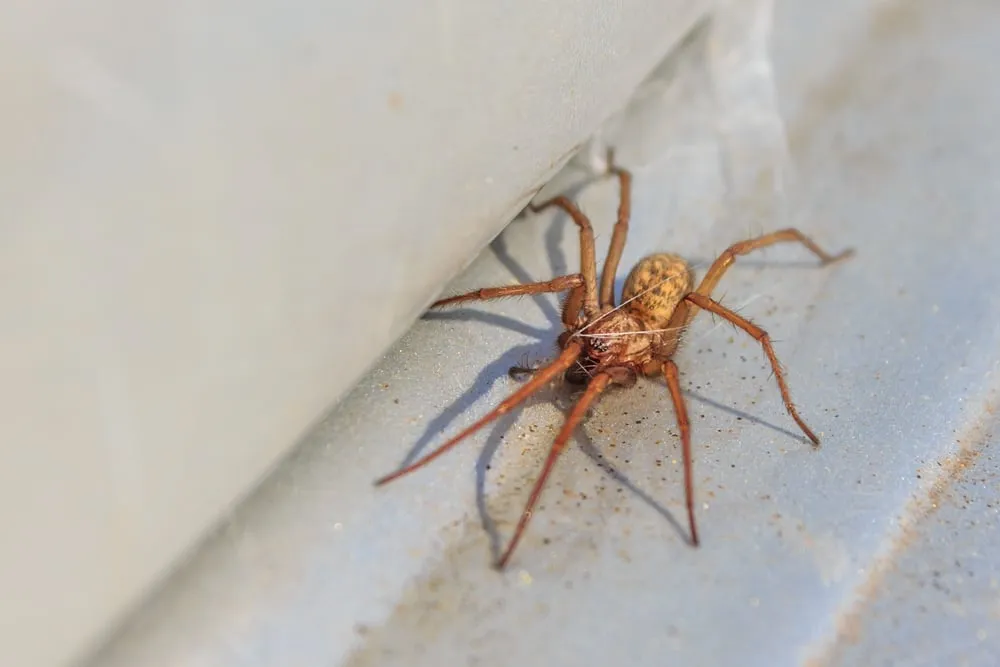
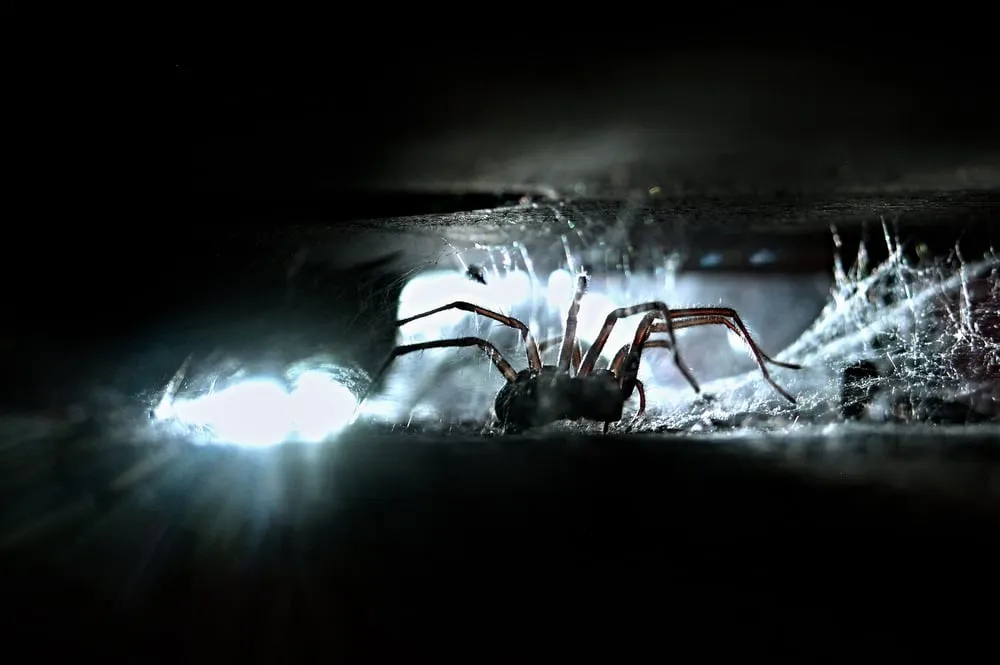
When the quiet corners of your home become a bustling playground for eight-legged invaders, it’s time to venture into the world of spider infestations. Building inspections can unmask their presence by identifying several common tell-tale signs. Of course, there’s the classic web, spun intricately in corners and dark, hard-to-reach places, signaling the clear presence of an arachnid guest.
Next, the shed spider skins and visible egg sacs in neglected spots offer concrete evidence of spider activity, their discarding pointing towards a growing population. However, these overt signs just scrape the surface. Inspectors equipped with thermal imaging technology have an upper hand in this detection process.
This state-of-the-art tool provides them with a “behind-the-scenes” view into hidden areas where spiders might be lurking, offering a more comprehensive and accurate assessment of the infestation. These methods in combination offer a robust strategy to detect and deal with off-putting spider infestations while also preventing the future re-establishment of these uninvited guests.
Common signs of spider infestations
Spider infestations can be alarming, but there are common signs to look out for. Keep an eye out for cobwebs in corners or along walls, especially if they are frequent and keep reappearing after removal.
Look for small holes or burrows made by spiders as entry points into your home. If you notice the presence of multiple spider webs and egg sacks in secluded areas such as attics or basements, this could indicate a larger infestation.
Finally, keep an eye on any unexplained spider bites that occur frequently within a short period of time. Stay vigilant and take action if you notice any of these signs to prevent further issues with spider infestations in your home or building.
Utilising thermal imaging technology
We employ the use of advanced thermal imaging technology during building inspections to detect hidden spider infestations. This technology allows us to uncover areas where spiders may be nesting, even in concealed spaces that are not easily visible to the naked eye.
By using thermal imaging, we can identify the heat signatures that spiders leave behind, helping us pinpoint their exact locations and eradicate them effectively. Our team of experts is highly trained in utilising this innovative technology, ensuring accurate detection and providing you with peace of mind knowing that your property is free from spider infestations.
Implications of Hidden Building Defects
Home is where the heart is, but what happens when that haven is haunted with hidden defects? Disguised beneath the surface of your everyday living, these invisible flaws can bring forth a plethora of challenges for property owners.
These could range from compromised foundations threatening the stability of the structure, to faulty electrical wiring sparking off potential fire hazards, to insidious mold infestations and hidden asbestos causing significant health risks. The implications are not just physical; they weave their way into the realm of legal liabilities, as owners could be held responsible for any resulting damages or health issues.
This looming threat makes regular building inspections an indispensable tool for homeowners. Through early detection and proactive maintenance offered by these inspections, owners can mitigate these risks, seal any cracks in safety and uphold the integrity of their properties, ensuring their homes remain a sanctuary rather than transform into a ticking time bomb of issues.
Potential safety risks and legal liabilities
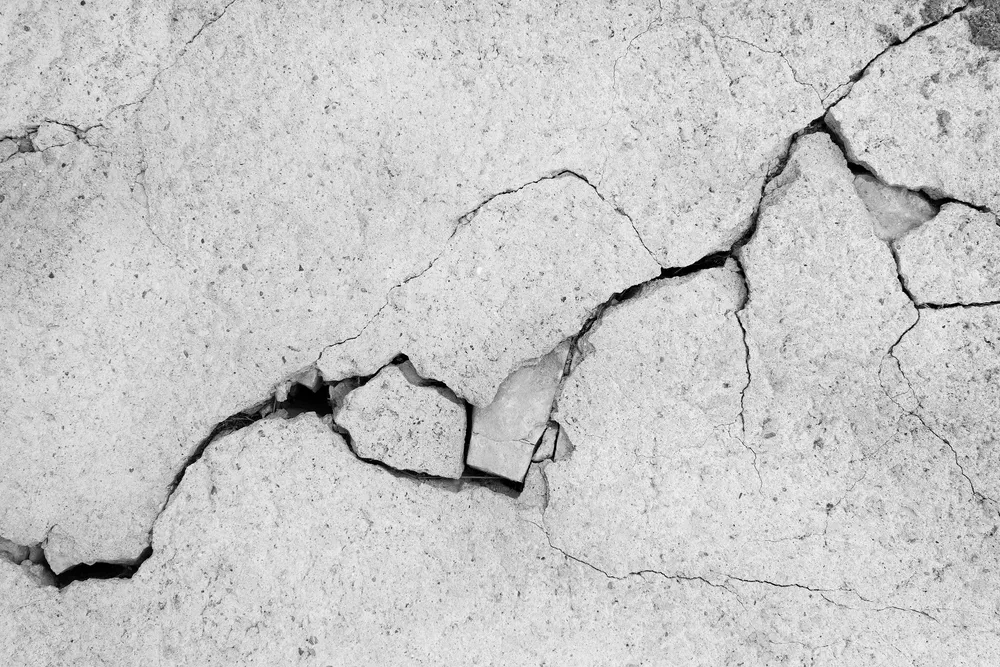
Identifying spider infestations during building inspections is crucial for minimising potential safety risks and avoiding legal liabilities. A hidden infestation can lead to structural damage, compromised foundations, and faulty electrical wiring.
Additionally, dangerous mold and asbestos could pose serious health hazards if left undetected. By conducting thorough pest inspections and utilising advanced technologies like thermal imaging, property owners can mitigate these risks and ensure the safety of occupants.
Proactively addressing spider infestations not only protects individuals but also helps maintain the integrity of the property in accordance with legal obligations.
Mitigation strategies for property owners
We can take several mitigation strategies to address spider infestations and ensure the safety of our properties. Firstly, it is crucial to maintain regular cleaning and tidying practices to eliminate potential hiding spots for spiders.
Regularly vacuuming, dusting, and decluttering are simple yet effective ways to prevent infestations. Additionally, sealing any cracks or gaps in doors, windows, and walls can help keep spiders from entering our homes.
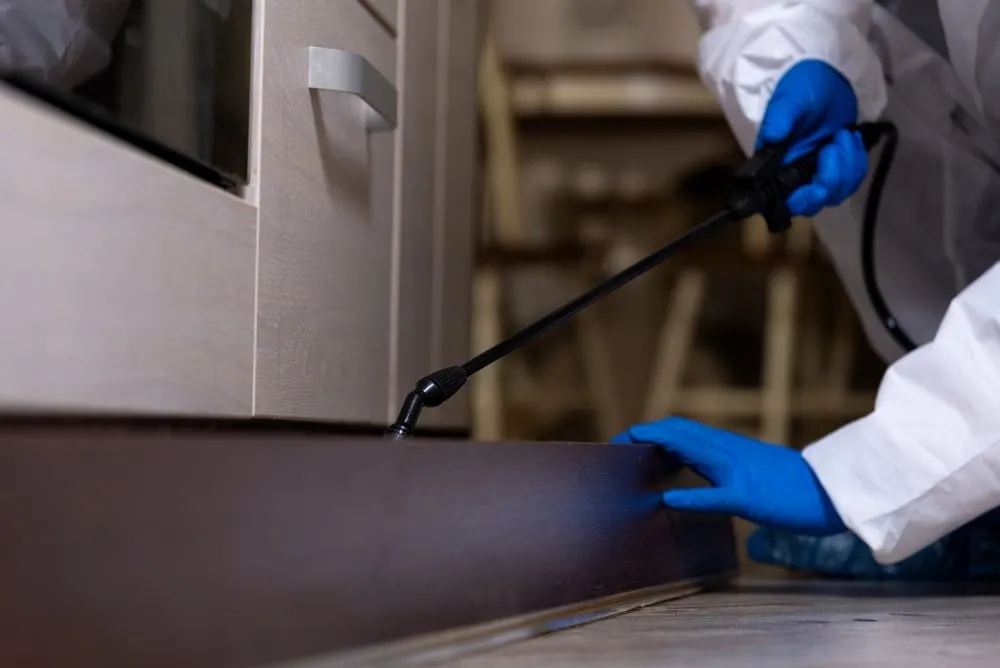
Using insect screens on doors and windows is another proactive measure that keeps these pests at bay. Lastly, seeking professional pest control services for regular inspections and treatments can provide long-term protection against spider infestations.
Call Us!
Regular building inspections are crucial for unmasking hidden dangers like spider infestations. By identifying common signs and utilising advanced technology such as thermal imaging, professional inspectors can accurately detect and address these issues.
Don’t neglect the importance of building maintenance and pest control to ensure a safe and healthy living environment.