Managing property can certainly throw a few curveballs your way, especially when it comes to keeping the physical condition of a building up to scratch. Just like you, we’ve had our fair share of close shaves when commencing construction or demolition projects without having the full picture of the existing structure’s state.
Having a detailed understanding not only helps dodge unexpected hiccups but also plays an integral part in controlling costs and minimising liability risks.
Let’s untangle how Dilapidation Inspections are an indispensable tool for anyone managing property Down Under. We’re here to guide you through this all-inclusive process with expert assessments and strategies for effective maintenance planning – no surprises, mate!
Key Takeaways
- Dilapidation inspections are essential in property management as they provide a thorough assessment of a property’s condition before and after construction or demolition activities.
- These inspections play a crucial role in protecting property owners from liability claims by documenting pre-existing conditions and potential risks.
- Builders, civil contractors, homeowners, and commercial tenants should all consider getting dilapidation inspections to assess the condition of properties and mitigate risks.
What is a Dilapidation Inspection?
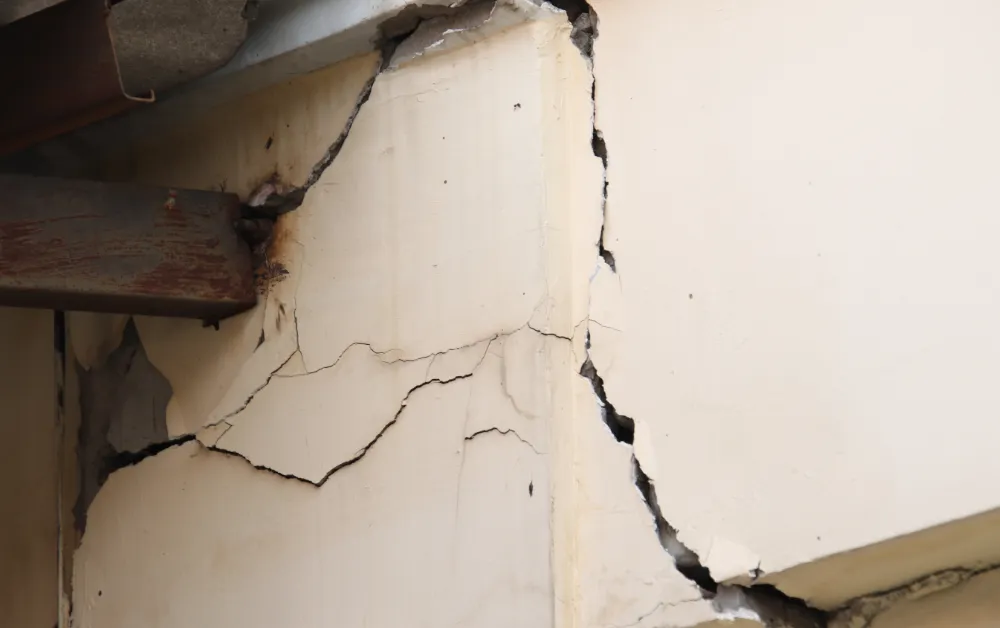
A dilapidation inspection represents a comprehensive and detailed investigation of a property’s structural state. This type of inspection is particularly aimed at identifying any existing damages that may have been overlooked and potential risks that might arise before the initiation of construction or demolition activities.
It plays a crucial role in guarding against subsequent disputes or claims by establishing a clear record of the property’s pre-existing damages. Moreover, it ensures that any deterioration attributable to construction or demolition activities is identified and appropriately addressed, thereby mitigating unnecessary repair costs.

Definition and purpose
Dilapidation inspections give extensive insights into a property’s condition before and after construction or demolition activities. These thorough examinations of the structure, foundations, and surrounding areas determine any existing defects or damage.
Councils and insurance companies often mandate these reports as they are crucial in resolving disputes. They serve to protect owners from liability claims by substantiating pre-existing conditions and can guide future repair work.
Whether it is a residential, commercial, or industrial property, these inspections play an integral part in maintaining structural integrity and managing potential risks. Their importance calls for engaging professionals experienced in providing precise dilapidation inspection services for reliable outcomes.
Role in property management
Dilapidation inspections play a crucial role in property management. They provide valuable insights into the condition of a property, both before and after construction or demolition activities.
These inspections are essential for homeowners, building inspectors, engineers, architects, interior design specialists, real estate agents, pest inspectors, and legal office personnel involved in property management.
By conducting dilapidation inspections, property owners can assess any potential damage to neighbouring properties caused by construction or demolition work. This helps mitigate risks and liabilities associated with such projects.
The detailed reports generated from these inspections serve as comprehensive records that can be used for project governance and compliance with council requirements.
Moreover, dilapidation inspections protect property owners against fraudulent claims of property damages. They provide evidence of pre-existing conditions and ensure fair compensation if any disputes arise during the construction or demolition process.
Who Should Get a Dilapidation Inspection?

Builders, civil contractors, homeowners, and commercial tenants should all regard a dilapidation inspection as a critical step before initiating any construction or renovation work. These inspections provide a clear benchmark of the building’s condition, thereby safeguarding these stakeholders from unwarranted damage claims post-renovation.
For homeowners and commercial tenants, an inspection protects their investment, ensuring that other parties’ construction activities do not inadvertently compromise the structure or aesthetic value of their property. Meanwhile, builders and civil contractors benefit from having documented evidence, protecting themselves from accusations of damage they haven’t caused.
Builders before starting a construction job
Before starting a construction job, builders should always consider getting a dilapidation inspection. These inspections are crucial in assessing the condition of neighbouring properties and documenting any existing damage or defects.
By conducting a thorough inspection before construction begins, builders can have a comprehensive record of the property’s condition, which can be used as evidence against fraudulent claims in the future.
It also helps to ensure that any potential risks or liabilities are identified and addressed early on, allowing for better project governance and cost control.
Civil contractors
Civil contractors play a vital role in the construction industry, and as such, they should also consider getting a dilapidation inspection before starting any project. These inspections provide comprehensive records of the property’s condition, including its structure and surrounding areas, which can help civil contractors assess any potential risks or liabilities.
By obtaining a dilapidation inspection report, civil contractors can have detailed insights into the existing conditions of neighbouring properties, ensuring that they can carry out their work while minimising the risk of causing damage.
Homeowners
As homeowners, it is crucial to understand the importance of dilapidation inspections for managing your property. These inspections provide you with detailed insights into the condition of your home before and after any construction or demolition work nearby.
By hiring qualified professionals who specialise in dilapidation inspections, you can ensure that your property’s structure and foundations are thoroughly assessed. This comprehensive assessment helps protect you from liability claims and disputes by providing evidence of any pre-existing damage or defects.
Additionally, the findings from these inspections can serve as a valuable reference for future maintenance and repair work on your property.
Furthermore, dilapidation reports are often required by insurance companies and councils as part of their dispute management process. These reports help assess any potential damage caused to neighboring properties during construction or demolition activities near your home.
By obtaining a dilapidation inspection and report, you demonstrate responsible ownership and contribute to the preservation of harmonious relations within your community.
Commercial tenants
Commercial tenants also benefit from dilapidation inspections. These inspections provide them with a comprehensive record of the property’s condition before they move in. By having a clear understanding of any existing damage or defects, commercial tenants can better plan for repairs and maintenance.
Additionally, the dilapidation report can serve as evidence against fraudulent claims made by landlords regarding pre-existing conditions. This helps protect the tenants from liability disputes and ensures that they are not held responsible for damages they did not cause.
So, it is crucial for commercial tenants to consider getting a dilapidation inspection before signing a lease agreement.
Benefits of Dilapidation Inspections
Dilapidation inspections are key precautionary measures that safeguard your investment by assessing the property’s condition and identifying potential risks before construction. They offer detailed insights into the structure’s health, aiding in better planning and decision-making, and effectively saving time and money.
Such inspections provide documented evidence to protect against wrongful claims of property damage, imparting peace of mind and legal security. By identifying existing issues promptly, dilapidation inspections control unexpected costs and prevent expensive repairs in the future. Overall, these inspections play a critical role in effective property management, making them a cost-effective solution for property owners.

Evidence Against Fraudulent Claims
Dilapidation inspections provide valuable evidence against fraudulent claims. These inspections are conducted by qualified professionals who thoroughly assess the condition of a property before and after construction or demolition activities.
The detailed reports generated from these inspections serve as comprehensive records that can be used to refute false claims. By documenting the pre-existing conditions of a property, dilapidation reports help protect property owners from liability and potential disputes.
This evidence can be crucial in resolving legal matters related to property damages and ensuring fair outcomes for all parties involved.
Cost control
Managing costs is a crucial aspect of any property management project, and dilapidation inspections play a key role in cost control. By conducting these inspections before and after construction or demolition activities, property owners can identify existing damage and defects that may need repairing.
This proactive approach ensures that potential issues are addressed early on, preventing them from escalating into more costly problems later. Additionally, the detailed reports provided by dilapidation inspections can help property owners negotiate fair compensation for any damages caused during construction or demolition.
Overall, incorporating cost control measures through diligent dilapidation inspections allows for better budget planning and maintenance of the property’s value.
How to Obtain a Dilapidation Inspection

To secure a dilapidation inspection, the first step is to reach out to a professional inspection service agency. With their help, you can comfortably schedule an appointment with a qualified inspector who possesses the expertise and experience to properly assess your property. The inspector will conduct an exhaustive assessment of your property, thoroughly inspecting every aspect of the structure using advanced tools and techniques.
Post-inspection, you’ll receive a detailed report accentuating their findings, which include the condition of the property, the presence of any damage, and potential risks that may arise. By using this meticulous report, you can then formulate an action plan to mitigate any issues or concerns highlighted during the inspection process, which in turn ensures the long-term structural health and value of your property.
Contacting a professional inspection service
When it comes to getting a dilapidation inspection, it’s important to contact a professional inspection service. These experts have the knowledge and expertise to assess the condition of your property accurately.
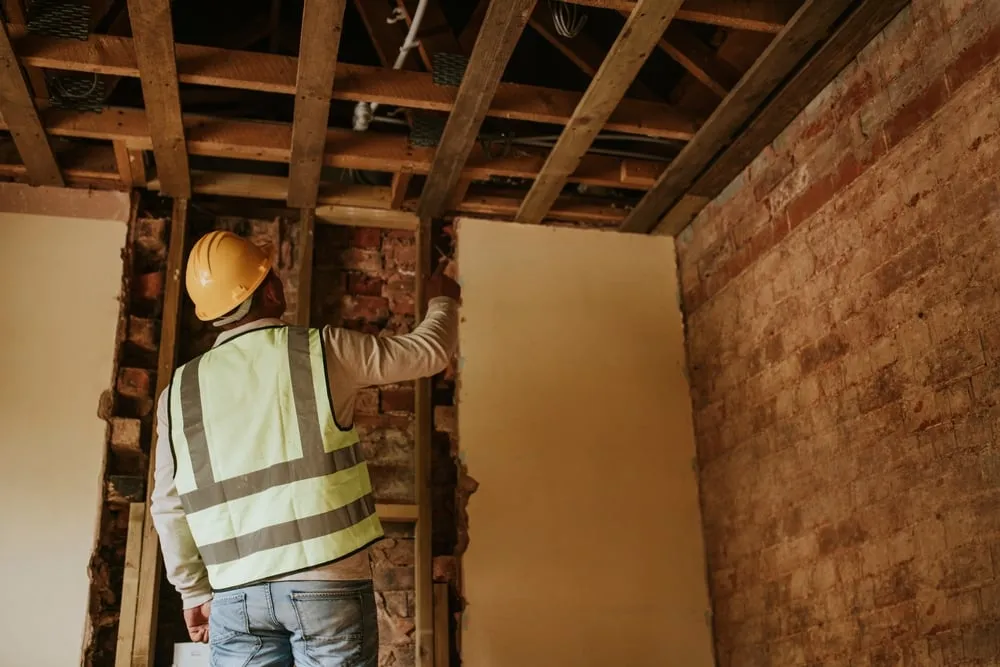
They will conduct thorough inspections, including visual assessments and measurements, to identify any existing damages or defects. By reaching out to these professionals, you can ensure that you receive a comprehensive report that provides detailed insights into the structure’s condition before construction or demolition activities take place.
It’s crucial to choose a qualified inspector who specialises in dilapidation inspections. This way, you can be confident in the accuracy and reliability of their findings. Once you’ve scheduled and conducted the inspection, make sure to review the final report carefully so you can take necessary action based on its recommendations.
Importance of choosing a qualified inspector
Choosing a qualified inspector is crucial when conducting a dilapidation inspection. Qualified inspectors have the expertise and knowledge required to accurately assess the condition of a property’s structure, foundations, and surrounding areas.
They are trained to identify any existing damage or defects, providing you with reliable and comprehensive reports. By selecting a qualified inspector, you can ensure that the inspection is conducted thoroughly and effectively, giving you detailed insights into your property’s condition before any construction or demolition activities take place.
Scheduling and conducting the inspection
We schedule and conduct the dilapidation inspection to thoroughly assess the condition of your property. Our team will help you settle on a suitable date and time for the inspection.
During the inspection, we will carefully examine your property’s structure, foundations, and surrounding areas. We will document any existing damage or defects through visual inspections, measurements, and comprehensive documentation.
Our goal is to provide you with detailed insights into your property’s condition before any construction or demolition activities take place. By scheduling and conducting this inspection, we aim to protect you from potential liability claims and disputes by providing evidence of pre-existing conditions.
Receiving and reviewing the final report
When you receive the final report from a dilapidation inspection, it is crucial to review it carefully. The report will provide detailed insights into the condition of your property before and after any construction or demolition activities.
As homeowners, building inspectors, engineers, architects, interior design specialists, real estate agents, pest inspectors, or legal office personnel in Australia, this report serves as a comprehensive record of the property’s structural integrity and any existing damages or defects.
By thoroughly reviewing the report and understanding its findings, you can take necessary action based on the recommendations provided and ensure proper maintenance planning for your property.
Taking necessary action based on the findings.
Once the dilapidation inspection is complete and you have received the final report, it is crucial to take appropriate action based on the findings. This means carefully reviewing the report and addressing any identified issues promptly.
Whether you are a homeowner, building inspector, engineer, architect, or real estate agent, it is essential to act swiftly to prevent further damage or potential disputes. Implementing necessary repairs or maintenance work can help maintain property value and ensure the safety and structural integrity of the building.
By taking proactive steps based on the inspection results, you can mitigate risks, protect yourself from liability claims, and contribute to effective property management practices.
When faced with significant defects or damages detected during the inspection process, contacting qualified professionals for expert assessments may be necessary. These specialists can provide guidance on how to address complex issues effectively while adhering to local council requirements and regulations.
It’s important to remember that timely action based on comprehensive inspections promotes better project governance and helps prevent future complications related to property conditions.
Call Us!
Dilapidation inspections play a crucial role in property management. They provide vital information about the condition of a property before and after construction or demolition activities, helping to protect property owners from liability claims and disputes.
By consulting qualified professionals for accurate and reliable reports, property owners can ensure the safety and integrity of their assets.