Embracing a healthy living environment involves more than just what meets the eye. Beneath the perfectly painted walls or under the luxurious carpet lies a world that can significantly impact our health – the world of mould.
These microscopic organisms, often thriving in damp areas, can create a myriad of health issues if left unchecked. To ensure a home is free from such silent threats, mould inspections are performed, culminating in detailed reports that signify the property’s safety.
In this journey, we will dive deep into the specifics of mould inspection reports, providing insights into their creation, interpretation, and importance in fostering a healthy, safe living space.
Key Takeaways
- Mould inspection involves a visual examination and sampling to identify the extent and type of mould present in a property.
- Proper preparation, such as sharing information on past water damage and keeping windows shut during the inspection, is important for accurate results.
- After the mould inspection, review the detailed report provided by the inspector, follow the recommended mould remediation protocol, schedule a post-remediation verification inspection, and regularly monitor for any signs of recurring moisture or humidity issues.
Understanding the Mould Inspection Process
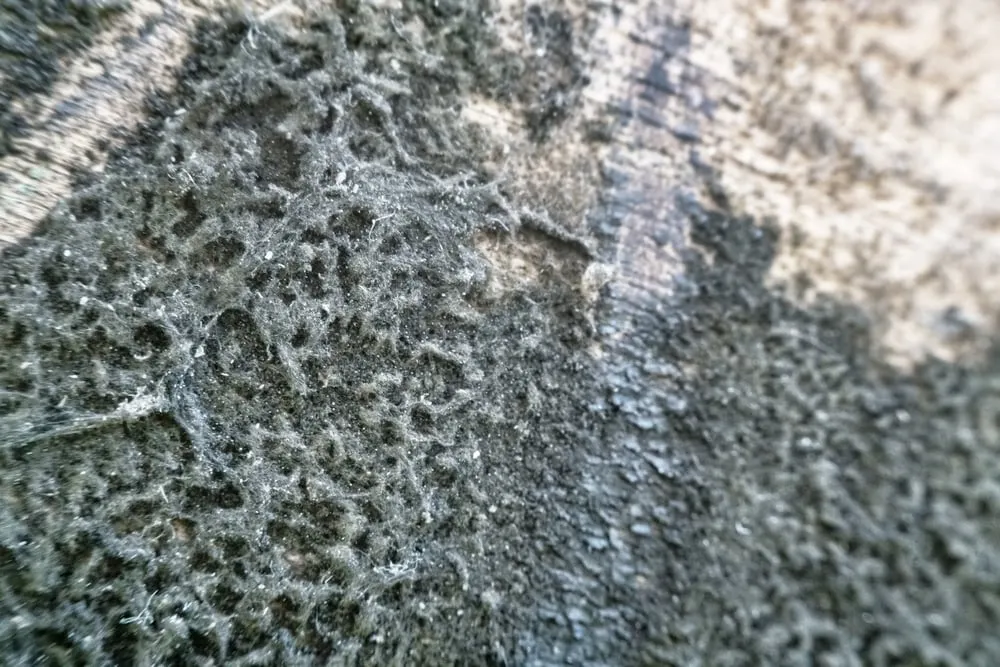
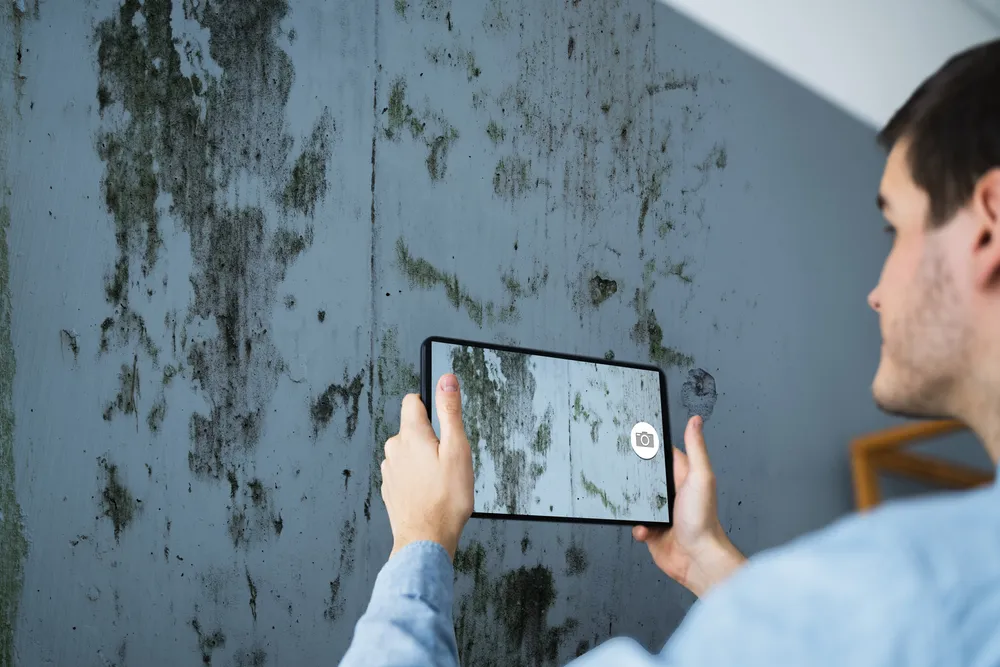
Commencing a mould inspection, our strategy revolves around a systematic approach that begins with a comprehensive visual examination of the property. This method aids in spotting visible mould growth, often appearing as dark spots or patches that can be found in damp, poorly ventilated areas like basements or bathrooms.
However, the inspection extends beyond what the eye can see: we also gather samples from areas we suspect might harbour this unwanted guest. These samples, usually scrapings or air samples, are meticulously collected and sent off to a laboratory for further analysis.
This scientific investigation unravels the specifics of the mould species involved and determines its concentration, thereby not just confirming its presence but also detailing its potential risk and guiding the path forward for its effective removal.
Visual Examination
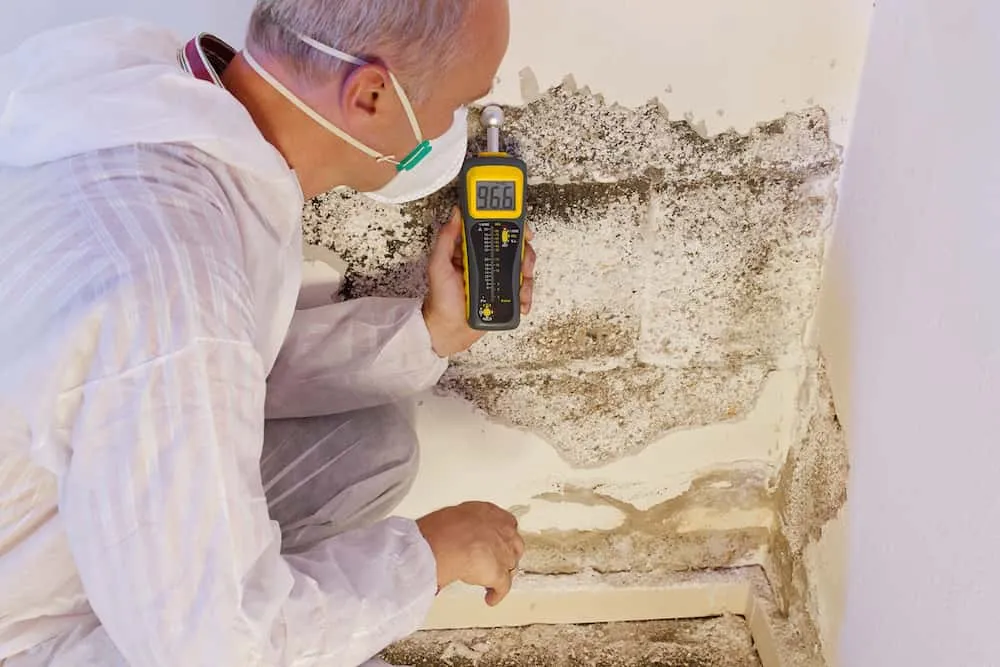
Visual Examination is the initial step in professional mould inspection services. We use our trained eyes to identify spaces with visible mould growth or signs of potential infestations, such as water stains and damp patches.
This process helps us detect irregularities like building defects that may promote fungal contamination. Using various tools, we investigate less accessible areas including hidden nooks or behind-the-wall spaces for moisture detection.
Our focus during this stage is identifying any issues related to indoor air quality while considering the complexity of potential mould behaviour within your property.
Sampling
During a mould inspection, sampling plays a crucial role in assessing the extent and type of mould growth. Samples can be collected from various sources like air, surface, or bulk materials to determine if there is a presence of mould and to identify the specific species.
Air sampling involves capturing airborne spores using specialised equipment. This helps in evaluating the indoor air quality and identifying potential health risks. Surface sampling is done by swabbing or tape-lifting surfaces suspected of mould contamination, providing valuable information about the concentration and location of mould growth.
Bulk sampling involves collecting physical samples that are sent to laboratories for further analysis, aiding in determining the severity of infestation and informing remediation strategies.
Sampling not only provides valuable data for laboratory analysis but also helps professionals make informed decisions regarding appropriate remediation methods. It allows for a comprehensive understanding of the problem at hand and helps ensure an effective approach towards addressing it.
Laboratory Analysis
Our team conducts thorough laboratory analysis as part of the mould inspection process. We take samples from different areas of your property to determine the type and concentration of mould present.
The samples are carefully analysed in our state-of-the-art lab, where we use advanced techniques to identify any potential health hazards and assess the extent of contamination. Our highly trained experts will then provide you with a detailed report that includes recommendations for mould remediation, ensuring that your home or building is safe and healthy for everyone involved.
Rest assured, our laboratory analysis is accurate and reliable, giving you peace of mind knowing that your property has been thoroughly assessed by professionals.
The Importance of Proper Preparation for a Mould Inspection
Ensuring the accuracy of a mould inspection heavily relies on the preliminary stage, a stage that requires careful preparation by the homeowner. To start, it is invaluable to share details of any past water damage instances with your inspector. This provides historical context and guides the inspector towards potential problem areas.
Then, in the 24 hours leading up to the inspection, it’s crucial to abstain from cleaning operations and usage of disinfectants – this avoidance maintains the integrity of samples and helps ensure more reliable results. Moreover, having your previous home inspection report ready will give the inspector additional insights into the property’s condition.
Lastly, keep all windows shut for 24 hours ahead of the inspection to prevent outside mould spores from infiltrating your indoor air, and ensure a clutter-free environment to facilitate easier access for the inspector. Following these steps can play a pivotal role in ensuring both the smooth execution and accuracy of the mould inspection.
Share Information on Past Water Damage
It is crucial to share any information on past water damage during a mould inspection. This includes incidents such as leaks, flooding, or plumbing issues that may have caused moisture problems in the past.
By providing this information to the inspector, they can better assess potential areas of mould growth and determine the necessary steps for remediation. It helps to create a more accurate and detailed report, which is essential for addressing any existing or potential mould issues in your property.
Avoid Cleaning and Using Disinfectants for 24 Hours
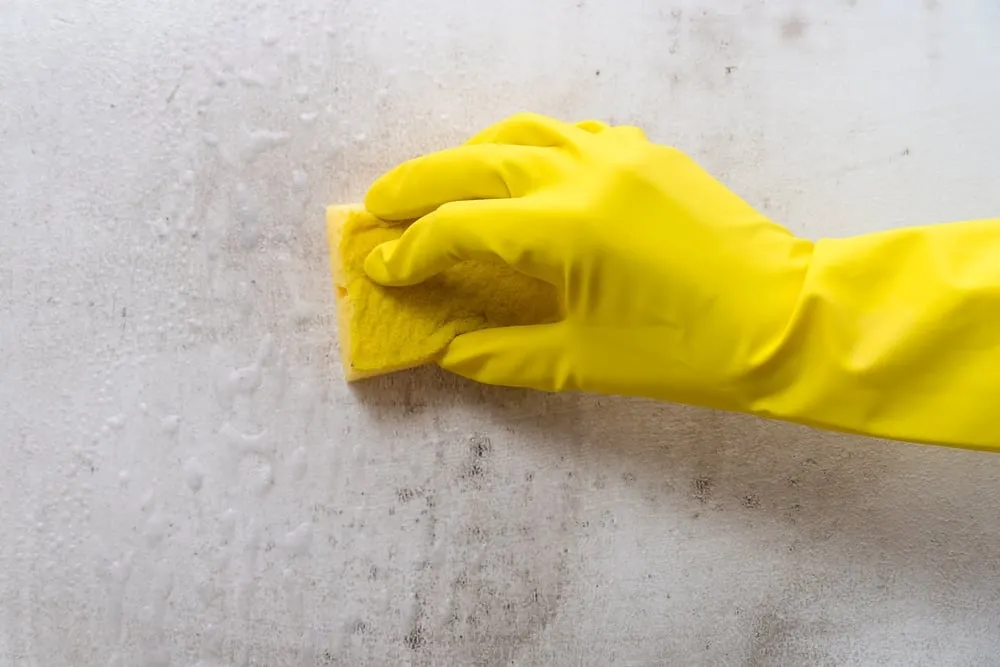
After a mould inspection, it is crucial to refrain from cleaning or using disinfectants for at least 24 hours. This may seem counterintuitive, but it allows the inspectors to accurately assess the extent of mould growth and its behaviour.
Cleaning or using disinfectants too soon can disturb the mould spores, making them harder to detect and potentially spreading them to other areas of your home. By avoiding cleaning and disinfecting for 24 hours, you are ensuring that the inspectors have a clear picture of the mould situation, enabling them to provide accurate recommendations for remediation.
Have Your Home Inspection Report Ready
We highly recommend having your home inspection report ready before the mould inspection takes place. This will ensure that all necessary information about your property is easily accessible to the inspector.
By having your report prepared, you save time and allow the inspector to focus on assessing any potential mould issues instead of gathering basic details about your home. It’s a proactive step that can help streamline the entire inspection process and provide more accurate results.
Keep Windows Shut for 24 Hours
During a mould inspection, it is important to keep windows shut for 24 hours. This helps prevent the entry of outside air which could impact the accuracy of the results. By keeping windows closed, we can maintain a controlled environment and ensure that any mould spores or particles present in the air are not diluted or contaminated from outside sources.
This step is crucial for obtaining reliable and accurate test results, allowing us to better assess the extent of mould growth and provide appropriate recommendations for remediation.
So remember, keep those windows tightly shut during the inspection process!
Clear Away Clutter
Clearing away clutter is an essential step in preparing for a mould inspection. By removing excess items and organising your space, you allow the inspector to thoroughly assess potential problem areas.
Clutter can hide mould growth and make it difficult to identify moisture issues. When you clear away clutter, you create a more accurate picture of your property’s condition, allowing the inspector to provide a comprehensive report.
So take some time before the inspection to declutter, ensuring that all areas are accessible and visible for proper assessment.
What to Do After the Mould Inspection
Once the mould inspection sets the scene, the narrative continues through a comprehensive analysis of the detailed report provided by the inspector. This report frames a clear understanding of the situation, providing depth to the scenario by revealing the extent of mould growth and the uncovering potential health risks it might pose.
Acting on this report, the next decisive step involves executing the recommended mould remediation protocol which equips you with specialised procedures to effectively eliminate this unwelcome intruder from your property. After completing the remediation, it’s paramount to schedule a post-remediation verification inspection, a step that solidifies the effectiveness of the action taken and validates a mould-free environment.
However, this is not the end of the story; continued vigilance is key. Regular monitoring of your property for signs of recurring moisture or humidity issues ensures you stay a step ahead, preventing future mould growth and securing the health of your living space.
Review the Detailed Report
Once the mould inspection is complete, it’s crucial to thoroughly review the detailed report provided by the inspector. This report will outline all the findings and observations from the inspection, including any areas of concern, potential causes of mould growth, and recommended remediation actions.
Take your time to carefully go through each section of the report, noting any high-risk areas or specific instructions for addressing mould issues. It’s important to understand the information in the report so that you can take appropriate action to eliminate mould and prevent future growth.
Follow the Recommended Mould Remediation Protocol
We highly recommend following the recommended mould remediation protocol for the effective and safe removal of mould. This protocol is designed to ensure that all affected areas are properly treated and cleaned, reducing the risk of recontamination and potential health hazards.
By following these guidelines, you can address the mould problem in your home or building thoroughly and prevent any further issues in the future. It is essential to hire a professional who is trained in mould remediation to carry out this process correctly and efficiently.
Remember, taking the right steps now will help maintain a healthy indoor environment for years to come.
Schedule a Post-Remediation Verification Inspection
Once the mould remediation process is completed, it is crucial to schedule a post-remediation verification inspection. This inspection ensures that all necessary steps have been taken to eliminate the mould problem and restore a healthy environment.
During this inspection, an expert will thoroughly assess the treated areas and conduct air sampling tests if needed. By scheduling a post-remediation verification inspection, you can have peace of mind knowing that your property is free from mould and safe for occupancy.
Regular Monitoring
Regular monitoring is a crucial step in mould prevention and control. By consistently checking for signs of mould growth, homeowners can take immediate action to address any issues before they become major problems.
Building inspectors, engineers, architects, and interior design specialists should also regularly monitor properties to ensure that there are no hidden areas of mould or moisture buildup.
Real estate agents, pest inspectors, and legal office personnel can benefit from regular monitoring as well, as it helps them identify potential issues during property transactions.
By staying vigilant and conducting regular inspections, we can maintain a healthy living environment and prevent the costly damage caused by mould infestation.
In order to effectively monitor for mould growth, it is important to conduct visual examinations of the property on a routine basis. This involves looking for visible signs of mould such as discolouration or water stains on walls, ceilings, or floors.
Call Us!
Understanding the intricacies of mould inspection reports is crucial for homeowners, building inspectors, and other professionals involved in property maintenance. By delving into these reports and gaining insights into mould behaviour and remediation techniques, we can effectively address mould growth and ensure a healthier living environment.
So let’s continue to explore the realm of mould inspection reports and uncover their valuable secrets.