Tall buildings, quaint houses, sprawling warehouses – no matter the structure, every construction carries potential weaknesses. Over time, these vulnerabilities might evolve, manifesting in varied forms of dilapidation. Dilapidation inspections function as a prudent preventive measure, analysing the integrity and viability of a building to circumvent any serious mishaps.
In this article, we delve into the crucial elements that constitute a comprehensive dilapidation inspection. From understanding its role and importance to exploring the various facets that are inspected, this post offers a detailed look into the intricacies of these inspections.
So, whether you’re a tenant, a homeowner, or a prospective buyer, let’s navigate this complex domain together to ensure a safer and more informed property journey.
Key Takeaways
- A dilapidation report is a thorough assessment of a property’s condition before and after nearby construction or excavation work.
- Qualified professionals, such as building inspectors, engineers, and architects, should prepare the report to ensure its accuracy and independence.
- The report includes detailed observations and photographs of any existing damage or defects in the property.
- Compliance with Australian standards, reliance on experienced inspectors, and comprehensive documentation are essential for ensuring the quality of a dilapidation report.
What is a Dilapidation Report?
A property, like a blank canvas, tells a story of its own – one that unfolds through its walls, beams, and bricks. As any nearby construction or excavation work begins to stir the plot, the potential for change – and often, damage – emerges.
This is where the Dilapidation Report steps in, meticulously documenting the property’s tale and providing a thorough assessment of its condition before the upheaval begins and after it ends. Like a snapshot frozen in time, it details any pre-existing damage, giving owners and contractors a baseline from which to work. As work progresses, this indispensable tool also singles out potential risks and captures any new damages linked to the construction activity.
Thus, it serves as a critical safeguard, providing clear, documented information that can significantly reduce disputes, ascertain responsibilities, and aid speedy remediation, ensuring the narrative of your property remains undisturbed by the tremors of change.

Definition and purpose
A dilapidation report serves a vital role in construction and renovation projects. It provides a detailed record of the state of a building or structure before work begins, identifying any pre-existing damage.
This information forms a baseline against which any potential damage caused by the project can be measured. The aim is to protect all parties involved from false claims about damages linked to the construction or demolition process.
By capturing evidence of cracks, defects, and other issues in neighbouring properties as well as on-site prior to starting work, disputes over liability for repairs are minimised after completion.
It also ensures that owners can restore their property accurately if necessary once the project concludes.
Importance for construction projects
Dilapidation inspections play a crucial role in construction projects. They provide an essential baseline for assessing the condition of surrounding buildings before any construction work begins.
By conducting thorough inspections and documenting existing damages, these reports help protect homeowners’ investments and ensure accountability throughout the construction process.
They also assist engineers, architects, and interior design specialists in accurately evaluating structural integrity and identifying any preexisting damage that may affect the project’s success.
Who Should Prepare a Dilapidation Report?
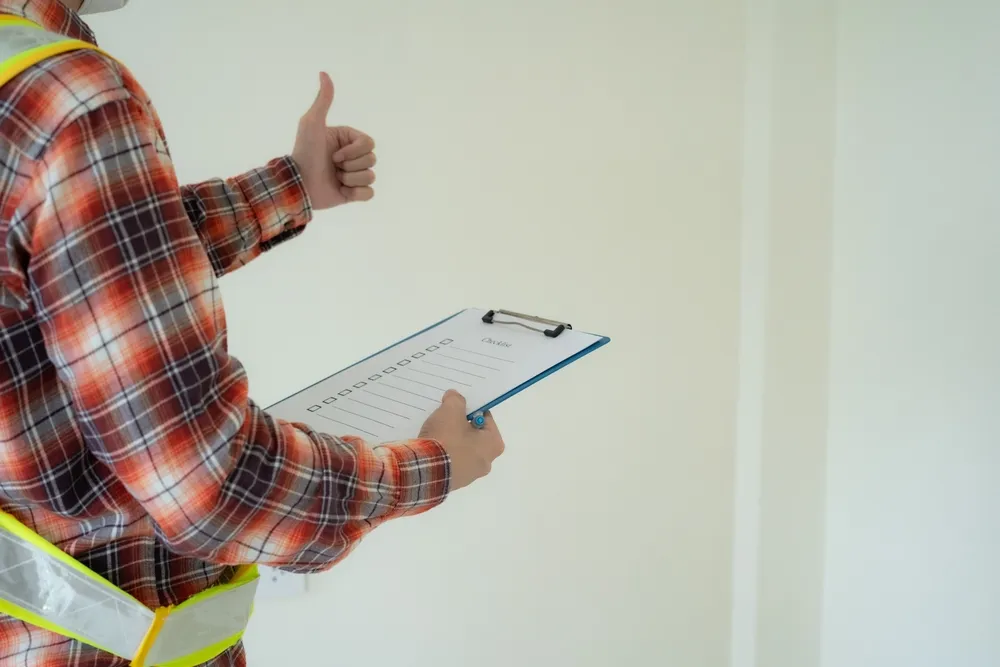
The process of preparing a dilapidation report isn’t relegated to the hands of any casual observer. It tightly falls within the domain of qualified professionals carrying an intricate knowledge of building structures and a trained eye for potential issues.
These are seasoned veterans in the field of building inspection, having earned their stripes through years of practical experience. They know how and where to look, identify subtle indicators that may elude the untrained eye, and understand the nuanced dynamics between various building elements.
As they meticulously prepare the dilapidation report, they utilise a blend of technical expertise, practical wisdom, and forensic curiosity, ensuring that the report is comprehensive, accurate, and most importantly, serves its purpose as an authoritative reference in the prism of construction-related property assessments.
Qualified professionals
Qualified professionals are essential when it comes to preparing a dilapidation report. These individuals have the expertise and experience necessary to conduct a thorough inspection of the property’s condition.
They can accurately identify any potential risks, damages, or defects that may exist. By hiring qualified professionals, such as building inspectors, engineers, architects, or interior design specialists, you can ensure that the report will be independent and unbiased.
This is crucial for construction projects as it provides a baseline assessment and protects your investment in the property. Additionally, real estate agents, pest inspectors, and legal office personnel may also benefit from engaging qualified professionals for their expertise in property assessment and documentation.
Independent and unbiased report
An independent and unbiased report is a crucial aspect of a dilapidation inspection. It ensures that the assessment of the property’s condition is fair, accurate, and impartial. This type of report is prepared by qualified professionals who have no personal interest in the outcome of the inspection.
By providing an objective evaluation, an independent and unbiased report gives homeowners, building inspectors, engineers, architects, interior design specialists, real estate agents, pest inspectors, and legal office personnel confidence in the findings and recommendations.
It serves as a reliable document for decision-making regarding property maintenance or construction projects. So whether you’re a homeowner looking to protect your investment or a professional involved in building surveying or structural analysis, an independent and unbiased report is essential for accurate assessments and peace of mind.
What to Expect in a Dilapidation Report
Imagine being a detective on the hunt for clues; this is the spirit embodied by a dilapidation report. Like a forensic record, this report delivers a meticulous inspection of the property’s status, bridging the gap between visual understanding and technical comprehension.
Accompanying the myriad of written observations are photographs, tangible evidence that paints a vivid picture of the current condition and backs up every claim or note. More than just marking areas of concern, these reports also identify potential risks that, if overlooked, may evolve into significant damages.
It’s this detailed elucidation of the property’s health that makes a dilapidation report an indispensable asset, providing homeowners, contractors, and potential buyers validation and insights, effectively combatting future disputes about the reparation of damages due to nearby construction activities.
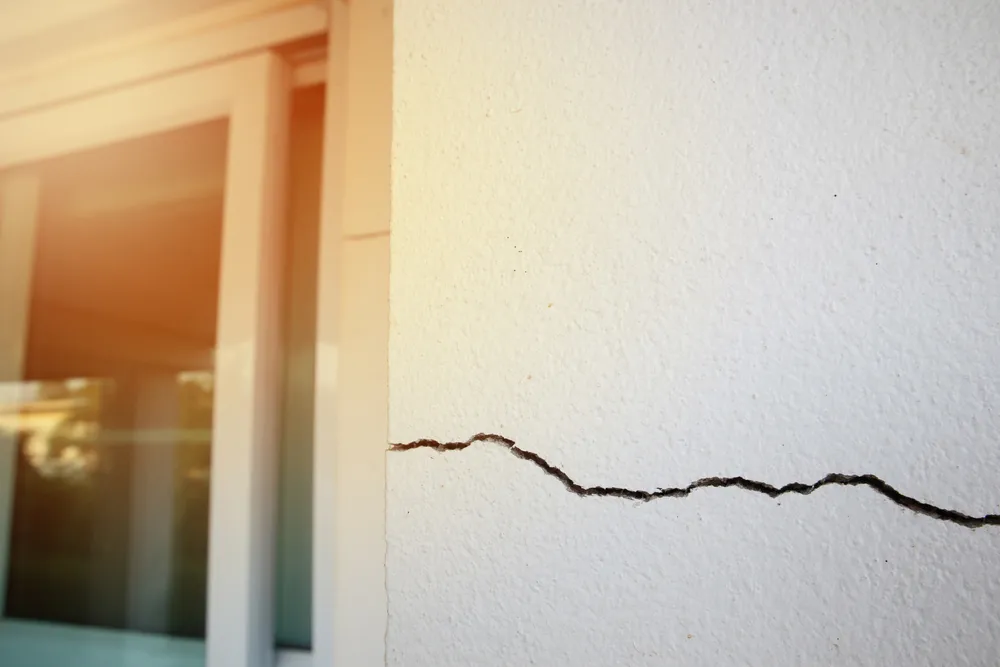
Detailed inspection of property condition
During a dilapidation inspection, a thorough assessment of the property’s condition is conducted. This involves carefully examining every aspect of the building, from its foundation to the roof.
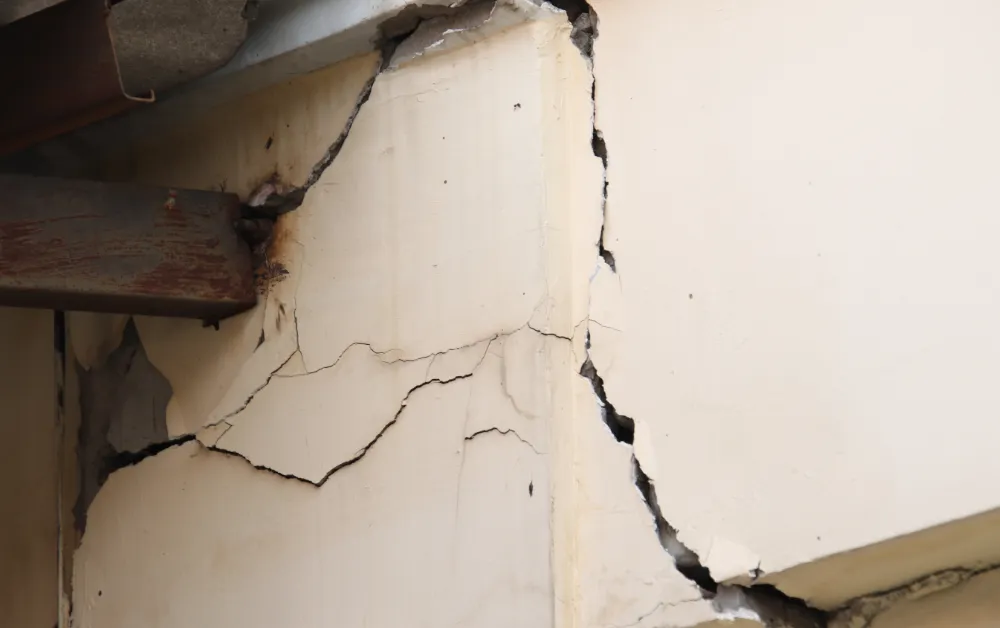
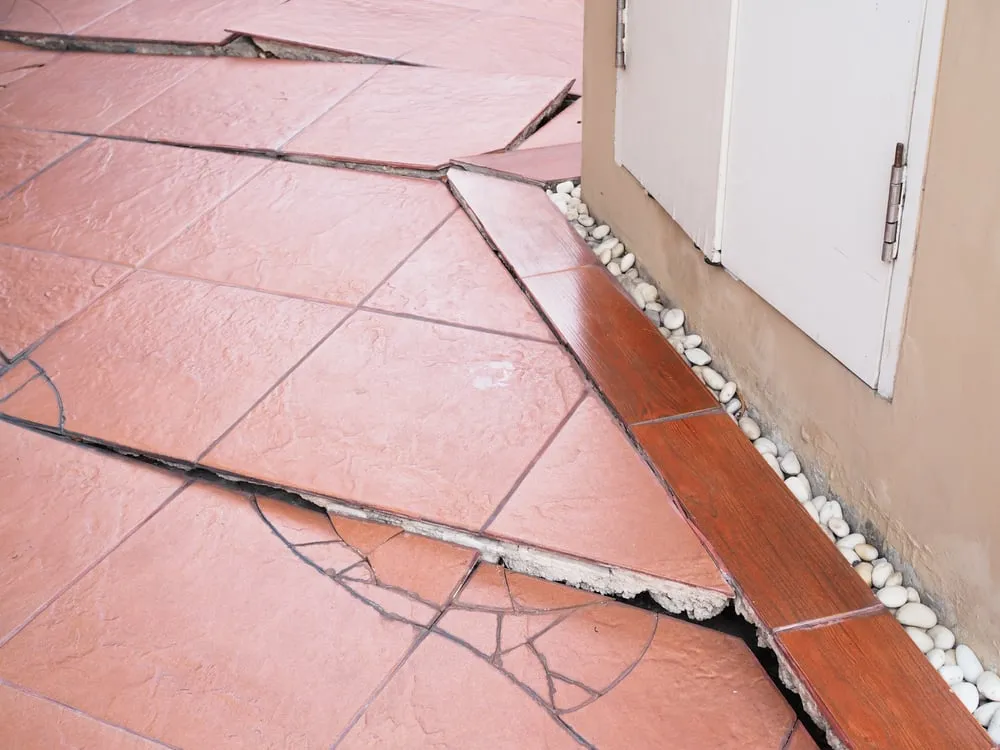
The inspector will look for any cracks, defects, or signs of deterioration that may be present. They will also document their findings through written observations and photographs to provide a comprehensive report.
This detailed inspection ensures that any preexisting damage or potential risks are identified and recorded accurately, allowing for proper evaluation and baseline establishment.
Photographs and written observations
Our comprehensive dilapidation reports include a crucial element: photographs and written observations. During the inspection, our inspectors thoroughly document the condition of your property through detailed visual evidence and descriptive notes.
The inclusion of photographs ensures that any preexisting damage or defects are accurately recorded and can be easily referenced. Our written observations provide an in-depth analysis of the property’s structural integrity, surrounding buildings, and potential risks or damages.
With this thorough documentation, you can have peace of mind knowing that your investment is protected and any necessary repairs or maintenance can be addressed promptly.
Potential risks and damages
During a dilapidation inspection, it is important to assess the potential risks and damages that may exist. This includes identifying any preexisting damage, defects or structural issues that could pose a safety concern or lead to further deterioration of the property.
By documenting these risks and damages in a comprehensive report, homeowners can be aware of any necessary repairs or maintenance needed to ensure the structural integrity and safety of their property.
Building inspectors, engineers, architects, interior design specialists, real estate agents, pest inspectors and legal office personnel must all be diligent in evaluating and reporting on any potential risks and damages during a dilapidation inspection.
Ensuring the Quality of a Dilapidation Report
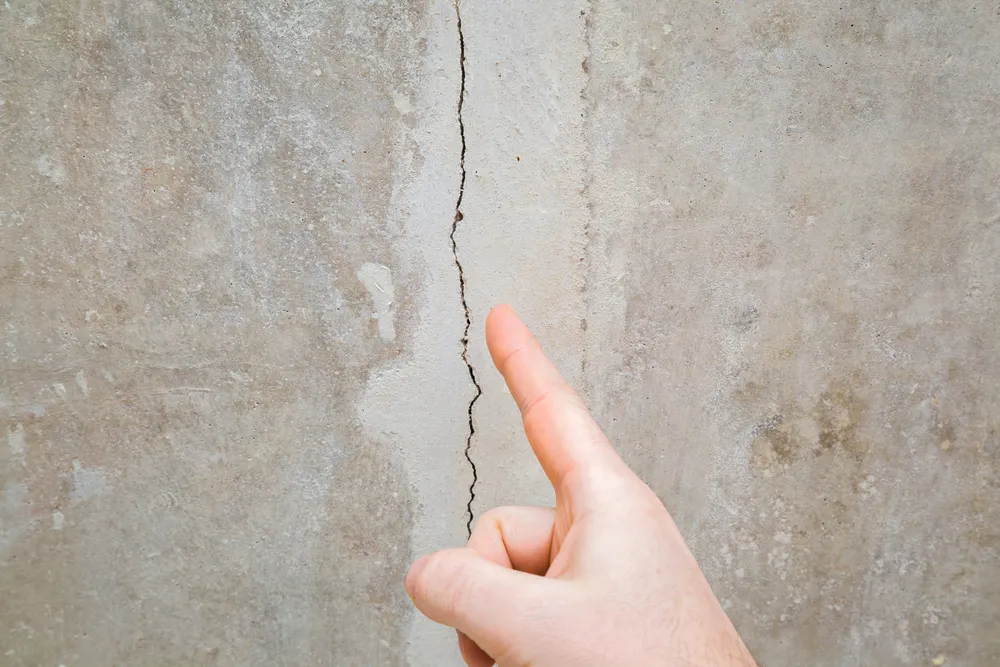
While a dilapidation report is instrumental in chronicling the health of a building, its value is heavily hinged on the quality of the report itself. Ensuring this quality is a three-pronged process. First, the report must comply with Australian standards, which serve as a bellwether for inspection procedures and reporting guidelines, establishing a uniform, rigorous approach.
Secondly, the quality of the report is dictated by the acumen of the inspector, their expertise and experience serving as a linchpin in accurate and effective identification, assessment and documentation of potential damages and structural risks.
Finally, crafting a top-notch dilapidation report demands comprehensive documentation, including clear visuals and precise descriptions to ensure every aspect of the property’s present condition and potential risks is captured. This trifecta of factors defines the strength of a dilapidation report, shaping it into a trustworthy, dependable, and beneficial tool in the realm of property management, construction and renovation.
Compliance with Australian standards
Our team ensures that all dilapidation reports are in compliance with Australian standards. This means that we follow the guidelines and regulations set by relevant authorities to ensure accuracy, thoroughness, and reliability of our inspections.
By adhering to these standards, we can provide our clients with confidence in the quality of our reports and assurance that their properties have been assessed according to industry best practices.
Rest assured, when you choose us for your dilapidation inspection needs, you can expect a report that meets all Australian standards.
Expertise and experience of the inspector
Our dilapidation reports are conducted by experienced inspectors. With their expertise in building inspections, engineering, architecture, and interior design, they possess the knowledge necessary to comprehensively assess the condition of your property.
Our team of professionals also have extensive experience in conducting these inspections, ensuring that they can accurately identify any potential risks or damages. By relying on our skilled inspectors, you can trust that you will receive a detailed and unbiased report that meets Australian standards for excellence.
Comprehensive documentation
We provide comprehensive documentation as part of our dilapidation inspection services. Our inspectors meticulously assess the condition of your property, documenting any preexisting damage, defects, or potential risks.
We use photographs, written observations, and measurement documentation to ensure a thorough assessment. Our detailed reports include diagrams and comprehensive analysis of the surrounding buildings’ conditions as well.
With our comprehensive documentation, you’ll have a clear understanding of your property’s current state and be equipped with the necessary information for future maintenance or legal purposes.
Call Us!
A dilapidation report plays a vital role in construction projects by assessing the condition of surrounding buildings and establishing a baseline for future evaluations.
It provides comprehensive documentation with photographs and written observations to identify any preexisting damage and potential risks. Ensuring the quality of the report involves compliance with Australian standards, expertise of the inspector, and thorough documentation.
With these crucial elements in place, homeowners can protect their investments and construction projects can proceed with confidence.