Peeling back the layers of a mould inspection report reveals crucial elements that paint a comprehensive picture of the mould situation within a property. This detailed document serves as a roadmap to understanding the extent, source, and implications of the mould problem.
But for those unacquainted, a mould inspection report can seem quite complex. So let’s explore what you can expect to find in this report and break down its key components.
Together, we’ll shed light on how this tool helps guide effective mould remediation strategies and ensures the health and safety of your environment.
Key Takeaways
- A professional mould inspection involves a thorough visual examination, moisture survey, humidity and temperature checks, and air sampling to identify the presence and extent of mould growth.
- Early detection during a mould inspection can prevent costly damage to your property and minimise health risks associated with mould exposure.
- Hiring a professional for mould remediation ensures the safe and effective removal of mould and improves indoor air quality.
What is a Mould Inspection?
The meticulous process of a mould inspection is a critical first step in preventing future mould issues and protecting the health of inhabitants. This begins with a thorough examination of the property to discern not only the presence of mould but also to gauge the extent of its growth.
Through systematic probing and detailed analysis, the process uncovers the magnitude of the issue, which is crucial in designing an effective remediation strategy. Additionally, a part of this detailed scrutiny assesses and records any visible damage to the property inflicted by unruly mould growth.
Essentially, the mould inspection process balances a dual role – it not only aims to document the physical damage caused within the property but also pinpoints potential health risks to inhabitants, giving a comprehensive overview of the situation.
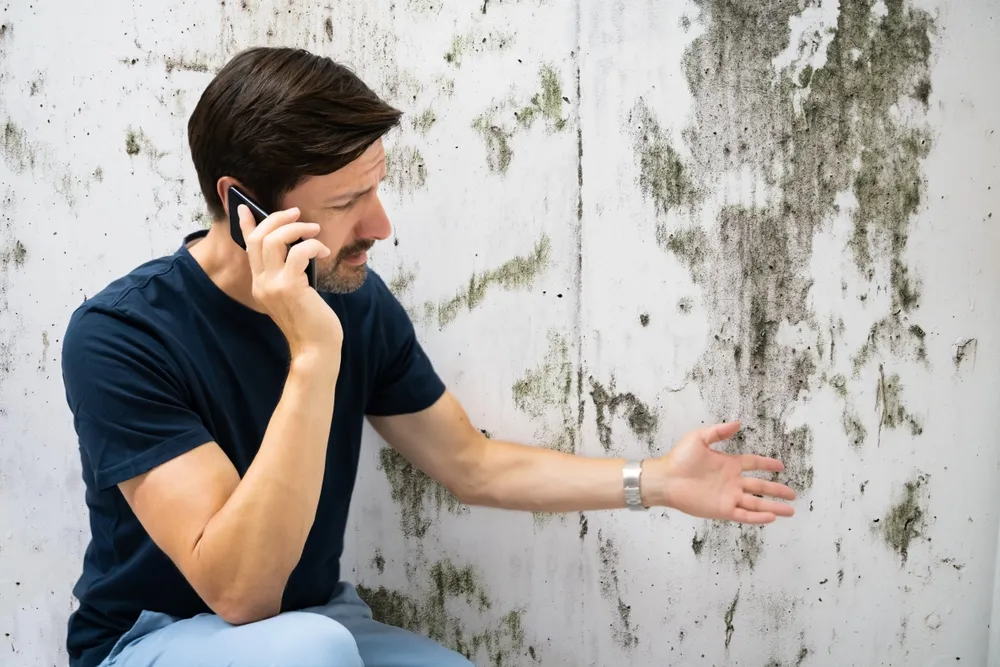
Definition of mould
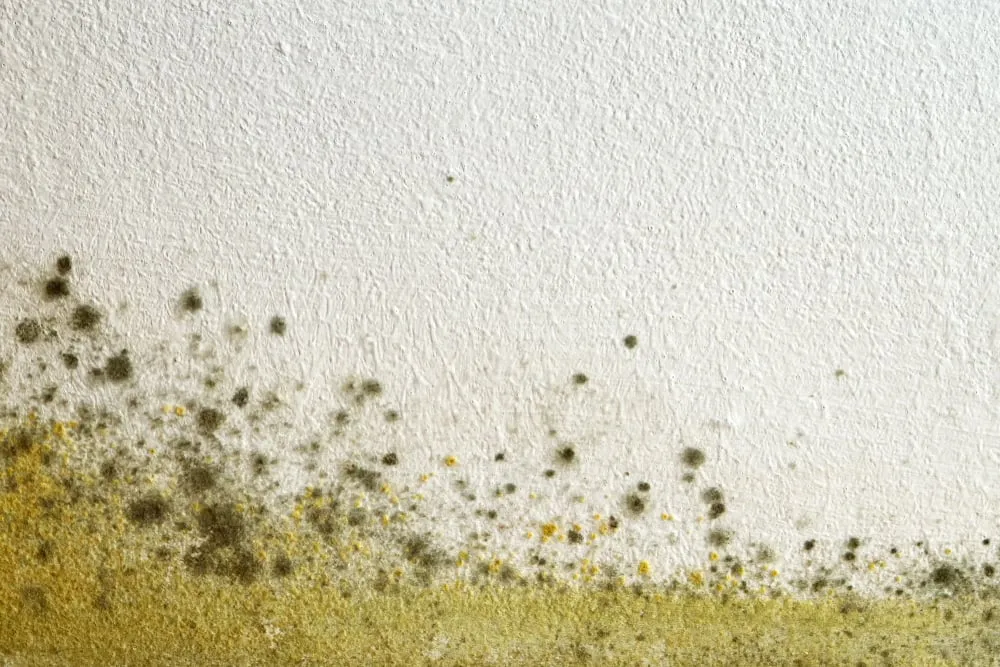
Mould is a type of fungus that thrives in damp and humid environments. It reproduces by releasing tiny spores into the air, which can be breathed in by people or pets. Mould can grow on various surfaces, including walls, furniture and clothes when exposed to moisture for a long period.
Although some moulds are harmless, certain types produce toxins that have potential health risks. When mould grows excessively indoors, it could cause structural damage to your property over time if left untreated.
Mould often appears as spots varying in colour from white to green and brown to black.
Home & health risks associated with mould
Mould is not just unsightly, it can also pose serious risks to your home and health. When left unchecked, mould growth can cause damage to the structure of your property and compromise its integrity.
Additionally, exposure to mould spores can lead to a range of health issues such as respiratory problems, allergies, and even infections. It is crucial to address any signs of mould growth promptly to protect both your property and the well-being of those who live in it.
Our professional mould inspection services aim to identify any areas affected by mould and assess the extent of the damage. By conducting a thorough visual inspection along with specialised processes like thermal imaging and moisture meters, we can pinpoint hidden sources of moisture that contribute to mould growth.
Importance of Professional Mould Inspection
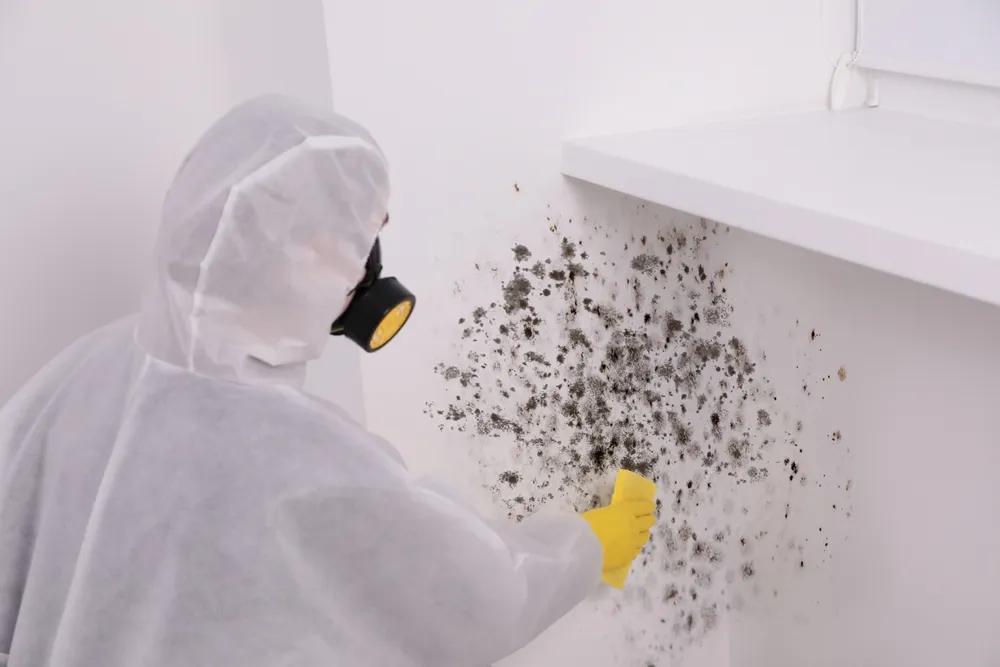
Engaging professional mould inspection services tenders a host of crucial benefits that contribute to a healthier and safer living environment. Firstly, it paves the way for the early detection of mould, a vital step in preventing the situation from spiralling into an extensive, harder-to-manage issue.
Beyond initial detection, professional inspectors possess the skills and tools necessary for an accurate diagnosis, laying the foundation for an effective and safe remediation process. The inspection process furthermore contributes significantly to the enhancement of indoor air quality, mitigating risks associated with mould-induced health complications.
Lastly, it serves as insurance for your investment, turning a spotlight on potential hazards and mitigating them before they evolve into expensive problems, thereby keeping your property’s value intact.
Early detection
Detecting mould growth in its early stages is crucial for preventing significant damage and health risks. During a professional mould inspection, trained experts utilise specialised processes such as visual inspection, thermal imaging, and moisture meters to identify any signs of mould growth.
By catching the problem early on, homeowners can take immediate action to prevent further spread and minimise costly repairs. It also allows for timely remediation, leading to improved indoor air quality and protecting the overall value of the property.
Regular inspections help ensure that potential mould issues are identified before they become major concerns.
Accurate diagnosis
During a professional mould inspection, one of the crucial elements is accurate diagnosis. This involves the identification and assessment of any mould growth in your property, as well as determining its cause and extent.
With specialised processes such as visual inspection, moisture survey, humidity and temperature checks, and air sampling, professionals can gather the necessary information to accurately diagnose the presence of mould.
The findings from this diagnosis are then compiled into a detailed report that includes recommendations for remediation. By achieving an accurate diagnosis, you can take appropriate measures to address the mould issue effectively and protect your indoor air quality.
Safe and effective remediation
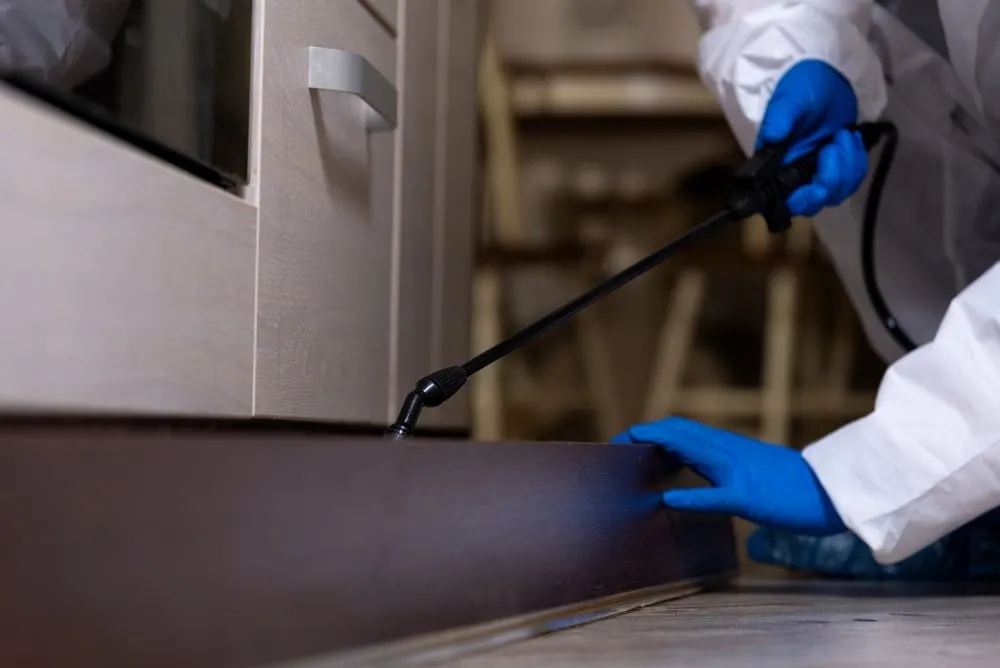
To ensure the safety and effectiveness of remediation for mould, it is crucial to hire a professional who specialises in this process. Professional mould remediators have the knowledge, experience, and tools necessary to handle the job properly.
They will use specialised processes such as visual inspection, thermal imaging, and moisture meters to accurately assess the extent of the mould damage. Based on their findings, they will provide detailed recommendations for remediation that will effectively eliminate mould growth and improve indoor air quality.
By opting for professional remediation, you can have peace of mind knowing that your property is being treated safely and efficiently.
When it comes to safe and effective mould remediation, it’s essential to rely on professionals who understand mould growth causes and how it affects your property’s humidity levels and moisture levels.
With their expertise in mould assessment recommendations and thorough inspection procedures, they can develop a detailed report with findings specific to your situation. This allows them to tailor their recommendations accordingly so that you can address any existing or potential mould issues promptly.
Improved indoor air quality
Our professional mould inspection services not only focus on identifying and addressing mould issues in your property but also on improving the indoor air quality of your home or building.
By eliminating mould growth and reducing moisture levels, we can help create a healthier living environment for you and your family. Our detailed report will provide recommendations to enhance ventilation systems, control humidity levels, and prevent future mould problems.
With our expertise, you can breathe easy knowing that your indoor air quality is improved and protected.
Protecting your investment
To protect your investment, it is crucial to prioritise professional mould inspection and remediation. By detecting mould growth early on, you can prevent costly damage to your property.
A detailed report from a specialised inspector will provide findings and recommendations for effective remediation. This helps ensure that any potential health risks associated with mould exposure are minimised and that the indoor air quality of your property is improved.
Taking these preventative measures not only safeguards your investment but also gives you peace of mind knowing that your home or building is free from mold-related issues.
What to Expect During a Professional Mould Inspection
Engaging the services of a professional mould inspection promises a comprehensive and meticulous evaluation of your property. This usually kicks off with a widespread visual examination of all accessible areas to identify any visible signs of mould presence.
In addition, specialised processes come into play to dive deeper into the state of the property. Tools like LED torches are used to shine a light on hard-to-see areas, unearthing signs of mould that may not be visible to the naked eye.
More technologically advanced solutions, such as thermal imaging, also find their way into the procedure, helping detect mould hidden behind walls or within structures, thereby ensuring that no stone is left unturned in the quest to identify mould.
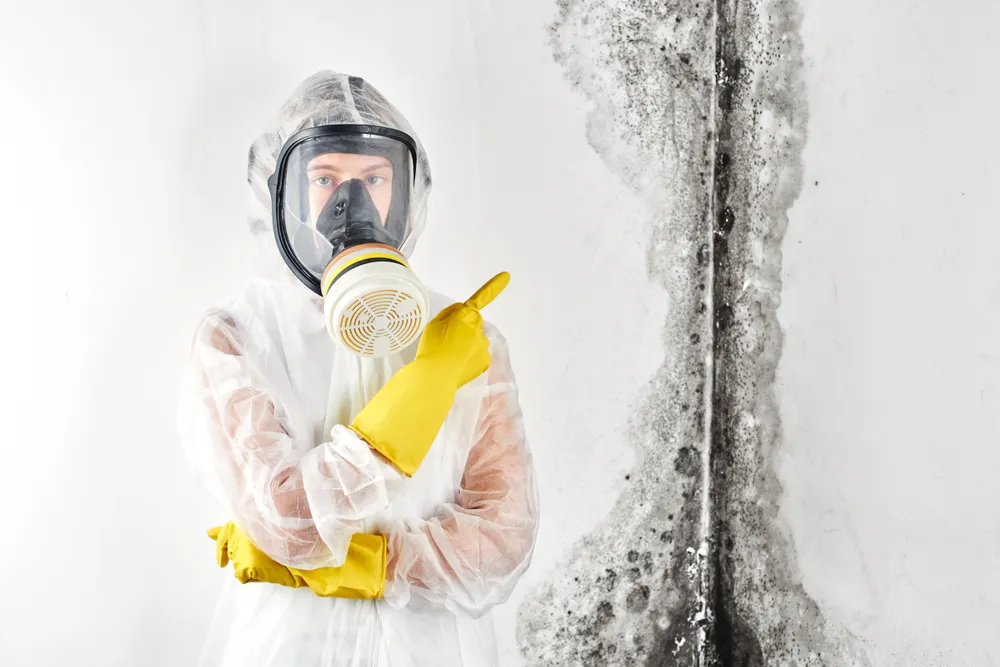
Visual inspection
During a professional mould inspection, one of the crucial elements is the visual inspection. This involves thoroughly examining the property for any visible signs of mould growth or water damage.
The inspector will use specialised tools such as LED torches and thermal imaging cameras to detect hidden areas of moisture that may be promoting mould growth. By visually inspecting all areas, including walls, ceilings, floors, and plumbing fixtures, they can identify any potential issues and assess the extent of the mould damage.
This visual assessment is essential in determining the appropriate remediation plan and providing accurate recommendations for resolving the problem effectively.
Moisture survey
During a professional mould inspection, one of the crucial elements is the moisture survey. This involves checking for any sources of excess moisture that may be contributing to the mould growth.
The inspector will use specialised tools such as moisture meters and thermal imaging cameras to identify areas with elevated moisture levels. By conducting a thorough moisture survey, the inspector can pinpoint potential problem areas and provide recommendations for remediation.
This helps in preventing further mould damage and improving indoor air quality.
Humidity and temperature checks
During a professional mould inspection, humidity and temperature checks are conducted to assess the conditions that promote mould growth. We use specialised tools like hygrometers to measure humidity levels and thermometers to monitor temperature fluctuations.
By examining these factors, we can determine if any areas of excessive moisture or inadequate ventilation in your property may contribute to mould growth. This information is crucial for identifying potential problems and recommending appropriate remediation measures.
Air sampling
During a professional mould inspection, air sampling is an essential step in assessing the presence and concentration of mould spores in the indoor environment. This process involves using specialised equipment to capture air samples from different areas of the property.
These samples are then analysed in a laboratory to determine the type and quantity of mould particles present. By conducting air sampling, experts can provide accurate information about the extent of mould contamination and help develop appropriate remediation strategies.
Detailed report with findings and recommendations
Our team provides a detailed report that includes all the findings and recommendations from our professional mould inspection. This report is essential for homeowners, building inspectors, engineers, architects, interior design specialists, real estate agents, pest inspectors, and legal office personnel.
It gives you a clear understanding of the extent of mould damage in your property and identifies any potential health risks associated with it. Our findings are backed by specialised processes such as visual inspections using LED torches, thermal imaging for detecting hidden mould growth patterns, and moisture meters to assess humidity levels.
Based on these findings, we provide specific recommendations for effective mould removal and remediation strategies tailored to your property’s needs. Trust us to deliver an accurate assessment along with expert advice to ensure the safety of your investment and improve indoor air quality.
During our professional mould inspection process, we conduct a thorough examination of your property using advanced techniques like air sampling to analyse the presence of mould spores.
Our detailed report concisely presents these findings without overwhelming technical jargon so that you can easily understand the severity of the situation. It also outlines recommended actions based on industry best practices to prevent further mould growth or secondary issues caused by excessive moisture levels or water damage.
Call Us!
A professional mould inspection report is crucial for identifying and addressing any potential mould issues in your property. With visual inspections, moisture surveys, humidity and temperature checks, and air sampling, you can expect a comprehensive assessment of the mould growth patterns and their impact on your indoor air quality.
The detailed report will provide valuable findings and recommendations to ensure safe and effective remediation measures are taken.