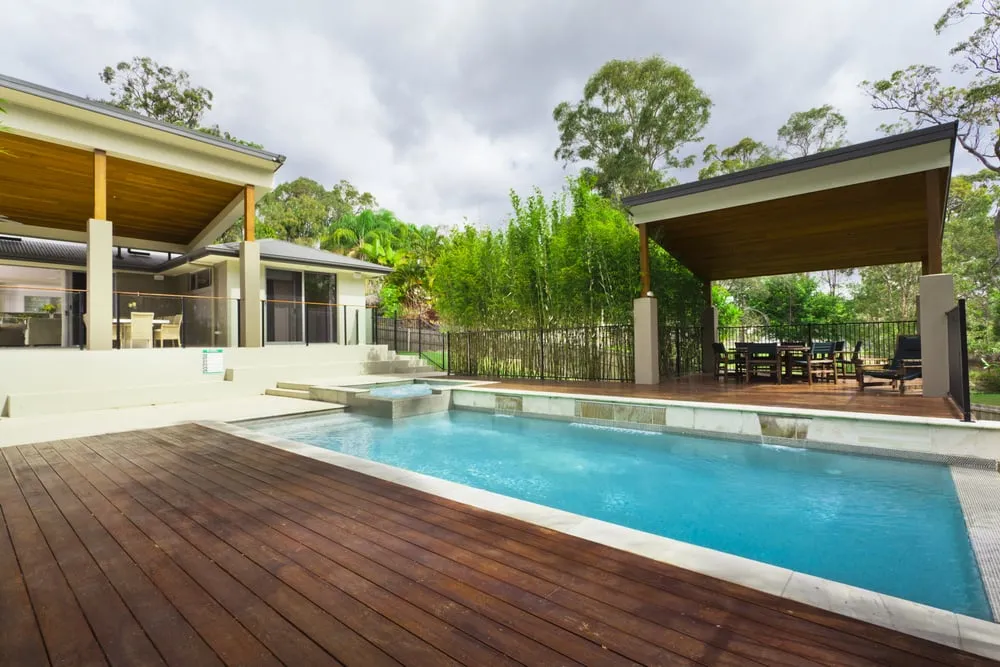
There’s no denying the allure of a glistening pool or a relaxing spa in your backyard. While they serve as perfect settings for family get-togethers, calming solitudes, or energising fitness routines, being a pool or spa owner also brings a considerable set of responsibilities. One of the top priorities should be ensuring your facilities meet safety standards and pass regular inspections. But how do you navigate this process and what does it involve?
In this post, we’ll dive into the complexities of pool and spa inspections, giving you a detailed roadmap on how to prepare for them and the steps you can take to ensure your facilities aren’t just stunning, but safely up to code. Join us, as we delve into the deep end of maintaining compliant and safe aquatic setups for all to enjoy!
Key Takeaways
- Regular pool and spa inspections are essential for the safety of your family and guests.
- Complying with regulations and fixing any issues beforehand can help prevent accidents and injuries.
- Maintaining proper water quality and cleanliness is crucial for a worry-free swimming experience.
- Inspectors focus on key areas such as water quality, safety covers, and fencing during inspections.
Importance of Pool and Spa Inspections
Owning a pool or spa is undoubtedly a luxurious and enjoyable amenity, but along with all that fun comes sobering responsibility. One of the most important duties of a pool or spa owner is regular professional inspections. These checks serve multiple purposes, beginning with preserving the safety of your family and guests; professional inspections ensure that all safety measures – like secure fences and responsive emergency systems – are operational and effective.
Further, they confirm that your recreational amenity is in compliance with local and national regulations, safeguarding you from potential legal complications. Of paramount importance, though, is the role of these inspections in the prevention of accidents and injuries, representing a proactive approach to security that could be lifesaving.
Hence, pool and spa inspections are less of a choice and more of a responsibility that ensures a safe and joyful experience for all.
Ensuring safety for family and guests
Regular pool and spa inspections keep your loved ones out of harm’s way. By ensuring that your backyard pools meet safety standards, you create a safe environment for family reunions or parties with friends.
Having a certified inspector assess the water quality, check pH levels, and inspect all pool equipment will prevent any unexpected incidents. Don’t overlook the importance of secure fencing – it is not only mandated by law but also prevents children from accessing the pool unsupervised.
With proactive measures like these, you can ensure everyone has fun while staying safe around the swimming area.
Compliance with regulations and laws
Complying with regulations and laws is essential when it comes to pool and spa inspections. As homeowners, it is our responsibility to ensure that our pools meet all the necessary safety standards set by building industry policies.
This includes engaging a licensed pool safety inspector to inspect our pool and confirm its compliance with these standards. By following these regulations, we can maintain a safe and compliant pool area for ourselves, our families, and any guests who may use the pool or spa.
So let’s make sure we stay up-to-date with the latest guidelines and requirements to ensure that our pools pass inspections with flying colors!
Preventing accidents and injuries
Pool and spa accidents can lead to serious injuries or even fatalities, which is why it’s crucial to take preventive measures. By following safety guidelines and maintaining your pool or spa properly, you can significantly reduce the risk of accidents and injuries.
Regular inspections help ensure that all safety features, such as pool covers and fencing, are in place and functioning correctly. Additionally, proper water quality maintenance is essential for preventing illnesses and infections associated with contaminated water.
Taking these proactive steps will help create a safe environment for your family, guests, and anyone using your pool or spa facilities.
Steps to Prepare for a Pool and Spa Inspection
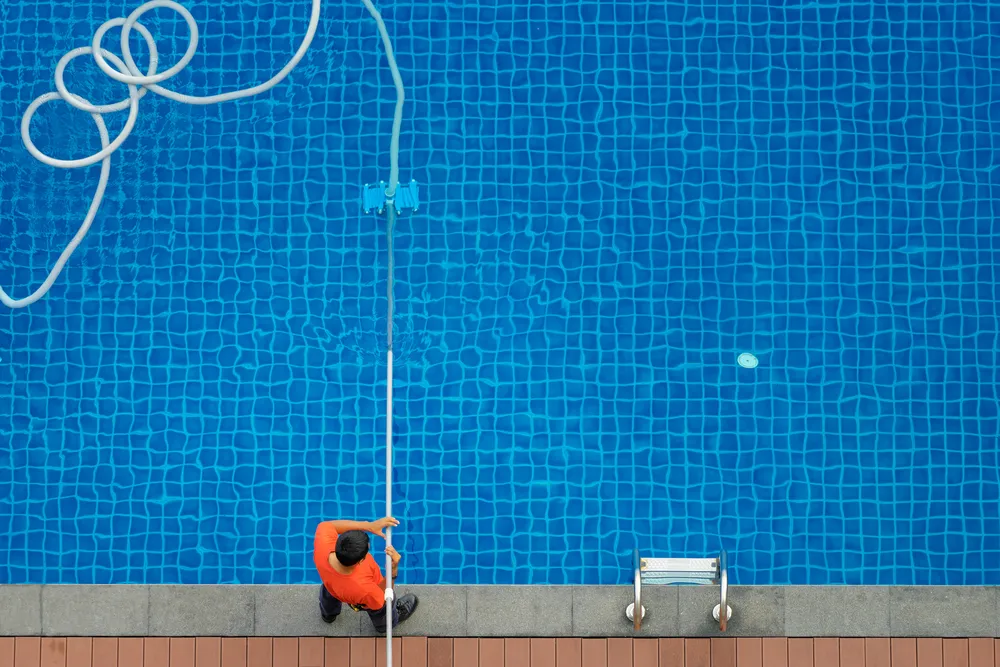
Jumping into a pool and spa inspection without proper preparation could lead to stumbling blocks that may not just cause a failed inspection but also pose safety risks. To glide through the process smoothly, homeowners should proactively address any existing issues in their installations, be it minor cracks, non-functioning equipment, or faulty safety measures.
Having a solid grasp of the required standards and regulations is just as essential, as this knowledge forms the foundation for maintaining your facilities in a condition ready for inspection at all times. Central among these requirements is maintaining impeccable water quality, ensuring its balance and clarity, and overall cleanliness for the entire area, from the pool or spa itself to its surrounding environments.
By dedicating attention to these areas, homeowners can turn the inspection process from a daunting task into a confirmation of their facilities’ excellent state, spotlighting their committed efforts towards safety and quality maintenance.
Fixing any issues beforehand
To ensure a successful pool and spa inspection, it’s crucial to address any issues beforehand. This proactive approach will help you identify and fix any potential safety hazards or compliance issues.
Regularly inspect your pool area for damaged fences, non-functioning alarms, or faulty equipment. Make sure the water is clean and chemically balanced, with appropriate levels of chlorine and pH.
By taking care of these concerns early on, you’ll increase the chances of passing your inspection with flying colours. Remember, maintaining a safe and compliant pool environment is essential for the well-being of your family and guests.
Understanding requirements and regulations
Understanding the requirements and regulations surrounding pool and spa inspections is crucial for homeowners, building inspectors, engineers, architects, interior design specialists, real estate agents, pest inspectors, and legal office personnel.
By familiarising yourself with these guidelines, you can ensure that your pool or spa meets the necessary safety standards. This includes knowing the specific laws in your area regarding pool fences, covers, water quality testing, and maintenance responsibilities.
Staying informed about these requirements will help you proactively address any issues before an inspection takes place and increase the chances of your pool or spa passing inspection successfully.
Maintaining proper water quality and cleanliness
We take water quality and cleanliness seriously in order to ensure a safe and enjoyable swimming experience for everyone. Regular maintenance is key to keeping your pool or spa water clean and healthy.
We regularly test the pH and chlorine levels of the water, as well as clean out any debris or dirt that may accumulate. By following these simple steps, we can maintain proper water quality and cleanliness, ensuring a pleasant environment for all swimmers.
What to Expect During a Pool and Spa Inspection
Diving into a pool and spa inspection process can be intimidating if you’re unaware of what it entails. These inspections are meticulously executed by trained professionals who examine your facilities with an eagle eye, scanning for compliance with safety regulations and operational guidelines.
Central to these checks are key areas that directly influence the safety and quality of your recreational amenity – this includes the water quality, ensuring the pH, sanitiser, and clarity levels are within stipulated limits; the presence and condition of safety covers on pools and spas; as well as the integrity and efficiency of fencing, particularly crucial in preventing accidental entries and potential mishaps.
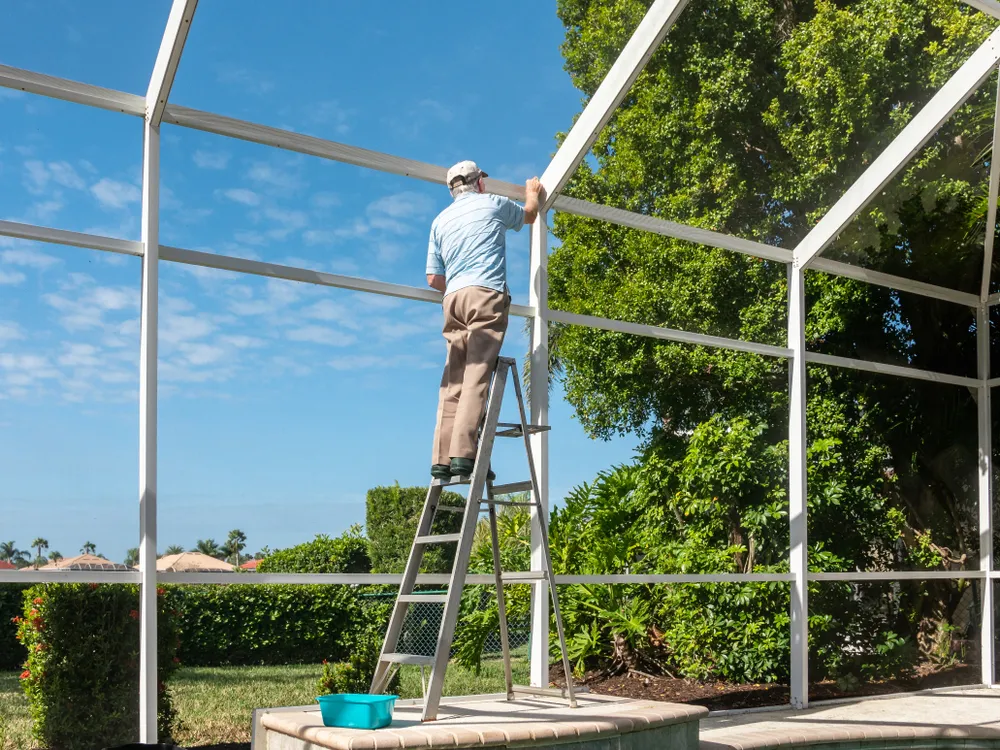
Learning more about these aspects, and understanding how to adhere to the prescribed guidelines, equips you with the knowledge to glide through the inspection process successfully. With the right know-how and compliance, you can ensure your pool and spa are certified safe, offering a blissful experience for anyone who wishes to plunge in.
Inspection process and procedures
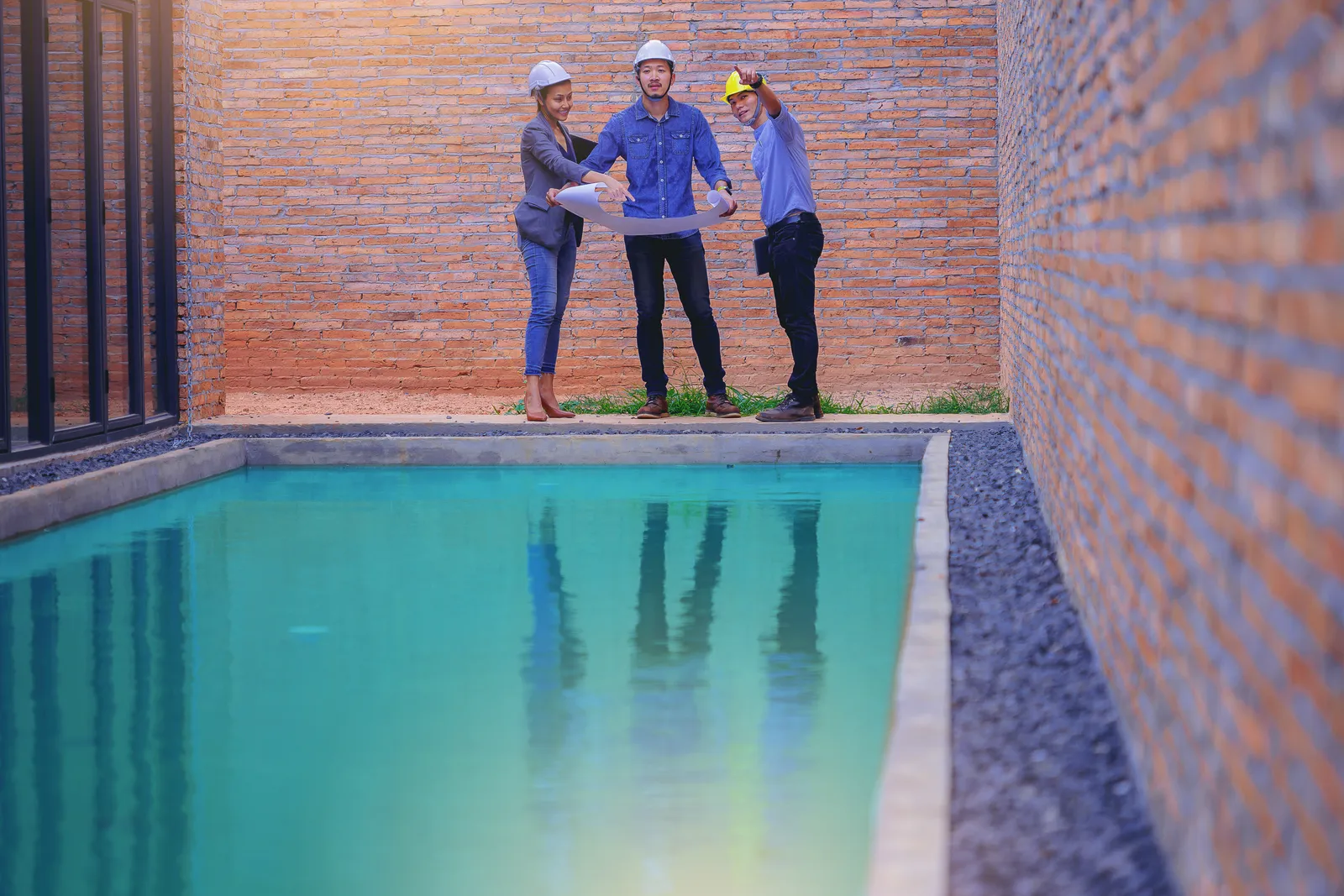
During a pool and spa inspection, registered building surveyors or inspectors will follow specific procedures to ensure compliance with safety standards. They will thoroughly examine various aspects of your pool area, including the water quality, fencing requirements, and overall safety measures.
The inspection process involves checking for any potential hazards or non-compliance issues that could pose a risk to swimmers. Inspectors will assess if the pool meets all relevant regulations and guidelines, such as having proper safety covers and maintaining adequate water cleanliness.
By following these inspection procedures, you can ensure that your pool and spa are safe for your family and guests to enjoy.
Common areas of focus for inspectors
During pool and spa inspections, inspectors pay close attention to several key areas to ensure compliance with safety regulations. Firstly, they thoroughly examine the pool’s safety covers and fencing requirements.
Inspectors check that all necessary barriers are in place to prevent accidental access to the pool area. Secondly, water quality is a major focus. Inspectors test the pH and chlorine levels to ensure they fall within acceptable ranges for public health and safety.
Lastly, inspectors inspect equipment such as diving boards or slides for any signs of damage or hazards. By carefully assessing these common areas of focus, inspectors can help ensure that your pool or spa meets the necessary standards for a safe and enjoyable experience.
Pool safety covers and fencing requirements
When it comes to pool safety, having the right covers and fencing in place is crucial. Pool safety covers not only help keep debris out of your pool but also act as a barrier, preventing accidents and ensuring compliance with regulations.
They should be strong enough to support the weight of a person and securely cover the entire surface of the pool. Additionally, fencing requirements are an important aspect of pool safety.
Fences should surround the pool area, be at least four feet high, have self-closing gates with latch mechanisms out of reach for children, and meet specific spacing requirements to prevent small children from squeezing through or climbing over.
The Importance of Regular Pool and Spa Inspections
Regular pool and spa inspections are crucial for ensuring the safety of your family and guests. By complying with regulations, fixing any issues beforehand, and maintaining proper water quality, you can prevent accidents and injuries. Pool and spa inspections aren’t just a matter of safety; they’re also integral for obtaining the necessary certifications that confirm your installations meet regulatory standards.
These certifications, often issued by local authorities or accredited organisations, serve as official validation that your pool or spa adheres to safety protocols, water quality stipulations, and construction norms, providing not only peace of mind to owners but also assurance to any guests or potential property buyers.
Stay proactive in keeping your pool and spa up to standard to enjoy a worry-free swimming experience.