In a world that’s increasingly conscious about health and safety, understanding certain residential and commercial risks becomes crucial. One significant hazard lurking in older buildings is asbestos.
Known for its severe health implications, it’s vital to recognise the presence of this harmful substance early on. Asbestos inspections play a cardinal role in this identification, but the process involves numerous facets that property owners need to familiarise themselves with.
Let’s dissect these essential aspects of asbestos inspections, equipping you with vital knowledge to ensure a safe and healthy environment.
Key Takeaways
- There are two main types of asbestos surveys: management surveys and refurbishment/demolition surveys. These surveys help identify the presence and condition of asbestos-containing materials (ACMs) in buildings, ensuring proper management and removal if necessary.
- Asbestos surveys offer several benefits, including identifying potential hazards, complying with regulations, and ensuring the safety of occupants during renovations or property transactions.
- An experienced asbestos surveyor plays a crucial role in conducting thorough inspections, collecting samples for analysis, and providing accurate reports on ACMs’ condition to ensure compliance with regulations and protect against the dangers of asbestos exposure.
- Legal requirements mandate that all buildings constructed before 2004 must be inspected for asbestos. Compliance with these obligations is essential for protecting individuals from the health risks associated with exposure to this hazardous material.
What is Asbestos?
Asbestos is a dangerous mineral that is commonly used in building materials due to its fire-resistant and insulating properties. It comes in different types, such as chrysotile, amosite, and crocidolite.
Asbestos can be found in various locations within a property, including roofs, insulation, flooring, pipes, and textured coatings. Asbestos exposure can lead to severe health risks such as lung cancer and mesothelioma.
Legislation has been put in place to regulate the handling and removal of asbestos materials to protect individuals from its harmful effects.
Types of Asbestos
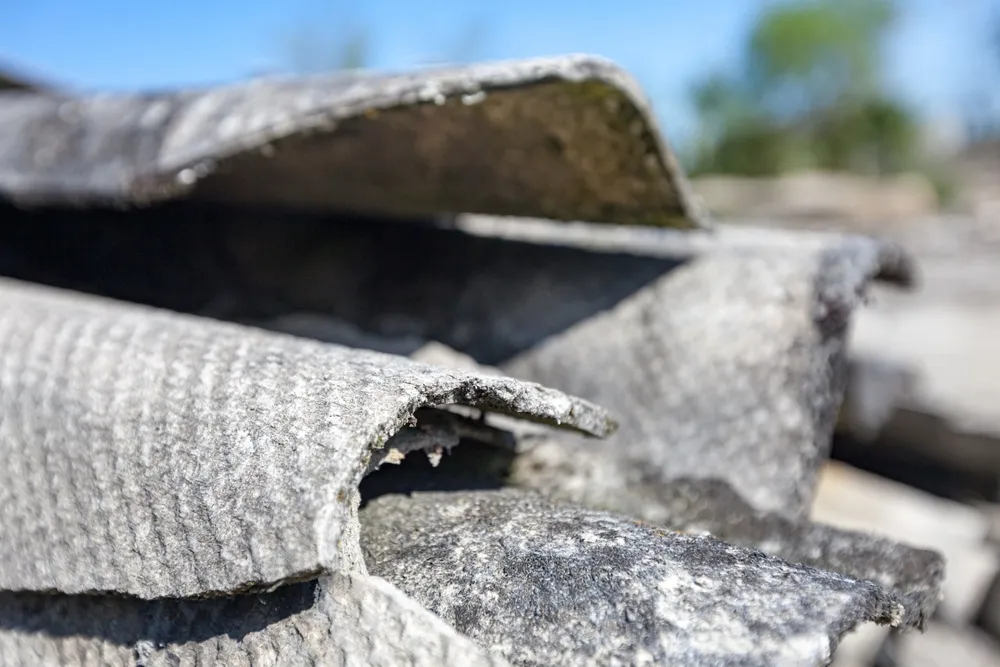
Six primary varieties of asbestos exist: Chrysotile, Crocidolite, Amosite, Anthophyllite, Tremolite and Actinolite. Chrysotile or white asbestos is the most common type found in building materials around the world.
Next come Amosite (brown asbestos) and Crocidolite (blue Asbestos), which exhibit high heat resistance qualities; however, they are considered highly dangerous because of their fibrous nature that often leads to lung-related diseases upon inhalation over time.
Being well-informed about these types will guide our decisions when handling potential asbestos-containing materials during inspections or renovations.
Common Locations
Asbestos can be found in various common locations within buildings. It is often present in older homes, particularly those built before the 1980s when asbestos use was prevalent. Common areas where asbestos may be found include roof and wall materials, insulation (both thermal and acoustic), floor tiles, ceiling tiles, pipe lagging, and even some plumbing fixtures.
Other potential locations for asbestos include electrical switchboards, gaskets and seals on appliances, textured coatings on walls and ceilings, as well as certain types of cement products.
These are important areas to inspect for asbestos to ensure proper management and safety measures are in place.
During an asbestos inspection, it is crucial to thoroughly assess these common locations for any signs of contamination or the presence of Asbestos-Containing Materials (ACMs). Identifying these areas accurately through visual inspection or lab analysis reports is essential to determine appropriate treatment or removal methods if required.
Health Risks
Asbestos poses serious health risks to individuals who are exposed to it. Breathing in asbestos fibres can lead to the development of lung diseases such as asbestos-related lung cancer, mesothelioma, and asbestosis.
These diseases may not manifest immediately but can take years or even decades to develop. Homeowners, building inspectors, engineers, architects, interior design specialists, real estate agents, pest inspectors, and legal office personnel must be aware of these health risks associated with asbestos exposure.
By understanding the dangers posed by asbestos, they can take appropriate precautions and ensure the safety of themselves and others when dealing with materials that may contain this hazardous substance.
Legislation
We must be aware of the legislation surrounding asbestos inspections. There are strict regulations and work safety guidelines that govern the process. It is important to follow these laws to ensure the safety of everyone involved.
Legislation includes requirements for asbestos surveys, clearance inspections, and asbestos removal. By adhering to these legal guidelines, we can effectively protect ourselves and others from the dangers of asbestos exposure.
Essential Aspects of Asbestos Inspections
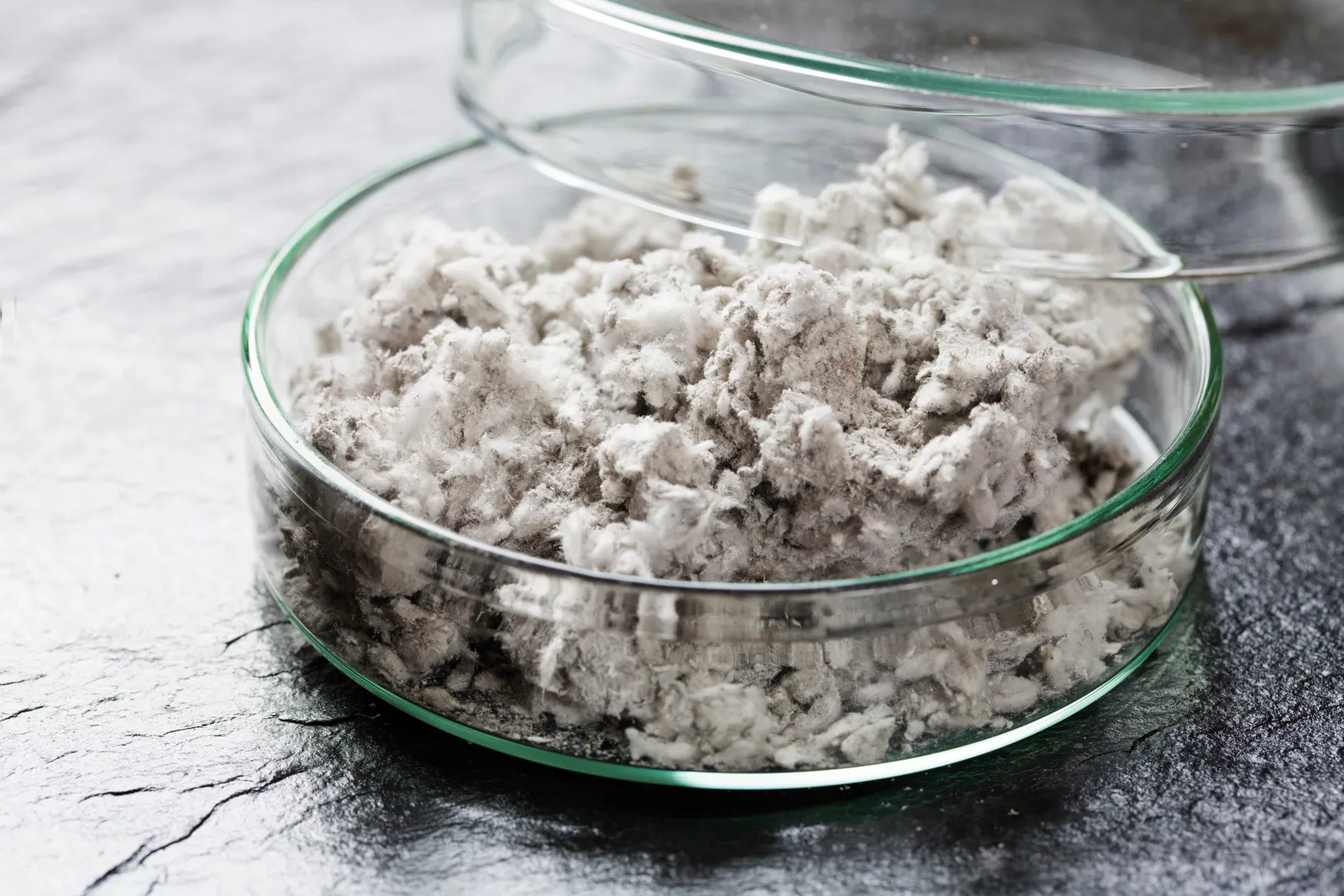
When navigating the landscape of asbestos inspections, understanding the different types of asbestos surveys stands as the foremost step. Various surveys cater to differentiated purposes, from comprehensive checks of all accessible areas to targeted assessments for specific refurbishment or demolition projects.
Moving ahead, appreciating the benefits of these surveys becomes equally important. They range from highlighting the presence of asbestos and managing its potential risks to compliance with pertinent laws and regulations. Conducting an asbestos survey is a detailed and meticulous process, best entrusted to a professional asbestos surveyor. The surveyor’s role encapsulates investigating the existence of asbestos, assessing its condition, and providing a strategic management plan, amongst other responsibilities.
Lastly, legal requirements concerning asbestos inspections mandate that property owners must identify and manage asbestos in their properties to ensure the health and safety of occupants. Knowledge of these essential aspects bolsters the effectiveness of asbestos inspections, underlining their capability to ensure a secure environment.
Types of Asbestos Surveys
There are two main types of asbestos surveys: management surveys and refurbishment/demolition surveys. Management surveys are conducted to assess the presence and condition of asbestos-containing materials (ACMs) within a building, to create an asbestos register and to develop a management plan.
These surveys typically involve sampling and analysis of suspected ACMs. Refurbishment/demolition surveys, on the other hand, are more extensive and are necessary before any refurbishment or demolition work takes place.
They aim to locate all ACMs in the area where work will be done so that they can be safely removed before the project begins.
Both types of surveys require skilled surveyors who have received proper training in asbestos inspection techniques. The surveyor’s role is crucial in identifying potential hazards associated with asbestos and ensuring compliance with regulations.
Benefits of Asbestos Surveys
Asbestos surveys offer several benefits for homeowners, building inspectors, engineers, architects, interior design specialists, real estate agents, pest inspectors, and legal office personnel.
These surveys help identify the presence of asbestos in buildings and structures. By conducting a thorough inspection, professionals can ensure the safety of occupants by identifying potential asbestos hazards.
This allows for proper management and treatment of asbestos-containing materials (ACMs), reducing the risk of exposure and health complications related to asbestos. Additionally, asbestos surveys provide valuable information that is essential for complying with regulations and legal requirements regarding asbestos management in workplaces and properties.
Conducting an Asbestos Survey
During an asbestos survey, a qualified professional will thoroughly inspect your property to identify any materials that may contain asbestos. They will conduct visual examinations and take samples for laboratory analysis.
The goal is to determine the presence of asbestos, assess its condition, and provide recommendations for proper management or removal if necessary. It is crucial to hire an experienced asbestos surveyor who understands the regulations and guidelines surrounding these inspections, ensuring the safety of occupants and compliance with legal requirements.
Asbestos surveys play a vital role in protecting individuals from the dangers of asbestos exposure and promoting safe environments in homes, workplaces, and other buildings.
The Role of an Asbestos Surveyor
An asbestos surveyor plays a crucial role in identifying and assessing the presence of asbestos-containing materials (ACMs) in various settings. They are responsible for conducting thorough inspections, collecting samples for analysis, and providing accurate reports on the condition of ACMs.
Additionally, they ensure compliance with asbestos regulations and work safety guidelines to protect individuals from the hazards associated with asbestos exposure. The expertise of an asbestos surveyor is essential for the effective management of asbestos in workplaces, ensuring the safety of occupants and facilitating appropriate treatment or removal measures when necessary.
Legal Requirements
To ensure the safety of everyone involved, there are legal requirements in place for asbestos inspections. Asbestos is a hazardous material, and Australian regulations mandate that all buildings constructed before 2004 must be inspected for its presence.
These inspections help identify any asbestos-containing materials (ACMs) and determine the level of risk they pose. It is important to comply with these legal requirements to safeguard against potential health risks associated with asbestos exposure.
So, whether you are a homeowner, building inspector, engineer, architect, interior design specialist, real estate agent, pest inspector or part of legal office personnel dealing with property transactions or renovations – understanding and adhering to these legal obligations is crucial for protecting yourself and others.
Risks and Hazards Associated with Asbestos Surveying
Navigating the realm of asbestos surveying involves an inherent set of risks and hazards, and being aware of them is the first line of defence. An understanding of the need for safety precautions during surveys is not just beneficial but necessary. This includes wearing appropriate protective clothing, such as respirators and facemasks, to prevent inhalation of potentially harmful asbestos fibres.
Alongside this, managing and handling asbestos materials requires a certain level of skill and know-how, underscoring the importance of thorough training for the workers involved in the process. Training encompasses understanding the properties of asbestos, familiarising with control procedures, and knowing how to handle an unexpected release of asbestos fibres.
By integrating safety precautions and highlighting worker training requirements, a protective layer of safety is added to these inspections, ensuring that they are conducted without compromising the health of those involved.
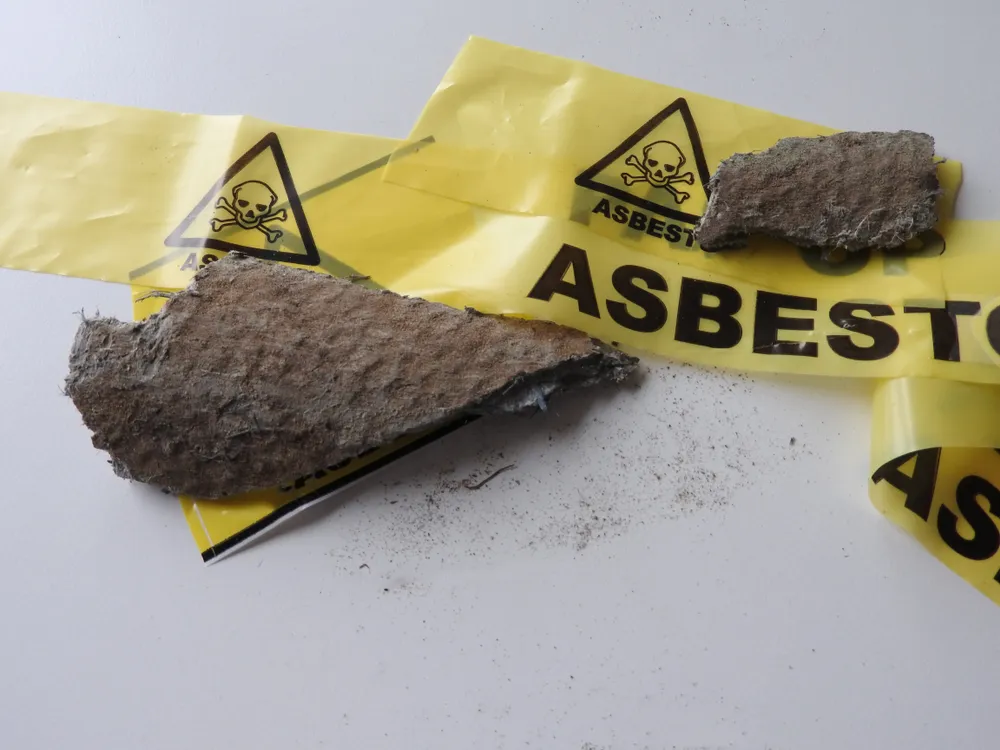
Safety Precautions
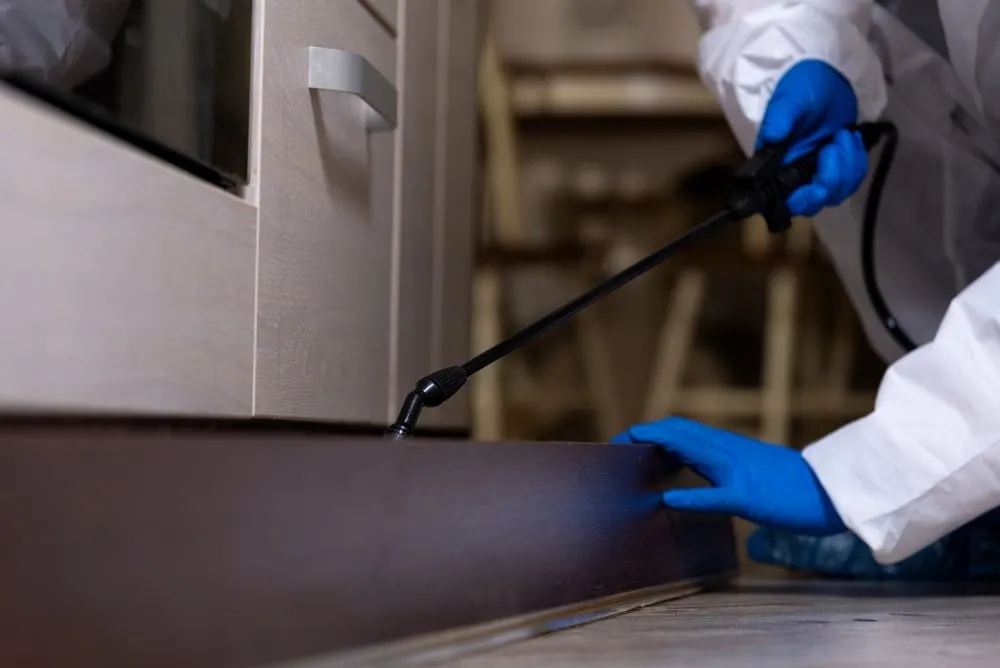
We prioritise safety when conducting asbestos inspections. Our team follows strict guidelines and takes necessary precautions to minimise the risk of exposure to asbestos fibres. We wear appropriate personal protective equipment, such as respirators, gloves, and disposable coveralls, to protect ourselves during inspections.
Before entering a site, we ensure it is properly ventilated and sealed off from other areas to prevent the spread of asbestos fibres. Regular checks are conducted on our equipment to maintain their effectiveness.
By implementing these safety measures, we strive to provide a safe environment for both our team members and clients throughout the inspection process.
Training Requirements
Training requirements for asbestos inspections are essential to ensure the safety and competence of professionals in this field. Asbestos inspectors must undergo comprehensive training programs that cover topics such as asbestos awareness, detection methods, health risks, and safe handling procedures.
This training equips them with the necessary knowledge and skills to conduct thorough inspections, accurately identify asbestos-containing materials (ACMs), and assess potential hazards.
Additionally, ongoing training is crucial to keep inspectors updated on new regulations, technologies, and best practices in asbestos management. By meeting these training requirements, inspectors can confidently carry out their responsibilities and contribute to creating safer environments for everyone.
Independence of Inspections
Asbestos inspections should always be conducted independently to ensure accuracy and impartiality. Independent inspections involve hiring a certified asbestos surveyor who has no connection to the property, its owners, or any potential asbestos removal companies.
This ensures that the inspection is unbiased and that all findings are reported truthfully. By choosing an independent inspector, you can have confidence in the integrity of the inspection process and trust that any identified risks will be addressed appropriately.
Remember, independence is crucial when it comes to asbestos inspections to protect yourself and others from the dangers of this hazardous material.
Tips for Asbestos Inspection Preparation
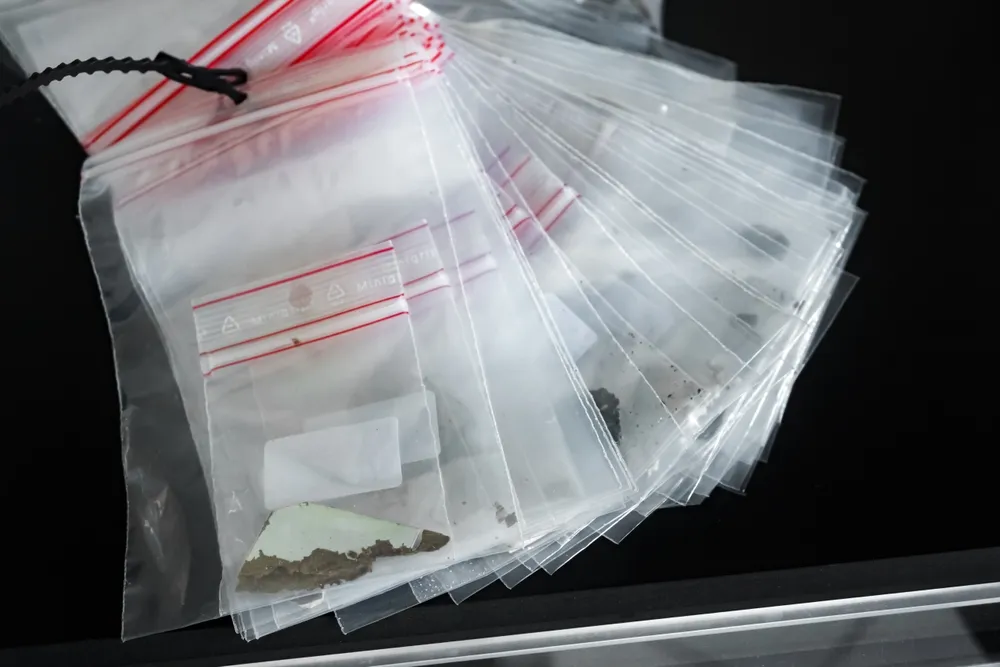
Preparation plays a key role in navigating the path towards an asbestos inspection, hinging on a mix of precautions, legal knowledge, and effective resource utilisation. To begin with, necessary precautions encompass the entire spectrum from informing all occupants about impending inspections to ensuring that the right personal protective equipment is used during the process.
Awareness of one’s legal responsibilities, such as obligation towards the safety of occupants and the need for trained personnel for the survey, is equally pivotal. Gathering resources and information about local and national asbestos regulations underlines another vital aspect of preparation.
Lastly, the use of proper survey management tools like advanced inspection software assists inspectors in efficiently documenting findings, organising data, and flagging issues, further streamlining the entire inspection process. These steps collectively constitute a well-planned and safely executed asbestos inspection.
Necessary Precautions
To ensure your safety during asbestos inspections, it is crucial to take necessary precautions. This includes wearing protective clothing and equipment such as masks, gloves, and coveralls to avoid direct contact with asbestos fibres.
It is also essential to follow work safety guidelines and undergo proper training for handling asbestos. Additionally, make sure you are aware of the legal responsibilities associated with asbestos management and removal.
By taking these precautions, you can protect yourself and prevent any potential health risks related to asbestos exposure.
Legal Responsibilities
We have a responsibility to adhere to the legal regulations surrounding asbestos inspections. As homeowners, building inspectors, engineers, architects, interior design specialists, real estate agents, pest inspectors, and legal office personnel, we must ensure that all necessary precautions are taken to protect ourselves and others from the dangers of asbestos exposure.
This includes understanding and following the guidelines set forth by national and local authorities regarding asbestos management in workplaces and residential properties. By actively participating in training programs for asbestos awareness and regularly updating our knowledge of asbestos regulations, we can fulfil our legal obligations and contribute to creating safe environments for everyone.
Resources for Information
To ensure that you have the most up-to-date and accurate information about asbestos inspections, there are a variety of resources available to you. One valuable resource is the Australian government’s official website, which provides comprehensive information on asbestos regulations, work safety guidelines, and legal requirements.
Another useful resource is professional associations and organisations in the industry, such as the Asbestos Safety and Eradication Agency (ASEA) or the Asbestos Removal Contractors Association (ARCA).
These associations often offer guidance documents, training materials, and other helpful resources for homeowners, building inspectors, engineers, architects, interior design specialists, real estate agents, pest inspectors, and legal office personnel.
Additionally, research papers published in reputable scientific journals can provide valuable insights into new advancements in asbestos inspection techniques and procedures.
Call Us!
Being aware of the essential aspects of asbestos inspections is crucial for maintaining work safety and complying with regulations. By conducting regular surveys, understanding the role of a surveyor, and following proper precautions, you can effectively manage the risks associated with asbestos.
Remember to stay updated on legislation and seek professional assistance when needed to ensure the well-being of yourself and others about asbestos exposure.