When you’re silently sharing your home with unwanted guests who scuttle in the shadows or hide in the nooks and crannies, it’s time for a professional intervention. Indeed, pests, from covert cockroaches to sly silverfish, can turn a peaceful living environment into a discomforting space infested with potential dangers.
However, the thought of undergoing a professional pest inspection may seem daunting; after all, it’s a journey into the unknown. Fear not, this blog is just what you need. In this step-by-step guide, we’ll take you through what to expect during a professional pest inspection, illuminating the process, the techniques employed, and the potential outcomes.
Let us pull away the veil of uncertainty and provide you with the knowledge to confidently embark on this essential road towards a pest-free home.
Key Takeaways
- A professional pest inspection involves assessing the extent of a pest problem, conducting inspections and consultations, creating a treatment plan, monitoring follow-up visits, and implementing preventive measures.
- During the consultation and inspection stage of a professional pest inspection, experts will thoroughly assess your property for any signs of pests or potential pest problems both inside and outside.
- The treatment plan created after the inspection outlines the steps needed to effectively eliminate pests or infestations. Follow-up visits and monitoring are scheduled to ensure complete resolution.
- To keep your home pest-free, take preventive measures such as sealing cracks, keeping your home clean and free of food debris, storing food properly in sealed containers, disposing of trash regularly, trimming vegetation around your property, and seeking professional help when needed.
What is a Professional Pest Inspection?
Designed to fortify your home against creeping invaders, a professional pest inspection encompasses a series of stages, each bearing a unique, essential role. The journey begins with a thorough assessment of the pest problem in question, delving into the dark corners and investigating tell-tale signs that reveal the extent and nature of the infestation.
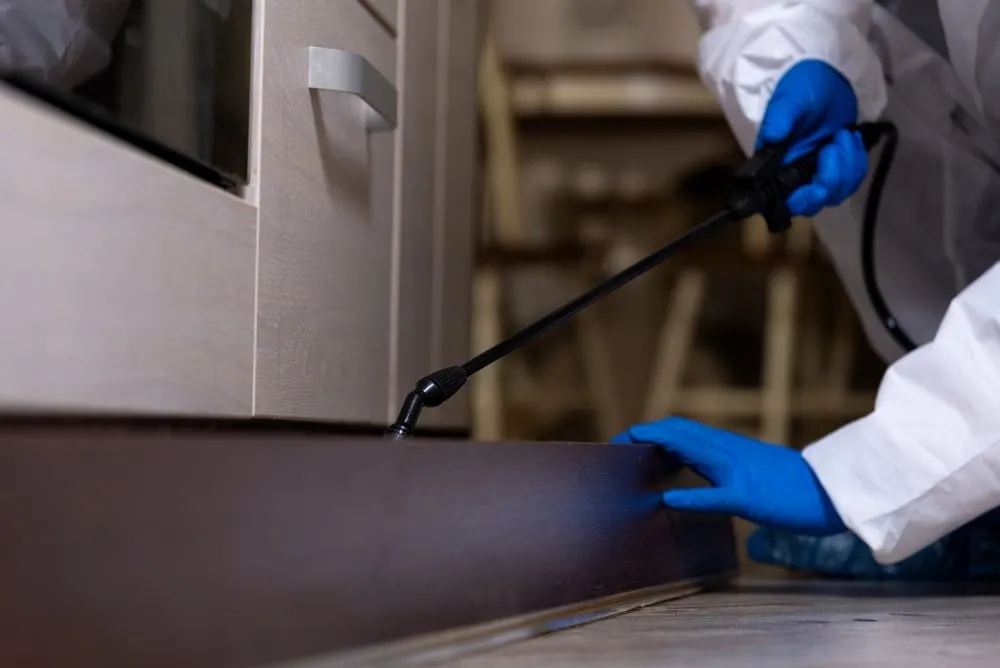
This intense exploration segues into consultations, where the experts communicate their findings, ensuring you’re informed about your home’s precise pest scenario. Armed with this valuable information, they formulate a robust treatment plan, an offensive aimed straight at the enemy, deploying the right tools, and apt strategies to eradicate the pests.
This targeted attack is carefully monitored through follow-up visits, keeping a check on the effectiveness of the treatment and adjusting the plan if required. The final destination of this journey dwells in the prevention territory where measures are implemented to keep potential re-infestations at bay, securing your home against future intrusions.
Assessing the pest problem
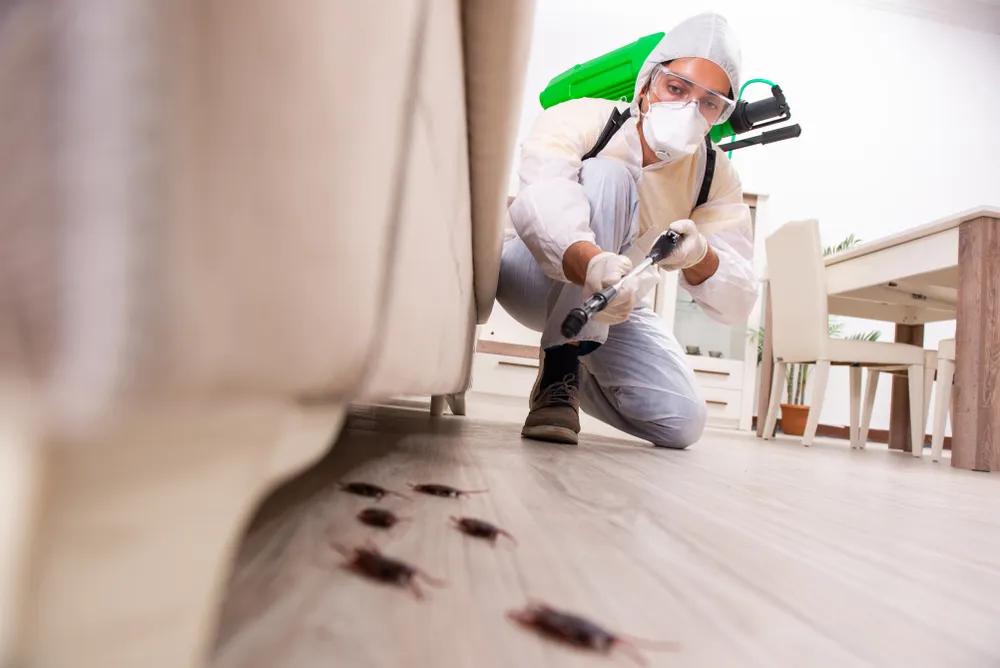
In a professional pest inspection, determining the size and nature of the pest issue is a critical step. We begin by identifying signs of pest activity such as droppings, damage to materials in your home, or live pests themselves.
The presence and type of these indicators help us ascertain what sort of pests we’re dealing with – be it termites, rodents or insects. Our team also establishes if this is an isolated incident or an infestation.
Visualising where the pests could be nesting aids in preparing for effective treatment solutions. For instance, termites often prefer damp areas; thus we keep our eyes peeled for moisture damage or leaks around your property which might attract them.
Consultation and inspection
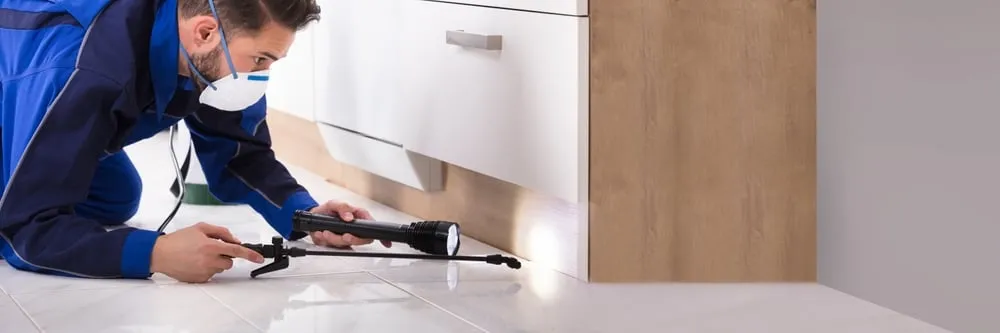
During the consultation and inspection stage of a professional pest inspection, our experts will thoroughly assess your property for any signs of pests or potential pest problems. This involves conducting a detailed examination of both the interior and exterior areas to identify any existing infestations or vulnerabilities that could lead to future issues.
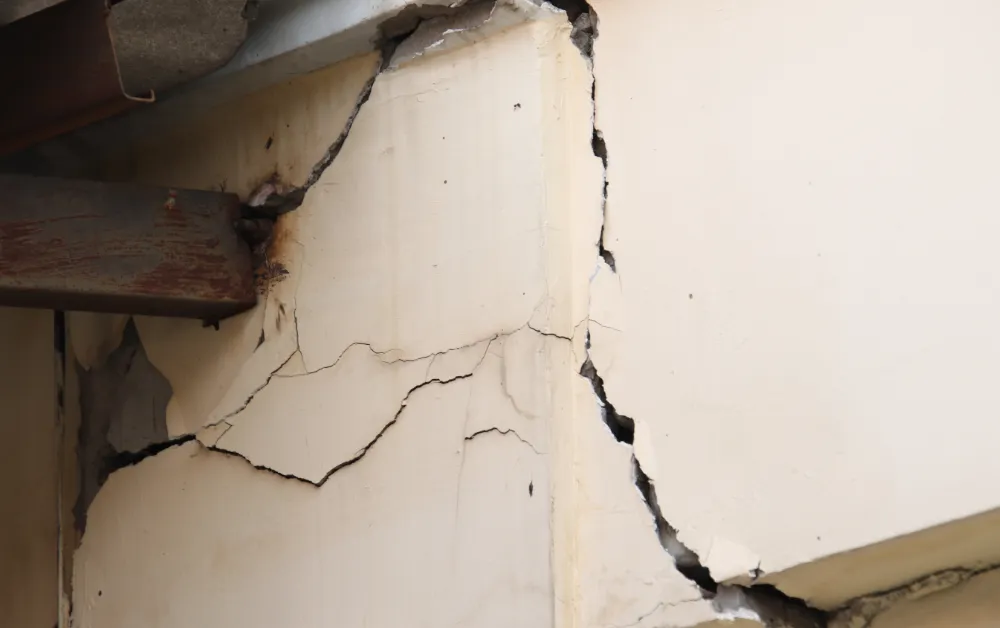
Our team will inspect key areas such as plumbing systems, drainage, roofing structures, and more to ensure no hidden damages or structural issues are present that may attract pests.
By conducting this comprehensive inspection, we can provide you with accurate information about the state of your property and develop an effective treatment plan tailored to your specific needs and concerns.
Rest assured that our experienced professionals will leave no stone unturned in keeping your home pest-free.
As part of the consultation process, we prioritise open communication with our clients. We understand that every property is unique, which is why we take the time to listen attentively to your concerns and answer any questions you may have regarding the inspection or recommended treatments.
Treatment plan and proposal
Our team of professionals will create a comprehensive treatment plan and proposal based on the findings of the pest inspection. This plan will outline the steps that need to be taken to effectively eliminate any pests or infestations that were identified during the inspection.
We will provide you with clear and detailed information about the type of treatment methods that will be used, as well as any necessary follow-up visits and monitoring. Our goal is to address your pest problem quickly and efficiently, ensuring your home or property remains pest-free in the long term.
Follow-up visits and monitoring
We schedule follow-up visits and monitoring to ensure that the pest problem is completely resolved. Our team will return to your property at regular intervals to assess the effectiveness of the treatment and make any necessary adjustments.
We understand that pests can be persistent, so we’ll continue monitoring until we’re confident that your home is pest-free. This proactive approach helps prevent future infestations and gives you peace of mind knowing that your property is well-protected against pests.
Preventive measures and maintenance
To keep your home pest-free, it is essential to take preventive measures and perform regular maintenance. These steps can help you avoid potential infestations and protect your property.
Start by maintaining good hygiene, such as keeping your house clean and free of food debris. Regularly inspect your property for any signs of pests or structural issues that may contribute to infestations.
Use preventive measures like sealing cracks and gaps in walls, windows, and doors to prevent entry points for pests. Seek professional help from pest control experts who can provide treatments tailored to your specific needs.
Why is a Pest Inspection Important?
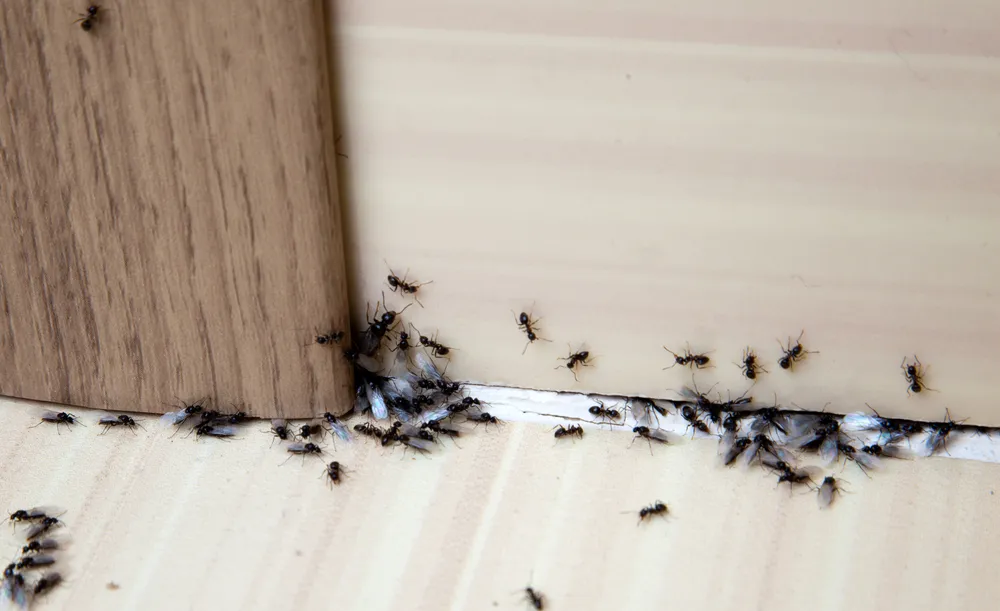
Pest inspections serve as powerful sentinels in the property management sector, forming a sturdy frontline defence against various pest-related issues. At its core, these inspections excel in uncovering potential pest problems that often lurk unseen, secreting away in your property’s hidden corners.
From spotting early signs of termite activity to identifying the subtle incursion of mice, the inspection aims to nip burgeoning infestations in the bud. Alert to even the minute traces these pests leave behind, inspection professionals can detect infestations at their nascent stage, preventing them from ballooning into unmanageable problems.
Therefore, by offering early identification and prevention opportunities, pest inspections play an invaluable role in safeguarding your home or business from the potential damage and discomforts associated with pest invasions.
Identifying potential pest problems
We carefully assess your property to identify any potential pest problems. Our team of experts conducts a thorough inspection, examining both the interior and exterior of your home or building.
We look for signs of infestations such as droppings, nests, or damaged wood. By identifying these issues early on, we can recommend effective treatments to prevent further damage and ensure a pest-free environment.
Trust us to pinpoint any pest-related concerns and provide you with the necessary solutions for peace of mind.
Preventing infestations
To prevent infestations, it is important to take proactive measures. Regularly inspect your property for any signs of pests such as droppings or nesting materials. Seal all cracks and gaps in walls, floors, and windows to prevent entry points for pests.
Keep your home clean and free of food debris that can attract pests. Store food properly in sealed containers and dispose of trash regularly. Trim vegetation around your property to eliminate hiding places for pests.
Consider using natural deterrents like mint or lavender plants around the perimeter of your home. By implementing these preventive measures, you can reduce the risk of pest infestations and maintain a pest-free environment in your home or building.
What Does a Pest Inspection Look Like?
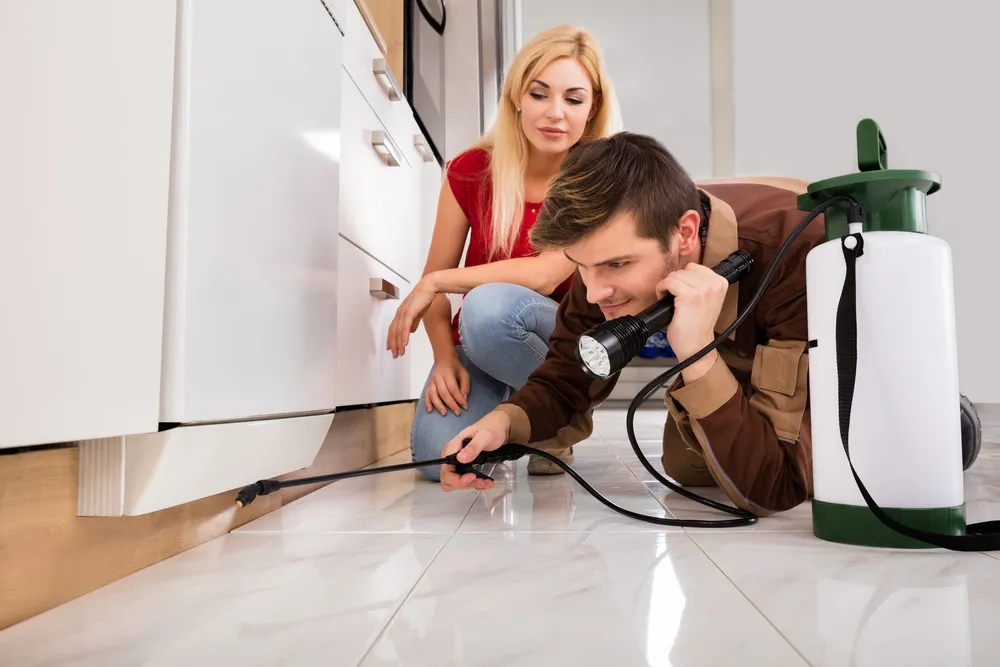
When a professional pest inspector graces your property, every inch, from the interior to the exterior, comes under their keen scrutiny. The pursuit begins within the property, where they hunt for footprints of unwelcome houseguests – be it droppings, nests, or the subtle gnaw marks on your precious woodwork – each sign narrating a unique tale.
However, the tale doesn’t end at your doorstep; the inspector extends the search outdoors. Gardens, often overlooked, are assessed for evidence of ground-dwelling pests or those that might fancy your lush foliage. Simultaneously, the structure of your property is put under the microscope, scanning for potential weak points or attractants that may be responsible for giving the pests an unwarranted invite.
Armed with these insights, the pest inspector charts the path forward, providing customised recommendations for tackling the detected issues and preventive strategies to safeguard your home against future invasions.
Interior and exterior inspection
During a professional pest inspection, both the interior and exterior of your property will be thoroughly examined for any signs of infestation. This includes checking areas such as basements, attics, crawl spaces, and walls inside the house.
The inspector will look for visible evidence of pests like droppings or nests and identify any potential entry points they may be using to gain access to your home.
On the exterior, the inspector will inspect the foundations, roofline, windows, doors, and landscaping elements that could attract pests. They will look for any cracks or gaps in these areas that could allow pests to enter your property.
Additionally, drainage problems or plumbing issues that can contribute to pest infestations will also be assessed.
To ensure a comprehensive inspection is conducted during this process; you must hire a qualified and experienced pest inspector who knows what signs to look out for and understands how pests behave.
Property inspection
During a professional pest inspection, the property is thoroughly examined both inside and outside to identify any signs of pest infestations or potential issues. The inspector will inspect areas such as crawl spaces, attics, basements, and walls to check for pests like termites, rodents, ants, spiders, and other insects.
They will also examine the surrounding landscape for evidence of conducive conditions that may attract pests. Based on their findings, they will provide recommendations for further action or treatment if necessary.
This inspection is crucial in ensuring the safety and health of your property by addressing any existing or potential pest problems promptly.
Recommendations for the next steps
Let’s talk about the recommendations for the next steps after a professional pest inspection. Based on the findings from the inspection, it is important to take immediate action to address any pest problems or potential infestations.
If there are identified structural issues, such as plumbing or drainage problems, it is recommended to have them fixed promptly to prevent further damage and potential entry points for pests.
Regular inspections and treatments should be scheduled to maintain a pest-free environment in your home or property. Additionally, using preventive measures like maintaining good hygiene and seeking professional help when needed can go a long way in preventing future pest infestations.
How to Keep Your Home Pest-Free
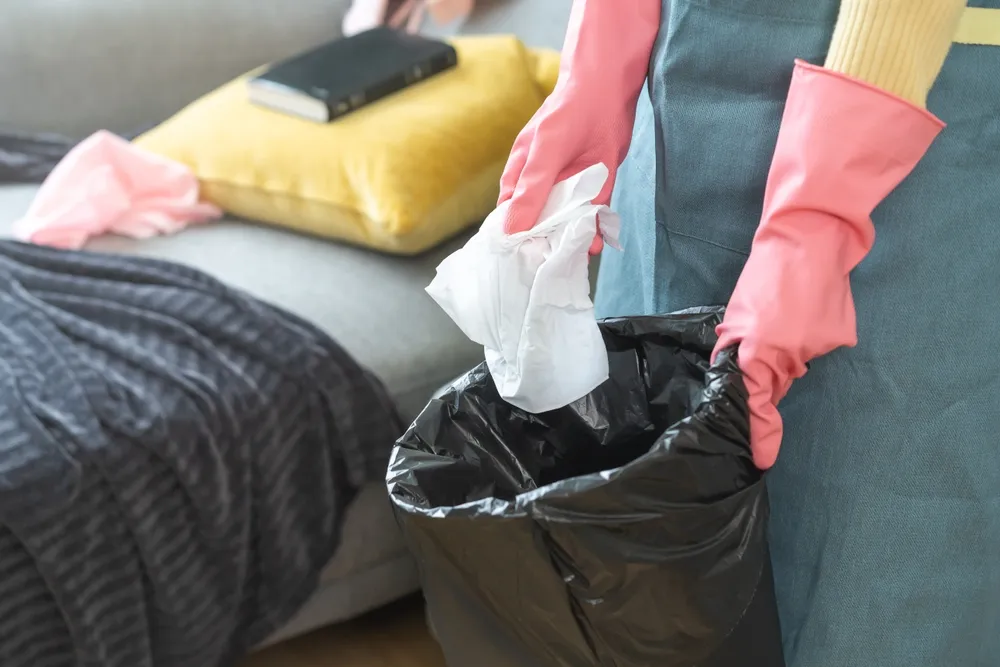
Maintaining a stronghold against pest invasions requires a cohesive blend of personal vigilance and professional interventions. The first line of defence stems from good hygiene – a thorough, regular cleaning and decluttering routine that denies pests the mess they thrive in and the hiding spots they love. Supplement this with regular inspections and prompt treatments, acting swiftly at the first hint of trouble to prevent a minor issue from scaling to a significant infestation.
As vital as treating existing intrusions is, so is preventing potential ones. Effective preventative tactics range from sealing cracks and other potential entry points, securely storing food to starve them of their meal source, and eliminating standing water to destroy potential breeding grounds. Yet, at times, the scale or nature of the infestation demands a higher level of expertise.
In such cases, turn to professional help from a reputable pest control company, leveraging their vast experience and specialised tools for comprehensive management and eradication of unwelcome guests in your home.
Maintaining good hygiene
To keep your home pest-free, it’s crucial to maintain good hygiene. This means regularly cleaning and tidying up your living spaces. Make sure to clean any food spills or crumbs immediately, as they can attract pests like ants and cockroaches.
Regularly emptying trash bins and keeping them sealed tightly will also help deter pests from entering your home. Additionally, it’s important to store food in airtight containers and keep pet food well-sealed when not in use.
By practising good hygiene habits, you can greatly reduce the chances of a pest infestation in your home.
Taking these simple steps towards maintaining good hygiene will go a long way in preventing pesky critters from infiltrating your living spaces. Not only will you be able to enjoy a clean and pest-free environment, but you’ll also protect the health and safety of yourself and those around you.
Remember that prevention is key – by following proper hygiene practices consistently, you’ll create an unwelcome environment for pests and minimise the need for costly extermination treatments down the line.
Regular inspections and treatments
Regular inspections and treatments are essential for maintaining a pest-free home. We understand the importance of staying proactive in preventing infestations and minimising potential damages to your property.
Our team of experts will conduct thorough inspections regularly, both inside and outside your home, to identify any signs of pests or possible entry points. If needed, we will then recommend suitable treatments to eradicate any existing pests and prevent future infestations.
By scheduling regular inspections and treatments with us, you can have peace of mind knowing that your home is protected against unwanted critters.
Using preventive measures
We can prevent pest infestations by taking proactive measures. Regularly inspecting and sealing any cracks or openings in our homes is essential. Keeping our surroundings clean and clutter-free also helps to deter pests.
Additionally, proper waste management and storing food securely are crucial preventive measures. By implementing these practices, we can minimise the risk of pests infiltrating our properties and ensure a pest-free environment for ourselves and our clients.
Seeking professional help.
We understand that dealing with a pest infestation can be overwhelming and challenging. That’s why seeking professional help is crucial in effectively addressing the issue. Professional pest inspectors have the knowledge, skills, and experience to accurately identify the type of pests present on your property and determine the extent of the infestation.
They will develop a customised treatment plan based on your specific needs and conduct follow-up visits to ensure that the problem is fully eradicated. By hiring professionals, you can have peace of mind knowing that your home or building is in capable hands and that steps are being taken to prevent future infestations.
Call Us!
A professional pest inspection is crucial for identifying and preventing potential infestations. By assessing the pest problem, creating a treatment plan, and conducting follow-up visits, homeowners can ensure their property remains pest-free.
Regular inspections, maintaining good hygiene practices, and seeking professional help when needed are key to keeping your home pest-free. Don’t let pests take over – stay proactive in protecting your property with regular inspections and treatments.