
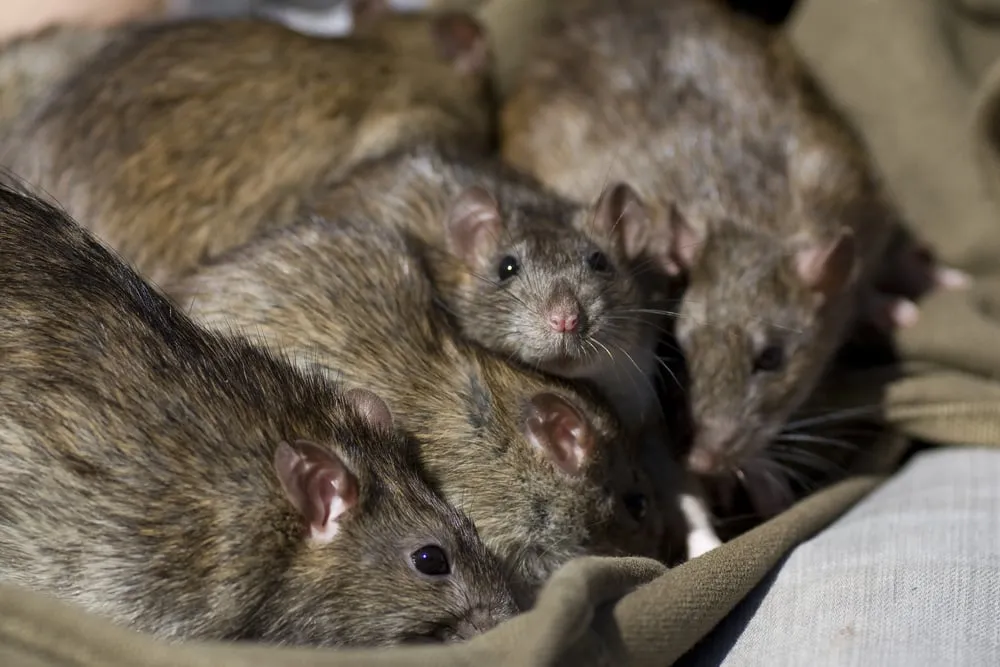
In the world of property care, some threats remain veiled in shadows, only revealing themselves when the damage is already done. These silent invaders, often missed in routine checks, require a specialised focus during any meticulous evaluation of a building’s health. As a crucial part of pest inspections, rodent assessments illuminate the danger that skulks unseen within our walls and foundations.
With the stealth of a whisper, these creatures can compromise structural soundness and pose significant health risks. The expertise brought to these assessments aims to uncover any indication of their presence, ensuring no corner remains unscanned.
This focus on the smaller details can make a monumental difference, spotlighting a hidden threat with the potential to cause havoc. Unravelling the critical need for specialised rodent evaluations, we delve into why they stand as a vital pillar in the defence against pest invasions.
Key Takeaways
- Rodent infestations in various buildings pose a significant threat to property and public health, causing damage and spreading diseases like salmonella and hantavirus.
- Proper pest inspections are essential in identifying signs of rodent activity and implementing effective eradication measures tailored to the specific situation.
- Rodents’ agility and senses make them difficult to control, requiring proactive pest management strategies that address their unique challenges.
- Regularly tracking rodents helps detect early signs of infestation, minimise risks, save money on repairs, and ensure safety.
Understanding Rodents as Pests
Rodents such as rats and mice represent a significant hazard, far surpassing the level of mere inconvenience typically associated with a ‘nuisance’. Their presence carries heightened health risks, as they are natural reservoirs for a multitude of diseases, which they can spread as they traverse through a building.
Given their remarkable agility and keen survival instincts, rodents prove to be a formidable challenge when it comes to effective control measures. Their ability to navigate through tiny openings and evade capture requires strategic planning and execution to manage successfully.
It is vital to establish and enact detailed and robust strategies for pest control. Successfully managing these pests is essential not only for the structural health of the property but also for ensuring the well-being of its occupants.
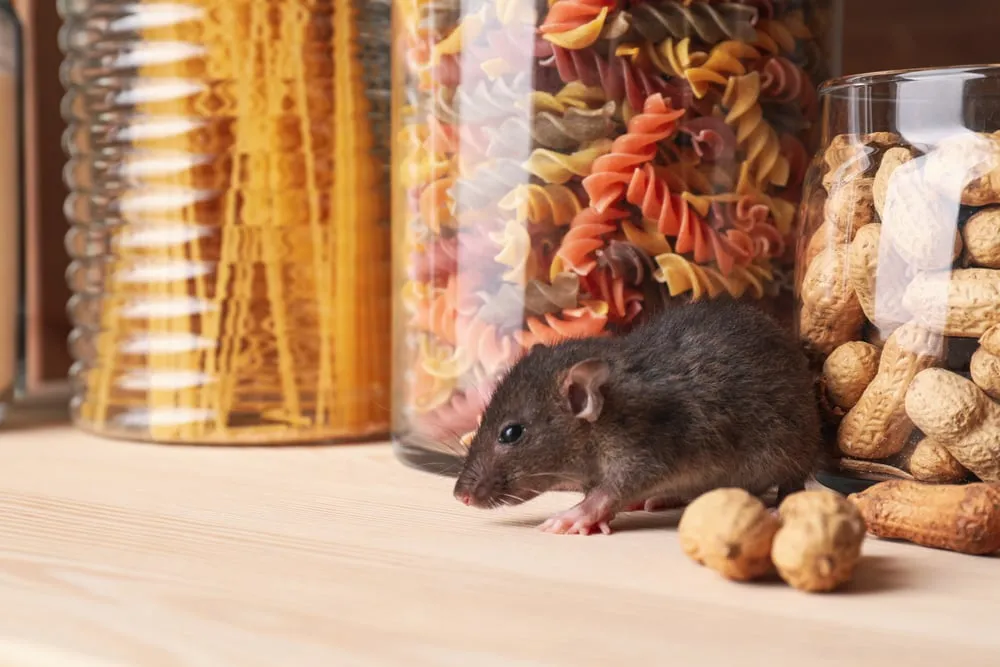
Role as natural reservoirs and vectors of diseases
Rodents play a critical role as natural reservoirs and vectors of diseases. Their ability to carry pathogens such as bacteria, viruses, and parasites makes them a significant health threat.
Rats and mice can transmit diseases like leptospirosis, hantavirus, salmonellosis, and tularemia to humans through contact with their urine, feces, or bites. This is why homeowners, building inspectors, engineers, architects, interior design specialists, real estate agents, pest inspectors, and legal office personnel must prioritise rodent control measures to safeguard public health.
Agility and senses that make them difficult to control
Rodents are notorious for their agility and heightened senses, which can make them incredibly challenging to control. These pesky creatures possess incredible flexibility, allowing them to squeeze through tiny gaps and cracks with ease.
Their sharp teeth enable them to gnaw through various materials, further increasing their capacity to infiltrate buildings. Additionally, rodents have excellent hearing, smell, and night vision capabilities that help them detect potential threats from afar and navigate in the dark.
As a result of these remarkable traits, it becomes imperative for homeowners and professionals alike to implement effective pest management strategies that specifically address the unique challenges posed by rodents.
Structural Weak Points in Various Buildings
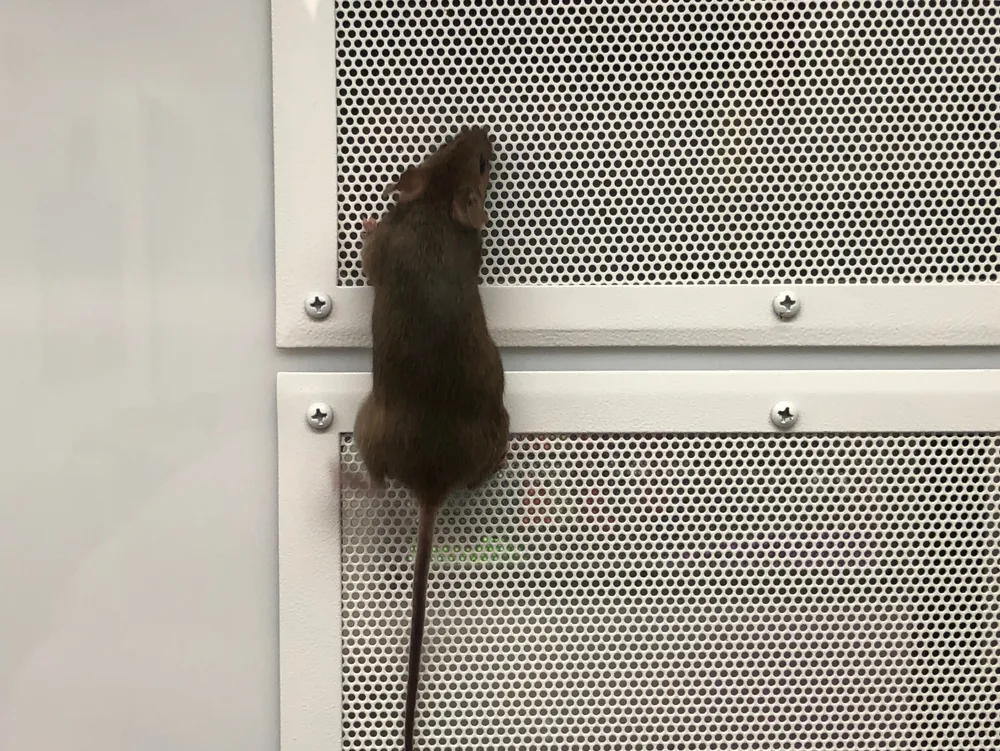
Potential entry points for rodents
Rodents can easily find their way into buildings through various entry points. Small gaps or cracks in the building’s foundation, walls, or windows are common areas for rodents to squeeze through.
They can also enter through damaged vents or utility pipes that lead into the building. Additionally, doors and windows that are not properly sealed provide easy access for these pests.
It is crucial to identify and seal off these potential entry points to prevent rodent infestations and protect the integrity of your building.
Regular inspection of these vulnerable areas is essential in maintaining a pest-free environment. By addressing any structural weaknesses promptly, such as repairing cracks or installing door sweeps, you can significantly reduce the risk of rodent intrusion.
Proper exclusion measures like sealing off openings with mesh screens or applying weatherstripping will help keep rodents out while ensuring a safe and comfortable space for everyone within the building.
Importance of sanitation and exclusion measures
Maintaining proper sanitation and implementing effective exclusion measures are crucial in preventing rodent infestations. Regular cleaning, especially in areas prone to food debris and waste accumulation, helps eliminate potential attractants for rodents.
Additionally, sealing any gaps or cracks in the building’s structure can prevent their entry. By prioritising sanitation and exclusion measures, we can significantly reduce the risk of rodent infestations and ensure a safe environment for everyone involved.
Signs of Rodent Infestations
Vigilance against rodent infestations is critical, and this starts with recognising the telltale signs that these pests are present. Spotting rodent droppings, identifying unusual gnaw marks on materials, and detecting strange odours can all point to an active infestation.
These are warning signs that should never be overlooked as they often signal a hidden threat within the workplace.
Acknowledging these indicators early can make a significant difference in addressing the problem before it escalates. The safety and well-being of both employees and customers need to stay alert to these signs and take swift action to investigate and remedy any potential rodent presence.
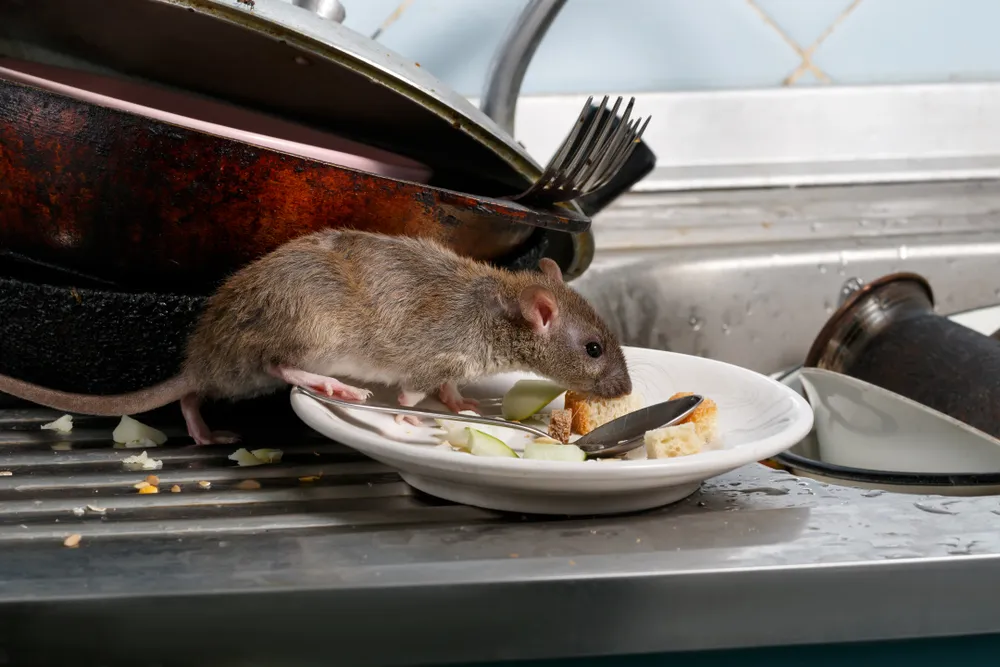
Identifying common signs of rodent activity
Rodent activity in a building can be difficult to detect, but some common signs can help you identify their presence. Look out for droppings, as rodents leave behind small black or brown pellets.
You may also notice gnaw marks on wood, plastic, or wires. Keep an eye out for greasy smudge marks along baseboards and walls where rodents frequently travel. Unpleasant odors and noises such as scratching or squeaking may also indicate the presence of rodents.
If you notice any of these signs in your home or workplace, it’s important to take immediate action to prevent further infestations.
Importance of regularly tracking rodents
Regularly tracking rodents is crucial in maintaining a pest-free environment. By actively monitoring rodent activity, homeowners, building inspectors, engineers, architects, interior design specialists, real estate agents, pest inspectors, and legal office personnel can identify early signs of infestation and take immediate action.
Tracking allows for the detection of gnawed wires or insulation, droppings, nests, or chewed packaging. This proactive approach prevents infestations from escalating into larger problems that are more difficult and costly to resolve.
It also ensures the safety and well-being of occupants by minimising the risks associated with diseases carried by rodents. So make it a priority to regularly track rodents to stay one step ahead of potential infestations.
Tracking rodents regularly not only helps detect their presence but also enables timely intervention to mitigate any potential damage they may cause. This proactive measure can save homeowners money on repairs and prevent health hazards associated with rodent-borne illnesses like leptospirosis or hantavirus infection.
For building professionals such as inspectors and architects who oversee maintenance plans or construction projects, regular tracking provides valuable insight into pest risk assessments and planning effective exclusion measures.
Call Us!
Proper rodent assessments are crucial in pest inspections for various properties – buildings. Understanding rodents as pests and identifying signs of infestations are the first steps in effective pest management. Utilising innovative solutions like fluorescent tracking gel can help pinpoint root causes and enhance prevention measures.
Don’t underestimate the hidden threat of rodents – invest in professional pest inspection services to protect your property from potential risks.
Penrith Building Inspections
Keep Reading

Rental Inspections
How Rental Inspections Help Maintain Your Property Value
Learn how regular rental inspections can help you preserve and enhance the value of your property investment.
Read More →
Dilapidation Inspections
Dilapidation Inspection: An Indispensable Part of Building Inspection
Learn how dilapidation inspections are key in building projects to safeguard property conditions and manage risks.
Read More →
Pest Inspections
Avoid Future Headaches: The Role of Pest Inspections in New Home Buying
Learn the key role pest inspections play in new home buying to safeguard your property and avoid costly issues.
Read More →