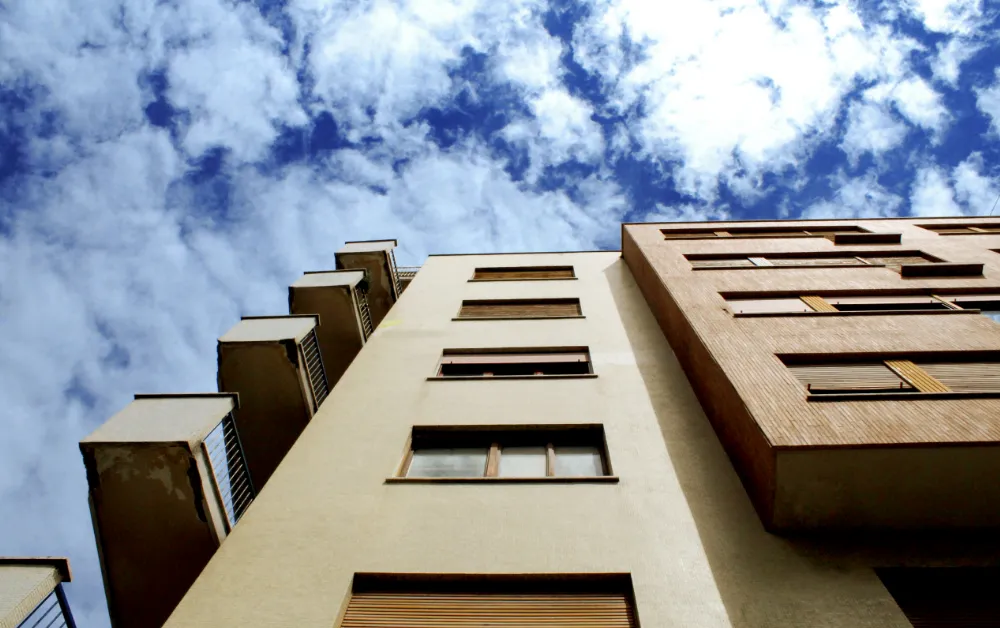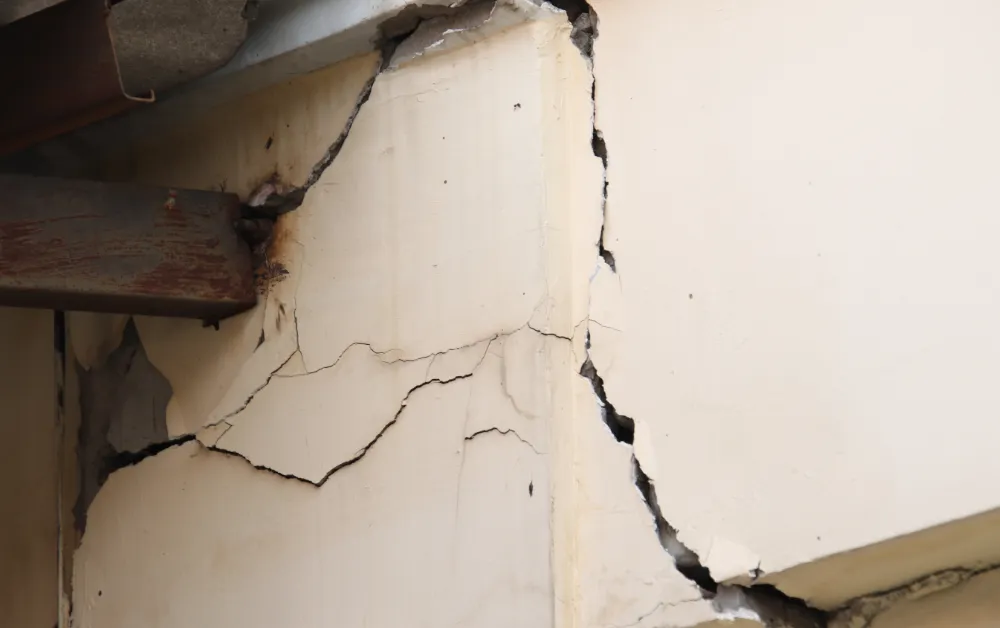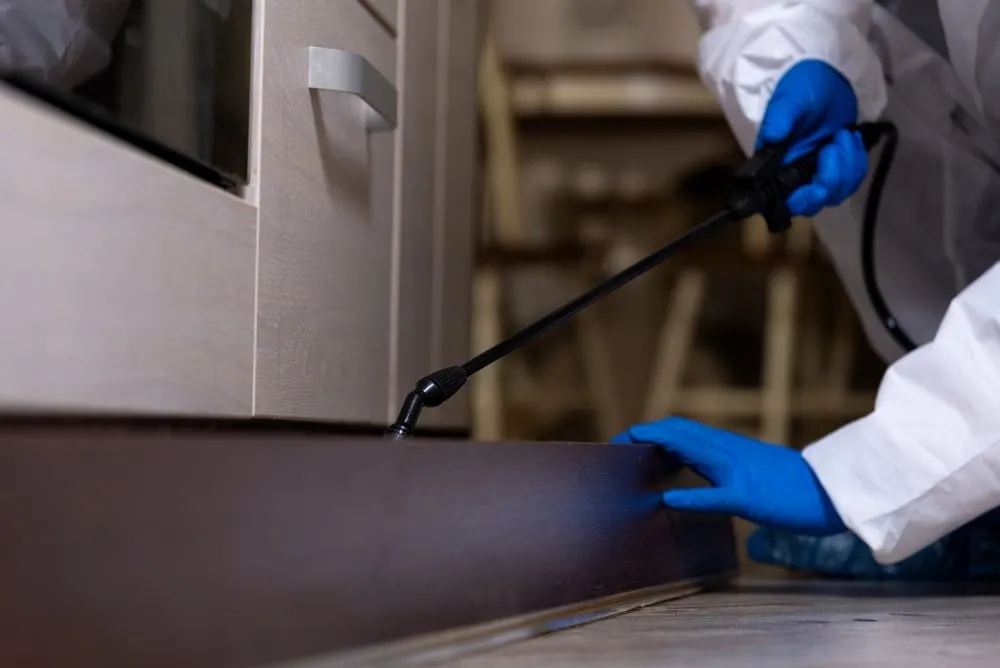
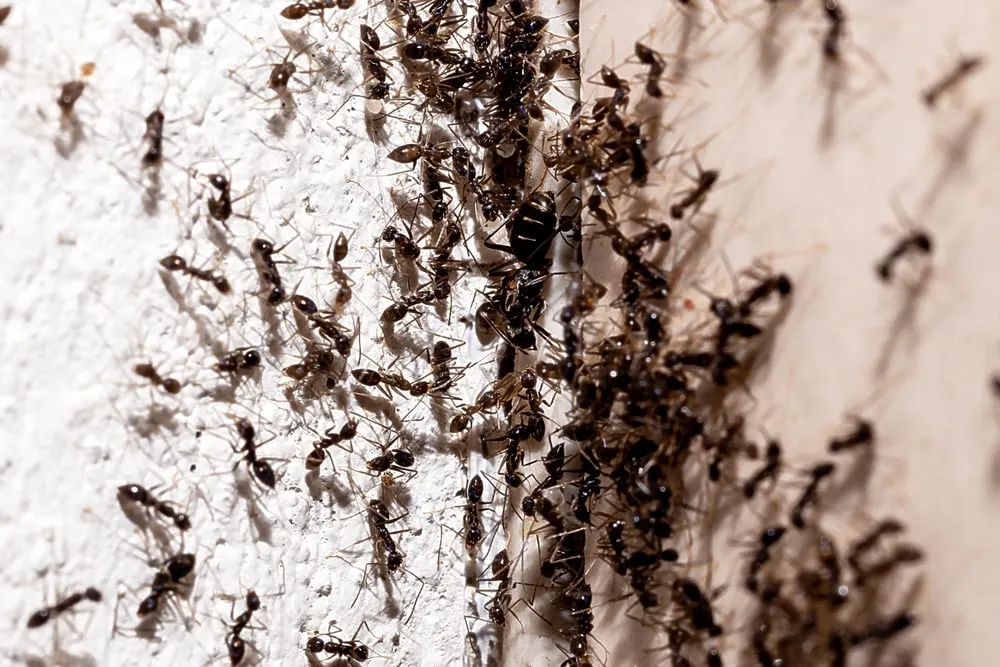
On the surface, a building, with its concrete fortitude and sturdy architecture, might appear impervious to any threats from seemingly insignificant pests. Yet, beneath this facade of invulnerability, a silent war often unfolds, pitting the structural integrity of these structures against an array of pests.
From the smallest ant to the peskiest rodent, these creatures can cause more damage than we often give them credit for. In this blog post, we take a close look at the tangible impact pests can have on building structures. Scrutinising various pests, the damage they can inflict, and the measures necessary for their control, this post underlines the importance of vigilant pest management in maintaining the health of your buildings.
So let’s delve into this often unseen world and explore how to secure our human-made sanctuaries from these silent adversaries.
Key Takeaways
- Termites and carpenter ants can cause extensive damage to building structures by feeding on wood.
- Rodents like rats and mice can chew through wires, insulation, and wooden beams, posing risks to the structural integrity of buildings.
- Birds can build nests in roofs, gutters, and chimneys, potentially leading to blockages and corrosion of building materials.
- Bees and wasps nesting in walls or attics can also cause structural damage and pose a threat to their stings.
Types of Pests That Negatively Impact Building Structures
When it comes to pests wreaking havoc in building structures, a few stealthy suspects make the lineup. Termites and carpenter ants – these minuscule creatures can have an enormous impact, gnawing away at wooden structures and making structural instability an unfortunate reality if not detected and managed early.
Rodents come with their shenanigans, chewing through wires, infecting areas with pathogenic droppings, and causing potential fire hazards. Birds, while seemingly harmless, can notoriously litter property with droppings, leading to not only aesthetic damage but also posing health risks.
Bees and wasps add another sting to the issue – their nests, often hidden in wall cavities or roofing, can result in structural damage and host a risk of painful stings if disturbed. The repercussions of these pests underline the importance of proactive pest control strategies, ensuring well-protected, safe commercial environments.
Termites and Carpenter Ants
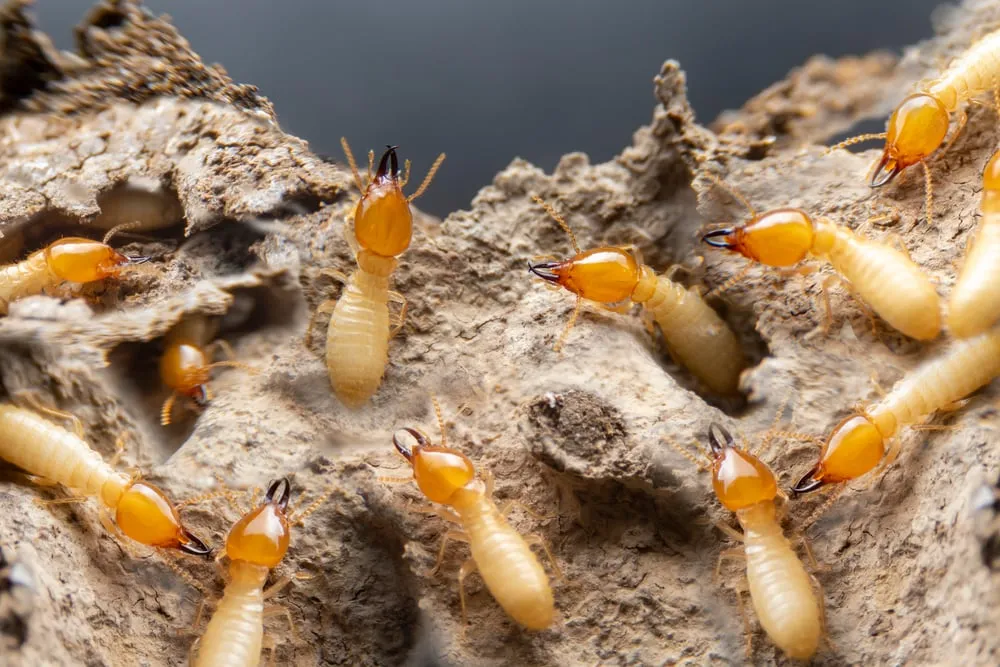
Termites and carpenter ants pose significant threats to the structural integrity of homes. These small yet destructive pests feed on wood, creating extensive damage over time if left untreated.
The fascinating thing about them is that they operate silently behind the scenes as the visible signs of their presence often appear when it’s already too late for preventive measures.
Termites munch through timbers from the inside out while carpenter ants carve out tunnels in wood to build their nests, leaving characteristic sawdust-like trails behind. The destruction caused by these creatures can compromise a building’s stability, making it unsafe or even unlivable over time.
Regular pest inspections are therefore necessary for early detection and effective treatment strategies that protect our homes against these wood-destroying culprits.
Rodents
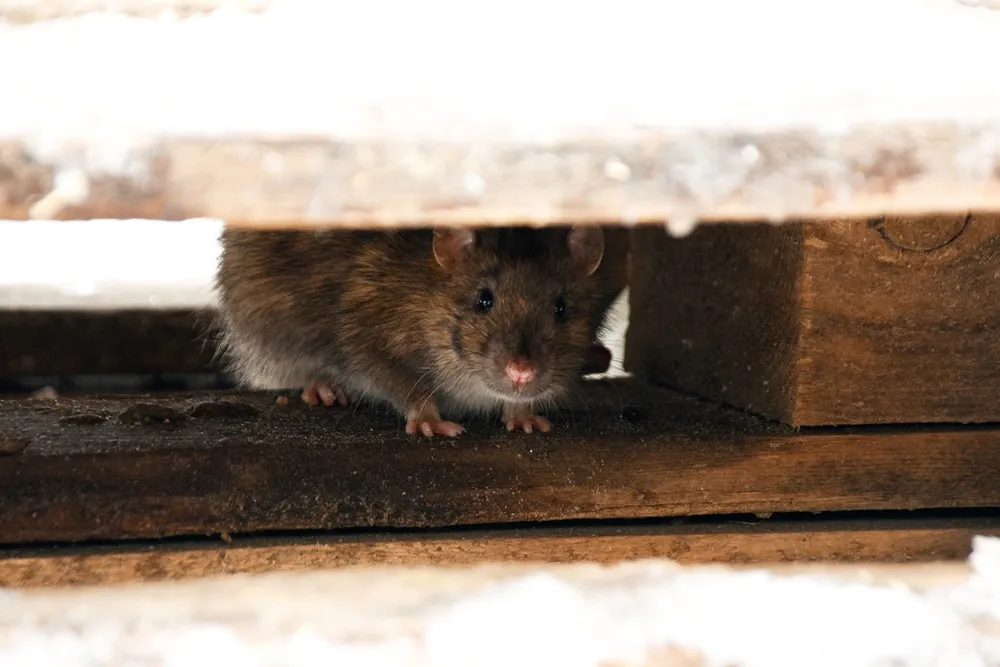
Rodents, such as rats and mice, can wreak havoc on building structures. These pesky creatures have a knack for chewing through wires, insulation, and even wooden beams. As they scurry around, seeking shelter and food, they leave behind droppings that can contaminate the air and pose serious health risks to occupants.
To prevent rodent infestations and protect your building’s structural integrity, regular pest control measures are crucial. Implementing strategies like sealing entry points, removing food sources, and setting traps can help keep these unwanted guests at bay.
So if you notice any signs of rodents in your building or construction site, don’t hesitate to take action to safeguard the well-being of both humans and the structure itself.
Birds
Birds can also cause damage to building structures. They may build nests in roofs, gutters, and chimneys, leading to blockages and potential structural issues. In addition, their droppings can create unsightly stains on surfaces and corrode building materials over time.
It is important to address bird problems promptly to prevent further damage and maintain the integrity of the structure. Regular inspections and implementing deterrent measures can help mitigate the risks associated with bird infestations.
Bees and Wasps
Bees and wasps can also pose a threat to building structures. These stinging insects often create their nests in crevices and openings, such as wall voids, attics, or eaves. Over time, their nesting activities can lead to structural damage if left unaddressed.
Additionally, the presence of bees and wasps near a building can be dangerous for occupants who may have allergic reactions to their stings. Regular pest control measures are necessary to prevent infestations and ensure the structural integrity of buildings.
Our team of experts will thoroughly inspect your property and implement effective strategies to manage bee and wasp populations while keeping your safety as our top priority.
Health Hazards Caused by Pests in Buildings
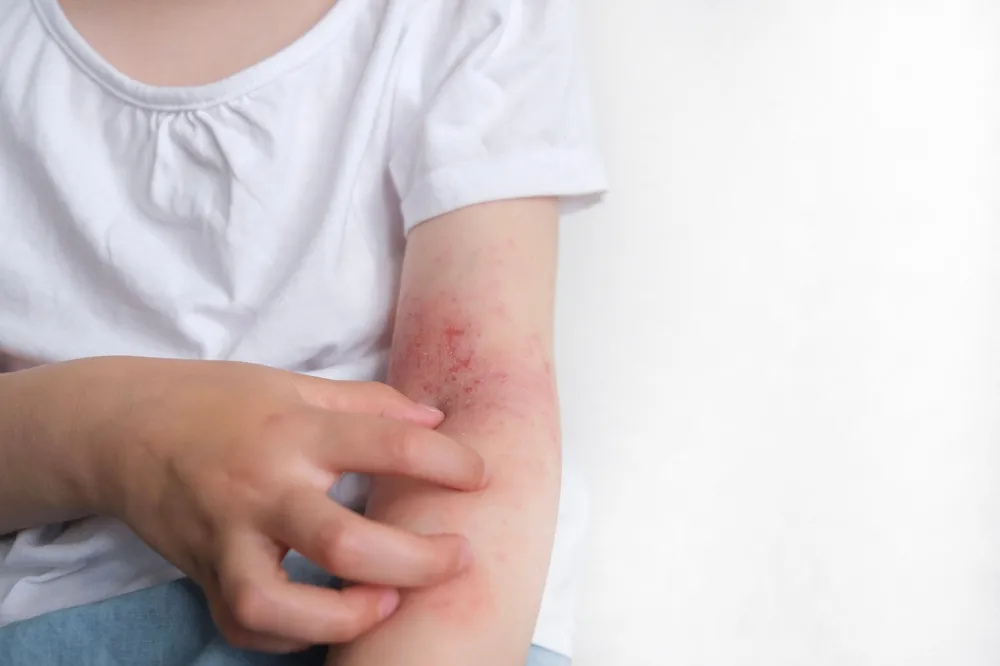
Behind the seemingly harmless face of a ladybug or the innocence of a mouse lie invisible threats that can compromise the health of your home’s occupants. Households serve as a haven for various pests that, little as they may seem, come armed with diseases and allergens potent enough to underpin serious health risks.
One of the primary carriers of pathogens is the often-overlooked pest droppings, serving as a populous breeding ground for bacteria, potentially triggering diseases if not duly detected and disposed of. Similarly, many of these pests harbour allergens, adding another layer of threat to the mix.
A single encounter with these allergens, whether from their feces, body parts or decayed corpses, can provoke irritating respiratory symptoms, from sneezing and coughing to severe asthma attacks in susceptible individuals. Highlighting these hidden hazards underscores the importance of conscientious pest management in ensuring the safety and health of all occupants who call your house a home.
Common pests found in households
Common pests found in households include termites, rodents, birds, and bees/wasps. These pests can cause significant damage to building structures if left unchecked. Termites and carpenter ants are particularly destructive as they feed on wood, compromising the structural integrity of homes.
Rodents not only chew through wires and insulation but also carry diseases that can pose health risks to occupants. Birds can create nests in chimneys or roofs which can lead to blockages and fire hazards.
Bees and wasps build their hives in walls or attics, posing a threat with their stings. Regular pest control is essential for maintaining the safety and longevity of buildings.
Pest infestations can have serious consequences for homeowners and occupants alike. Apart from property damage, these pests can transmit diseases or trigger allergies, resulting in health issues for residents.
Risks for building occupants
Building occupants face numerous risks when it comes to pest infestations. Pests such as rodents, birds, and bees can create unsanitary conditions in buildings, leading to the spread of diseases and allergies.
In addition, termites and carpenter ants can weaken the structural integrity of a building by damaging wooden components. Homeowners, building inspectors, engineers, architects, real estate agents, and legal office personnel must be aware of these risks and take proactive measures to prevent or address pest issues promptly.
By prioritising regular pest control and maintenance efforts, we can ensure that buildings remain safe and healthy environments for everyone.
Importance of Regular Pest Control for Maintaining Structural Integrity
Regular pest control is crucial for maintaining the structural integrity of buildings. By implementing effective pest control measures, homeowners, building inspectors, engineers, architects, and other professionals can prevent damage caused by pests such as termites, carpenter ants, rodents, birds, and bees.
Pests can weaken the foundation of a structure and compromise its stability over time. Regular pest control helps to identify and eliminate infestations before they cause significant harm.
It also protects construction sites from pests that can damage materials and pose safety hazards during pre/post-construction stages. With proper pest management practices in place, buildings can remain structurally sound and safe for occupants.
Effects of Pests on Construction Sites and Pre/Post-Construction Stages
Construction sites may seem to be an unlikely target for pests. However, these locations with their labyrinth of materials, dark corners, and open spaces often make a perfect home for a diverse range of pests.
From termites feasting on the wealth of wooden structures to rodents burrowing into the quieter corners, pests can pose a serious threat during both pre and post-construction stages. They can compromise the structural integrity of buildings before they even see their completion, making proactive pest management a non-negotiable aspect of construction planning.
Post-construction, any infestations that were overlooked or deemed minor can be magnified, transforming from an inconvenience into a full-blown infestation that could potentially plague the building’s occupants. Minimising these risks calls for an integrated pest management plan that focuses both on the here-and-now of the pest issue, as well as preventative measures for the future.
Prevention and treatment
To prevent and treat pest infestations in building structures, it is essential to prioritise regular pest control measures. This includes implementing preventive strategies such as sealing entry points, keeping the premises clean and sanitised, and using barriers or traps.
Additionally, conducting thorough pest inspections can help identify early signs of infestation, allowing for prompt treatment before the problem worsens. By addressing the root cause of infestations and taking proactive steps to eliminate pests, we can maintain the structural integrity of buildings and ensure a safe environment for occupants.
The role of pest inspections
Pest inspections play a crucial role in maintaining the structural integrity of buildings. These inspections involve a thorough assessment of the property to identify any signs of pest activity or potential infestations.
By identifying pests early on, building owners can take proactive measures to prevent further damage and protect their investment. Pest inspectors use their expertise to evaluate the extent of infestation and recommend appropriate treatment methods.
Their findings provide valuable insights for homeowners, architects, engineers, and real estate agents when it comes to making informed decisions about building maintenance and repairs.
Addressing the root cause of infestations
To effectively address the root cause of infestations, it is crucial to identify and eliminate factors that attract pests. This includes removing sources of food, water, and shelter that may be enticing pests into your building structures.
Regular inspections can help detect any potential entry points or areas where pest activity has been observed. By implementing preventive measures such as sealing cracks and crevices and maintaining cleanliness, you can significantly reduce the chances of infestations occurring in the first place.
Taking proactive steps like these will help maintain a pest-free environment and protect the structural integrity of your buildings for years to come.
Call Us!
Pests can have severe impacts on building structures, causing damage to both the interior and exterior. Termites, rodents, birds, and bees can all pose risks to the structural integrity of a building.
Regular pest control is essential to maintain a safe and healthy environment for occupants. By addressing infestations promptly and implementing preventive measures during construction, we can protect our buildings from the detrimental effects of pests.