
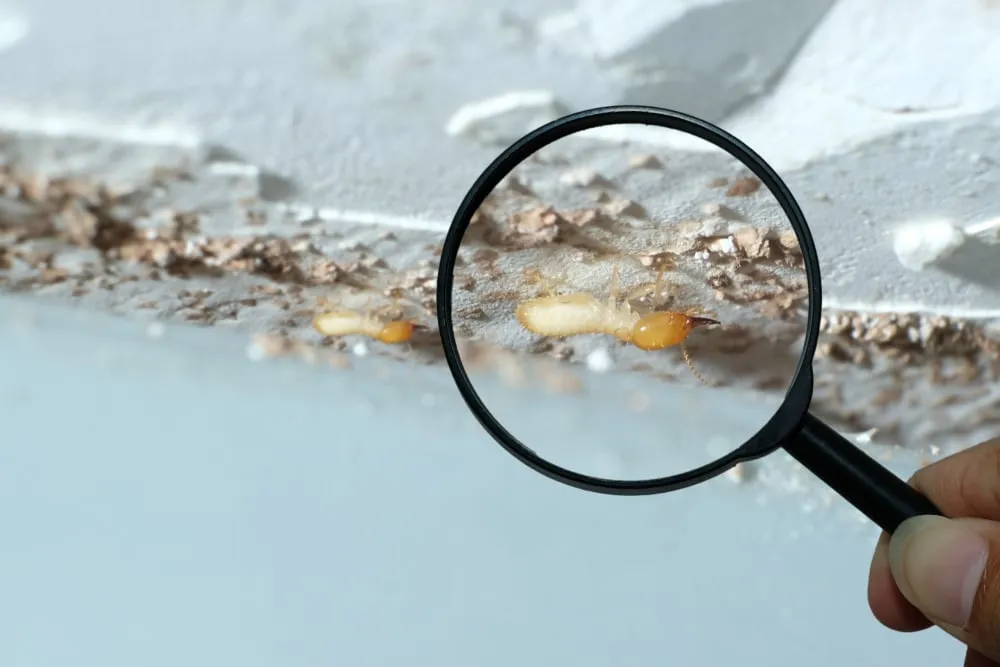
When it comes to safeguarding your property from unwanted guests, understanding the distinction between indoor and outdoor pest inspections is imperative. These two spheres, while intrinsically connected, focus on different areas and potential threats present in any habitat. Indoor inspections are a deep dive into the nooks and crannies of your living spaces, searching for signs of pests that thrive within the confines of walls, attics, or basements.
In contrast, outdoor inspections take the battle against pests to the grounds surrounding your home, scoping areas of potential entry and environmental conditions conducive to pest harborage. Each type of inspection comes with its own set of tools, techniques, and insights necessary to comprehensively assess and tackle pest presence.
Armed with knowledge about the unique characteristics and advantages of both, property owners can better strategise their pest control initiatives. Let’s explore the essential factors you need to consider to keep your domain, both inside and out, free from pesky invaders.
Key Takeaways
- Indoor pest inspections focus on identifying pests inside your property, while outdoor pest inspections assess and manage pests in the exterior surroundings.
- Regular indoor and outdoor pest inspections are crucial for preventing infestations, identifying current pest problems, and protecting your property’s structural integrity.
- It is recommended to schedule an indoor and outdoor pest inspection at least once a year to ensure comprehensive coverage against pests.
Understanding Pest Inspections and Pest Control
A pest inspection serves as a proactive measure, a systematic process meticulously designed to detect the presence of pests and highlight vulnerabilities in a property that could lead to potential infestations.
This critical examination is the first line of defence, utilising trained professionals who employ their expertise to identify signs of pest activity, such as droppings, damage, or actual pests themselves.
In contrast, pest control is an active response, encompassing a range of strategies tailored to effectively remove existing pests or implement protective measures to prevent future pest-related dilemmas.
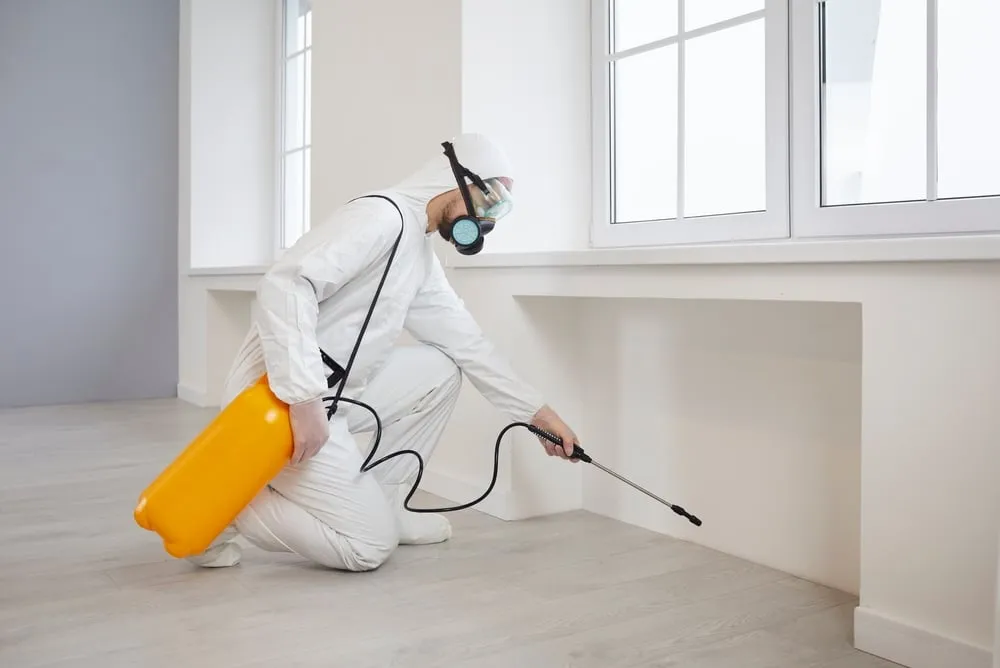
What is a pest inspection?
A pest inspection is a detailed examination of a property by a trained professional to check for the presence of pests. It covers every nook and corner, inside out, even those hard-to-reach areas, such as attics and basements.
This process aims to identify any current or potential infestations from harmful pests like termites, rodents or insects that could damage the structural integrity of your home if left unaddressed.
If detected early enough through these inspections, appropriate pest control measures can be taken in time to prevent further spread and damage.
How often should you get one?
We recommend getting a pest inspection regularly to ensure your property remains free from pests. Ideally, you should schedule an indoor and outdoor pest inspection at least once a year.
This will help in preventing any potential infestations and identifying any current pest problems before they become more serious. Regular inspections are crucial for protecting the structural integrity of your property and ensuring the safety of its occupants.
By staying proactive with regular pest inspections, you can address any issues promptly and maintain a pest-free environment for years to come.
What happens during a pest inspection?
During a pest inspection, our team thoroughly examines both the interior and exterior of your property to assess for any signs of pest presence or potential infestations. We inspect key areas such as crawlspaces, basements, attics, and walls to identify any conditions that may attract pests or indicate an existing problem.
Our inspections include a comprehensive examination of common hiding spots for pests like rodents and insects. By conducting these regular assessments, we can help you identify and address any potential issues before they become major problems that compromise your property’s safety and structural integrity.
What is pest control?
Pest control refers to the management and elimination of pests that can invade your property, such as insects, rodents, and other unwanted creatures. It involves taking proactive measures to prevent infestations and addressing any existing pest problems.
Different methods of pest control are used depending on the type of pest and severity of the issue. These methods may include trapping, baiting, spraying insecticides or pesticides, or using natural deterrents.
Regular pest control is vital for maintaining a safe and healthy environment in your home or building.
Different types of pest control methods
We use various methods to control pests and keep them from infesting our properties. These methods include chemical treatments, such as insecticides and rodenticides, which kill or repel pests.
Physical barriers like screens and traps can also be effective in preventing pest entry. Biological controls involve using natural predators or parasites to eliminate pests. Integrated Pest Management (IPM) combines multiple approaches for a comprehensive and sustainable solution.
Regular inspections help determine the most appropriate method for your specific pest problem.
Understanding the Difference between Indoor and Outdoor Pest Inspections
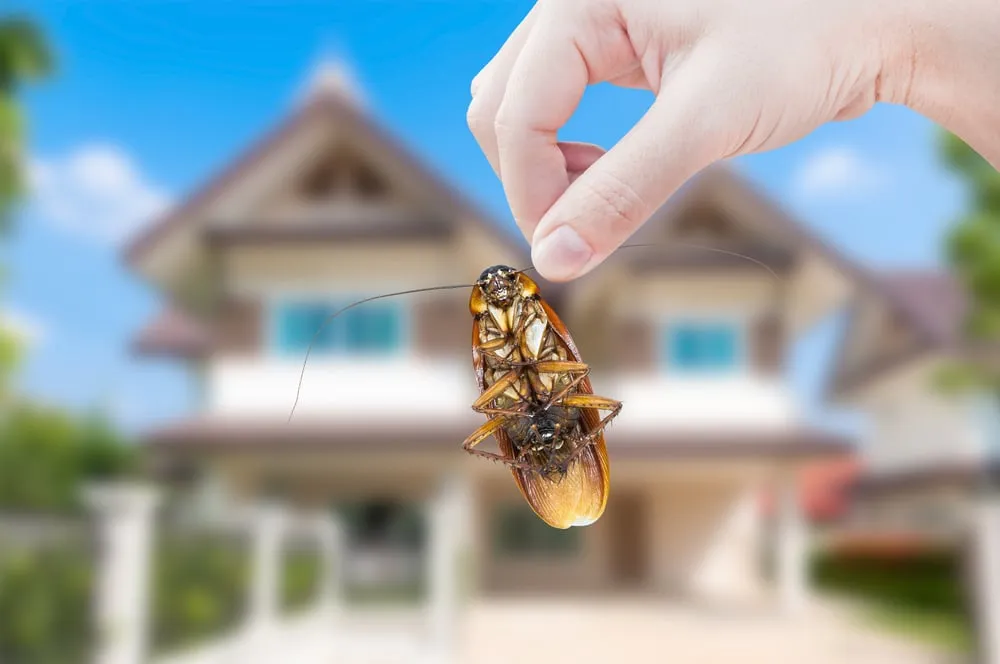
Indoor pest inspections are akin to a detailed audit of a property’s interior, seeking out evidence of insect or rodent intrusions that can pose a risk to health and home. Inspectors scrutinise common problem areas like kitchens, basements, and attics to identify tell-tale signs of pests, such as nests, droppings, and damage to materials.
The goal is to catch infestations early and address them before they can spread or cause extensive damage. In contrast, outdoor pest inspections take a vigilant approach to the property’s external environs, examining the landscape, building exteriors, and any outbuildings for vulnerabilities where pests might penetrate or establish colonies.
By focusing on the outdoors, these inspections aim to manage pests in the environment surrounding a home, thereby reducing the chance of them making their way inside.
What are indoor pest inspections?
During indoor pest inspections, a thorough examination of the interior areas of a property is conducted to identify any signs of pest infestation or damage. Trained professionals inspect various spaces such as bedrooms, kitchens, bathrooms, and basements for evidence of pests like rodents, termites, ants, cockroaches, and spiders.
They carefully assess walls, floors, ceilings, cabinets, plumbing fixtures, electrical outlets and wiring to ensure that there are no hidden pest problems. This comprehensive evaluation helps homeowners and building inspectors proactively address any issues that may compromise the safety and integrity of the property.
What are outdoor pest inspections?
Outdoor pest inspections involve a thorough examination of the exterior of a property to assess for any signs of pest activity or potential infestations. Trained professionals inspect the surrounding areas, such as gardens, fences, outdoor structures, and entry points like windows and doors.
Through this comprehensive examination, they can identify and address any existing pest problems or vulnerabilities that may lead to future infestations. By conducting regular outdoor pest inspections, homeowners and property owners can ensure the safety and structural integrity of their properties while preventing damage caused by pests such as termites or rodents.
How do they differ from each other?
Indoor pest inspections and outdoor pest inspections differ in terms of the areas they cover. During an indoor pest inspection, professionals examine the interior spaces of a property, such as rooms, basements, and attics, to identify any signs of pests or potential infestations.
On the other hand, outdoor pest inspections focus on inspecting the exterior areas of a property, including gardens, lawns, fences, and structures like sheds or garages. The main goal is to assess if any conditions could attract pests or serve as entry points into the building.
By conducting both types of inspections regularly, homeowners can ensure comprehensive coverage against pests and take appropriate measures to protect their property from infestations.
The Importance of Regular Indoor and Outdoor Pest Inspections
Scheduling regular indoor and outdoor pest inspections is a key preventative measure, acting as an early warning system for potential pest infestation threats. These inspections scope out the first signs of unwanted critters, from silent termite invaders gnawing away at your property’s structure to foraging ants or opportunistic rodents seeking harbour within.
Detecting these issues promptly can fend off larger infestations that could otherwise lead to significant, costly damage to your property’s structural integrity. With each thorough examination, potential entry points and attractants for pests are identified, enabling homeowners or property managers to take corrective action swiftly.
Ultimately, the regularity of these inspections is an investment in the property’s longevity, ensuring it remains a strong, secure haven free from the destructive tendencies of pests.
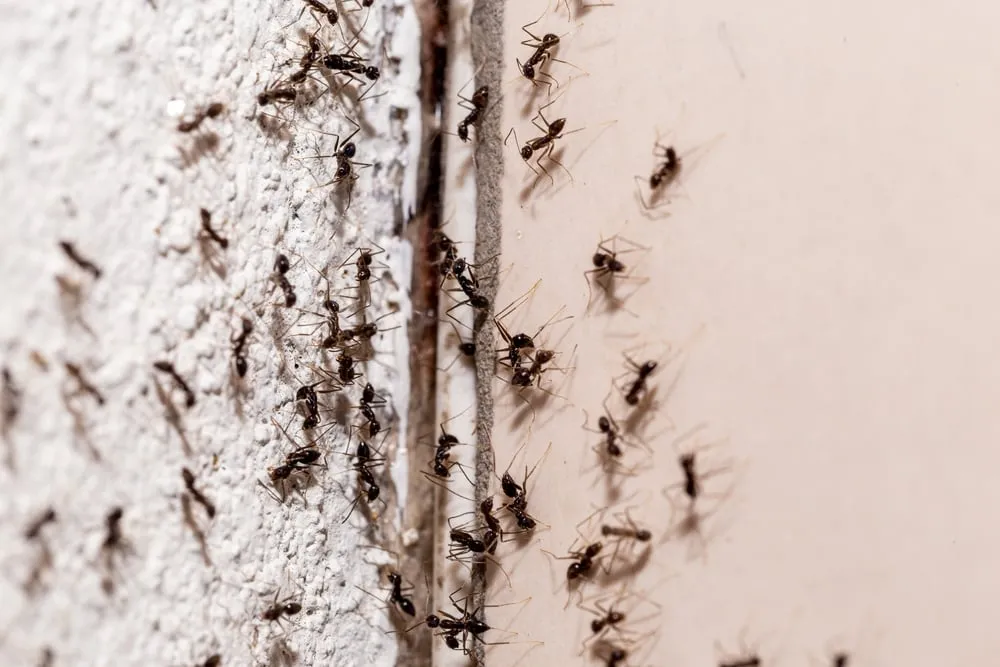
Preventing infestations
Preventing infestations is a crucial aspect of maintaining a safe and healthy property. Regular indoor and outdoor pest inspections play a vital role in identifying potential issues before they escalate into major problems.
By staying proactive, you can protect your property from pests such as rodents, termites, and other unwanted invaders. With the help of professional pest inspectors, you can address any existing infestations promptly and implement effective strategies to prevent future ones.
Taking these preventive measures ensures the long-term safety, integrity, and value of your property.
Identifying current pest problems
During a pest inspection, one of the key priorities is identifying any current pest problems in and around your property. This comprehensive examination allows us to assess the condition of your property and determine if there are any signs of infestation or pest presence.
By actively searching for pests, such as rodents or termites, we can help you address these issues before they cause further damage. Identifying current pest problems is essential for protecting your property’s structural integrity and ensuring its overall safety.
Protecting your property’s structural integrity
Regular indoor and outdoor pest inspections play a crucial role in protecting your property’s structural integrity. By identifying any pest presence or infestations early on, these inspections help prevent extensive damage to your building.
Termites, rodents, and other pests can cause significant harm to the structure of your property if left untreated. Through comprehensive examinations, professionals can assess for any signs of pest activity and provide effective pest management solutions.
Taking proactive measures to protect your property will ensure its safety and longevity for years to come.
Choosing the Right Professionals for Indoor and Outdoor Pest Inspections
What to look for in a pest inspector
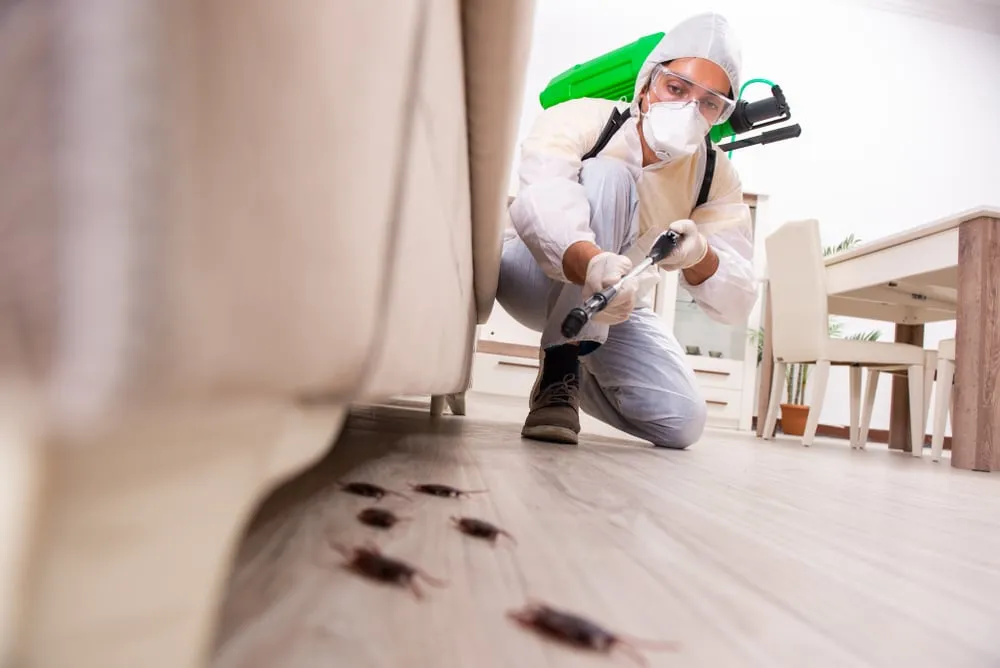
When choosing a pest inspector, there are several key factors to consider. Firstly, make sure the inspector is licensed and certified in pest control. This ensures they have the necessary knowledge and expertise to identify and address any issues.
Additionally, look for an inspector who has experience working in your specific area or property type. They will be more familiar with common pests and potential problem areas. It’s also important to find someone who is thorough and detail-oriented, as a comprehensive examination is essential for identifying any hidden infestations or structural defects.
Finally, consider their reputation and customer reviews to ensure you are hiring a reliable professional for your indoor or outdoor pest inspection needs.
Factors to consider in choosing a pest control company
In choosing a pest control company, there are several factors to consider. Firstly, it’s important to look for a company that has experience in dealing with the specific pests you are facing.
They should have a good track record of successfully eliminating infestations and preventing future ones. Additionally, check if the company is licensed and insured to ensure they meet industry standards.
It’s also worth considering their methods and approach to pest control – do they use environmentally-friendly practices? Finally, take into account customer reviews and testimonials to get an idea of their reputation and level of satisfaction among previous clients.
Benefits of hiring professionals
Hiring professionals for your indoor and outdoor pest inspections comes with several benefits. Firstly, professionals have the knowledge and expertise to accurately identify potential pest problems in both areas of your property.
They can spot signs of infestation that may be overlooked by an untrained eye. Secondly, professionals use specialised equipment and methods to effectively control and eliminate pests, ensuring a thorough treatment that lasts.
Lastly, hiring professionals gives you peace of mind knowing that your property is being looked after by experienced individuals who prioritise the safety and well-being of your home or building.
DIY vs. professional pest control
When it comes to pest control, you have the option of doing it yourself or hiring professionals. DIY pest control involves using products and methods that are available for purchase without a license.
It can be cost-effective and convenient if you only have a minor infestation. However, keep in mind that DIY solutions may not be as effective in treating severe or persistent infestations.
On the other hand, professional pest control offers several advantages. Pest control experts have the knowledge, experience, and tools to properly identify pests, assess their extent of infestation, and develop an effective treatment plan.
They use safe and approved methods to eliminate pests while minimising risks to your health and property. Professional pest control is especially recommended for complex or repeat infestations, as well as for properties with specific requirements like commercial buildings or heritage homes.
Call Us!
Understanding the difference between indoor and outdoor pest inspections is crucial for maintaining the safety and integrity of your property. Regular inspections can help prevent infestations, identify existing pest problems, and protect against structural damage.
It’s important to choose the right professionals who are experienced in both indoor and outdoor inspections to ensure a comprehensive examination of your property. With proper pest control measures in place, you can enjoy a pest-free home or building environment.
Penrith Building Inspections
Keep Reading

Rental Inspections
How Rental Inspections Help Maintain Your Property Value
Learn how regular rental inspections can help you preserve and enhance the value of your property investment.
Read More →
Dilapidation Inspections
Dilapidation Inspection: An Indispensable Part of Building Inspection
Learn how dilapidation inspections are key in building projects to safeguard property conditions and manage risks.
Read More →
Pest Inspections
Avoid Future Headaches: The Role of Pest Inspections in New Home Buying
Learn the key role pest inspections play in new home buying to safeguard your property and avoid costly issues.
Read More →