Amid towering steel structures, expansive warehouse spaces, and bustling commercial premises, the concepts of structural integrity and safety play pivotal roles. These core elements lay the foundation for any successful industrial or commercial venture. But how do you ensure that these benchmarks are met and maintained?
In this informative article, we’ll navigate through the comprehensive process of inspections specifically tailored for industrial and commercial properties. We will shed light on how these examinations help in spotting structural weaknesses, identifying potential dangers, and ultimately establishing a safe and secure environment for workers and visitors alike. Join us as we unpack the crucial elements of these inspections, better preparing you to oversee the longevity and safety of your industrial or commercial infrastructure.
Key Takeaways
- Industrial and commercial inspections are crucial for ensuring the structural integrity and safety of buildings and identifying potential hazards and risks.
- Inspections help in maintaining the health of structural components and identifying early signs of issues like water leakage or deterioration due to age or poor construction techniques.
- Regular inspections prioritise occupant safety by assessing fire safety measures, electrical systems, emergency exits, and overall building security.
- By conducting comprehensive safety assessments, potential hazards such as faulty electrical wiring or hazardous materials can be identified and necessary repairs recommended.
Importance of Industrial and Commercial Inspection
In the vast and intricate world of industrial and commercial properties, one tool stands tall in ensuring the safe and efficient operation of facilities – professional inspection. Firstly, these inspections are instrumental in validating the structural integrity of buildings, probing and testing the durability and strength of the construction in withstanding routine operations, severe weather conditions, and the passage of time.
More than just verifying the strength, inspectors also turn their trained eyes to identify potential hazards and risks that may lurk in everyday operations.
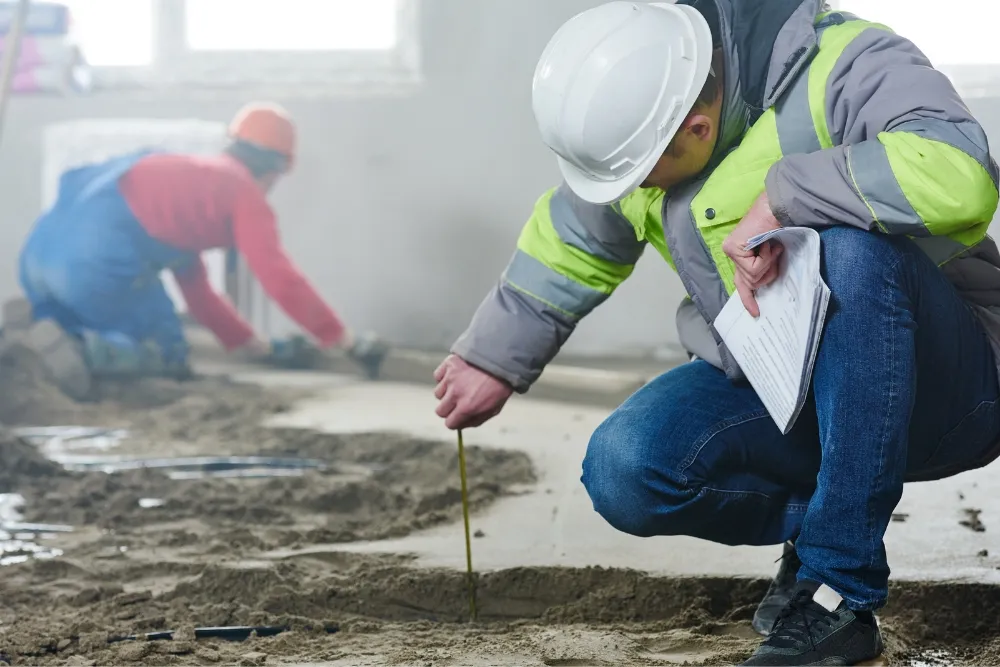
This could range from improper materials storage, and potential fire hazards, to spotting structural issues that might lead to future complications if left unaddressed. In essence, the industrial and commercial inspection acts as the watchdog of a facility, its primary mission being to secure the site’s safety, preserve the building’s robustness, and enable a proactive approach towards potential risks.
Ensuring structural integrity
Engineers and architects design buildings to withstand everyday stresses and strains. They factor in weight distribution, weather elements, and even seismic activity. But over time those forces can take a toll on the structure’s integrity.
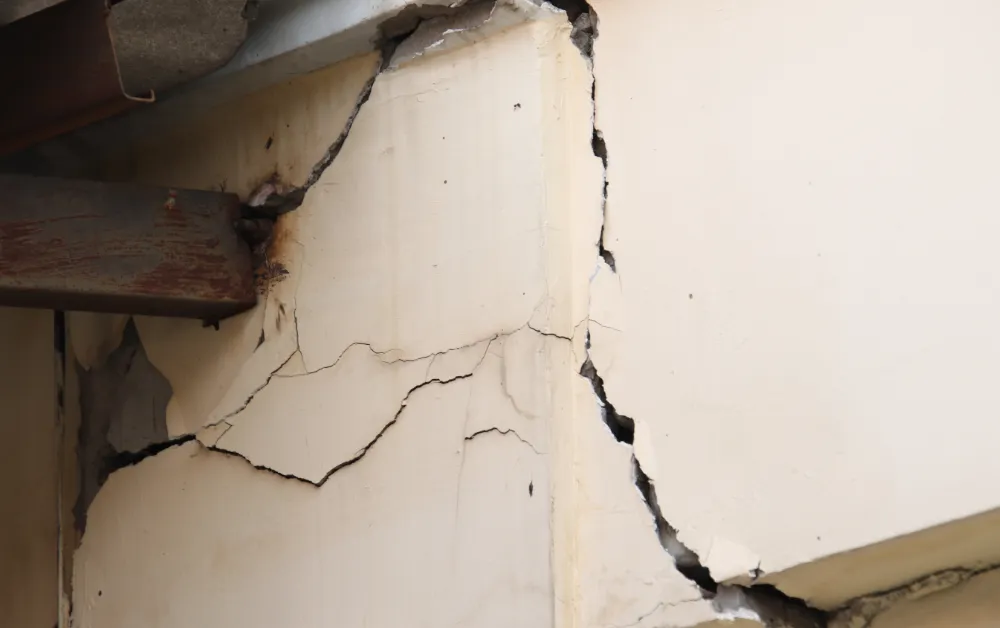
Commercial building inspections help identify any structural issues that could evolve into serious problems. The emphasis is on identifying early signs of water leakage, energy efficiency problems or deterioration due to age or poor construction techniques.
Regular industrial inspections prioritise maintaining the health of structural components in factories and other large-scale facilities. Inspectors look for deformation, breakage or potential collapse points within these structures.
Inspections also play a vital role during property transactions where both buyers and sellers need reassurance about the building’s condition before transferring ownership rights – whether it be Brisbane’s bustling real estate market or Melbourne’s growing industrial hub.
All this boils down to one thing: routine safety checks ensure our homes, workplaces, or commercial properties remain strong and durable for years to come.
Ensuring safety for occupants
Ensuring the safety of occupants is a top priority when it comes to industrial and commercial inspections. These inspections play a crucial role in identifying potential hazards and risks that could pose a threat to people working or visiting these premises.
By conducting thorough safety inspections, building inspectors can help prevent accidents, injuries, and costly repairs by addressing any issues that may compromise the well-being of occupants.
This includes assessing fire safety measures, electrical systems, emergency exits, and overall building security. With regular safety inspections in place, owners and stakeholders can have peace of mind knowing that their properties are compliant with regulations and standards, providing a safe environment for everyone involved.
Industrial complexes operate for various purposes such as manufacturing or warehousing activities. It’s important to ensure the safety of workers within these facilities as they are exposed to unique workplace hazards like heavy machinery or hazardous materials.
Safety certification audits are conducted to evaluate compliance with workplace health and regulations specific to industrial-purpose premises.
Identifying potential hazards and risks
Identifying potential hazards and risks is a crucial part of industrial and commercial inspections. Our expert inspectors thoroughly assess the property to pinpoint any issues that could pose a threat to both occupants and the integrity of the structure.
By conducting comprehensive safety assessments, we ensure that all potential hazards are identified, such as faulty electrical wiring, unsafe staircases, or hazardous materials. This allows us to recommend necessary repairs or improvements to mitigate these risks effectively.
With our thorough risk identification process, you can have peace of mind knowing that your property is safe for everyone who uses it.
Types of Inspections
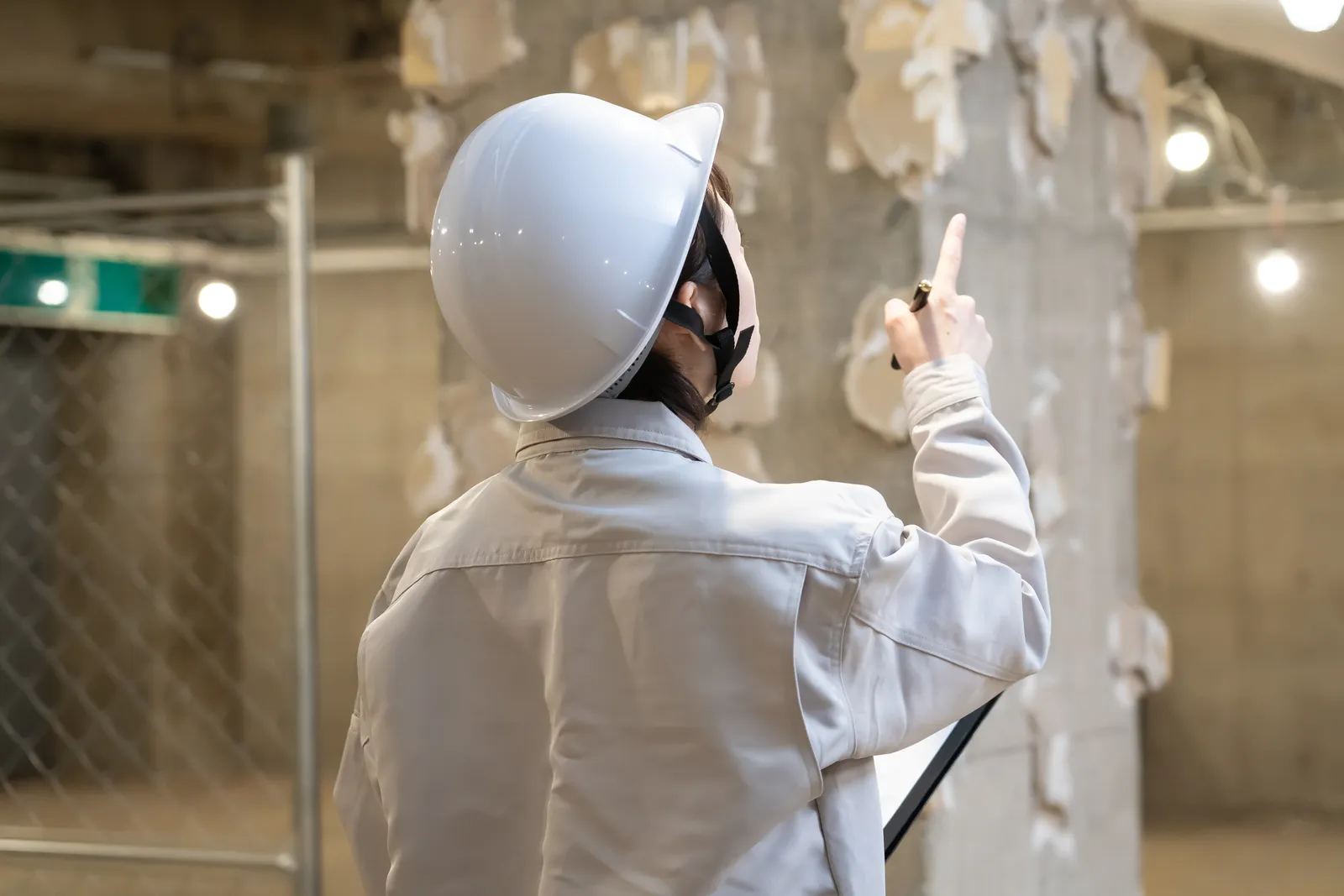
With diverse structures and complex operations, industrial and commercial settings demand a range of inspection types, each addressing specific facets of the facility. Structural inspections, for example, focus on the building’s strength and durability, examining its resilience against physical forces and environmental conditions.
Safety inspections, on the other hand, place priority on the well-being of occupants and visitors alike, scrutinising elements like emergency exit routes, fire safety measures, and the safe use of equipment.
Compliance inspections serve as a check against regulatory standards, verifying whether the building’s design and operations align with local building codes, environmental requirements, and industry-specific regulations.
Lastly, maintenance inspections regularly assess the building’s condition and the status of equipment, facilitating timely interventions to repair or replace components, preventing unexpected downtime, and thus, ensuring smooth operations. These diverse inspection types collectively ensure a well-rounded assessment to establish the safe and efficient functioning of commercial and industrial properties.
Structural inspections
Structural inspections are a vital part of ensuring the safety and integrity of industrial and commercial buildings. These inspections involve a thorough assessment of the building’s structure, including its foundation, walls, roof, and supports.
Qualified inspectors look for any signs of damage or deterioration that could compromise the stability of the building. By identifying potential issues early on, structural inspections help prevent accidents, injuries, and costly repairs.
They also ensure that the building is in compliance with regulations and standards set by authorities. Whether you’re a homeowner or a professional in the industry, regular structural inspections are essential for maintaining a safe and functional space.
Safety inspections
Safety inspections are a crucial component of industrial and commercial inspection processes. These inspections aim to ensure the safety and well-being of occupants in various buildings, including factories, warehouses, offices, and other commercial properties.
By conducting thorough safety inspections, potential hazards and risks can be identified early on, allowing for proper preventive measures to be implemented.
During safety inspections, licensed inspectors assess various aspects such as fire safety systems, electrical wiring, emergency exits, ventilation systems, and overall workplace conditions.
They make sure that all safety regulations and standards are being followed strictly. Safety certification is an important outcome of these inspections as it assures stakeholders that the building meets all necessary safety requirements.
Regular safety inspections not only prevent accidents but also promote better working environments by addressing any issues that may compromise the safety of employees or visitors.
Compliance inspections
Compliance inspections are an essential part of ensuring the safety and integrity of industrial and commercial buildings. These inspections ensure that all relevant codes and regulations are being followed, helping to prevent accidents, injuries, and costly repairs.
Inspectors thoroughly assess the building’s systems, structures, and equipment to verify compliance with standards related to fire safety, electrical wiring, plumbing, accessibility, and more.
By conducting regular compliance inspections, stakeholders can be confident that their property meets all necessary requirements for a safe working environment.
Maintenance inspections
Regular maintenance inspections are essential for maintaining the structural integrity and safety of industrial and commercial buildings. These inspections help identify any potential issues or damages that could compromise the functionality of the structure.
By conducting routine maintenance inspections, homeowners, building inspectors, engineers, architects, interior design specialists, real estate agents, pest inspectors, and legal office personnel can ensure that any necessary repairs or upkeep is addressed promptly.
This proactive approach not only prevents costly repairs down the line but also ensures compliance with building codes and regulations. Maintenance inspections provide peace of mind to stakeholders by ensuring that their properties remain in optimal condition for both occupants and business operations.
Benefits of Industrial and Commercial Inspection
Prudent management of industrial and commercial properties hinges on the crucial practice of professional inspections. Early detection of structural issues brought about by these investigations, from minor wear and tear to significant defects, can save substantial time and money, preventing cascading complications and expensive reparations down the line.
Additionally, verifying compliance with local and industry regulations, achieved through thorough compliance inspections, not only avoids potential legal repercussions but also cultivates a safe working environment for all occupants, a cornerstone of successful business operations.
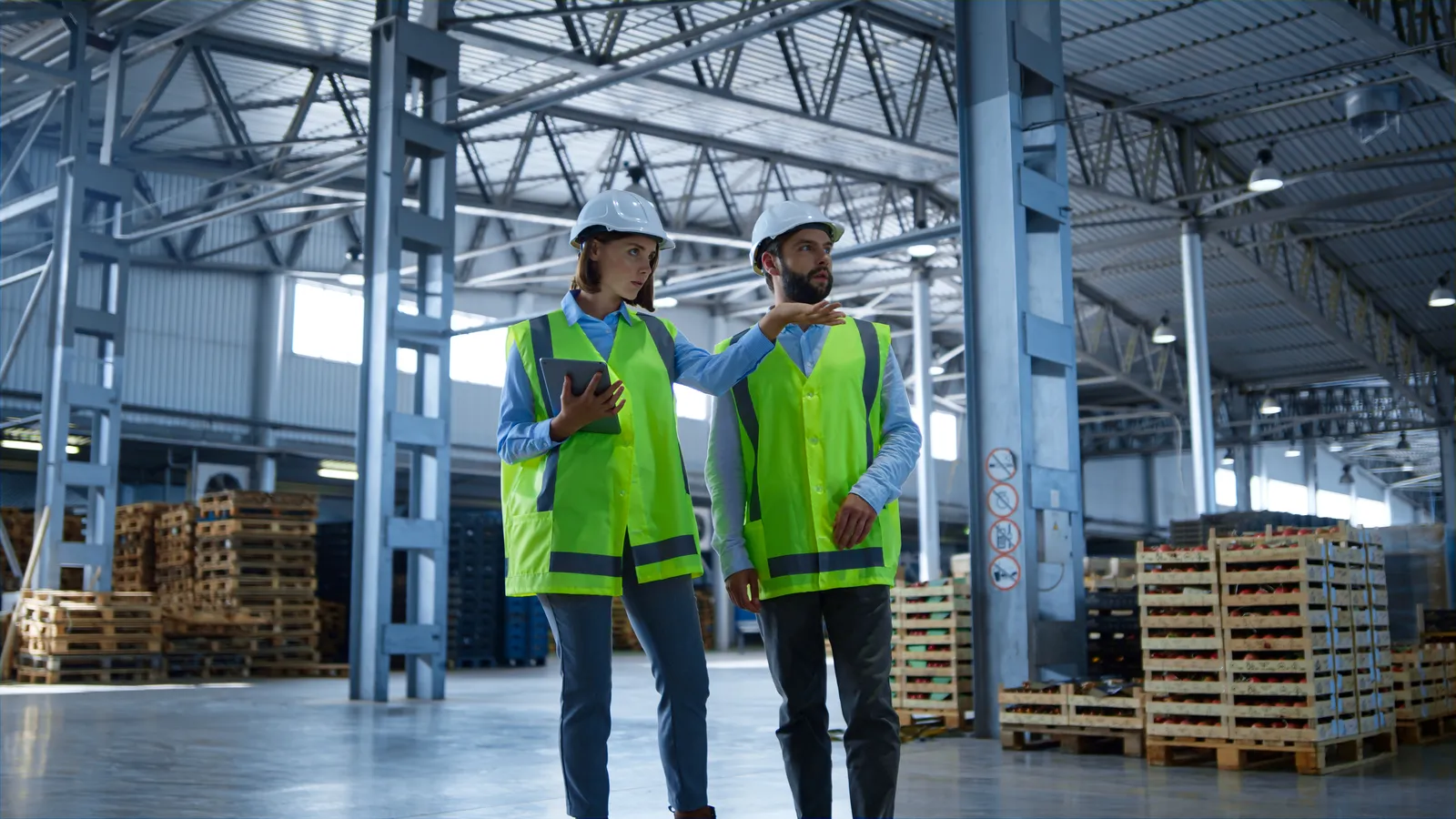
For the owners and stakeholders, this confidence in their property’s condition, coupled with the cost savings attained through preemptive maintenance measures, results in noticeable peace of mind and economic efficiency. Therefore, the diverse aspects of building inspections indeed prove to be invaluable tools in effective property management.
Cost savings
Regular industrial and commercial inspections can lead to significant cost savings for property owners. By detecting structural issues early on, these inspections help prevent small problems from developing into major and costly repairs.
Additionally, regular inspections ensure compliance with building codes and regulations, avoiding potential fines or penalties that could result in financial losses. Taking a proactive approach through routine maintenance inspections also helps prolong the lifespan of the building’s components, reducing the need for frequent replacements or expensive renovations.
Ultimately, investing in regular inspections not only promotes safety but also saves money by addressing issues before they escalate into larger financial burdens.
Compliance with regulations and standards
Ensuring compliance with regulations and standards is a crucial aspect of industrial and commercial inspection. As homeowners, building inspectors, engineers, architects, interior design specialists, real estate agents, pest inspectors, and legal office personnel in Australia, we understand the importance of adhering to these guidelines.
By conducting thorough inspections and assessments, we can ensure that buildings meet all necessary safety requirements and are up to code. This not only helps prevent accidents and injuries but also ensures the overall integrity of the structure.
With regular inspections in place, we can identify any issues or areas that may need attention to maintain compliance with regulations and standards.
Choosing a Reliable Inspection Service

Navigating the realm of industrial and commercial inspections can appear daunting, and the choice of a trustworthy inspection service carries significant weight. The decisive factors to consider while making this choice extend beyond just credentials.
Yes, licensing is an essential metric, but experience and expertise also count, as these define an inspector’s proficiency in spotting anomalies and deciphering their implications, ensuring you receive a comprehensive, accurate report. Efficiency and timeliness, too, are vital attributes, especially in fast-paced industrial and commercial settings where time is often money, and delays could bear considerable costs.
Furthermore, customer reviews and testimonials often reveal aspects unbeknownst to promotional content, offering candid insights into the service’s actual performance. For a complete understanding of the manifold benefits of industrial and commercial inspections, and more tips on choosing an ideal inspection service, continue reading our detailed exploration on the subject!
Comprehensive inspection reports
Our comprehensive inspection reports provide a detailed analysis of the condition and safety of industrial and commercial buildings. These reports are essential for homeowners, building inspectors, engineers, architects, interior design specialists, real estate agents, pest inspectors, and legal office personnel to make informed decisions.
Our experienced inspectors conduct thorough assessments to identify any potential hazards or risks. We evaluate structural integrity, compliance with building codes and regulations, maintenance requirements, and overall safety.
With our efficient and timely service, you can have peace of mind knowing that your property has been thoroughly examined by professionals who prioritise quality control and workplace safety.
Call Us!
Industrial and commercial inspections are vital for ensuring the structural integrity and safety of buildings. These inspections play a crucial role in identifying potential hazards, maintaining compliance with regulations, and providing peace of mind for owners and stakeholders.
By detecting issues early on, inspection services help prevent accidents, reduce costs, and ensure that businesses can operate smoothly. Therefore, investing in reliable inspection services is essential to protect property investments and ensure the well-being of occupants.