In the bustling world of industry and commerce, the bricks and mortar that house these dynamic operations often go unnoticed. However, the structural health of these buildings is paramount to ensuring efficient workflows, employee safety, and sustained productivity.
In this post, we aim to highlight the importance of thorough inspections in industrial and commercial facilities and walk you through the integral components that each inspection must encompass.
Whether you’re a seasoned facility manager or just stepping into the realm of industrial and commercial property management, this blog will serve as a helpful guide that illuminates the complexity and crucial aspects of routine inspections. Join us as we delve into the multifaceted process, decipher it, and, ultimately, help you ensure that your building stands tall, safe, and sound.
Key Takeaways
- Industrial and commercial inspections assess the structural integrity of buildings, including key components like beams, columns, foundations, and walls.
- Compliance inspections ensure that buildings meet all applicable regulations and safety standards, covering areas such as design documentation, structural integrity, electrical and plumbing systems, and fire safety measures.
- Evaluating compliance with building codes helps maintain safety standards for industrial and commercial buildings by ensuring adherence to specific requirements outlined in relevant codes.
- Regular inspections are crucial for identifying potential issues early on, preventing safety hazards, ensuring compliance with regulations, and maintaining the value of properties.
Types of Inspections for Commercial and Industrial Buildings
In the realm of commercial and industrial buildings, a spectrum of inspections is conducted, each designed to scrutinize specific aspects of these complex structures. Structural inspections take centre stage, delving into the guts of the building to evaluate its durability, resistance against environmental factors, and overall robustness.
On the other hand, compliance inspections act as the facility’s legal shield, diligently checking each operational and structural facet against local building codes and industry regulations to ensure adherence.

A different lens is used for design documentation inspections, where the building’s reality is matched against its theoretical plans, spotting and rectifying discrepancies before they lead to functional issues or safety concerns. Collectively, these inspections form a robust triad, complementing each other in providing a comprehensive, accurate picture of the property’s state.
Structural inspections
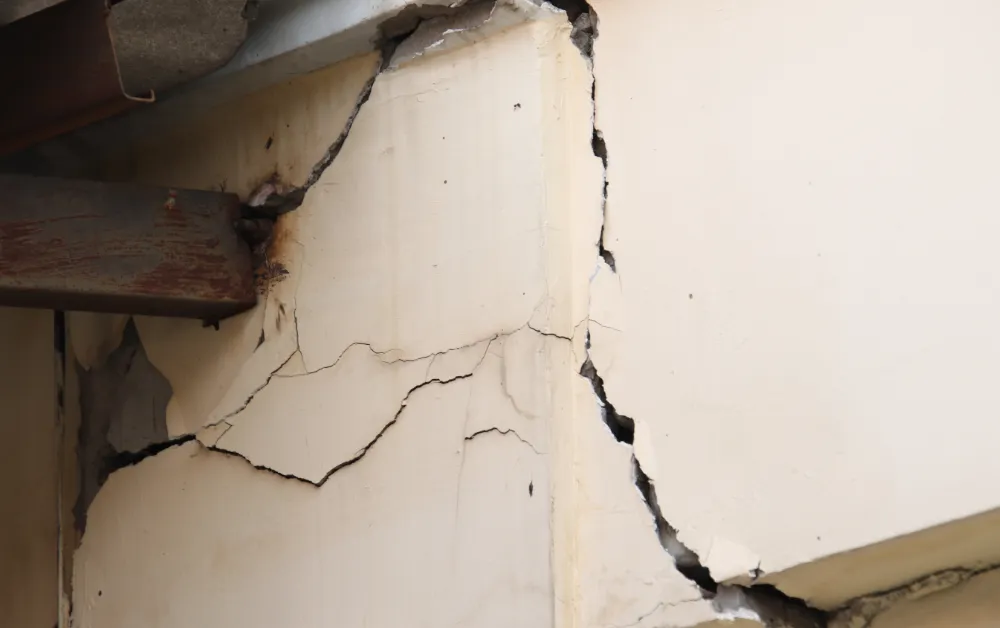
Structural inspections delve deeply into the core of industrial and commercial properties, investigating the integrity of structures. They examine key components like beams, columns, foundations and walls to ensure they are in good condition and capable of bearing loads effectively.
The use of advanced technology such as drones or infrared imaging instruments enables inspectors to detect issues that may not be visible to the naked eye. This includes problems with structural degradation over time due to environmental exposure or aging materials.
These inspections highlight areas needing urgent maintenance or large-scale repairs, offering a clear path for action plans to rectify issues promptly. Structural inspections form an integral part of ensuring workplace safety by identifying potential hazards before they escalate into serious incidents.
Compliance inspections
During compliance inspections, the focus is on ensuring that buildings meet all applicable regulations and safety standards. These inspections are crucial to identify any violations that may pose risks to health and safety.
Building inspectors thoroughly review design documentation, assess structural integrity, and evaluate compliance with building codes. They also inspect electrical and plumbing systems as well as fire safety measures.
By conducting compliance inspections, we can help homeowners, architects, engineers, real estate agents, and other professionals ensure that their properties meet legal requirements and maintain a safe environment for everyone involved.
Compliance inspections play a vital role in maintaining quality control and preventing potential issues in industrial or commercial buildings. Inspectors conduct thorough assessments of various components such as plumbing systems, building structures, electrical systems, fire safety measures, and overall compliance with regulations.
Design documentation inspections
Design documentation inspections are an essential component of industrial and commercial inspections. During these inspections, our team carefully reviews the design documentation for the building to ensure that it aligns with industry standards and regulations.
We assess factors such as structural integrity, compliance with building codes, and adherence to design specifications. By conducting thorough design documentation inspections, we can identify any potential issues or discrepancies early on, helping to prevent safety hazards and maintain compliance with regulations.
This ensures that the building is constructed according to approved plans and meets all necessary requirements for a safe and functional space.
Key Components of Industrial and Commercial Inspections
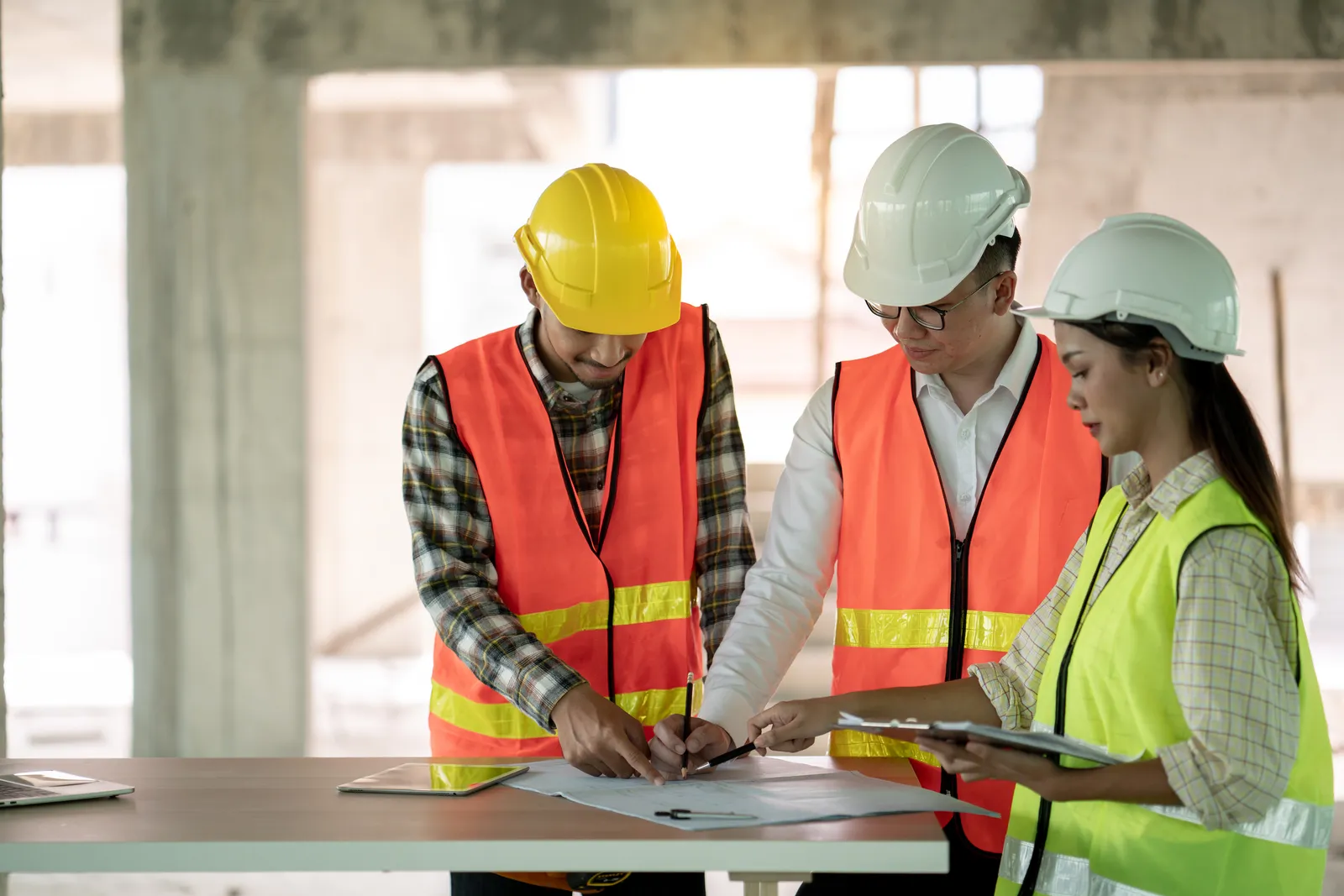
Industrial and commercial inspections, while vast, distil down to key components that ensure the facility’s safety and compliance. Firstly, a deep evaluation of the building’s structural integrity checks its durability, strength, and resilience against environmental forces.
This goes hand-in-hand with the thorough review of design documentation to match the construction’s reality against its planned blueprint.
A sweeping inspection of electrical and plumbing systems validates their safe and efficient operation while an extensive assessment of fire safety measures reaffirms preparedness for emergencies. Lastly, ensuring compliance with established building codes and regulations seals the trust in the building’s safe and lawful operation.
Assessing the structural integrity
Assessing the structural integrity of a building is an essential component of industrial and commercial inspections. It involves thoroughly examining the foundation, walls, beams, and other structural elements to ensure that they are strong and stable.
By assessing the structural integrity, we can identify any weaknesses or potential issues that may compromise the safety and stability of the building. This helps us determine if any repairs or reinforcements are needed to prevent accidents or structural failures.
An inspection will also verify compliance with building codes in terms of materials used, construction techniques employed, and load-bearing capacity. Assessing structural integrity is crucial for maintaining safe and reliable buildings in Australia’s industrial and commercial sectors.
Evaluating compliance with building codes
Evaluating compliance with building codes is a crucial component of industrial and commercial inspections. It ensures that the building meets the necessary safety standards set by regulatory authorities.
During this evaluation, inspectors carefully assess various aspects of the structure to determine if it adheres to the specific requirements outlined in the relevant building codes.
This includes examining elements such as fire safety measures, electrical and plumbing systems, and structural integrity. By conducting these evaluations, inspectors help ensure that buildings are safe for occupancy and meet all necessary legal obligations.
Inspectors also review design documentation to verify its compliance with building codes. They check whether the construction plans adequately address all relevant regulations and guidelines.
This process helps identify any potential deviations or oversights in the design phase, ensuring that any issues are rectified before they become problems during construction or occupancy.
Assessing fire safety measures
Assessing fire safety measures is a crucial component of industrial and commercial inspections. It involves evaluating the effectiveness of fire prevention systems, such as smoke detectors, sprinkler systems, and fire extinguishers.
Inspectors also check for proper placement of exit signs, clear evacuation routes, and functioning emergency lighting. Assessing fire safety measures ensures that buildings are equipped to handle potential fires and protect occupants in case of an emergency.
It’s essential to prioritize fire safety to prevent hazards and comply with regulations regarding workplace safety and building codes.
Importance of Regular Inspections
Navigating the waters of industrial and commercial property management, regular inspections serve as an indispensable guiding compass. These in-depth evaluations are instrumental in the early identification of structural or operational issues, circumventing costly disruptions and preventing potential safety hazards.
Complementing this, inspections also ensure adherence to industry regulations, warding off potential legal complications and helping preserve the building’s credibility.
Lastly, they play a key role in maintaining property value, serving as a testament to the building’s ongoing maintenance and structural soundness.
Identifying potential issues
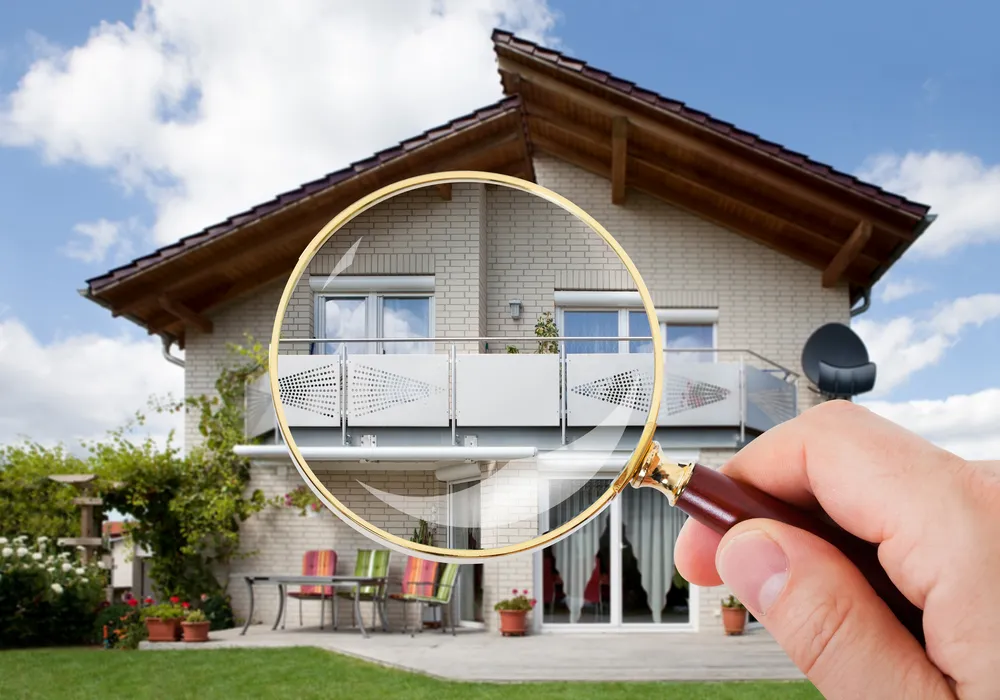
During industrial and commercial inspections, one of the key components is identifying potential issues that could affect the safety and functionality of the building. This includes uncovering any maintenance needs or structural problems that may be present.
Inspections also help identify health and safety violations that need to be addressed. By conducting thorough assessments, we ensure that any potential issues are identified early on, allowing for timely repairs and improvements.
This helps prevent further damage and ensures the long-term stability and value of the property.
Preventing safety hazards
Preventing safety hazards is a crucial aspect of industrial and commercial inspections. These inspections help identify any potential risks or violations that could pose a threat to the safety of individuals within the building.
By conducting thorough assessments, inspectors can ensure that all safety regulations and standards are being met. This includes inspecting electrical and plumbing systems, assessing fire safety measures, and evaluating structural integrity.
By addressing any issues or hazards discovered during inspections, we can proactively prevent accidents and maintain a safe environment for everyone involved.
Ensuring compliance with regulations
We are committed to ensuring compliance with regulations during industrial and commercial inspections. Our thorough assessments include checking for adherence to building codes, safety standards, and design documentation.
By conducting these inspections, we contribute to the overall safety and wellbeing of buildings. Whether you are a homeowner, engineer, architect, or real estate agent, you can trust us to help maintain the integrity and compliance of your property.
Maintaining property value
Regular inspections are essential for maintaining the value of your property. By conducting thorough assessments, you can identify any potential issues or maintenance needs that may impact its overall condition and marketability.
Inspections help ensure that your property remains in compliance with building codes and safety regulations, giving potential buyers confidence in its structural integrity. Additionally, addressing any necessary repairs or improvements promptly can prevent small issues from becoming major problems down the line, further protecting the value of your investment.
Trusting in professional building inspectors to conduct regular assessments is a proactive approach to safeguarding and enhancing the value of your property.
Successful management of commercial properties relies on routine inspections to maintain their market value over time. Regular assessment allows you to stay ahead of any maintenance or safety concerns that could negatively impact tenants’ satisfaction and attract new clients.
Identifying areas for improvement through comprehensive inspections ensures that your property remains compliant with current standards and regulations while also addressing any potential risks or hazards promptly.
Call Us!
Conducting thorough industrial and commercial inspections is crucial for assessing the structure and functionality of buildings. These inspections play a vital role in identifying any potential issues, ensuring compliance with safety regulations, and maintaining the value of properties.
By evaluating structural integrity, compliance with building codes, design documentation, electrical and plumbing systems, and fire safety measures, these inspections help prevent safety hazards and maintain high standards in commercial premises.