
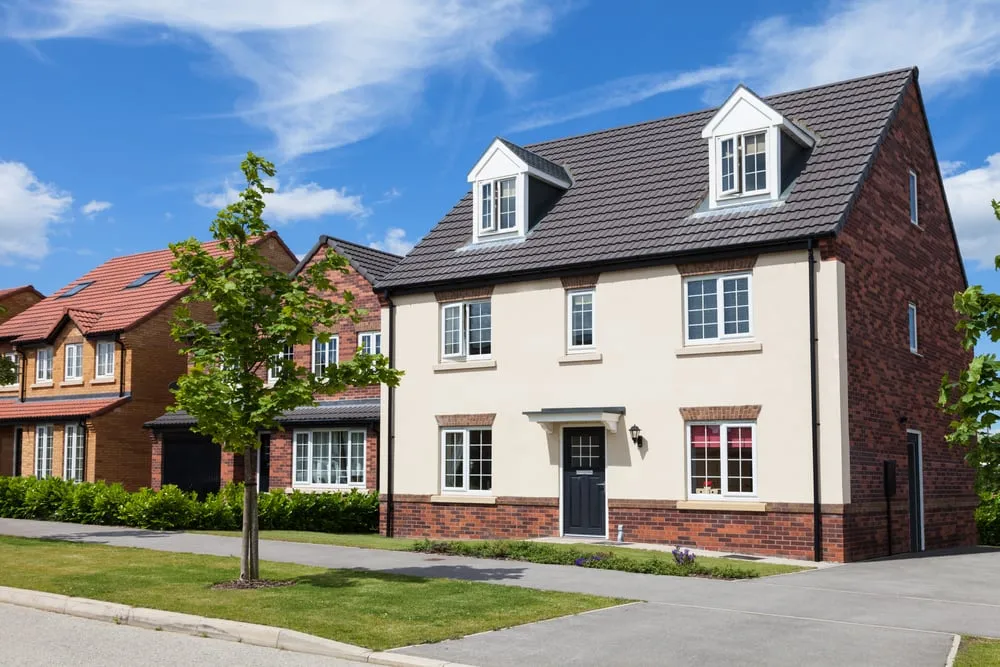
Stepping across the threshold of a potential new home comes with dreams and possibilities, yet also with the practical need for a thorough understanding of its condition. Delving into the very fabric of a property, beyond the fresh paint and polished floors, requires an expert approach. The journey of an inspection is a critical roadmap that navigates the less-seen, but vitally important, layers of a house.
Knowing what to expect, from the solidity of the roof to the reliability of the plumbing, is paramount in making an informed decision. It’s not just a matter of ticking boxes; it’s about uncovering the truths that lie within the walls and under the foundations.
Equipped with must-know facts and a discerning eye, potential homeowners can transition from being simply observant visitors to informed evaluators. This exploration provides a deep dive into the nuances of professionally examining a property, setting the stage for investment in a place that truly feels like home.
Key Takeaways
- Home inspections are crucial for identifying potential issues, ensuring safety and structural soundness, and detecting hidden problems in a new home.
- During a home inspection, experienced inspectors thoroughly assess the property’s structure, systems, and components to identify any potential issues or concerns.
- A detailed report is provided after the inspection, outlining any problems that need attention before making a purchase.
- To ensure a successful home inspection, find a reputable inspector, prepare for the inspection by gathering necessary documents, ask the right questions during the process, practice proper open house etiquette, and know what areas to check.
The Importance of Home Inspections
Home inspections are an indispensable tool in the home-buying process, meticulously designed to uncover potential issues that may otherwise go unnoticed. They are pivotal in confirming the safety and structural integrity of a property, providing peace of mind to prospective buyers.
With a keen eye for detail, inspectors can detect hidden problems, from faulty wiring to compromised foundations, which could impact the value and habitability of a new home.
The insights gained from these evaluations empower buyers with the knowledge to make informed decisions. Ultimately, a thorough home inspection is crucial for ensuring that a property is a sound investment, free from unseen complications.
Identifying potential issues in your home
During a home inspection, one of the key tasks is identifying potential issues with the property. This involves carefully examining every aspect of the house, including its structure, systems, and components.
Our team of experienced inspectors will thoroughly assess areas such as the roofing system, drainage system, plumbing system, and pest infestations. We pay extra attention to noticeable damage like cracks in walls or rotting floorboards that may indicate more significant problems.
By identifying potential issues early on, we can help homeowners make informed decisions about their property and plan for any necessary repairs or maintenance.
Ensuring safety and structural soundness
Ensuring safety and structural soundness is a crucial aspect of the home inspection process. Our team of experienced inspectors thoroughly assesses key areas such as the foundation, walls, roofing system, and drainage systems to identify any potential issues that could compromise the integrity of the property.
By detecting hidden problems early on, we help homeowners and buyers make informed decisions about their investments. Our comprehensive inspections include checking for noticeable damage like cracks in walls or rotting floorboards, ensuring that your home is safe and structurally sound for years to come.
Trust us to provide you with an essential house inspection that prioritizes your safety and peace of mind.
Detecting hidden problems
During a home inspection, one essential aspect is detecting hidden problems. These are issues that may not be immediately noticeable but can cause significant damage and expenses down the line.
Experienced inspectors carefully assess every area of the property to uncover any potential hidden problems that could affect its safety or structural integrity. This includes examining the plumbing system, electrical wiring, insulation, and ventilation.
By identifying these hidden issues early on, homeowners can address them before they become major headaches in terms of repairs and costs.
What to Expect During a Home Inspection
External evaluation
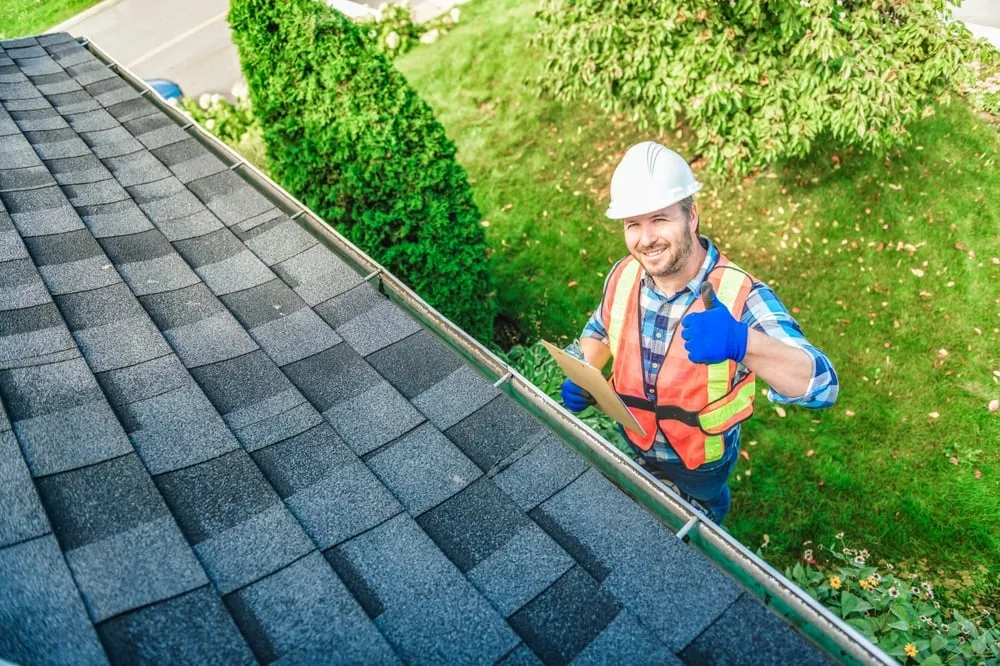
During a home inspection, the external evaluation is an essential part of assessing the overall condition of a property. This evaluation focuses on examining the exterior components, such as the roofing system, gutter system, and drainage system.
A qualified inspector will thoroughly inspect these areas to ensure that they are in good working order and free from any potential issues or hidden problems. By conducting an external evaluation, homeowners can gain valuable insights into the structural integrity of their property and identify any necessary repairs or maintenance tasks that may need to be addressed.
Internal inspections
During a home inspection, internal inspections are a crucial part of the process. Our team of experts will thoroughly assess the interior components of your potential new home to ensure its overall condition and functionality.
We will examine the plumbing system, electrical wiring, HVAC systems, insulation, walls, ceilings, windows, doors, flooring, and more. By conducting these detailed internal inspections, we can detect any hidden issues such as leaks, faulty wiring or fixtures, inadequate ventilation or insulation that could impact your comfort and safety in the long run.
Rest assured that our experienced inspectors leave no stone unturned when it comes to assessing the internals of your future home.
Report findings
During a home inspection, the inspector will provide a detailed report of their findings. This report will outline any issues or concerns discovered during the inspection process. It may include information about structural problems, drainage systems, roofing issues, and potential pest infestations.
The report gives homeowners and real estate agents valuable insights into the condition of the property and helps in making informed decisions regarding repairs or negotiations. Building inspectors, engineers, architects, and legal office personnel also rely on these reports to evaluate property value and ensure compliance with construction standards and building codes.
Tips for a Successful Home Inspection
Find a reputable inspector who is licensed and experienced in conducting thorough home inspections. Prepare for the inspection by gathering all necessary documents, clearing any clutter or obstacles that may hinder the process, and scheduling enough time for the inspector to thoroughly evaluate every aspect of the property.
Ask the right questions during the inspection to gain a better understanding of any potential issues or concerns. Practice proper open house etiquette by allowing the inspector to do their job without interruption. Finally, educate yourself on what to check during the inspection, such as plumbing systems, roofing conditions, and structural integrity.
Finding a reputable inspector
When looking to get a home inspection done, finding a reputable inspector is crucial. We recommend doing a thorough research and asking for recommendations from friends, family, or real estate agents you trust.
Look for inspectors who are licensed, experienced, and knowledgeable about Australian building codes and standards. It’s also important to check if the inspector carries professional indemnity insurance.
By choosing a trustworthy and qualified inspector, you can have peace of mind knowing that your new home will be thoroughly inspected for any potential issues or hidden problems.
Preparing for the inspection
To ensure a successful home inspection, there are a few important steps you can take when preparing for the big day. First, make sure to find a reputable inspector who is qualified and experienced.
This will give you peace of mind knowing that your property is in good hands. Next, gather any relevant documents or information about the house that may be useful during the inspection.
Finally, it’s essential to be present during the inspection so you can ask questions and get a firsthand understanding of any issues that may arise. By following these tips, you’ll be well-prepared for your home inspection and can address any concerns with confidence.
Asking the right questions
We believe that asking the right questions during a home inspection is crucial for homeowners, building inspectors, engineers, architects, interior design specialists, real estate agents, pest inspectors, and legal office personnel.
By asking specific questions about the property’s condition and any potential issues, you can gain valuable insights and ensure a thorough inspection. It’s important to inquire about the age of key systems like the roof and plumbing and inquire about previous repairs or renovations done on the property.
Also, ask if there are any ongoing maintenance tasks or problems that need immediate attention. By asking these questions during a home inspection, you can make informed decisions regarding your investment in new properties.
Proper open house etiquette
When attending an open house for a potential new home, it is important to remember proper etiquette. Be respectful of the property and its current owners by arriving on time and not overstaying your welcome.
Take off your shoes or use booties to protect the floors, and avoid touching personal belongings. It’s also essential to ask permission before taking photos or videos. Lastly, be considerate of other attendees by keeping noise levels down and allowing them space to move freely throughout the house.
Knowing what to check during the inspection
During a home inspection, it is essential to know what areas and aspects of the property to check. First, make sure to thoroughly inspect the external components such as the roofing system, gutters, and drainage systems.
Look for any signs of damage or wear that may need addressing. Next, focus on internal inspections, paying attention to noticeable damage like cracks in walls or rotting floorboards.
It’s also crucial to include a plumbing inspection during the process since issues with pipes can be costly and disruptive if left unaddressed. By being aware of what to check during an inspection, you can ensure that all potential problems are identified and addressed before finalizing your decision to buy a new home.
Call Us!
Understanding the ins and outs of new home inspections is crucial for both homeowners and buyers. By identifying potential issues, ensuring safety and structural soundness, and detecting hidden problems through a thorough inspection process, individuals can make informed decisions about their property.
Remember to find a reputable inspector, prepare for the inspection, ask the right questions, practice proper open house etiquette, and know what to check during the inspection to ensure a successful outcome.
Penrith Building Inspections
Keep Reading
Rental Inspections
How Rental Inspections Help Maintain Your Property Value
Learn how regular rental inspections can help you preserve and enhance the value of your property investment.
Read More →
Dilapidation Inspections
Dilapidation Inspection: An Indispensable Part of Building Inspection
Learn how dilapidation inspections are key in building projects to safeguard property conditions and manage risks.
Read More →
Pest Inspections
Avoid Future Headaches: The Role of Pest Inspections in New Home Buying
Learn the key role pest inspections play in new home buying to safeguard your property and avoid costly issues.
Read More →