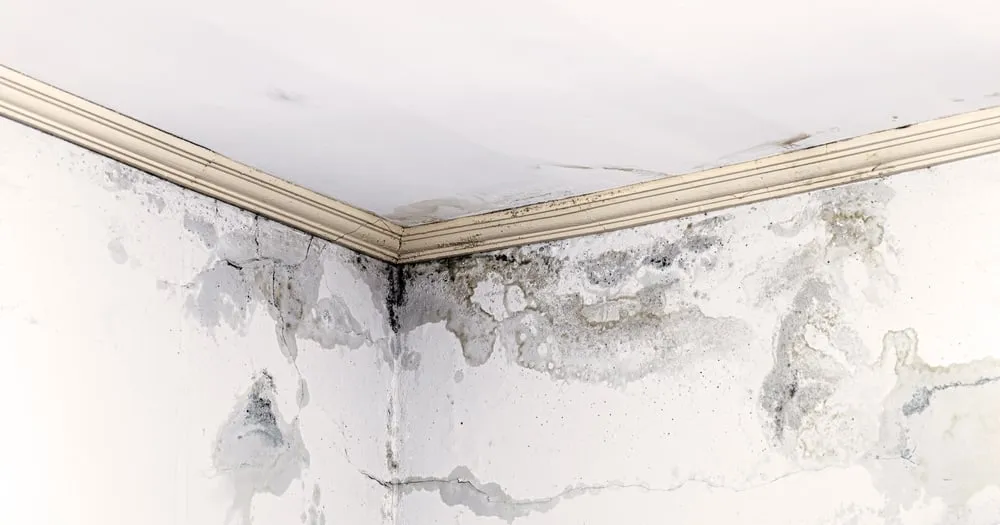
Mould – the very mention of this word can send property owners into a state of concern. While it may seem like a simple, common issue, mould infestation can lead to serious health risks and property damage if left unchecked.
The key to managing this sneaky intruder lies in understanding the details contained within a Mould Inspection Report. This essential document can seem confusing with its intricate details and professional jargon.
Fear not – in this article, we are set to untangle the complexities, helping you fully comprehend each aspect of a Mould Inspection Report, from its formation, and interpretation of the findings, to the necessary follow-up actions. Become a master in mould management and safeguard your property by taking this insightful journey with us.
Key Takeaways
- A mould inspection report is a detailed document that provides information about the presence of mould in a building, its causes, and recommended remediation measures.
- Understanding the details in a mould inspection report helps identify areas of concern, assess moisture levels, and evaluate spore counts for effective remediation strategies.
- Hiring certified professionals for mould inspection and removal ensures reliable assessments, accurate results, and comprehensive solutions to maintain a safe and healthy environment.
What is a Mould Inspection Report?
A mould inspection report serves as a vital lighthouse in the murky waters of potential mould infestations, offering an exhaustive assessment of the situation. This comprehensive document goes beyond merely identifying the presence of mould in a building.
It digs deeper, identifying the root cause of the infestation, be it a leaky pipe, poor ventilation or structural dampness, shedding light upon the invisible enablers. Once the mould’s hideout and accomplices are unveiled, the report doesn’t stop there. It proceeds to provide a roadmap for remediation, outlining targeted tactics and measures to decimate the current mould colonies and prevent their unwelcome return.
Serving as a guide from identification to eradication, a mould inspection report becomes a property owner’s trusted companion in navigating the potentially damage-inflicting and health-hazardous world of mould infestations.
Purpose and importance
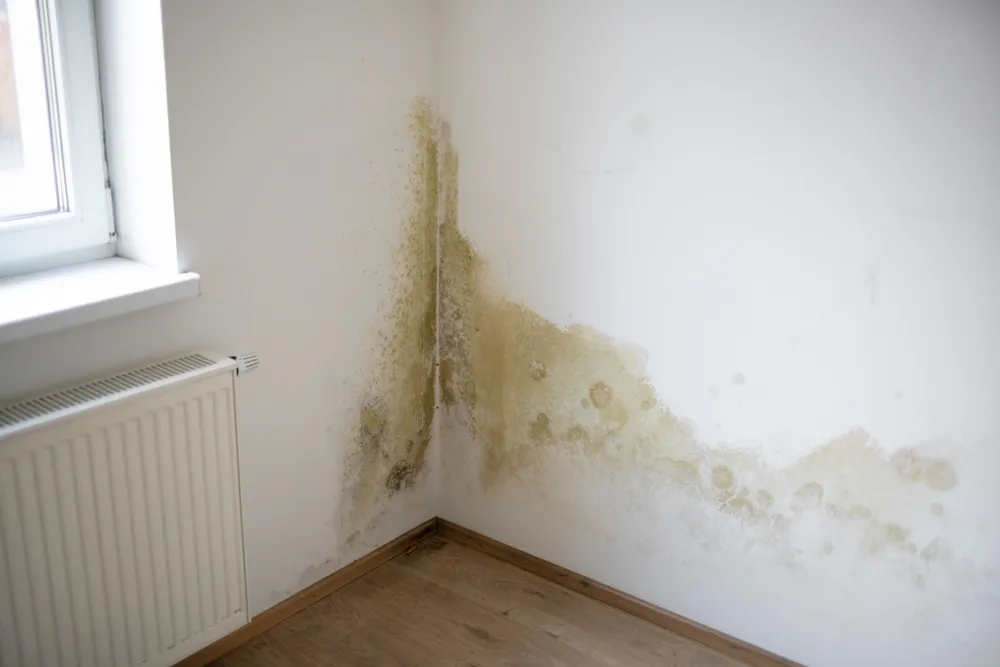
A mould inspection report serves a crucial role in preserving the safety and integrity of any property. It delivers essential information regarding the presence, type, and extent of mould infestation within a building.
By highlighting areas hampered by moisture problems – often the root cause of mould growth – this report provides invaluable insights into potential structural damage that may otherwise go unnoticed.
Furthermore, understanding these details allows us to confront health risks associated with indoor fungal growth promptly. This proactive approach can prevent costly remediation processes in the future while ensuring clean indoor air quality for occupants.
Therefore, obtaining a thorough mould inspection report isn’t just optional; it’s necessary for effective property management and safeguarding human health.
Process of conducting a mould inspection
Conducting a mould inspection involves several important steps. First, the inspector will visually examine the building, looking for signs of mould growth and water damage. They will inspect areas where moisture is commonly found, such as bathrooms, kitchens, basements, and crawl spaces.
The next step is to use specialised equipment like moisture meters and thermal imaging cameras to detect hidden sources of moisture behind walls or under flooring. These tools help identify areas with high humidity levels that promote mould growth.
Samples may also be taken during the inspection to test for the presence of mould spores in the air or on surfaces. Once all the data has been collected, the inspector will compile a detailed report outlining their findings and recommendations for remediation if necessary.
Elements included in a mould inspection report
A mould inspection report contains essential elements that provide valuable information about the presence and extent of mould in a building. It includes background details about the investigation, such as any history of mould or dampness issues.
The report also identifies the types of mould present and their locations within the building. Additionally, it highlights any underlying causes of moisture, such as water ingress through defective cladding or plumbing leaks.
The report may include recommendations for remediation strategies to address the mould problem effectively. Overall, a thorough and detailed inspection report is crucial for homeowners, building inspectors, engineers, architects, and other professionals involved in ensuring safe indoor environments.
Understanding Mould Growth and its Impact
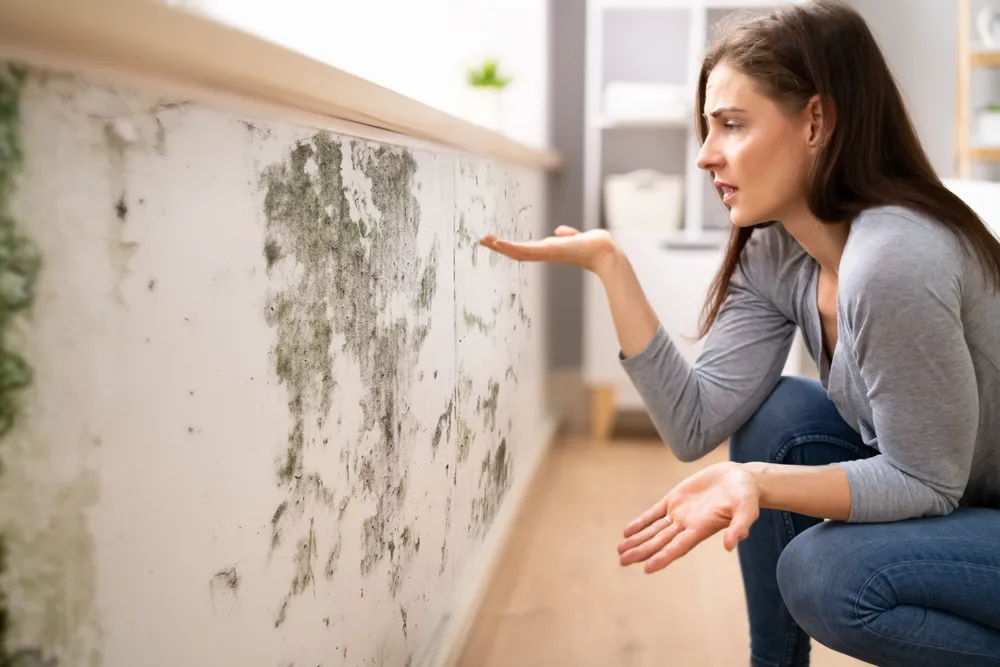
Resembling an unseen puppeteer, mould growth manoeuvres behind the scenes, manipulated by several controlling factors in your living environment. One of its primary drivers is high humidity levels, which provide the moist, nurturing ambience that moulds spores crave to multiply.
Condensation, a close alley often seen on windows or cold surfaces within your home, further adds to this damp setup, providing a hospitable breeding ground. Covert water leaks from pipes or roofs sneakily fuel mould growth, often undetected until a full-blown infestation occurs.
Where these factors create a mould-friendly environment, a lack of proper ventilation cements its stronghold, preventing the escape of excess moisture and facilitating mould growth. Understanding these influencers becomes the first step in mould control, shaping an effective strategy for maintaining a healthy, mould-free property.
Factors contributing to mould growth
Moisture is the main factor contributing to mould growth. When there is excess moisture in a building, whether from leaks, condensation, or high humidity levels, it creates an ideal environment for mould to thrive.
Other factors that can contribute to mould growth include inadequate ventilation, poor insulation, and damp building materials. It’s important to address these issues promptly to prevent further mould infestation and potential structural damage.
Regular maintenance and addressing any sources of water intrusion are crucial in keeping your property free from mould.
Health risks associated with mould
Mould can pose significant health risks to individuals living or working in affected buildings. Exposure to mould spores can trigger allergic reactions, such as coughing, sneezing, and watery eyes.
It can also lead to respiratory problems, including asthma attacks and bronchitis. Prolonged mould exposure may even cause more severe health issues like lung infections or hypersensitivity pneumonitis.
Therefore, homeowners, building inspectors, engineers, architects, interior design specialists, real estate agents, pest inspectors and legal office personnel must be aware of the potential health risks associated with mould growth and take necessary steps to mitigate them.
Effects of mould on indoor air quality
Mould can have detrimental effects on indoor air quality, posing risks to both our health and the integrity of our buildings. When mould grows indoors, it releases spores into the air that can be inhaled by occupants.
These spores can cause allergic reactions, and respiratory problems, and worsen existing conditions like asthma. Additionally, mould produces volatile organic compounds (VOCs) which can further compromise indoor air quality.
It is crucial to address mould issues promptly to prevent these negative effects on our health and ensure a safe living or working environment for everyone involved.
Interpreting a Mould Inspection Report
Decoding a mould inspection report can seem like unravelling a complex enigma; however, zeroing in on a few key areas can drastically simplify the process. Start by identifying areas earmarked as moisture sources or levels, a hotbed for mould breeding, and gauge if they are ephemeral or chronic.
This understanding will reveal the persistence and potential resurgence scope of the mould situation. Furthermore, an examination of mould spore counts feeds into the severity assessment, shedding light on the magnitude of the issue at hand and the urgency for intervention. Lastly, and most importantly, lies the digesting of the remediation recommendations.
These are targeted offensive strategies and preventive measures designed by the professionals, promising effective containment, and minimisation of mould growth, rendering the report a comprehensive guiding tool in mould management.

Understanding moisture sources and levels
Moisture sources and levels play a crucial role in mould growth. As qualified professionals, we understand the intricacies of how moisture enters buildings, whether through water ingress from defective cladding or other means.
By identifying these moisture sources and assessing their levels, we can determine the extent of mould growth and potential structural damage. This information is essential for developing effective remediation strategies to eliminate the source of moisture and prevent future mould issues.
Furthermore, understanding moisture sources and levels allows us to provide accurate recommendations for maintaining a mould-free environment in your home or building.
Evaluating remediation recommendations
We carefully evaluate the remediation recommendations provided in a mould inspection report. These recommendations are crucial for effectively addressing and eliminating mould issues in your building.
Our team of experts considers the severity of mould growth, moisture sources, and potential structural damage when assessing these recommendations. We also take into account any specific instructions related to cleaning, repairs, or further testing that may be necessary.
By thoroughly evaluating these recommendations, we ensure that the necessary steps are taken to prevent future mould growth and maintain a healthy indoor environment for you and your family or clients.
Hiring a Professional for Mould Inspection and Remediation
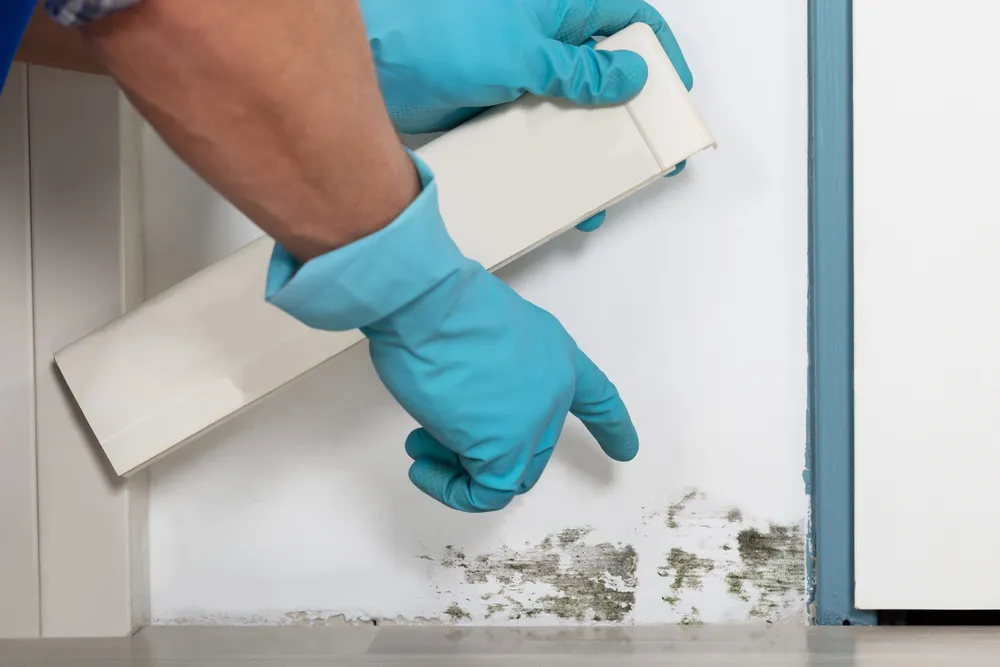
Mould infestation represents one of those property management issues where the role of professional expertise cannot be overstressed. Battling with mould involves more than just superficial cleaning; it demands a deep dive into the root cause and adept handling of remediation – attributes brought to the table by certified professionals.
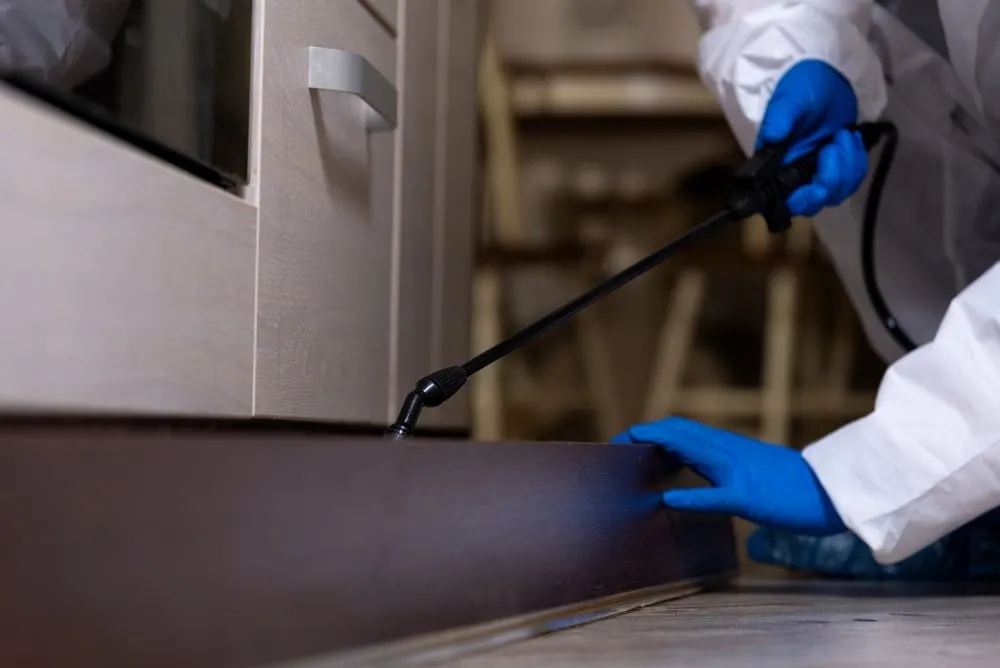
These experts, equipped with thorough training, advanced tools, and intricate knowledge of mould behaviour, conduct rigorous inspections, unravelling even the most secret mould hideaways. But their assistance goes far beyond simple detection.
Certified mould professionals provide thorough and safe remediation services that not only tackle existing growth but also orchestrate preventive measures, an integral part of durable mould management. By entrusting the issue to certified professionals, homeowners can ensure a comprehensive victory over mould, protecting both their property and health.
Importance of certified professionals
Certified professionals play a crucial role in the field of mould inspection and remediation. They have the necessary training and expertise to accurately assess the presence of mould, identify its causes, and propose effective solutions.
Hiring a certified professional ensures that the inspection report is reliable and comprehensive, giving you peace of mind knowing that your building’s mould issues are being addressed by someone with knowledge and experience.
When it comes to dealing with mould, it’s important to remember that not all professionals are created equal. Certified individuals have undergone rigorous training programs and certification processes to ensure they meet specific industry standards.
This means they have a deep understanding of mould growth patterns, moisture sources, health risks associated with mould exposure, as well as effective remediation techniques.
By hiring a certified professional for your mould inspection needs, you can be confident that they will conduct thorough testing using state-of-the-art equipment. They will provide accurate information about the extent of the problem, evaluate spore counts, identify areas of concern within your building or home environment, and offer practical recommendations for remediation if necessary.
Questions to ask when hiring a mould inspector
We need to ask the right questions when hiring a mould inspector. Firstly, inquire about their qualifications and certifications in mould inspection and remediation. It’s essential to ensure they have the necessary expertise and knowledge to handle your specific situation.
Secondly, ask about their experience in conducting mould inspections, specifically in buildings similar to yours. This will give you confidence that they understand the complexities of mould growth and its impact on indoor air quality.
Lastly, inquire about their testing methods and equipment. Are they using reliable industry-standard tools for accurate results? Understanding these key aspects will help you select a professional who can effectively assess and address any mould issues in your property.
Benefits of professional mould removal services
Professional mould removal services offer several benefits. They have the expertise and knowledge to effectively identify and remove mould from your property. By hiring professionals, you can ensure that all areas of concern are addressed, reducing the risk of recurring mould issues.
Additionally, these services use specialised equipment and techniques to safely remove mould without causing further damage to your property. Moreover, professional mould removal services can provide recommendations for preventing future mould growth and helping you maintain a clean and healthy living environment.
Maintaining a mould-free environment
To maintain a mould-free environment, it is important to address any underlying moisture issues in your building. Regularly inspect and repair any leaks in pipes, roofs, or windows to prevent water from entering your home.
Keep humidity levels low by using dehumidifiers or air conditioners and ensure proper ventilation in areas prone to moisture, such as bathrooms and kitchens. Clean and dry wet surfaces promptly to prevent mould growth.
Regularly clean carpets, upholstery, and curtains to remove dust and allergens that can contribute to mould growth. Consider using mould-resistant paint or materials when renovating or constructing new parts of your home.
By taking these proactive steps, you can create a healthy living environment free from the dangers of mould.
Call Us!
Understanding the intricacies of a mould inspection report is essential for homeowners and professionals alike. By interpreting the findings accurately, we can identify areas of concern, assess moisture levels, evaluate spore counts, and make informed decisions regarding remediation recommendations.
Hiring certified professionals for mould inspection and removal ensures a safe and healthy environment while maintaining structural integrity. Stay proactive in preventing mould growth to protect indoor air quality and overall well-being.