
Navigating a strata inspection can sometimes feel like you’re fumbling about in the dark, uncharted territory. Believe us, it certainly is a complex realm of property and finance that leaves plenty of folks feeling swamped.
But don’t fret – our extensive research has dug up some indispensable elements that will shed light on your path to understanding a Strata Inspection Report. Brace yourself for key insights as we journey together towards confident property ownership!
Key Takeaways
- A strata inspection report provides valuable information about the financial and physical health of a strata property.
- Important aspects to look for in a strata inspection report include financial records, disputes, building defects, compliance with legislation, and poor strata management.
- To analyse a strata inspection report effectively, identify red flags like poor maintenance or ongoing disputes, understand the by-laws, check for major defects or planned building works, and review tenant disputes.
What is a Strata Inspection Report?
A Strata Inspection Report serves as a vital document that offers a thorough assessment of the financial and physical health of a strata property. This exhaustive evaluation is carried out by qualified inspectors who delve deep to scrutinise every aspect of the property, contributing to a well-rounded understanding of its state. The report provides invaluable insight into the property’s current condition, allowing potential buyers or owners to identify any issues or areas needing attention.
Furthermore, it verifies the property’s compliance with legislation, giving peace of mind regarding its legality and standard. The report also informs about any disputes or management concerns, helping to provide a complete picture of what owning or investing in the strata property entails.

Definition and Purpose
A strata inspection, often known as a strata search, is a worth-considering step when buying into a strata scheme. The purpose of this inspection process lies in scrutinising important documents related to the property.
It helps us identify potential financial or legal issues that could impact our investment negatively. Furthermore, it provides insight into how well-managed the building is and whether there are any disputes among the owners’ corporations.
This information assists in making an informed decision about purchasing or investing in a particular unit within a strata title complex.
Conducting a Strata Inspection
To conduct a strata inspection, start by thoroughly examining the financial status of the strata property. Look for any outstanding debts or unpaid levies that could impact your investment.
Next, check for any building defects or maintenance responsibilities that may require attention in the future. It’s also important to ensure that the property is in compliance with relevant legislation and has proper written records and accounts in place.
In addition, review any disputes or legal issues involving the owners’ corporation or strata manager. This will give you insight into potential challenges you may face as an owner.
Finally, examine the by-laws of the strata scheme to understand any restrictions or rules you need to abide by.
Important Aspects to Look for in a Strata Inspection Report
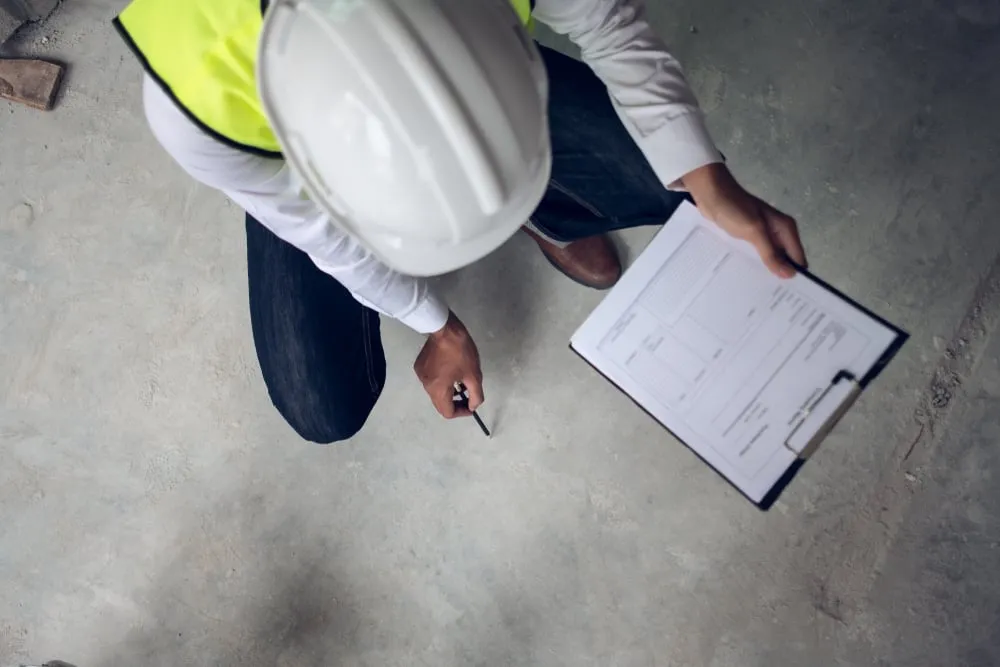
A strata inspection report serves as a comprehensive guide to understanding the nuances of a strata property’s condition. It’s crucial, when reviewing these reports, to pay special attention to key factors like financial records. These provide insight into the property’s financial health, offering an understanding of its maintenance regime and potential future costs. It’s also essential to note any recorded disputes, as they can offer a glimpse into potential issues within the building community or with the property itself.
Beyond that, spotting building defects is integral for being aware of necessary repairs or modifications, while reviewing compliance with legislation ensures that the property meets all statutory requirements. Lastly, any signs of poor strata management in the report should be a red flag, as effective management is pivotal for the smooth functioning and upkeep of any strata property.
Financial Records
We should carefully examine the financial records when conducting a strata inspection. This includes reviewing the accounts and written records of the owners’ corporation to understand their financial status.
We need to look for any indications of unpaid levies, outstanding debts, or insufficient funds in the sinking fund. Analysing these financial records will give us insight into whether there are enough funds available to address any potential future repairs or maintenance requirements.
Disputes
Addressing disputes is a crucial aspect of a strata inspection report. We examine any conflicts or disagreements that may exist within the owners’ corporation, such as disputes between residents, complaints about noise levels, or issues related to common property usage.
Identifying these disputes helps potential buyers gauge the overall harmony and livability of the strata property before making a purchase decision. Engineers and architects also benefit from this information as they can assess how well the building is being managed and maintained.
Legal office personnel can use this information for legal advice relating to strata properties.
Building Defects
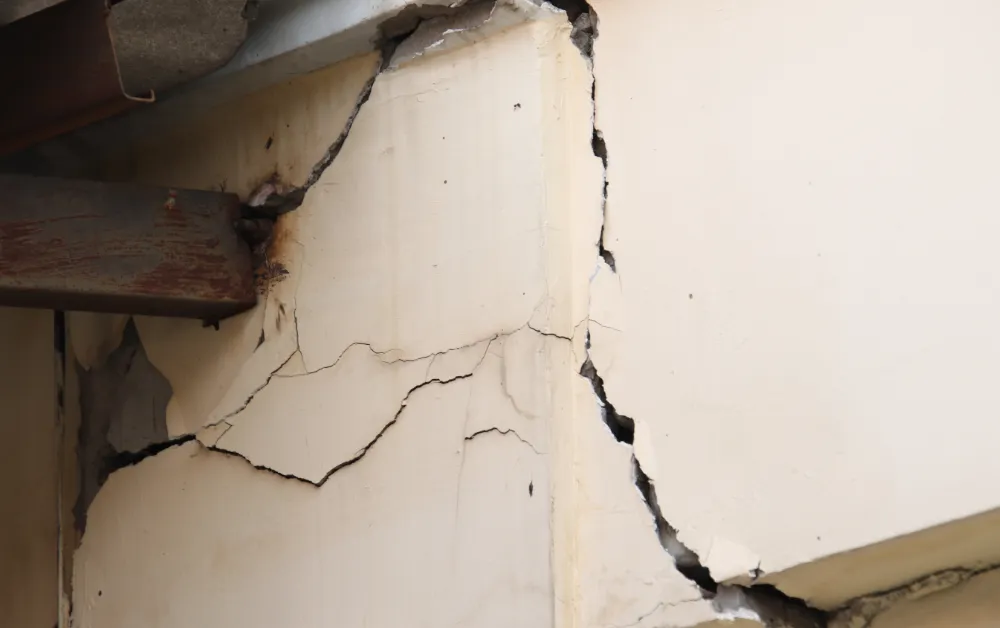
When conducting a strata inspection, it is crucial to thoroughly assess the building for any potential defects. Building defects can range from structural issues to faulty plumbing or electrical wiring.
These defects not only compromise the safety of residents but also indicate poor maintenance and potentially expensive repairs. As homeowners, architects, engineers, and real estate agents, we must be vigilant in identifying these red flags in order to make informed decisions about purchasing or managing a property.
By analysing the building’s construction quality, inspecting common areas and individual units, and reviewing past maintenance records, we can gain a comprehensive understanding of any existing or potential building defects that may impact our investment or living experience.
To avoid any surprises down the line and ensure that all necessary repairs are addressed promptly, it is essential to engage qualified professionals such as builders or pest inspectors who specialise in identifying building defects specific to strata properties.
They will conduct thorough inspections of the structure ensuring compliance with regulations set by relevant legislation authorities while providing expert advice on how to rectify any identified issues appropriately.
Compliance with Legislation
We must consider compliance with legislation when conducting a strata inspection. This means ensuring that the property adheres to all relevant laws and regulations, such as building codes and zoning requirements.
Compliance with legislation is crucial for the safety of residents and the overall integrity of the strata property. It also ensures that any necessary permits or licenses are in place.
As part of our inspection, we will thoroughly review all documentation related to compliance with legislation to ensure that everything is in order.
Poor Strata Management
Poor strata management can have a significant impact on the overall health and value of a strata property. It refers to ineffective or negligent oversight by the owners’ corporation, which is responsible for managing the common areas and making decisions that affect all owners.
Signs of poor strata management may include unresolved disputes among residents, inadequate financial records, failure to comply with relevant legislation, and poorly maintained buildings or facilities.
To prevent potential issues and ensure your investment is protected, it’s crucial to thoroughly review the strata inspection report for any indications of poor management practices.
How to Analyse a Strata Inspection Report
Analysing a strata inspection report begins with identifying any major red flags that could impact your investment or ownership. Look out for financial issues that may indicate poor management or insufficient funds for property maintenance, as well as any disputes within the property, which could signify a troubled community atmosphere.
It’s also crucial to understand the specifics of the by-laws, as they dictate the rules governing the property and its residents. Checking for major defects or planned building works can give you a sense of any upcoming expenses or disruptions. Furthermore, it’s important to review any tenant disputes that might affect the tranquillity or desirability of the property.

Lastly, a holistic evaluation of the overall health of the strata property, which includes factors such as management efficiency, community involvement, and typical maintenance practices, will provide a comprehensive insight. This thorough analysis will prove invaluable in helping you make informed and confident decisions during the home-buying process or when making a real estate investment.
Identifying Red Flags
When analysing a strata inspection report, it is important to be vigilant in identifying any red flags that may indicate potential issues with the property. Look for signs of poor maintenance or neglected repairs, such as cracks in walls, leaking roofs, or water damage.
Pay attention to any mention of ongoing disputes between owners or with the strata manager, as this could suggest a dysfunctional community or mismanagement. Additionally, keep an eye out for financial discrepancies or irregularities in the accounts and records provided.
These red flags can serve as warning signs that further investigation may be necessary before making a decision about purchasing the property.
It is crucial to carefully review the by-laws outlined in the strata inspection report. By-laws are rules that govern how residents must conduct themselves within the community and can vary from one property to another.
Look for any restrictions that may not align with your lifestyle or needs. Red flags could include limitations on pet ownership, noise levels during specific hours, or restrictions on renovations and alterations to units.
Another important aspect to consider when evaluating a strata inspection report is whether there are any major defects identified in the building structure itself or if there are plans for significant upcoming building works.
These could impact your future enjoyment of the property and potentially incur additional costs if repairs are needed or if levies will increase due to planned works.
Understanding By-Laws
To fully analyse a strata inspection report, it is crucial to understand the by-laws. By-laws are the rules and regulations that govern how owners and occupants within a strata property should behave.
They cover various aspects such as noise restrictions, pet policies, parking rules, and building alterations. Understanding these by-laws helps potential buyers or investors determine if they align with their lifestyle and preferences.
It also allows them to identify any existing issues or conflicts within the community that may impact their decision to purchase or invest in the property.
Checking for Major Defects or Planned Building Works
We thoroughly examine the strata inspection report for major defects or planned building works. This includes assessing the structural integrity of the property, identifying any issues with plumbing or electrical systems, and looking for signs of water damage or pest infestations.
We also review any proposed renovations or construction projects that may impact the strata property in the future. By doing this, we ensure that you have a complete understanding of any potential problems or expenses associated with the property before making your decision.
Reviewing Tenant Disputes
When reviewing a strata inspection report, it’s important to pay attention to any tenant disputes that may be mentioned. This can provide valuable insight into the overall atmosphere and harmony within the strata property.
Look for records of disagreements or conflicts between tenants, as well as any ongoing legal issues or unresolved matters. Understanding tenant disputes can help you assess whether the property is a desirable place to live or invest in and whether there are potential risks or challenges associated with the strata community.
Evaluating the Overall Health of the Strata Property
When evaluating the overall health of a strata property, it is important to consider several key factors. Firstly, assess the financial status of the property by reviewing the Owners Corporation records and accounts.
Look for any red flags such as outstanding debts or insufficient funds for maintenance and repairs. Secondly, examine the building for any noticeable defects or signs of poor maintenance that could impact its structural integrity.
Thirdly, ensure that the property is compliant with relevant legislation and regulations to avoid any legal issues in the future. Lastly, assess how well the strata property is managed by examining written records and accounts, as well as checking for any ongoing disputes among tenants or between owners and management.
To evaluate these aspects effectively, it may be beneficial to engage professionals like building inspectors or real estate agents who specialise in strata properties. Their expertise can provide valuable insights into potential risks or concerns regarding the overall health of a strata property.
By thoroughly evaluating these factors, you can make an informed decision about whether to invest in a particular strata property or not without facing unexpected financial burdens or management problems down the line.
Call Us!
Understanding the key elements of a strata inspection is crucial for anyone involved in the property market. By analysing the financial status, building defects, compliance with legislation, and disputes within a strata property, you can make informed decisions as a homeowner or investor.
With this knowledge in hand, you’ll be better equipped to navigate the complexities of strata inspections and ensure your investment’s overall health and value.