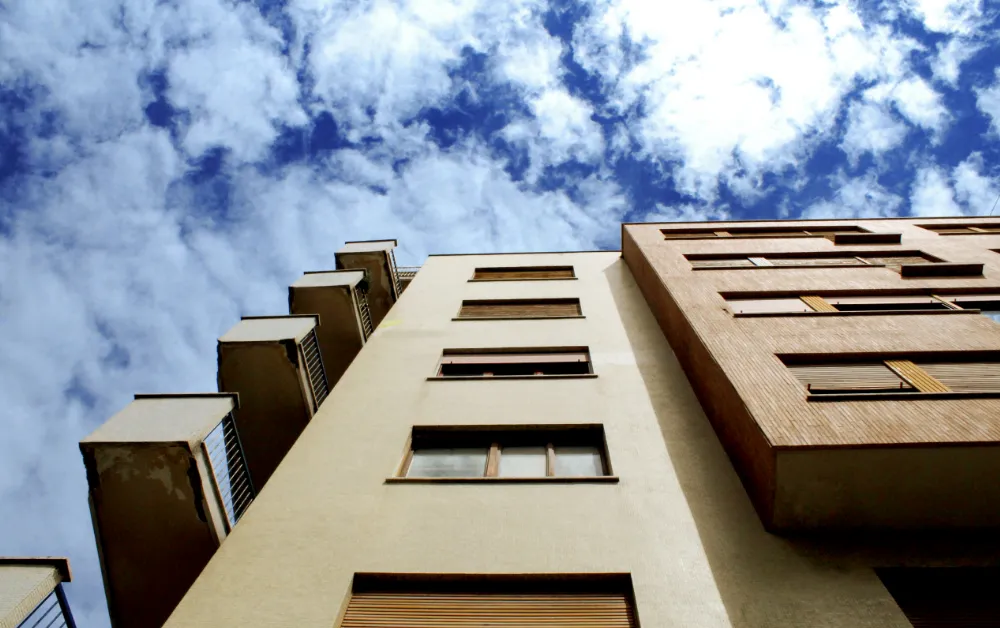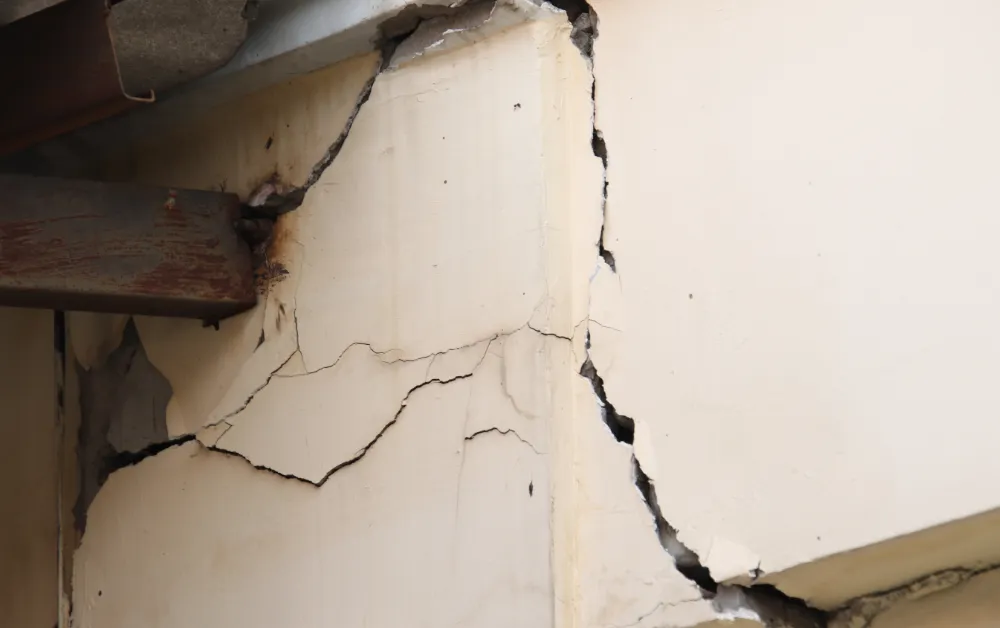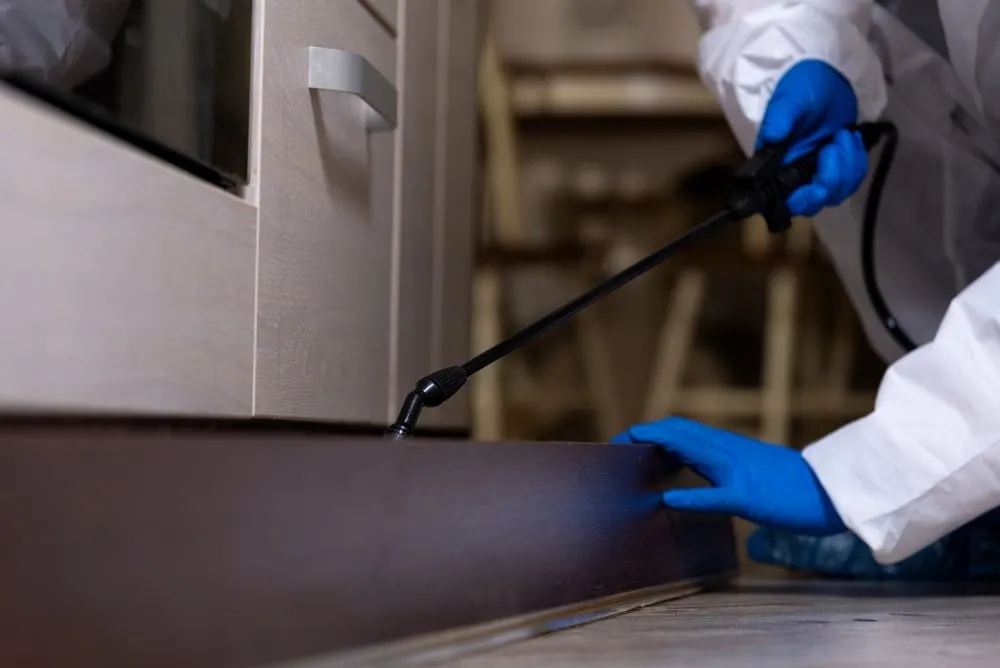
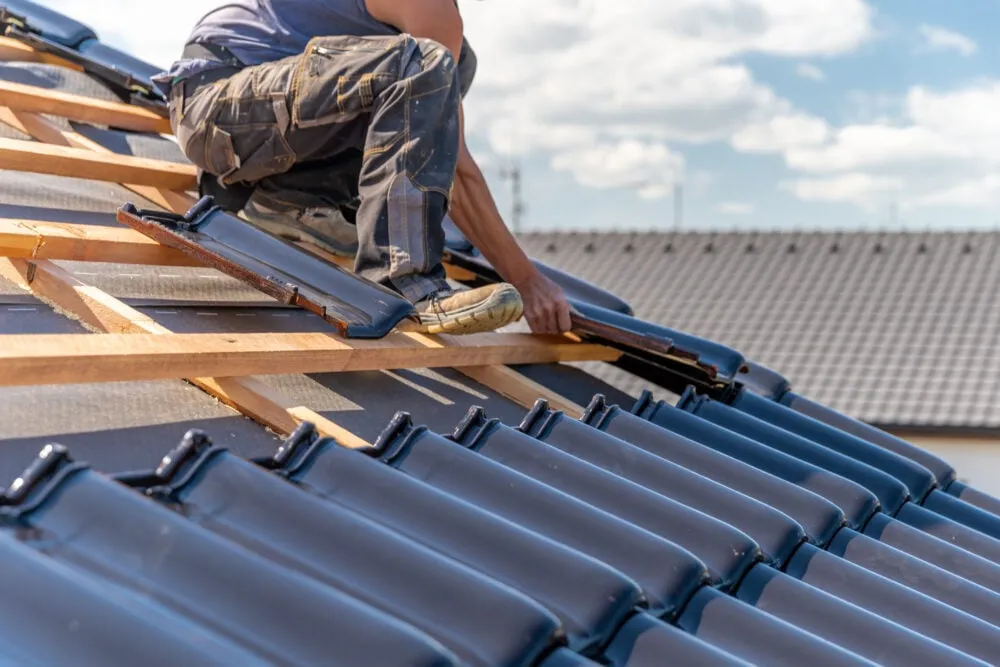
Maintenance reports are essential tools in the realm of building care, facilitating proactive management of your property. Here, we delve into the importance of these detailed documents and provide a comprehensive understanding of how they help ensure preventative and timely care for buildings. We elucidate the intricacies of creating and interpreting maintenance reports, thereby helping you employ this proactive approach effectively.
Whether you are a seasoned property manager or a novice property owner, this article aims to give you the insight needed to use maintenance reports as a powerful part of your building care strategy. So, let’s dive in and discover how maintenance reports can be your key to a more sustainable and efficient approach to building care.
Key Takeaways
- Proactive maintenance is a strategic approach that focuses on preventing equipment failures and addressing issues before they become major problems.
- There are different types of proactive maintenance strategies, including condition-based, predictive, and preventive maintenance.
- Proactive maintenance offers benefits such as improved equipment reliability, cost savings, increased safety, and extended asset lifespan.
What is Proactive Maintenance?
Proactive maintenance is a strategic approach to building care that centres around foresight, working to prevent equipment failures and remediate issues before they escalate into significant problems.
It operates on the philosophy of “prevention is better than cure,” proposing regular inspections and maintenance work to intercept potential failures before they happen.
By identifying and dealing with potential issues early in their development, this approach averts more severe damage and thereby keeps repair costs down.
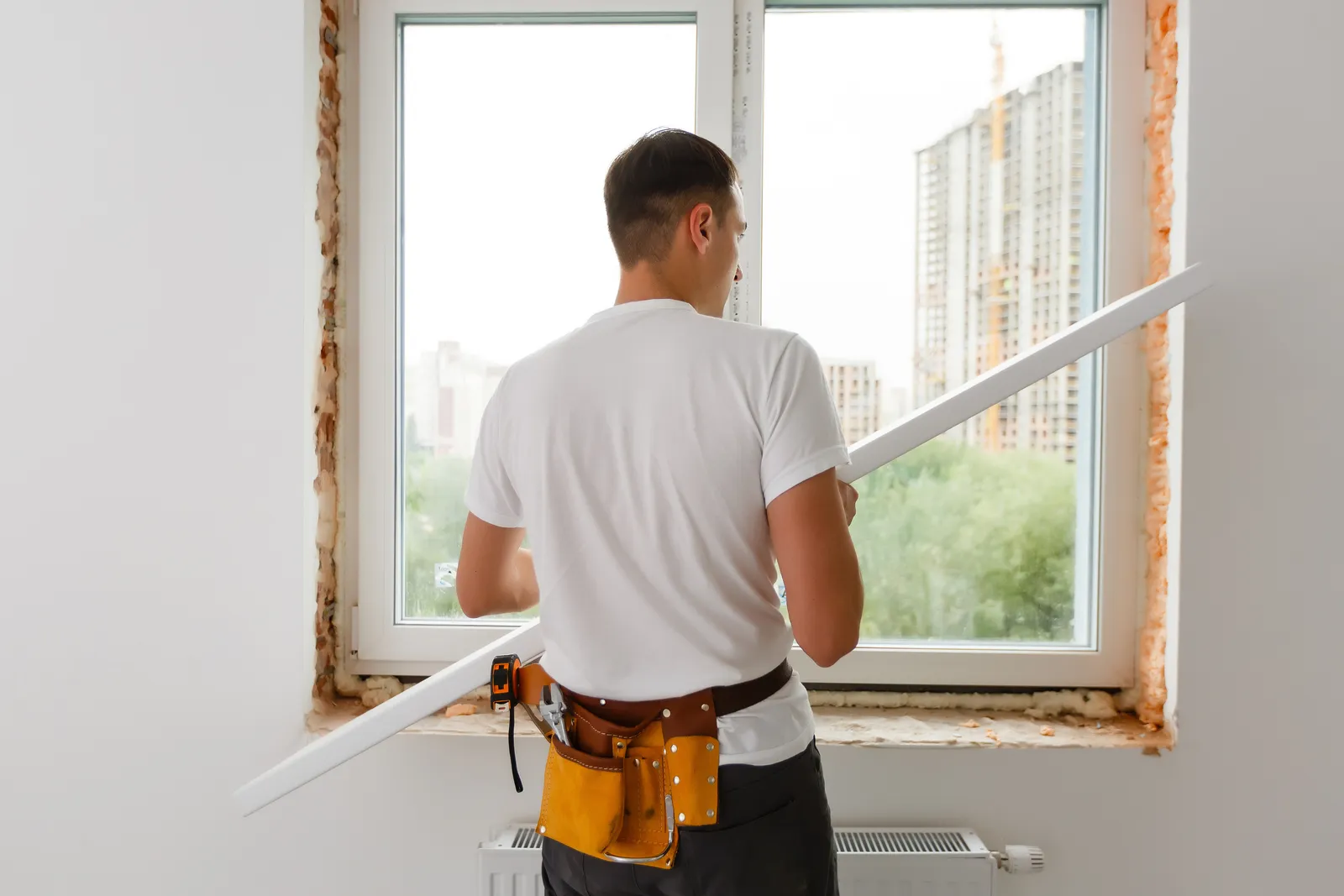
Moreover, proactive maintenance enhances the efficient operation and longevity of a building’s various systems and equipment, preserving the overall health and value of the property.
Definition and concept
Proactive maintenance is a strategic approach that focuses on preventing equipment failure through conscious and planned actions. This involves continuous monitoring and upkeep of assets, grounding our actions on the current condition and anticipated needs of each piece.
The fundamental aim is to determine the root cause behind any potential equipment failures, stepping in to correct them before they can occur. Think about it this way: instead of waiting for a problem to arise – often leading to costly repairs or replacements – we nip it right in the bud! Proactive management not only addresses property issues before they can cause trouble but also builds stronger relationships with all parties involved, from homeowners and engineers, right down to pest inspectors and legal office personnel.
Types of proactive maintenance
There are different types of proactive maintenance strategies that can be implemented to ensure the ongoing care and preservation of buildings. One type is condition-based maintenance, which involves regularly monitoring assets and performing maintenance based on their current condition.
This approach allows for targeted and timely interventions to address any potential issues before they become major problems. Another type is predictive maintenance, which utilises data analysis and technology to predict when equipment failures are likely to occur.
By identifying patterns and trends, preventive measures can be taken to avoid costly breakdowns. Finally, there is preventive maintenance, which involves scheduling regular inspections and routine upkeep tasks to prevent any deterioration or malfunctions from happening in the first place.
Benefits of Proactive Maintenance
Proactive maintenance boasts an array of advantages, key among them being improved equipment reliability. By identifying and addressing potential issues before they cause failure, this approach ensures the consistent performance of all equipment, reducing the risk of unexpected interruptions in service or operation. Another significant benefit of proactive maintenance lies in cost savings, as preventing major issues can radically cut down expenses associated with extensive repairs or full equipment replacements.
Safety is another area directly impacted by proactive maintenance, as it eliminates potential hazards that might emerge from malfunctioning equipment, providing a safer environment for occupants. Lastly, this maintenance approach can extend the lifespan of assets, as regular inspections and care keep equipment in optimal condition, thereby prolonging its functional life.
Improved equipment reliability
Implementing a proactive maintenance strategy can greatly improve equipment reliability. By actively monitoring assets and addressing their anticipated needs, potential failures can be identified and corrected before they occur.
This approach focuses on preventive measures rather than reactive maintenance, reducing the likelihood of unexpected breakdowns and costly repairs. With improved equipment reliability, homeowners, building inspectors, engineers, architects, interior design specialists, real estate agents, pest inspectors, and legal office personnel can have peace of mind knowing that their property is well-maintained and operating smoothly.
Cost savings
Implementing a proactive maintenance strategy can lead to significant cost savings. By addressing maintenance issues before they escalate, you can avoid expensive equipment failures and the need for costly repairs.
Proactive maintenance allows you to identify the root causes of failures and take preventive measures to minimise or eliminate them. This not only saves you money in the long run but also helps extend the lifespan of your assets, reducing the need for frequent replacements.
With careful maintenance and regular inspections, you can effectively manage property upkeep and preserve your building’s structural integrity, resulting in substantial cost savings over time.
Increased safety
Implementing a proactive maintenance strategy can significantly increase the safety of your building. By actively monitoring and maintaining assets based on their condition, you can identify potential hazards before they become serious.
This approach allows you to address safety issues proactively, reducing the risk of accidents or injuries. Regular inspections and careful maintenance help to preserve the structural integrity of your property and minimise the chances of equipment failures or other hazardous conditions.
By prioritising preventive measures over-reactive repairs, you can create a safer environment for everyone involved in your building’s care and upkeep.
In addition, implementing a proactive maintenance strategy helps to reduce emergency situations that may compromise safety. By identifying root causes of failures through regular condition monitoring and root cause analysis, you can take proactive actions to minimise or eliminate those causes altogether.
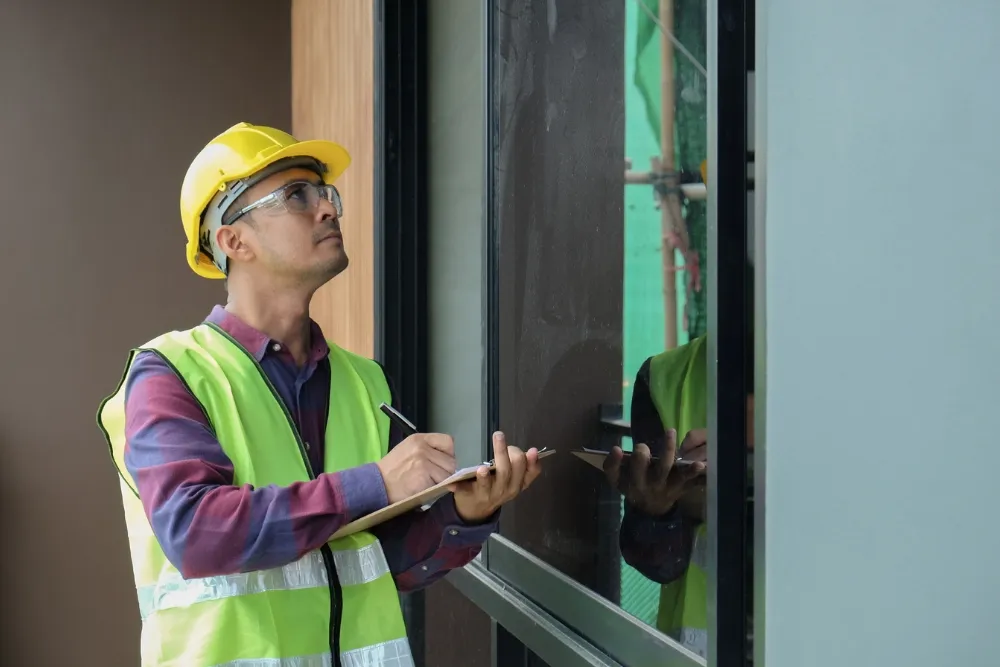
This not only prevents unnecessary risks but also saves time and money by preventing costly repairs and unexpected downtime due to equipment failure.
Extended asset lifespan
Implementing a proactive maintenance strategy can lead to an extended asset lifespan. By actively monitoring and maintaining assets based on their condition and anticipated needs, potential issues can be addressed before they become more serious.
This approach involves identifying the root causes of failures and taking proactive actions to minimise or eliminate them. By investing in preventive maintenance rather than reactive repairs, you can save time and money by preventing equipment failure and the need for costly fixes down the line.
With this proactive mindset, you can ensure that your property remains well-maintained for years to come.
Implementing Proactive Maintenance
Implementing proactive maintenance involves a multi-dimensional approach and begins with assembling a diverse team of skilled individuals. This team, equipped with knowledge in various relevant areas, collaborates to ensure the smooth functioning and effective maintenance of all aspects of the building. Identifying assets and reviewing current maintenance practices form the preliminary steps that enable the team to understand the building’s condition and the areas that necessitate improvement or change.
Next, the maintenance instructions are revised, ensuring that they are up-to-date and align with the best practices for maintaining the identified assets. Lastly, the use of modern technology is instrumental in creating efficient workflows and predictive maintenance schedules, allowing for real-time tracking of asset conditions and more accurate maintenance forecasting.
Now, are you eager to explore how these steps can revolutionise your approach to building care? Let’s dive deeper and equip you with the knowledge to make the most of proactive maintenance!
Creating a diverse team
We build a diverse team when implementing a proactive maintenance strategy. This includes bringing together professionals from different backgrounds such as building inspectors, engineers, architects, interior design specialists, real estate agents, pest inspectors, and legal office personnel.
By having a diverse team, we can benefit from their unique perspectives and expertise in identifying potential issues and finding effective solutions. This collaboration helps us create a comprehensive approach to preventive maintenance that addresses various aspects of building care.
With our diverse team, we can ensure that all aspects of property upkeep are taken into consideration for optimal facility management.
Identifying assets
Identifying assets is a crucial step in implementing a proactive maintenance strategy. It involves identifying the equipment and systems that require regular monitoring and maintenance to prevent failures.
By conducting thorough inspections and assessments, homeowners, building inspectors, engineers, architects, and other professionals can identify potential issues before they become more serious.
This helps in addressing them promptly and avoiding costly repairs down the line. Identifying assets also allows for better asset management by prioritising maintenance efforts based on their condition and anticipated needs.
With this approach, property owners can ensure the longevity of their assets and maintain a safe and functional living or working environment.
Effective asset identification requires careful consideration of various factors such as age, usage patterns, historical performance data, manufacturer guidelines, industry standards, and specific property requirements.
By taking into account these details along with regular inspections, professionals can create comprehensive reports that provide valuable insights into the current condition of assets.
These reports serve as essential documentation for tracking maintenance actions over time while also aiding decision-making regarding preventive measures.
In conclusion, identifying assets plays an integral role in adopting a proactive approach to building care. Professionals from different fields collaborate to conduct thorough assessments that help determine which equipment or systems need attention to prevent failures or disruptions later on.
Reviewing current maintenance practices
We carefully review our current maintenance practices to ensure they are effective and efficient. By conducting regular assessments, we can identify any areas that need improvement or adjustments.
This helps us proactively address potential issues before they become more serious, saving time and money in the long run. We take into consideration factors such as equipment reliability, cost savings, safety measures, and asset lifespan to make informed decisions about our maintenance strategies.
Our goal is to provide quality property upkeep and prevent unnecessary repairs through careful evaluation and adjustments to our maintenance approach.
Revising maintenance instructions
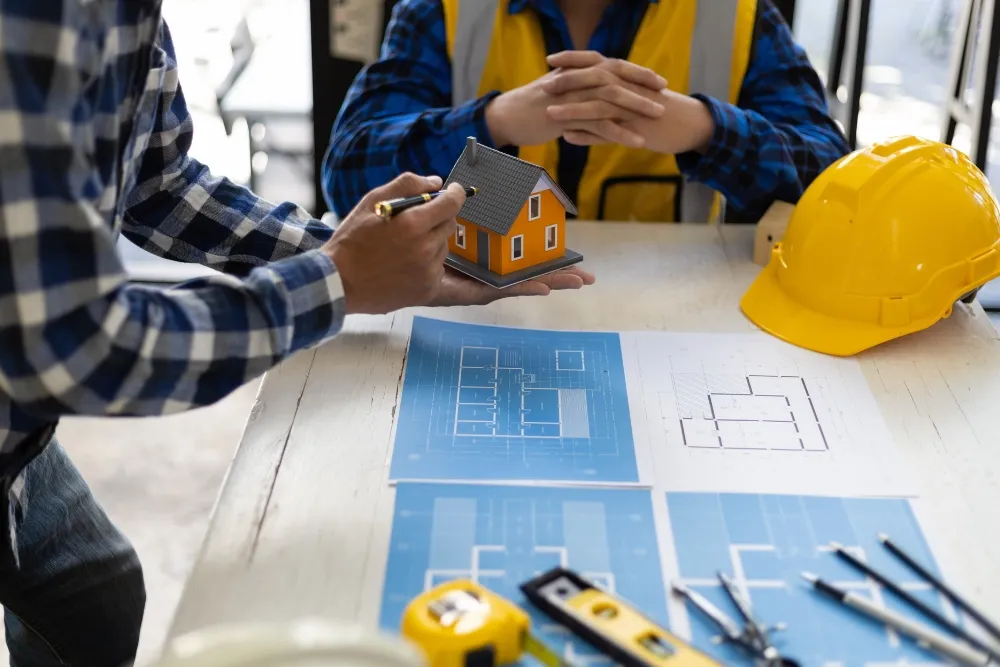
We revise maintenance instructions to ensure they are up-to-date and effective in preventing equipment failures. By regularly reviewing and updating these instructions, we can address any issues before they become more serious.
This proactive approach allows us to minimise the need for reactive maintenance and save time and money on costly repairs. Keeping accurate and detailed records helps us track past maintenance actions and their impact on costs and assets.
With a revised set of instructions, we can effectively manage property upkeep, preserve buildings, and maintain strong relationships with tenants or clients by addressing any potential issues ahead of time.
Utilising technology
We can greatly enhance our proactive maintenance efforts by utilising technology. Technology allows us to more effectively monitor and maintain assets based on their condition and anticipated needs.
With the help of software solutions and data analysis tools, we can identify patterns, track equipment performance, and predict potential failures before they occur. By implementing digital reporting systems, we can streamline the process of documenting maintenance actions and their impact on cost and assets.
This not only saves us time but also enables us to make more informed decisions about preventive measures and necessary repairs.
Secure Your Maintenance Reports!
Proactive maintenance reports are an essential tool for building care. By implementing a proactive approach, homeowners and property managers can save time and money by preventing equipment failures before they occur.
With regular inspections and careful maintenance, buildings can be preserved and property issues addressed efficiently. Call us, now!