
Tackling the menace of asbestos is a rough and tumble task that too many Aussies know all too well. It’s a harsh reality we can’t ignore, seeing as Australia has some of the highest rates of asbestos-related illnesses on the global stage.
This yarn will sort you out with helpful tips for mitigating these risks – think regular inspections, solid management practices, and iron-clad safety measures for those in the firing line.
So pull up your socks and let us guide you to safer living – she’ll be right with us!
Key Takeaways
- Regular inspections are crucial for identifying and addressing asbestos hazards in the workplace.
- Adequate asbestos controls, such as encapsulation or removal, help minimise exposure to harmful fibres.
- Compliance with safety regulations and proper management practices are essential for mitigating the risks associated with asbestos.
Importance of Mitigating Asbestos Risks Through Regular Inspections
Regular inspections form the backbone of effective asbestos management in workplaces, serving as an essential safeguard against the hidden dangers associated with this hazardous material. These inspections play a pivotal role in early detection, allowing for the identification of potential asbestos hazards before they can escalate into more significant and costly problems.
Equally important is the role inspections play in ensuring that appropriate safety controls are in place, providing protection for workers and ensuring full compliance with stringent safety regulations.
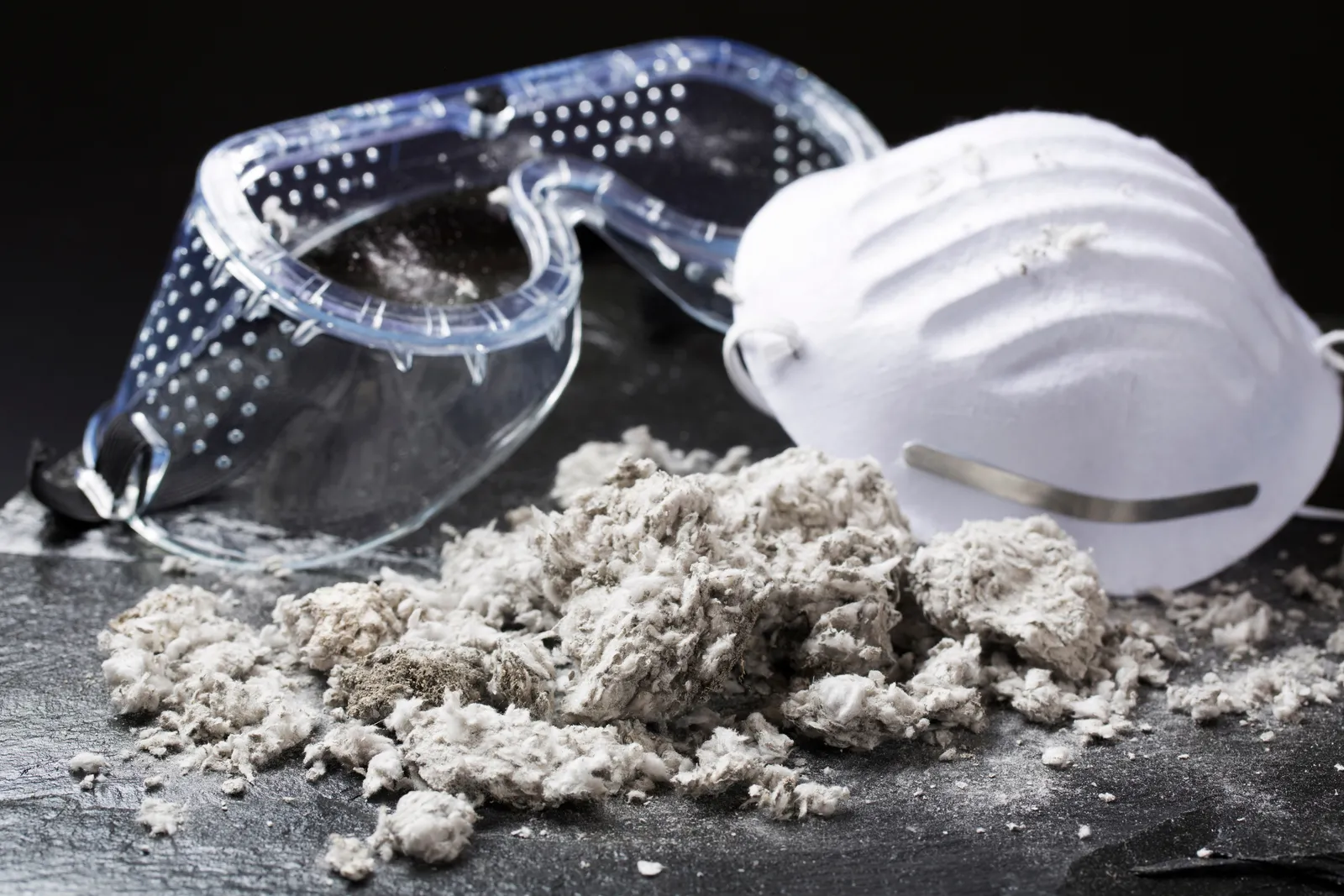
By conducting these inspections systematically and at regular intervals, organisations not only fulfil their legal obligations but also create a safer work environment for employees. Additionally, they demonstrate a proactive commitment to worker well-being and environmental responsibility by actively managing and mitigating the risks posed by asbestos.
In essence, regular inspections serve as a cornerstone in the ongoing battle against asbestos-related hazards, contributing to a safer and healthier workplace for all.
Conducting regular inspections
In the pursuit of ensuring a safe work environment, we need to place a high priority on conducting regular inspections. When dealing with asbestos, this becomes even more crucial. Regular inspection routines allow us to identify and deal immediately with any sign of asbestos contamination in our buildings.
By doing so promptly, we minimise the risk posed by airborne asbestos fibres which can have detrimental effects on health over time including serious illnesses like cancer. These routine checks also ensure that all asbestos controls are functioning as they should and help us stay compliant with safety regulations for managing and controlling asbestos at workplaces.
Ensuring adequate asbestos controls
To effectively mitigate risks associated with asbestos, it is crucial to ensure adequate asbestos controls in the workplace. This means implementing measures to prevent or minimise the release of airborne asbestos fibres and protecting workers and occupants from exposure.
These controls include conducting regular inspections to identify any potential hazards or areas where asbestos may be present. By closely monitoring these areas and adopting appropriate control strategies, such as encapsulation or removal, we can significantly reduce the risk of asbestos-related illnesses.
It is important for employers, building inspectors, engineers, architects, and others involved in managing asbestos to prioritise these controls and follow relevant guidelines and codes of practice to safeguard everyone’s health and safety.
Identifying potential risks
Regular inspections are crucial for identifying potential risks associated with asbestos in the workplace. These inspections should cover areas where asbestos, asbestos-containing materials (ACM), and asbestos-contaminated dust or debris may be present.
By conducting thorough inspections, employers and project managers can proactively identify any sources of asbestos and take immediate action to mitigate these risks. It is essential to consult workers during the inspection process to ensure that all areas are thoroughly assessed.
This helps create a safe work environment by detecting any potential hazards before they pose a threat to worker health and safety.
Compliance with safety regulations
It is crucial to comply with safety regulations when it comes to managing and controlling asbestos in the workplace. These regulations are in place to protect the health and safety of workers, as well as anyone who may come into contact with asbestos-containing materials.
By adhering to these regulations, homeowners, building inspectors, engineers, architects, interior design specialists, real estate agents, pest inspectors, and legal office personnel can ensure that proper procedures are followed for handling and removing asbestos.
This includes following guidelines and codes of practice for asbestos management and control, as well as reporting any presence of asbestos promptly to supervisors. Compliance with safety regulations is essential for mitigating the risks associated with asbestos exposure and maintaining a safe working environment for all.
Good Practices for Asbestos Management

Effective asbestos management demands a comprehensive approach encompassing several crucial components. The development of a well-structured management plan is paramount. This plan serves as a roadmap, outlining the strategies and procedures necessary for managing asbestos safely and compliantly within a given facility or property.
In tandem with the management plan, maintaining an updated register of asbestos locations is vital. This register provides a detailed inventory of all known asbestos-containing materials, facilitating quick and informed decision-making during maintenance or renovation projects.
Equally critical is worker training, ensuring that employees are well-versed in asbestos-related risks, safety protocols, and emergency procedures.
Lastly, implementing robust control measures is essential for minimising asbestos exposure. These measures encompass everything from encapsulation and removal to proper disposal practices, with the ultimate goal of preventing the release of asbestos fibres into the air. Together, these elements create a comprehensive and proactive asbestos management strategy that protects both the health and safety of individuals and the environment.
Developing a management plan
To effectively manage the risks associated with asbestos in the workplace, it is crucial to develop a comprehensive management plan. This plan serves as a roadmap for identifying and controlling potential asbestos hazards.
It outlines specific strategies and procedures that need to be implemented to ensure the safety of workers and individuals who may come into contact with asbestos-containing materials.
The management plan should include regular inspections to assess areas where asbestos might be present. By conducting these inspections, employers can identify any potential risks or hazards and take appropriate action to mitigate them.
It is also important to maintain an updated register of asbestos locations, which helps track the presence of asbestos-containing materials within the workplace.
Additionally, training workers on how to handle and work safely around asbestos is essential for their protection. The management plan should outline the necessary training programs that educate employees about recognising potential risks, using proper protective equipment, and following safe work practices when dealing with asbestos.
Maintaining an updated register of asbestos locations
We understand the importance of maintaining an updated register of asbestos locations. This ensures that homeowners, building inspectors, engineers, architects, interior design specialists, real estate agents, pest inspectors, and legal office personnel have access to accurate information about the presence of asbestos in buildings.
By regularly updating this register, we can effectively manage and control asbestos hazards and protect against exposures. This proactive approach is crucial for ensuring workplace safety and complying with regulations.
Training workers
We prioritise training our workers on asbestos safety to ensure their well-being and reduce risks in the workplace. Our comprehensive training programs cover the identification and management of asbestos hazards, as well as safe handling and disposal practices.
By providing this education, we empower our employees with the knowledge they need to protect themselves and others from potential harm. Regular refresher courses are also offered to keep everyone updated on the latest guidelines and regulations surrounding asbestos management.
Our commitment to training is integral to maintaining a safe and compliant work environment.
Implementing control measures
To ensure the safety of everyone in the workplace, it is crucial to implement effective control measures for managing asbestos risks. This includes strategies such as using protective equipment, sealing off areas with asbestos, and minimising the generation of airborne fibres.
By following established guidelines and codes of practice, we can effectively prevent or minimise exposure to asbestos. It is also important to establish reporting procedures so that any presence of asbestos can be promptly identified and reported to supervisors.
Medical Monitoring and Reporting
Prioritising the health and safety of workers in environments with potential asbestos exposure demands a multifaceted approach. One crucial aspect is the implementation of robust medical monitoring procedures.
Regular medical check-ups and assessments can help detect early signs of asbestos-related illnesses, allowing for timely intervention and treatment.
Equally vital is the establishment of clear and well-communicated protocols for reporting any incidents of asbestos exposure promptly. This empowers workers to report potential exposure immediately, ensuring that necessary actions can be taken swiftly to mitigate risks and protect their health.

In addition, providing workers with the resources and knowledge to recognise the symptoms of asbestos-related illnesses and encouraging them to seek medical attention when needed is essential. These measures collectively create a safer work environment and demonstrate a commitment to worker well-being that goes beyond compliance with regulations.
Ensuring worker health and safety
We prioritise the health and safety of our workers when it comes to managing asbestos risks. We provide comprehensive training and information about asbestos exposure, ensuring that workers are equipped with the knowledge they need to protect themselves.
By implementing control measures and conducting regular inspections, we minimise the risk of airborne asbestos fibers in the workplace. Additionally, medical monitoring procedures are in place to promptly identify any potential health issues related to asbestos exposure.
Our commitment is to create a safe working environment for everyone involved.
Call Us!
Regular inspections are crucial for mitigating the risks associated with asbestos. By conducting thorough inspections and implementing control measures, employers can ensure the safety of workers and protect against potential health hazards.
It is essential to stay updated on guidelines and codes of practice to effectively manage and control asbestos in the workplace.