Mould – thought of by many as nothing more than a minor annoyance – can become a substantial problem if left unchecked, leading to health issues, property damage, and huge costs. But, how do we find out in time before mould strikes obtrusively? Understanding mould inspection reports is one critical element in this preventative strategy.
In this article, we will aim to unmask the confounding aspects of this topic. Whether you’re a homeowner, tenant, or property manager, this post will equip you with vital knowledge about mould inspection reports, their importance, and how you can leverage them to safeguard both your property and health. Let’s dive into the often misunderstood world of mould inspections and turn mystery into mastery.
Key Takeaways
- Mould inspection reports are detailed documents that identify the presence, cause, and extent of mould growth in a building.
- These reports play a crucial role in addressing potential health risks associated with mould and help homeowners make informed decisions for remediation.
- The reports provide information about areas affected by mould, sources of excess moisture, and recommendations for effective remediation strategies.
The Importance of Mould Inspection Reports
In the fight against the invisible enemy that is mould, mould inspection reports serve as an invaluable tool for maintaining a safe and healthy living or working environment. Through a detailed exploration of the area, these reports aid in identifying the presence, extent, and type of mould growth, with each species carrying particular health risks.
By documenting this information, the report provides a clear picture of potential health risks associated with the detected moulds, be it allergies, respiratory distress, or other more severe health implications.

This invaluable information empowers homeowners and professionals with the knowledge required to devise a comprehensive and effective remediation strategy. Therefore, a mould inspection report is not only a tool for detection but an essential asset in the journey towards mould remediation, contributing to the pursuit of creating healthier, mould-free environments.
What is a mould inspection report?
A mould inspection report is a detailed document that outlines the presence, cause, and extent of mould growth in a building. These reports are completed by professionals who leverage state-of-the-art techniques to ensure comprehensive and accurate findings.
The report not only identifies areas affected by mould but also pinpoints sources of excess moisture contributing to its formation. This information is crucial as it forms the basis for effective remediation strategies and future prevention measures.
It serves as an essential tool for homeowners, real estate agents, architects, engineers, and designers among others when dealing with issues related to mould infestation in various structures from residential homes to commercial buildings.
Why are mould inspection reports important?
Mould inspection reports are crucial for identifying and addressing mould issues in buildings. These reports provide essential information about the presence of mould, its extent of growth, and any underlying causes such as moisture problems.
For homeowners, building inspectors, engineers, architects, and interior design specialists, these reports offer valuable insights into the condition of a property and help determine the necessary remediation actions.
Real estate agents can use these reports to disclose any existing mould problems to potential buyers or tenants. Pest inspectors and legal office personnel also rely on these reports for accurate documentation and evidence when dealing with mould-related issues.
What to Expect in a Mould Inspection Report
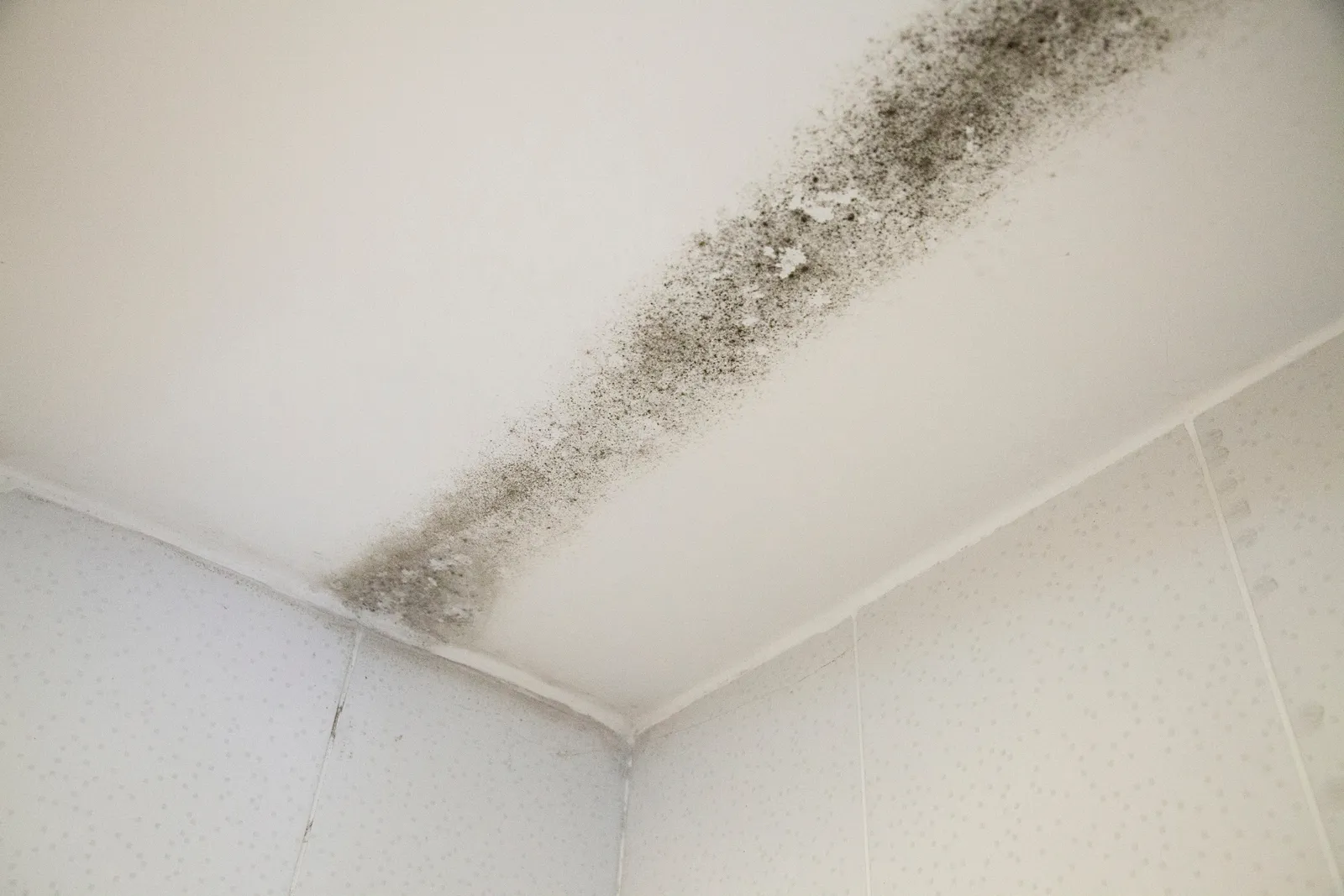
A mould inspection report serves as a comprehensive guide, delineating the extent of mould presence in an environment, the root causes, and providing tailored solutions for its rectification. Crucially, such a report offers a meticulous assessment of mould growth. It details the type of mould species, the areas affected, the degree of infestation, and any potential risks associated with this particular mould growth.
Concurrently, the report identifies any moisture sources in the property – the primary culprits for mould development – whether it’s a concealed leaking pipe, dampness seeping in through poorly sealed windows, or persistent high humidity.
Moreover, based on these assessments, the report presents tailored recommendations for remediating the mould issue, outlining the steps necessary to not only address the current mould problem but also to prevent any future recurrence. A mould inspection report, thus, acts as your action plan, providing a comprehensive solution to tackle the mould menace in your space.
Detailed assessment of mould growth
A thorough mould inspection report includes a detailed assessment of the mould growth present in the building. Experts will examine affected areas to identify the extent and type of mould contamination, providing crucial insights into the severity of the issue.
They will also document any visible signs of water damage or other moisture sources that contribute to mould growth. This information is essential for developing an effective remediation plan tailored to address specific mould problems in order to ensure a safe and healthy environment for occupants.
Identification of moisture sources
Mould inspection reports play a crucial role in identifying the sources of moisture that contribute to mould growth. These reports provide detailed information about areas where water damage or leaks have occurred, such as roofs, basements, plumbing systems, and windows.
By pinpointing these moisture sources, homeowners and professionals can take appropriate measures to address the issue. Whether it’s fixing a leaky pipe or improving ventilation, understanding and addressing the underlying causes of moisture will help prevent future mould growth and ensure a healthy living environment.
Recommendations for mould remediation
To effectively remediate mould contamination, it is crucial to follow the recommendations provided in the mould inspection report. These recommendations are based on a thorough assessment of the mould growth and underlying causes.
The report will outline specific steps that need to be taken to mitigate moisture sources and prevent future mould growth. It may include suggestions such as repairing leaks, improving ventilation, or removing affected building materials.
By following these recommendations, homeowners, professionals, and real estate agents can ensure a safe and healthy environment free from mould contamination.
How to Interpret and Understand Mould Inspection Reports
The task of interpreting mould inspection reports may seem daunting, but it’s a critical responsibility necessary to maintain the well-being of a property and its occupants. Central to understanding these reports is the knowledge of different mould species and the potential health risks they can bring; recognising the difference between a common household strain and a toxic variety can drastically impact subsequent response and remediation.
Further on, acknowledgement of the documented moisture and humidity levels inside the property can help determine the root cause and possible future instances of mould outbreak – mould thrives in damp, humid environments, so persistently high readings may suggest an ongoing water issue, like a leak.

Lastly, evaluating the recommended remediation strategies detailed in the report is pivotal, this section outlines the course of action necessary to effectively control and eradicate the mould problem. By understanding these key report components, anyone reviewing a mould inspection report can make informed decisions about mould management and remediation.
Understanding mould species and their potential health risks
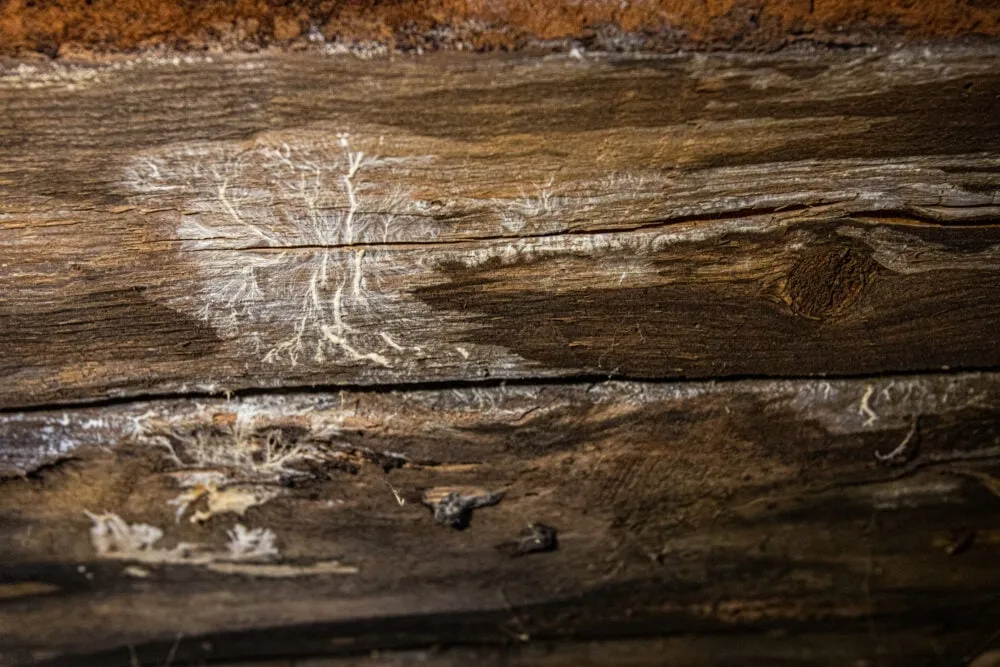
Mould species can vary greatly, and it’s important to understand the potential health risks associated with different types of mould. Some common species include Aspergillus, Penicillium, and Stachybotrys (also known as black mould).
These moulds produce spores that can become airborne and cause respiratory problems when inhaled. In some cases, exposure to certain mould species can even lead to more severe health issues such as allergies or infections.
To ensure a safe environment, it is crucial to identify the specific type of mould present in a building through professional testing and inspections.
Interpreting moisture and humidity levels
Understanding the moisture and humidity levels in a building is crucial when interpreting mould inspection reports. Excess moisture creates an ideal environment for mould growth, so it’s important to assess these levels accurately.
The report should provide information on the specific areas where elevated moisture or humidity was detected, as well as the potential sources of water intrusion or condensation. By analysing this data, homeowners and professionals can identify problem areas that need attention and develop effective strategies for mould remediation.
Monitoring and controlling moisture levels are essential for preventing future mould issues and maintaining a safe indoor environment.
The Role of Professionals in Mould Inspection and Reporting
When dealing with something as precarious as mould, professional intervention is not just recommended; it’s crucial. Hiring professional mould inspectors comes with confidence that the assessments conducted will be precise and exhaustive, ruling out the risk of overlooking any hidden growth.
Their professional background and training enable them to make sound recommendations for remediation, ensuring that the problem is effectively addressed without causing unnecessary damage or costs.
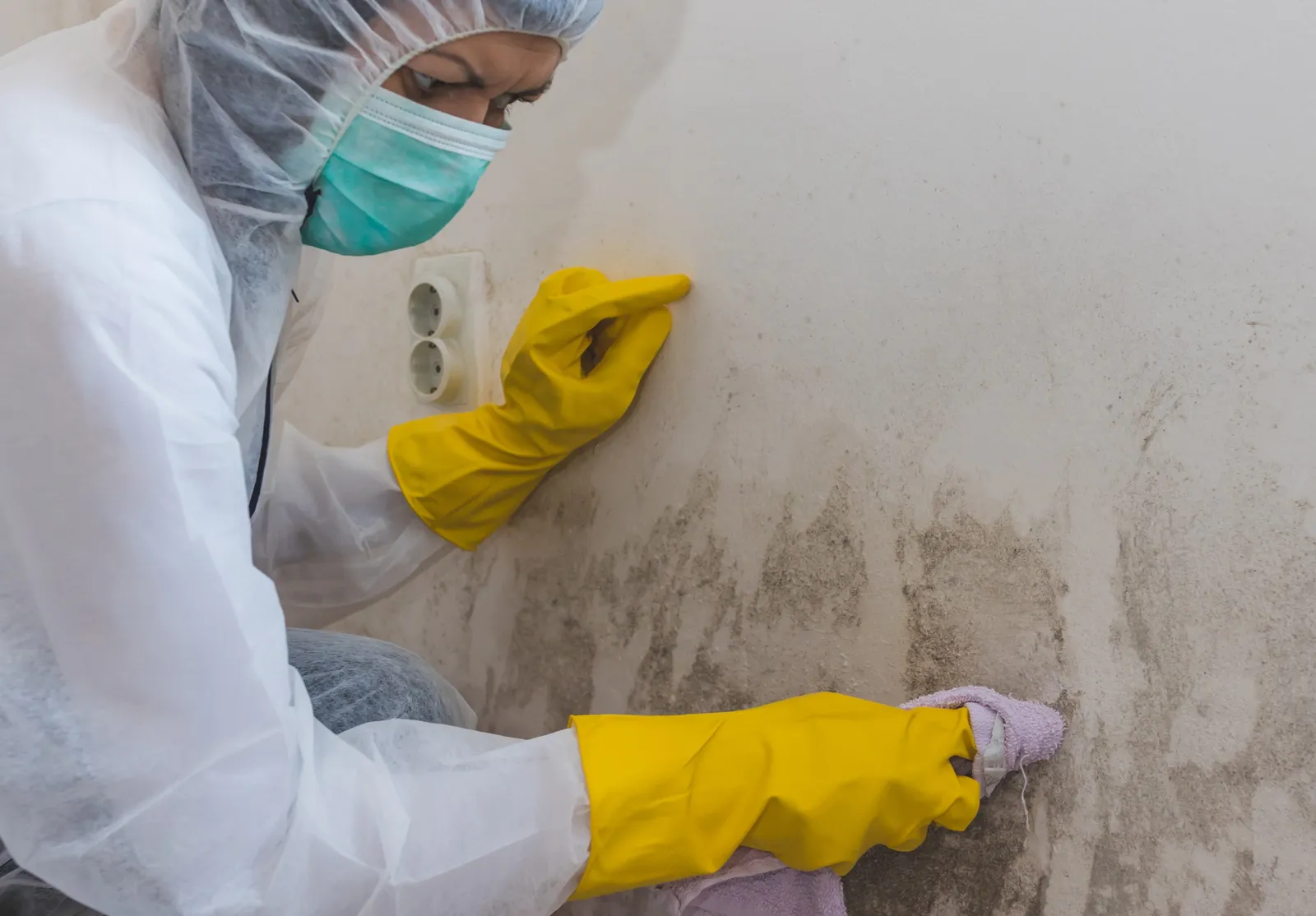
Thus, for homeowners and building professionals, the knowledge that a property has been cleared by professional mould inspectors provides a profound sense of relief. To dig deeper into why their expertise is invaluable in maintaining a healthy, safe, and mould-free property, we cordially invite you to continue your engagement with our insights here.
Call Us!
Understanding mould inspection reports is crucial for homeowners, building inspectors, and other professionals involved in property management. These reports provide valuable insights into the extent of mould growth, underlying causes of contamination, and recommended remediation strategies.
By unlocking the mystery behind these reports, we can take proactive measures to address mould issues and create a safe and healthy living environment.