
Stepping into your new home can be thrilling, but ensuring it’s structurally sound and free from hidden defects is equally important. That’s where new home inspections come into the picture. This article aims to equip you with the necessary knowledge and insights to navigate through this crucial stage successfully.
From understanding the purpose of each type of inspection, and knowing what to look for, to familiarising yourself with potential red flags, we’ll guide you through each step of this meticulous process. By the end, you’ll be more confident and prepared to face this otherwise daunting task, ensuring your new home is safe, livable, and a worthy investment.
Key Takeaways
- New Home inspections are crucial for buyers to ensure the safety and quality of their building after home-buying.
- During a home inspection, it is important to gather all necessary documents, prioritise safety procedures, and pay attention to small details.
- The inspector will thoroughly assess various areas of the property and focus on key aspects such as structural integrity, electrical systems, plumbing, heating/cooling systems, and safety hazards.
- After the home inspection, it’s important to understand the inspection report and negotiate any necessary repairs or credits before finalising the home purchase process.
Importance of New Home Inspections
Home inspections are a crucial part of the home-buying process, playing a pivotal role in assuring the safety and quality of a new property. These exhaustive property examinations detect existing and potential issues, ranging from structural problems to plumbing, electrical, or pest concerns.
These detailed inspections provide valuable insights about the state of the house, offering homeowners the requisite information to make informed decisions and negotiations if needed. Ultimately, conducting a thorough home inspection affords peace of mind to prospective homeowners, reassuring them about the state of their investment and the safety of their future living environment.
Significance of new home inspections
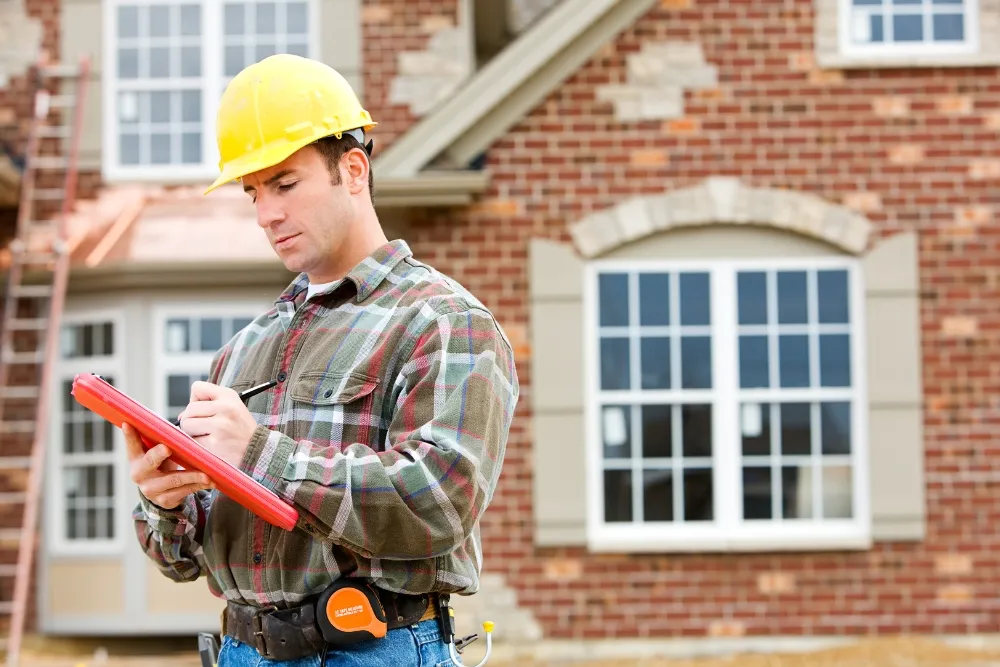
Home inspections play a vital role in the home-buying process. They unearth hidden issues, detect safety hazards and ensure compliance with building codes. A thorough inspection provides an unbiased review of the property’s condition, thus empowering buyers to make informed decisions.
It alerts potential homeowners about costly repairs that may be needed in the near future such as roofing or plumbing fixes. Moreover, it offers a chance to renegotiate purchase terms based on reported defects or even withdraw from a deal if major problems are discovered allowing them to save thousands of dollars down the line.
Benefits of new home inspections
Home inspections offer numerous benefits for homeowners, potential buyers, and professionals in the real estate industry. For homeowners, a thorough inspection can uncover any hidden issues or potential safety concerns in their property.
This knowledge allows them to address these issues before they become major problems and ensures that their home remains safe and structurally sound. Additionally, having a recent inspection report can be beneficial when selling a house as it provides transparency and makes home-buying easier for potential buyers.
For potential buyers, a home inspection is crucial in making informed decisions about their purchase. It reveals any underlying structural issues or necessary repairs that may not be visible during a casual walkthrough.
Armed with this information, buyers can negotiate repairs or credits with the seller before finalising the purchase agreement.
Professionals such as building inspectors, engineers, architects, interior design specialists, real estate agents, pest inspectors, and legal office personnel also benefit from home inspections.
Inspections provide valuable insights into the condition of properties they are involved with and help them make more accurate assessments or recommendations based on this information.
Preparing for New Home Inspections
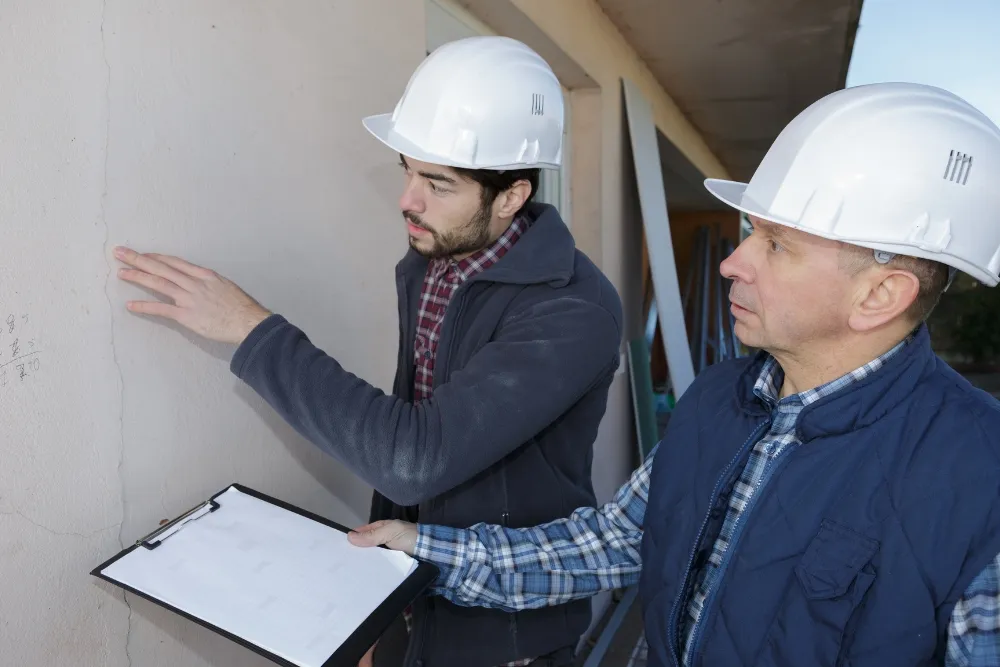
Preparing for a home inspection requires careful consideration and attention to detail. Start by gathering all important documents related to the property, including any warranties, invoices from previous repair work, or certifications, as these can provide valuable information about the property’s condition and previous maintenance.
Next, ensure that all safety procedures are in place, such as secure access to different areas and proper functioning of safety equipment, which can go a long way toward facilitating the inspection process and demonstrating the safety of the home. Lastly, don’t overlook small details like ensuring light fixtures are functional or checking for leaks, as these minor issues can impact the final report and possibly the potential sale of the home.
Gathering important documents
To ensure a smooth home inspection process, it is crucial to gather all the necessary documents beforehand. This includes documents related to the property, such as title deeds and survey reports, as well as any permits or certifications for renovations or additions that have been made.
Additionally, make sure to have your identification and proof of insurance readily available. By having these important documents on hand, you can provide the inspector with the necessary information and ensure a thorough evaluation of your property.
Ensuring safety procedures
During a home inspection, it is crucial to prioritise safety procedures. This includes ensuring that all electrical systems are in good working condition and free from any potential hazards.
It also means checking for proper ventilation and carbon monoxide detectors to protect against harmful gases. Additionally, inspecting staircases, handrails, and walkways for stability is important in preventing accidents.
By prioritising safety procedures during a home inspection, you can ensure the well-being of everyone who will be living in or visiting the property.
Paying attention to small details
During a home inspection, it’s crucial to pay attention to even the smallest details. While it’s easy to focus on major structural issues, small details can also have a big impact.
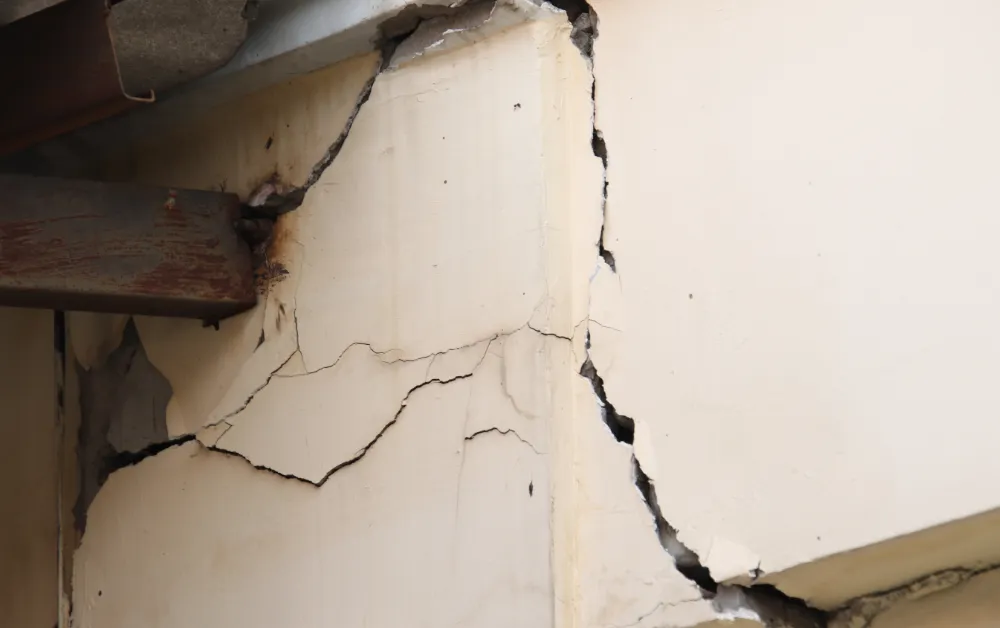
Look out for things like cracks in the walls, loose electrical wires, or signs of water damage. These seemingly minor issues could indicate larger problems that may require costly repairs down the line.
By being diligent and thorough in your inspection, you can ensure that all aspects of the property are thoroughly evaluated and any potential issues are identified early on.
In addition to looking out for structural issues, paying attention to small details can also help enhance the overall beauty and functionality of your new home. Take note of any cosmetic fixes that need to be made such as chipped paint or broken tiles.
During the Process of New Home Inspections
In the course of the home inspection process, one should anticipate a comprehensive review of the property by the inspector. One of the main focal points would be the structural integrity of the property, scrutinising the foundation, walls, and roofing to ensure sturdiness and durability over time. Essential systems like the electrical circuits and the plumbing network are also examined in detail, as these directly impact the functionality and safety of the home.
Alongside this, the inspector assesses the heating and cooling systems to ascertain their efficiency, as well as scan for potential safety hazards that might pose a risk to residents. In a nutshell, the home inspection process is a meticulous sweep to ensure every corner and system in the prospective home is safe, functional, and satisfactory.

What to expect during new home inspections
During a home inspection, you can expect the inspector to thoroughly examine the property for any structural issues or safety concerns. They will assess key areas such as the foundation, roof, electrical systems, plumbing, and HVAC.
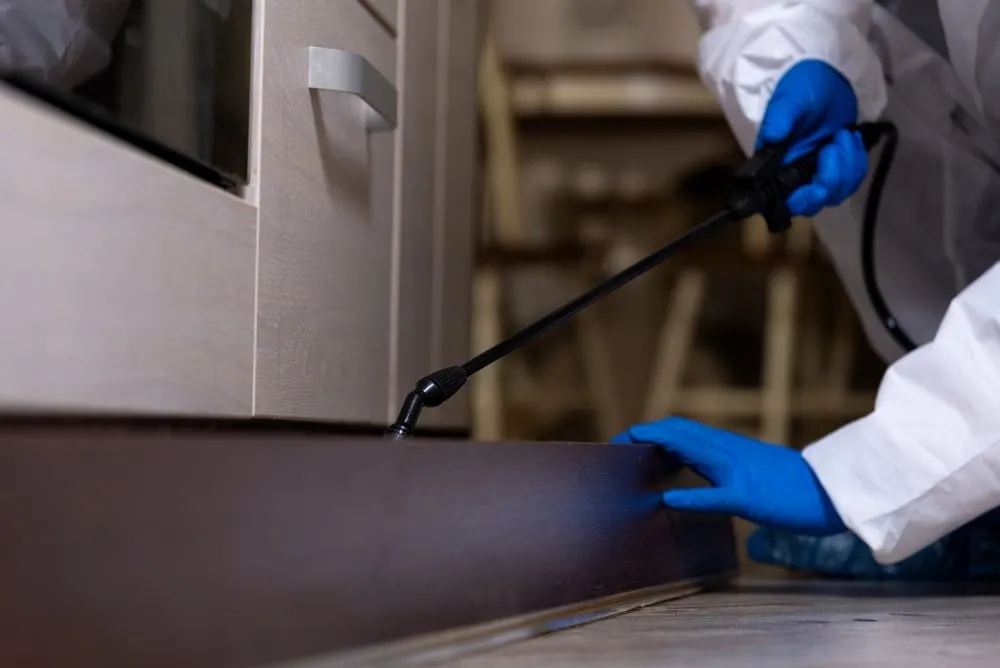
The inspector will also check for signs of mould, pests, or other potential hazards. It’s important to remember that they are looking out for your best interests and providing an unbiased evaluation of the property.
So be prepared to ask questions and take notes during the inspection process.
Areas to focus on during the inspection
During the home inspection, it is important to pay attention to specific areas of the property. Look for any structural issues such as cracks in the foundation or uneven floors. Inspect the electrical system and plumbing to ensure they are in good working order.
Check for signs of water damage or mould and examine the roof for any leaks or damage. Don’t forget about safety features like smoke detectors and carbon monoxide alarms. Take note of any cosmetic issues that may need attention, such as peeling paint or broken tiles.
Remember, a thorough inspection will help you make an informed decision about purchasing the property.
Questions to ask the inspector
During a home inspection, it’s important to ask the inspector relevant questions to gain clarity and ensure a thorough assessment of the property. Ask about any potential structural issues or safety concerns that may be present.
Inquire about the age and condition of major systems like plumbing, electrical, and HVAC. It’s also essential to ask if there have been any previous repairs or renovations done on the property.
Don’t hesitate to ask for recommendations on how to maintain the different areas of the home as well. By asking these questions, you can make informed decisions regarding your purchase and understand what steps need to be taken moving forward with your new home.
After the New Home Inspections
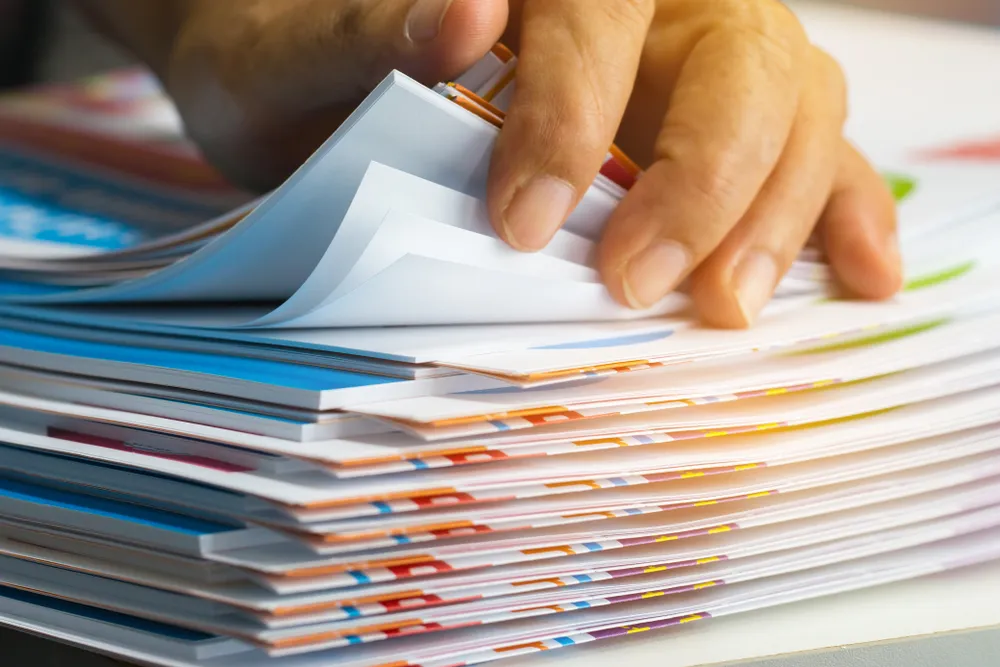
Upon completion of the home inspection, deciphering the inspection report becomes the crucial next step. This document can be exceptionally detailed, outlining the condition of various aspects of the property. Recognising potential issues highlighted in the report allows for negotiation of required repairs or possible credits with the seller, thereby ensuring you don’t bear the financial burden of issues that existed prior to your purchase.
This crucial step not only helps ensure a well-negotiated deal but can also potentiate a smooth closing process by avoiding any last-minute surprises. Read further as we guide you through these critical steps, helping you sail through this significant phase of purchasing your new home without a hitch.
Understanding the inspection report
The inspection report is a crucial document that provides detailed information about the condition of the property. It outlines any issues or areas of concern that were discovered during the inspection process.
As homeowners, it is important to carefully review and understand this report to make informed decisions moving forward. Building inspectors, engineers, architects, and interior design specialists can use the report to assess structural integrity and identify potential safety hazards.
Real estate agents, pest inspectors, and legal office personnel also rely on this information to guide buyers in negotiations and ensure a smooth closing process. The inspection report acts as a valuable tool for evaluating the overall quality of the property and determining if any repairs or improvements are necessary before finalising your home purchase or building project.
Finalising the home purchase process
Once the home inspection is complete and you have received the inspection report, it’s time to move forward with finalising the home purchase process. This stage involves negotiating any necessary repairs or credits based on the findings of the inspection.
It’s important to carefully review the report and determine which issues are critical and require immediate attention. You can then work with your real estate agent to negotiate with the seller on addressing these concerns before proceeding with closing.
Remember, this is an essential step in ensuring a smooth closing process and securing a safe and structurally sound home for you and your family.
In addition, it is crucial to understand your rights as a buyer during this phase. Familiarise yourself with local laws regarding property assessments and evaluations. Seek advice from legal office personnel if needed, who can guide you through any legal obligations or disputes that may arise during this finalisation process.
Ensuring a smooth closing process
To ensure a smooth closing process, it is important to carefully review the inspection report and address any necessary repairs or negotiate for credits. This finalises the home purchase process and allows you to move forward with confidence.
It’s also crucial to stay organised by keeping track of all the important documents throughout this stage. By following these steps, you can navigate the closing process efficiently and successfully complete your property purchase.
Call Us!
Navigating the new home inspection process doesn’t have to be overwhelming. By preparing beforehand, actively participating during the inspection, and understanding what happens afterwards, you can ensure a smooth home-buying experience.
Remember to ask questions and advocate for yourself throughout the process, and soon you’ll be well on your way to owning your dream home.