
Embarking on the adventure of owning a pool goes hand in hand with the responsibility of ensuring its safety standards are met. As keepers of these recreational spaces, homeowners shoulder the task of navigating the certification process.
In this journey toward achieving pool certification, the spotlight falls upon a crucial stage – the inspection. From the best-kept secret corners to the most obvious features, there are key areas that these inspections routinely pick apart.
Let’s delve into these important aspects here, unravelling what your inspection should fundamentally cover to successfully ride the waves of the pool certification process.
Key Takeaways
- Pool safety inspections are crucial for securing swimming areas, especially to protect young children. Inspections focus on barrier compliance and aim to reduce the risk of accidental drownings.
- To obtain a pool safety certificate, homeowners must have their pool barriers comply with regulations. It is essential to address non-compliant barriers promptly and thoroughly.
- Understanding deadlines for inspection, compliance, associated fees, penalties, and the importance of having a follow-up inspection after addressing any identified issues is critical for maintaining a safe pool environment.
- Hiring a licensed and experienced inspector is crucial in obtaining a pool safety certificate. It’s also important to create and implement a thorough pool safety management plan that prioritises preventing accidents and minimising risks within swimming pools.
Understanding Pool Certification
In this guide, we aim to lay bare the intricacies behind pool safety inspections, demonstrating why they play a critical role in upholding safety standards associated with owning a pool. We will walk you through the step-by-step process involved in obtaining a pool safety certificate, a task made achievable through thorough inspections evaluating your pool against predetermined safety regulations.
However, not all inspections necessarily culminate in immediate certification – there might be instances where your pool barriers are non-compliant, which will invoke necessary steps to rectify these issues. Addressing compliance discrepancies forms an integral part of our discussion, providing insights into what corrective measures you, as a pool owner, have to undertake in such scenarios.
Lastly, but equally important, we will shed light on the financial aspects, discussing the fees associated with certification and the penalties that can be imposed when the compliance standards aren’t met, a sobering reminder of the serious responsibilities linked to pool ownership.
Purpose of pool safety inspections
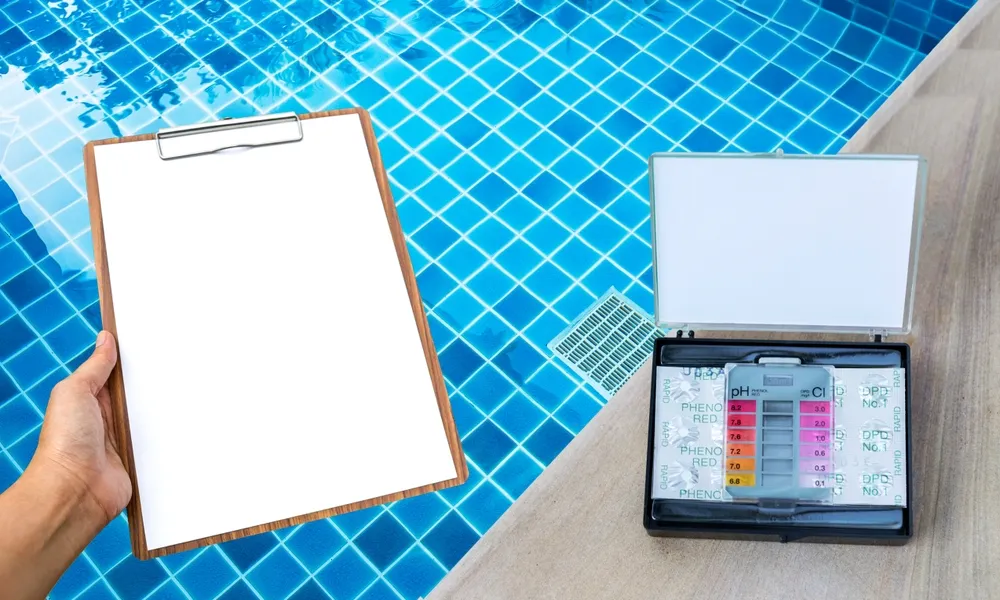
Pool safety inspections are crucial for ensuring that the environment around our swimming areas is secure for everyone, especially young children who may not see the potential dangers.
They serve to check that all pool barriers meet strict compliance standards, reducing risks of accidental drownings. By identifying hazards and enforcing necessary corrections, these assessments play a vital role in protecting lives.
As homeowners and professionals involved in property management or construction, we must take these inspections seriously. They’re not simply about following regulations; they’re measures put into place to guard against tragedy and ensure the safe enjoyment of our pools.
Every time an inspector examines a pool area and certifies it as safe, it’s another step towards promoting well-being within our communities.
Pool safety certificate
To obtain a pool safety certificate, homeowners must ensure that their pool barriers comply with regulations. A certified inspector evaluates the pool barriers and issues a certificate if they meet safety standards.
The certificate is valid for one year for shared pools and two years for non-shared pools and must be displayed prominently within the pool area.
Pool owners should understand that without a current pool safety certificate, they risk hefty fines and potential legal ramifications. The inspection focuses on various factors such as barrier height, climbable objects near the fence, gate latching mechanisms, and overall structural integrity to ensure compliance with safety measures.
Deadlines for inspection and compliance
Pool owners must be aware of the deadlines for inspection and compliance set by regulations. It is crucial to adhere to these deadlines to ensure that your pool remains compliant with safety standards.
Meeting these deadlines will help you avoid penalties and fees associated with non-compliance, providing peace of mind for both homeowners and property managers.
In addition, understanding the timeframe for inspection and compliance enables proactive planning for necessary inspections or modifications. By staying informed about these deadlines, homeowners can effectively manage their pool maintenance schedules within the regulatory framework.
Non-compliant barriers
Addressing non-compliant barriers is crucial in achieving pool safety certification. We must promptly rectify any issues with fencing, gates, or other barriers that do not meet the required standards.
Corrective actions may include repairing damaged fences, adjusting gate latches to ensure they self-close and self-latch, and clearing vegetation that obstructs the clear view of the pool barrier.
Inspectors will assess all potential hazards thoroughly to ensure compliance with regulations. We should take proactive steps to address any non-compliant barriers promptly and effectively to help ensure pool safety for everyone.
Fees and penalties
The pool certification process involves a detailed inspection checklist that covers several key areas. It is aimed to ensure compliance with pool regulations and certification requirements. It also involves understanding the purpose of pool safety inspections, deadlines for inspection and compliance, non-compliant barriers, as well as the associated fees and penalties.
- Non-Compliant Barriers: Failure to rectify non-compliant barriers within the stipulated timeframe can result in penalties.
- Inspection Fees: Pool owners are required to pay inspection fees at the time of the initial inspection.
- Penalty for Non-Compliance: Non-compliance with pool safety regulations can lead to hefty fines.
- Special Circumstances: Additional charges may apply if follow-up inspections are necessitated due to unresolved non-compliant barriers.
- Legal Implications: It is essential to be aware of the legal consequences such as penalties incurred for failing to meet pool safety standards.
Steps to Obtain a Pool Safety Certificate
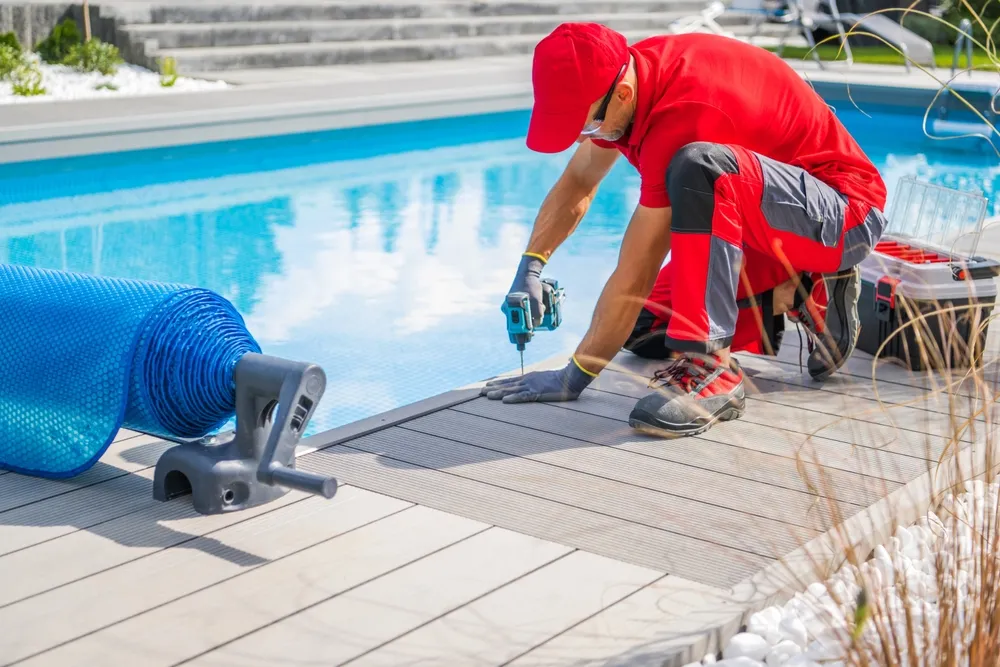
Beginning the journey towards owning a certified safe pool typically starts with engaging the services of a professional pool safety inspector. Their primary task is to conduct a meticulous inspection, focused not just on assessing the safety parameters of your pool, but also on identifying any non-compliant barriers that could potentially compromise safety.
Once these identified areas have been rectified, a second round of inspection follows through, ensuring all safety standards are now satisfactorily met, leading towards the attainment of a pool safety certificate. However, the responsibilities of a pool owner do not cease at obtaining this certificate.
It is paramount to formulate and commence the execution of a pool safety management plan, a proactive approach designed to maintain compliance, thereby ensuring safety becomes an inherent quality of your pool, not a periodic characteristic.
Hiring a pool safety inspector
When hiring a pool safety inspector, it is important to ensure that they are licensed and experienced in conducting pool safety inspections. Researching their qualifications, checking for any complaints against them, and asking for references can help in making an informed decision.
Additionally, discussing the scope of the inspection, including non-compliant barriers and follow-up procedures, is crucial for a thorough examination of the pool area.
Pool owners should also consider engaging with an inspector who has knowledge of local pool safety regulations and compliance requirements. This will help ensure that the inspection process aligns with specific certification standards, and that any necessary adjustments can be made promptly to meet the compliance criteria.
Addressing non-compliant barriers
When addressing non-compliant barriers, the first step is to identify the specific safety issues with the pool barriers. Corrective measures may include repairing or replacing damaged fences, ensuring the correct height and gap requirements, and installing self-closing and self-latching gates. Additionally, regular maintenance on pool barriers should be conducted to ensure ongoing compliance. Owners must stay updated with the latest safety regulations to address any changes promptly. Inspectors will provide clear guidance on rectifying non-compliant barriers to meet safety standards. Regular inspections are necessary to maintain a safe pool environment for all users.
Follow-up inspection
After addressing any non-compliant barriers, a follow-up inspection is necessary to ensure that the required safety standards are met. During this inspection, the pool safety inspector will revisit the property and assess whether the necessary corrections have been made.
It’s crucial for homeowners and property professionals to schedule and facilitate this follow-up inspection promptly to avoid delays in obtaining the pool safety certificate.
It is our responsibility as homeowners, building inspectors, engineers, architects, interior design specialists, real estate agents, pest inspectors, and legal office personnel to prioritise compliance with pool safety regulations by facilitating a timely follow-up inspection after addressing any identified issues.
Pool safety management plan
Developing a pool safety management plan is crucial for maintaining a safe environment around the pool. We must regularly inspect and maintain barriers, gates, and latch systems to ensure they meet safety requirements.
It’s our responsibility to keep the area clear of objects that could be used to climb over barriers while also ensuring that young children cannot access the pool unsupervised.
We need to have an emergency action plan in place in case of accidents and always have rescue equipment nearby. Regularly educating family members and guests about water safety will help prevent accidents from occurring.
Important Considerations for Pool Owners
The role of a pool owner extends beyond the joyous hosting of pool parties or enjoying solitude dips; it brings along a mantle of responsibility concerning the safety and compliance aspects of the pool. These obligations hold firm irrespective of whether your pool is a freshly constructed one or has recently borne alterations, particularly to the pool fences.
It is essential to familiarise oneself with the specific regulations governing these structural components since their compliance is a routine part of pool safety checks. Knowledge is a pool owner’s best defence, so make it a point to stay updated about the current laws and norms.
Moreover, remaining vigilant is also crucial, which includes being informed about any complaints lodged against pool safety inspectors, and ensuring you receive a fair and thorough evaluation vital for maintaining a safe and compliant pool.

Recently built pools
Pool safety for recently built pools is paramount. As pool professionals, we ensure that all new constructions comply with the latest safety standards. We know that newly built pools must adhere to current regulations, including barrier height and other safety features.
Our thorough inspections cover every inch of these newly constructed areas to help ensure compliance.
We regularly update our knowledge and skills to keep pace with changes in building codes and pool safety requirements. Our team also offers advice on how best to maintain your new pool area so it continues to meet stringent safety standards over time.
Altered pool fences
When altering pool fences, ensure that the changes comply with pool safety standards. Any modifications should not compromise the overall integrity of the barrier or create potential hazards.
It’s crucial to seek professional advice and obtain necessary approvals before making any alterations to your pool fence.
To maintain compliance, keep records of any changes made to the fence structure and materials used. Regularly inspect and maintain these altered sections to ensure ongoing compliance with pool safety regulations.
Pool safety responsibilities
Pool safety responsibilities lie with the pool owner. It is essential to ensure that the pool barriers comply with safety standards. Regular maintenance and checks of the pool barrier’s integrity are crucial to prevent accidents.
Adequate signage must be in place, and gates should always remain self-closing and latching during non-use.
Furthermore, it is imperative to keep the pool area clear of potential hazards at all times. This includes removing any items that could assist a child in climbing over the barrier or accessing the pool unsupervised.
Complaints against a pool safety inspector
Pool safety inspectors play a crucial role in ensuring the compliance of pool barriers with safety standards. If you have any complaints against a pool safety inspector, it’s important to address them promptly and thoroughly.
Document your concerns clearly and provide evidence to support your complaint. Contact the relevant authority or regulatory body to lodge your complaint and request a follow-up investigation.
It’s essential for maintaining the integrity of the pool certification process.
Selling or Renting a Property with a Pool
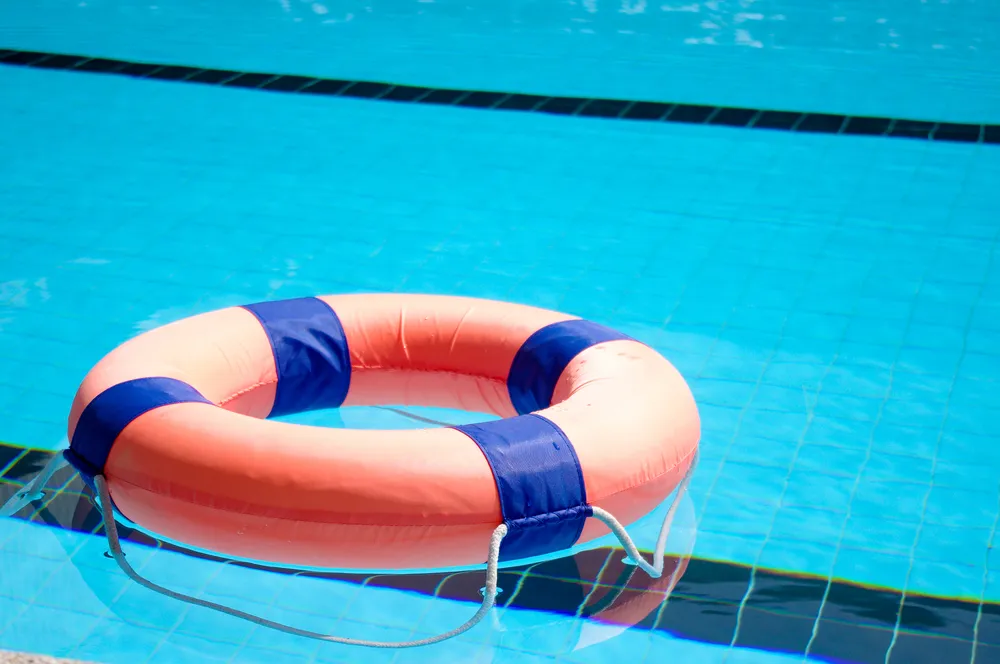
Engaging in the sale or rental of a property featuring a pool brings with it a specific set of requirements that carry a significant weight in the transaction. Holding a pivotal role among these conditions is the need to present a pool safety certificate, a certified document that endorses the pool’s compliance with the prescribed safety standards.
It serves as a testimonial reassuring your potential buyers or tenants about the safety and legality of the pool. To obtain this certificate, a compliance audit alongside a thorough inspection is carried out, typically by a qualified pool safety inspector.
A successful audit and inspection not only affirm the safety of your pool but also effectively streamline the process of selling or renting your property, removing potential hindrances and increasing transparency.
Requirements for selling or renting a property with a pool
To sell or rent a property with a pool, there are specific requirements to adhere to in Australia.
- Obtain a valid Pool Safety Certificate before selling or leasing the property.
- Ensure the pool complies with current safety standards and regulations.
- Provide the certificate to potential buyers or tenants and include it in any advertising material.
- Make sure that the certificate is not more than two years old when selling or leasing the property with a pool.
- Failure to comply with these requirements can result in penalties and legal consequences.
End of tenancy survey
Before the end of a tenancy, it is essential for property owners with pools to ensure that their pool barriers comply with safety standards. An end-of-tenancy survey involves a thorough inspection of the pool area and its safety barriers.
All non-compliant issues must be rectified promptly to comply with regulations before new tenants move in. Property owners are responsible for ensuring that their pool area meets the necessary safety requirements outlined by official guidelines.
Hiring a qualified and experienced pool inspector will ensure that all aspects of the end-of-tenancy survey are conducted thoroughly, providing peace of mind for both property owners and future occupants.
Short-term rental accommodation regulations
Homeowners and real estate agents should be aware of the short-term rental accommodation regulations when selling or renting a property with a pool. These regulations outline the safety requirements for pools in properties used as short-term rentals, ensuring that they comply with safety standards to protect residents and guests from potential hazards.
Understanding these regulations is crucial for compliance and avoiding penalties while providing safe pool experiences for renters.
Pool safety inspectors, engineers, architects, and legal office personnel can provide valuable guidance on navigating these regulations when dealing with properties that have pools intended for short-term rental accommodation.
Buying or selling property with a pool.
When buying or selling property with a pool, it is important to ensure that the pool safety certificate is up to date. Conduct thorough research on the requirements for selling or renting a property with a pool in your area.
It’s crucial to comply with the regulations and safety standards set by local authorities before finalising any real estate transaction involving a pool.
If you are considering purchasing a property with an existing pool, make sure to review the current pool safety certificate and confirm its compliance status. Engage professionals, such as building inspectors and legal office personnel if needed, to ensure that all necessary steps have been taken for a smooth buying or selling process involving a property with a pool.
Call Us!
Ensuring pool safety is everyone’s responsibility. Regular inspections are crucial for compliance and peace of mind. Hiring a qualified inspector helps address any non-compliant barriers promptly.
Understanding the process makes it easier for pool owners to navigate certification requirements effortlessly. Taking these steps ensures a safe and enjoyable pool experience for all.