
Taking a dip in your backyard pool should be the epitome of relaxation, not a cause for concern. Ensuring this requires a keen focus on pool safety, an area where thorough inspections play a vital, often underappreciated role. These deep dives into the state of your pool are more than mere formalities; they form a crucial link in the chain of health and safety, leading to necessary certifications.
They scrutinise the very fabric of your pool’s well-being, assessing everything from the structural soundness of the pool basin to the efficacy of the filtration system. This comprehensive evaluation is geared towards proactively identifying issues before they escalate into hazards, be it through simple wear and tear or more complex equipment malfunctions.
Understanding this connection is key, it underscores the peace of mind that comes with a certified haven of cool waters. So, let’s splash into the importance of ensuring that every aspect of your pool meets the highest standards of safety and compliance.
Key Takeaways
- Regular pool inspections by certified professionals are crucial for maintaining a safe swimming environment, identifying potential hazards, and ensuring compliance with state-specific regulations.
- Certified pool safety inspectors undergo rigorous training and hold relevant certifications to conduct comprehensive evaluations of pool structures, water quality, filtration systems, and electrical components.
- Understanding and adhering to state-specific pool safety regulations is essential for homeowners, property managers, and professionals involved in property management in creating secure swimming environments.
The Importance of Pool Inspections and Certifications
The intersection of pool inspections and certifications marks a critical juncture in the quest for securing a safe aquatic environment.
These evaluations are far from bureaucratic tick-box exercises; they’re comprehensive processes that reveal hidden dangers, from precarious pool edges to faulty drainage systems, ensuring that every swim is safe.
Beyond safeguarding swimmers, these inspections also serve the crucial role of fulfilling insurance prerequisites, as insurers often require proof of compliance with safety standards before providing coverage.
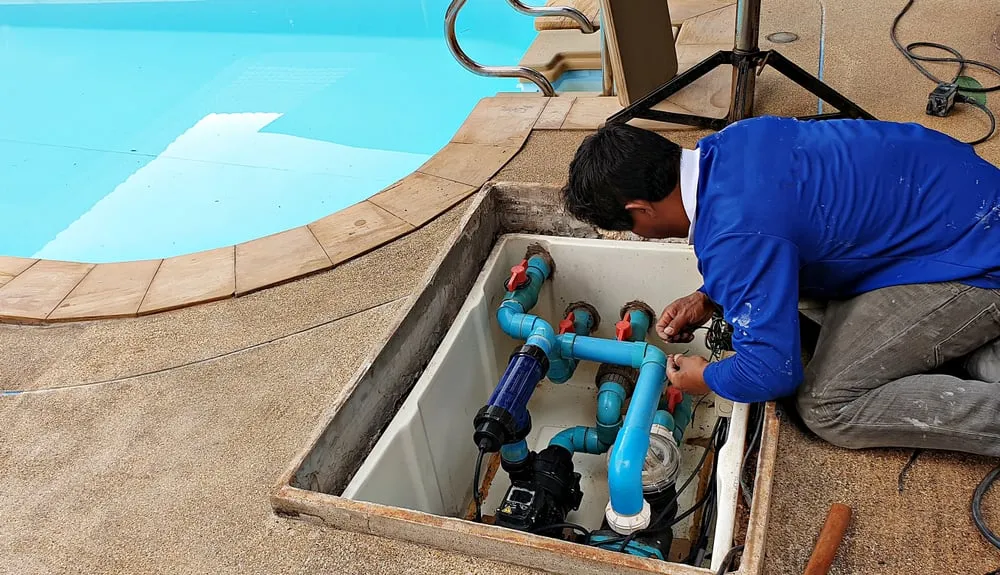
Ensuring pool safety
Ensuring pool safety is a crucial responsibility for all of us, whether we’re homeowners or professionals in the building and real estate industry. We must constantly be vigilant about identifying risks that can lead to accidents.
It starts with regular inspections conducted by experts who know exactly what to look for, from checking the integrity of fences and gates to ensuring the water quality is up to health standards.
Each step taken towards maintaining a safe swimming environment helps prevent potential tragedies and keeps our communities secure.
We also have a role in promoting awareness about pool safety regulations among our peers and clients. By staying informed on the latest standards and legislation, we can guide others in adopting practices that safeguard every swimmer’s well-being.
It’s not just about meeting legal requirements; it’s about instilling a culture of safety, keeping our pools as places of enjoyment rather than risk.
Identifying potential hazards
Certified pool inspectors meticulously assess the pool area to identify any potential hazards, such as slippery surfaces, broken equipment, or inadequate fencing. They also inspect the filtration system for any malfunction that may lead to water contamination.
Evaluating electrical components ensures that there are no exposed wiring or faulty installations that could pose a safety risk.
By staying vigilant and regularly conducting thorough inspections, we can maintain a safe environment for all swimmers by promptly addressing any potential hazards and ensuring compliance with pool safety standards and regulations.
Meeting insurance and compliance requirements
Meeting insurance and compliance requirements is a critical aspect of ensuring pool safety. It involves adhering to specific regulations and standards set by the state for maintaining safe and secure swimming facilities.
Regular inspections play a vital role in meeting these requirements, as they help identify potential hazards, maintain water quality, and ensure that the pool’s structure and electrical components are up to standard.
By staying compliant with these regulations, homeowners can also satisfy insurance prerequisites for their pool, providing added peace of mind.
Ensuring compliance with pool safety regulations not only promotes a safe environment but also plays a crucial role in protecting all swimmers from potential risks. This includes maintaining proper fencing standards to prevent accidents around the pool area.
The Process of Pool Inspections
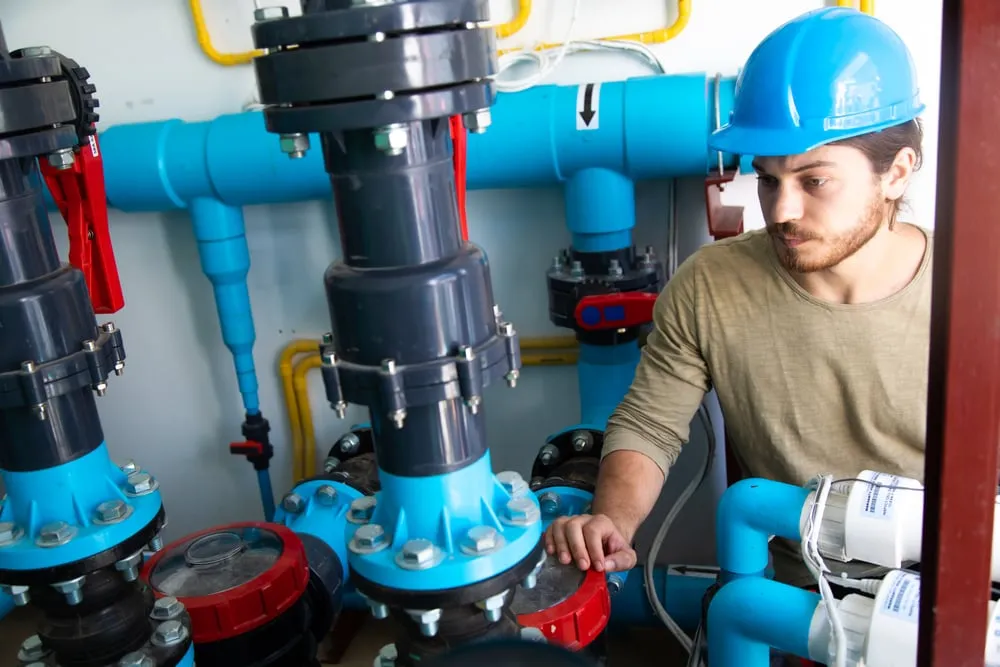
Comprehensive evaluation by certified professionals
Certified professionals conduct a thorough evaluation of the pool to ensure safety and compliance with regulations. They meticulously inspect the structure, water quality, filtration system, and electrical components to identify potential hazards.
Through their expertise and training, they play a crucial role in promoting pool safety for all swimmers.
Pooling their qualifications and experience, certified professionals are adept at identifying any non-compliance or hazards that may compromise safety standards. Their diligent inspections help maintain the integrity of pool safety measures while ensuring adherence to legislation and guidelines.
Areas of focus
Our pool inspections cover crucial areas to ensure safety and compliance:
- Inspecting the structure for any signs of cracks, leaks, or damage to the pool shell.
- Assessing water quality to ensure it meets safety standards and is free from harmful bacteria or contaminants.
- Evaluating the filtration system to verify its efficiency in maintaining clean and clear water.
- Checking electrical components such as pumps, heaters, and lighting for proper functioning and safety compliance.
Understanding Pool Safety Regulations and Compliance
Navigating pool safety is akin to piecing together a unique puzzle, with each state setting its specific regulations and guidelines.
Whether you’re basking in the tropical climate or enjoying the temperate breezes, staying abreast of the locality-specific rules is critical for every pool owner.
This tailored awareness supports the adherence to state-mandated safety features, such as fencing requirements, signage, and emergency preparedness. Regular inspections by qualified professionals are essential not only for ensuring ongoing compliance with these dynamic regulations but also for upholding robust safety standards.
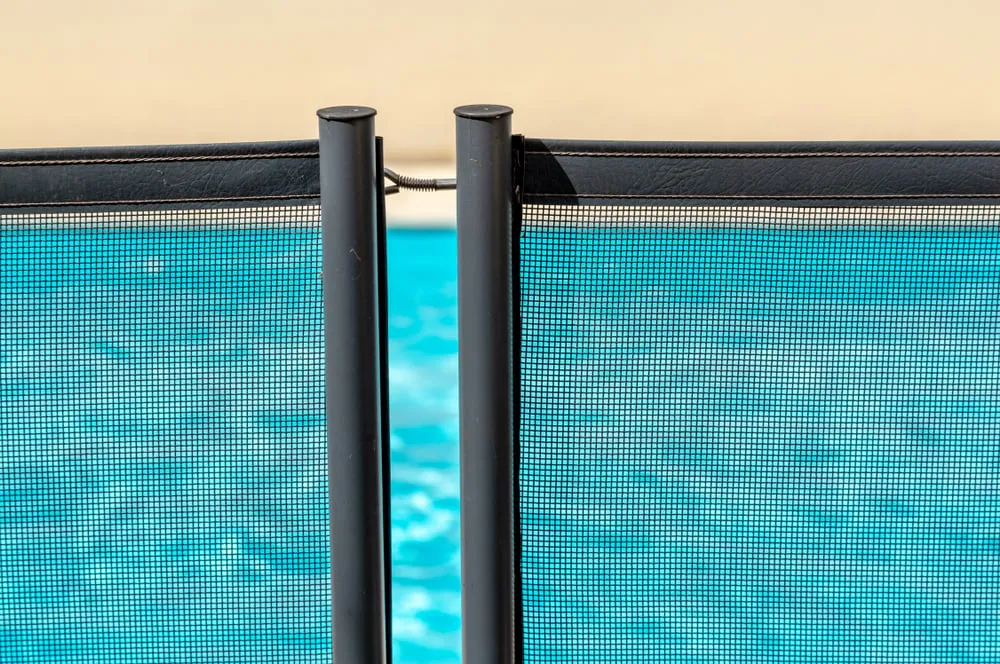
State-specific regulations
State-specific regulations for pool safety vary across Australia. All stakeholders involved in property management must stay updated with the requirements in their respective states.
These regulations encompass aspects such as fence height, gate latching mechanisms, and maintenance standards, contributing to a safe environment for swimmers. Understanding these regulations is essential for ensuring that your pool complies with legal standards and promotes water safety.
As professionals involved in property management, it’s our responsibility to be well-versed in state-specific pool safety regulations. This knowledge equips us to provide accurate guidance to homeowners and ensure that pool facilities adhere to the prescribed standards, ultimately fostering a safer swimming environment within our communities.
Importance of routine inspections
Routine inspections play a crucial role in maintaining the safety and integrity of your pool. By conducting regular inspections, potential hazards can be identified early on, ensuring that any issues are addressed promptly to prevent accidents.
Additionally, routine inspections help homeowners and property managers meet compliance requirements and uphold pool safety standards set by legislation. These proactive measures not only promote a safe swimming environment but also contribute to the overall lifespan of the pool equipment and infrastructure.
Regular maintenance checks also enable certified professionals to assess the water quality, filtration system, structural components, and electrical elements of the pool. This comprehensive evaluation ensures that all aspects of the pool are functioning optimally, providing peace of mind for swimmers and meeting regulatory guidelines for certification.
Pool fence standards for safety
Pool fence standards for safety are crucial for ensuring a secure pool environment. Adhering to these standards helps prevent unauthorised access and reduce the risk of drowning incidents.
Inspections play a key role in verifying compliance with these standards, including factors such as fence height, gate latching mechanisms, and non-climbable zones. Regular checks on the condition of the fence and its surrounding area are necessary to maintain safety levels up to the required guidelines.
Certified inspectors meticulously examine pool fences to ensure they meet all safety regulations. This ensures that homeowners can enjoy peace of mind knowing their pool area is secure from potential hazards, complying with national and state-specific legislation aimed at preventing accidents.
The Role of Certified Pool Safety Inspectors
Qualifications and training
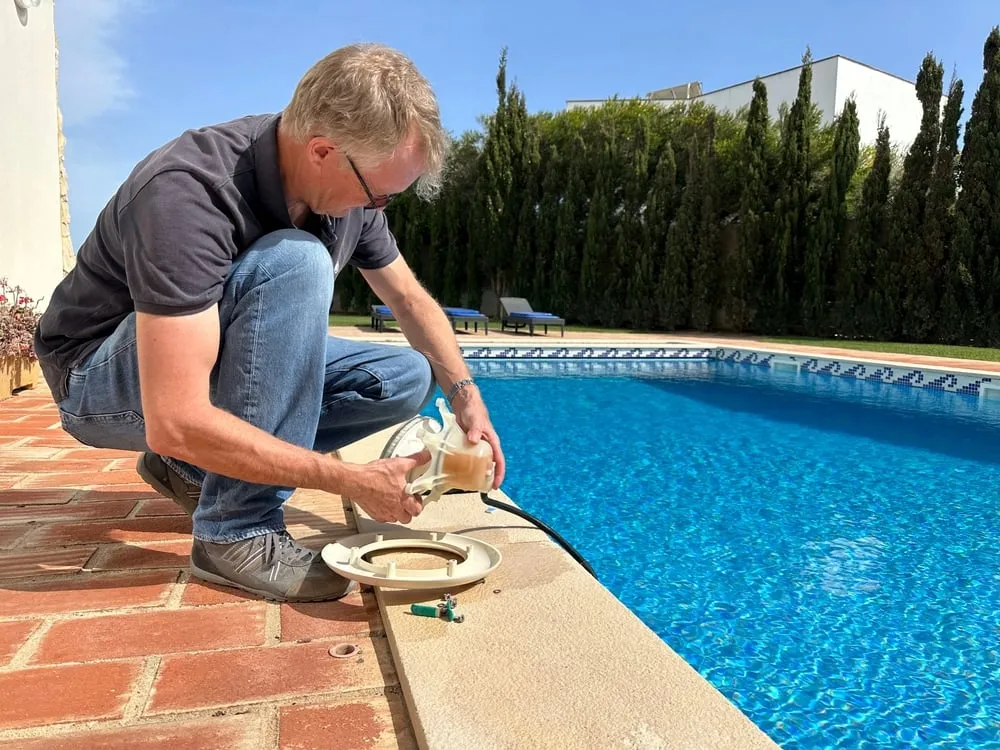
Pool safety inspectors undergo rigorous training to ensure a thorough understanding of pool safety guidelines and regulations. They typically hold certifications such as Certified Pool/Spa Operator (CPO) and have completed relevant training courses covering areas like water chemistry, filtration systems, pool structure, and electrical components.
Additionally, they receive ongoing education to stay updated on the latest industry standards and regulations to conduct comprehensive inspections effectively.
Inspectors are equipped with the knowledge and skills needed to identify potential hazards that may compromise pool safety. Their training empowers them to assess compliance with pool safety legislation accurately, ensuring that all swimmers can enjoy a safe environment.
Conducting thorough inspections
Certified pool inspectors conduct rigorous inspections to ensure a comprehensive evaluation of the pool’s safety and compliance. They carefully examine every aspect of the pool, including its structure, water quality, filtration system, and electrical components.
Additionally, they identify potential hazards and ensure that all safety standards and regulations are met for the protection of swimmers and property. Moreover, they promote a safe environment for everyone using the pool.
Identifying potential hazards and ensuring compliance
Inspectors diligently identify potential hazards in and around the pool area. They ensure that all safety standards and regulations are met to help ensure compliance with state-specific regulations.
Through rigorous training and qualifications, certified inspectors meticulously examine every aspect of the pool to promote safety for all swimmers. Regular inspections not only identify potential hazards but also ensure compliance with pool safety guidelines.
Certified inspectors conduct thorough evaluations, focusing on structure, water quality, filtration system, and electrical components to maintain pool safety standards. By adhering to these stringent measures, they contribute significantly to ensuring a safe swimming environment for everyone.
Promoting pool safety for all swimmers
Promoting pool safety for all swimmers is essential to prevent accidents and ensure a safe swimming environment. By upholding pool safety regulations and compliance standards, we can create a secure space for everyone to enjoy.
Regular inspections conducted by certified professionals help identify potential hazards, ensuring that the pool meets structural integrity, water quality, and electrical component standards.
This proactive approach not only promotes safety but also provides peace of mind for homeowners and stakeholders involved in managing and maintaining the swimming pool.
Call Us!
Understanding the importance of pool inspections and certifications ensures pool safety. Identifying potential hazards through comprehensive evaluations is crucial. Certified pool safety inspectors play a vital role in promoting compliance with regulations.
Their qualifications and training equip them to maintain high standards and promote safe swimming environments for everyone.
Penrith Building Inspections
Keep Reading

Rental Inspections
How Rental Inspections Help Maintain Your Property Value
Learn how regular rental inspections can help you preserve and enhance the value of your property investment.
Read More →
Dilapidation Inspections
Dilapidation Inspection: An Indispensable Part of Building Inspection
Learn how dilapidation inspections are key in building projects to safeguard property conditions and manage risks.
Read More →
Pest Inspections
Avoid Future Headaches: The Role of Pest Inspections in New Home Buying
Learn the key role pest inspections play in new home buying to safeguard your property and avoid costly issues.
Read More →