A beautifully polished timber floor not only adds charm and elegance to your living space but also represents a significant investment in your property. However, even the most resilient timber floors can face wear and tear over time, which may compromise their integrity. To safeguard your investment and ensure your hardwood floors stand the test of time, understanding the importance of timber floor inspections is paramount.
In this article, we unravel the intricacies of timber floor inspections, exploring why they are a crucial aspect of property maintenance and how they can help preserve the timeless allure of your wooden floors. Whether you’re a homeowner, property manager, or simply someone intrigued by the world of flooring, join us on this journey to uncover valuable insights into the world of timber floor inspections.
Key Takeaways
- Regular timber floor inspections are crucial for protecting your investment and ensuring the longevity of your wooden floors.
- Inspections should include assessing supports, foundation walls, bearers, joists, flooring, termite barriers, and the condition of the concrete slab.
- Preventive measures such as regular cleaning, using protective pads and rugs under furniture legs, controlling humidity levels, and applying UV protection to windows and doors can help protect your wooden floor from damage.
- Restoring and refinishing your wooden floor involves assessing the need for refinishing, choosing the right finish, properly sanding and preparing the floor, staining it to enhance its appearance, and applying a protective finish.
Importance of Underfloor Inspections for Protecting Your Investment
Underfloor inspections constitute an indispensable aspect of maintaining and safeguarding your investment in timber flooring. These inspections serve as a proactive measure, providing an opportunity to detect and rectify various issues that can compromise the integrity of your flooring, including faulty supports, weakened foundation walls, termite barriers, as well as decayed bearers, joists, and flooring.
Beyond identifying these potential hazards, regular underfloor inspections are pivotal in preventing costly damage and preserving the longevity of your wooden floor.
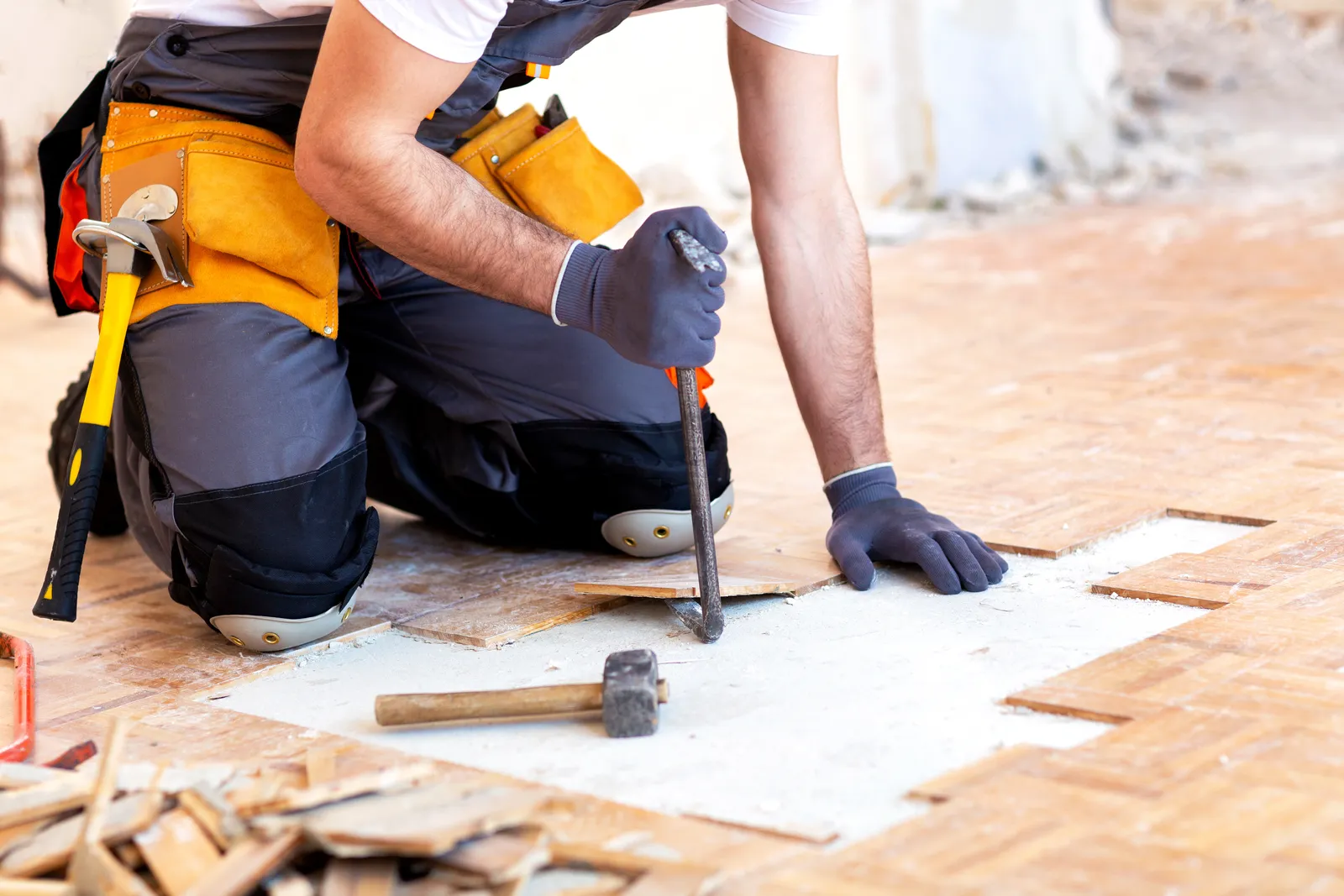
By addressing issues promptly through these inspections, you not only save on repair expenses but also extend the life of your timber flooring, ensuring it remains an enduring and valuable asset to your property.
In this article, we will delve deeper into the importance of underfloor inspections, offering valuable insights into how they can safeguard your investment, maintain the beauty of your timber floors, and enhance the overall durability of your property.
Supports and tie-downs
In the realm of timber floor inspections, supports and tie-downs hold crucial roles. They act as a building’s backbone, providing stability to your house. Without strong supports and properly installed tie-downs, your floor might not be able to bear significant loads.
Moreover, poorly anchored buildings are more susceptible to damage or even collapse during extreme weather events like windstorms or earthquakes. Substandard supports can also lead to sagging floors over time which could affect the safety of occupants and depreciate property value.
Thus, it becomes essential for experts conducting timber floor inspections to carefully assess every support structure and every tie-down installation for weakness or decay throughout their service life.
Foundation walls and retaining walls
A thorough timber floor inspection includes assessing the condition of foundation walls and retaining walls. These structural components play a vital role in supporting the weight of your wooden flooring system.
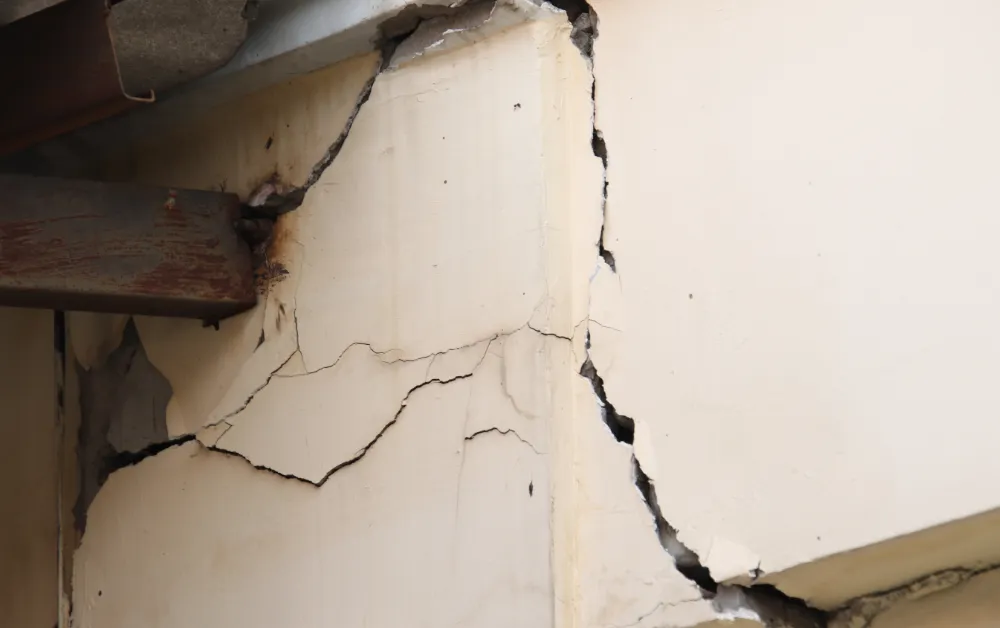
Inspecting the foundation walls ensures that they are stable and not compromised by any issues such as cracks or movement. Retaining walls, on the other hand, prevent soil erosion and provide support to areas with uneven terrain.
It is essential to check these walls for any signs of damage or deterioration to ensure the long-term stability and durability of your timber floors.
Bearers, joists, and flooring
Regular inspections of the bearers, joists, and flooring are essential to ensure the structural integrity of your timber floor. By examining these components, you can identify any signs of decay or damage that may compromise the stability and durability of your floor.
Inspections also help detect termite activity early on, allowing for prompt treatment to prevent further infestation. Addressing issues with the bearers, joists, and flooring promptly not only protects your investment but also ensures a safe living environment for you and your family.
Termite barriers
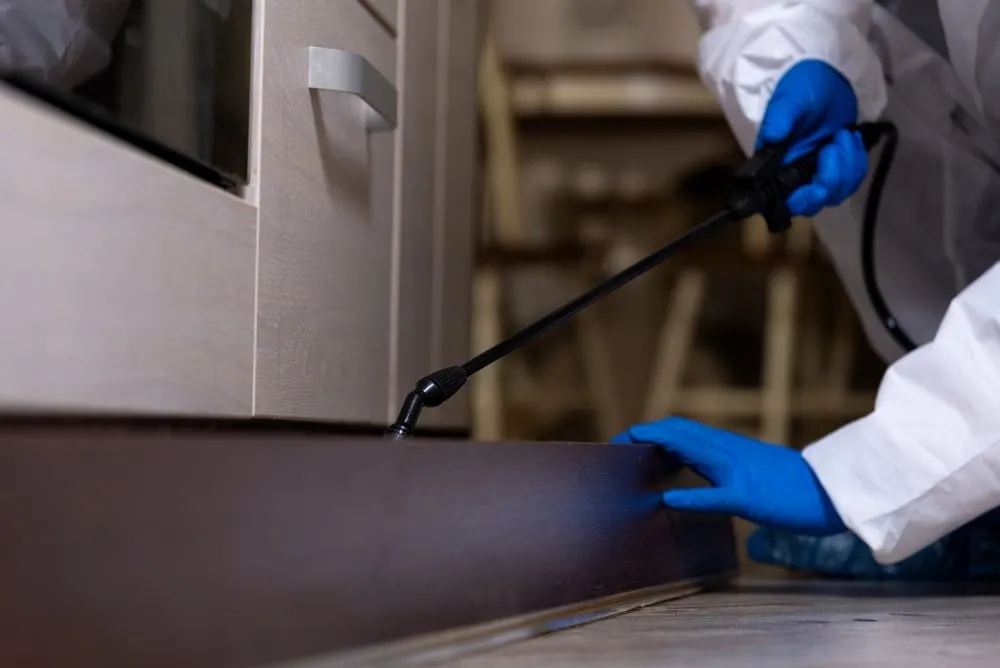
Regular inspections of wooden floors are essential to check for termite damage. Termites can cause significant structural damage to timber flooring, compromising its integrity and reducing its lifespan.
By installing termite barriers, homeowners can provide an extra layer of protection against these destructive pests. Termite barriers create a physical or chemical barrier that prevents termites from accessing the timber flooring and causing damage.
They act as a deterrent, offering peace of mind knowing that your investment is well-protected. Building inspectors, engineers, architects, and pest inspectors can also recommend the appropriate type of termite barrier based on your property’s specific needs.
Concrete slab and decay
Regular underfloor inspections are crucial for protecting your investment in timber flooring. One important aspect to assess during these inspections is the condition of the concrete slab.
Over time, concrete slabs can deteriorate due to factors such as water damage and decay. Detecting any signs of decay early on allows you to take prompt corrective measures, preventing further damage to your wooden floor and preserving its structural integrity.
By addressing issues with the concrete slab promptly, you can ensure the longevity and durability of your timber flooring.
Preventive Measures: Protecting Your Wooden Floor from Damage
To protect your wooden floor from damage, there are several preventive measures you can take. Regular cleaning is essential to remove dirt and debris that can scratch or wear down the surface.
Using protective pads and rugs under furniture legs can prevent scratches and dents. Controlling humidity levels in your home helps avoid the warping or shrinking of the wood. Applying UV protection to windows and doors reduces sun damage on your floors.
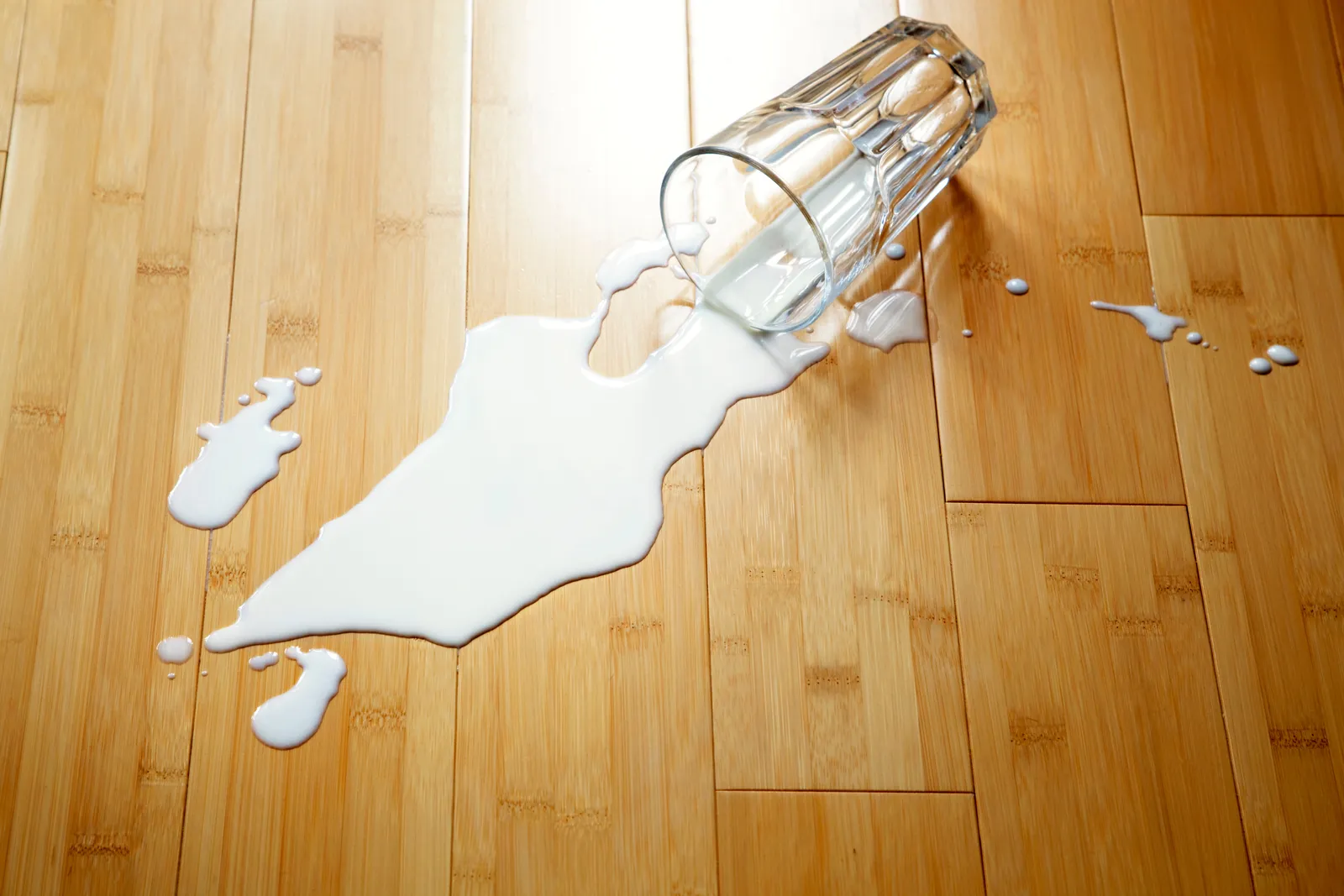
Avoid using harsh chemicals or abrasive tools that can strip away the finish. Finally, addressing spills promptly prevents moisture from seeping into the wood and causing damage.
Avoid harsh chemicals and abrasive tools
We strongly advise against using harsh chemicals and abrasive tools when caring for your timber floor. These substances can cause irreparable damage to the surface and finish of your flooring, leading to costly repairs or refinishing.
Instead, opt for gentle cleaning solutions specifically designed for timber floors. Additionally, avoid using abrasive tools such as steel wool or scrub brushes that can scratch and wear down the surface of the wood.
By taking these precautions, you’ll ensure that your timber floor stays beautiful and in excellent condition for years to come.
Promptly addressing spills
When spills occur on your timber floor, it’s important to address them promptly. Acting quickly can prevent the liquid from seeping into the wood and causing damage. Simply wipe up the spill with a clean cloth or paper towel, ensuring that you remove all traces of moisture.
This will help to protect your investment by preventing stains, warping, or potential rotting of the flooring. Remember, even small spills can have long-lasting effects if left unattended.
So be proactive in addressing any spills to keep your timber floor looking beautiful and in top condition for years to come.
Corrective Measures: Restoring and Refinishing Your Wooden Floor
Restoring and refinishing a wooden floor is a meticulous process that can breathe new life into your living space. To embark on this journey effectively, the first step is a thorough assessment of the floor’s condition to determine the extent of refinishing required.
Next, selecting the right finish is crucial, as it should align with the type and condition of your specific timber flooring. Once you’ve made the choice, the process entails proper sanding and preparation of the floor surface, which not only readies it for the new finish but also helps enhance its overall appearance.
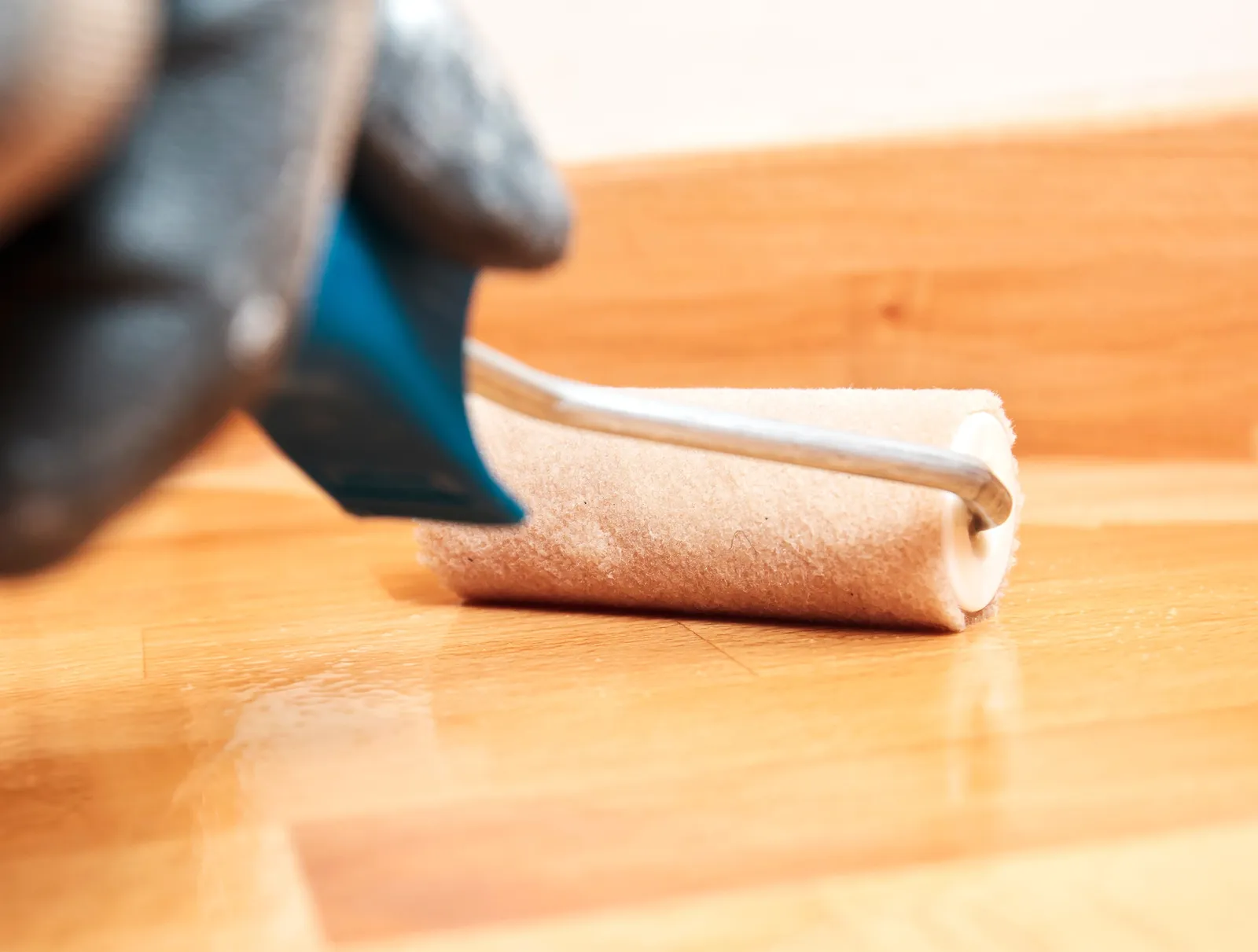
The final step in this rejuvenating process is applying a protective finish. This critical layer acts as a shield, safeguarding the beauty and durability of your wooden floor against everyday wear and tear. By following these steps diligently, you not only restore the floor’s original lustre but also ensure that it stands the test of time, offering both visual appeal and structural integrity for years to come.
Assessing the need for refinishing
Assessing the need for refinishing your wooden floor is an important step in maintaining its appearance and durability. Over time, the protective finish on your floor can wear down, leaving it vulnerable to scratches, stains, and other damage.
By regularly inspecting your floor’s condition, you can determine whether refinishing is necessary. Look for signs such as faded areas or deep scratches that cannot be buffed out. Additionally, if water spills no longer bead up on the surface or if cleaning no longer restores its shine, these are indications that refinishing may be needed.
Taking the time to assess and address any issues will help extend the life of your timber flooring and keep it looking beautiful for years to come.
In assessing the need to refinish your wooden floor, it’s important to consider certain factors that may impact its appearance and integrity. Keep an eye out for worn spots or discolouration caused by heavy foot traffic or exposure to sunlight.
These can indicate a loss of protective coating and may require refinishing to restore its original lustre. It’s also crucial to check for cracks in the wood or gaps between boards as they can trap dirt and moisture over time, leading to further damage if left unaddressed.
Choosing the right finish
Choosing the right finish for your timber floor is essential to protect it from wear and tear and enhance its beauty. There are various options available, including oil-based finishes, water-based finishes, and polyurethane coatings.
Oil-based finishes provide a warm and natural look, while water-based finishes offer quick drying times and low odour. Polyurethane coatings are known for their durability and resistance to scratches.
Consider the level of foot traffic in your space and whether you prefer a glossy or matte appearance when selecting the finish that best suits your needs.
Proper sanding and preparation
Proper sanding and preparation are crucial steps in restoring and refinishing your wooden floor. Sanding helps to smooth out any imperfections, remove old finishes, and create a clean surface for staining and applying a protective finish.
It is important to use the right type of sandpaper and to follow the grain of the wood when sanding. Additionally, proper preparation includes thoroughly cleaning the floor before starting the sanding process.
This ensures that there is no dust or debris that could interfere with the finishing process. By taking these steps, you can achieve a beautifully restored wooden floor that will last for years to come.
Staining the wooden floor
Staining the wooden floor can enhance its natural beauty and protect it from wear and tear. By applying a stain, you can add depth and richness to the wood while also providing an extra layer of protection against scratches and UV damage.
It’s important to choose a stain that complements the colour and grain of your timber floor, as well as one that is specifically formulated for use on hardwood. Before beginning the staining process, make sure to properly prepare the surface by sanding it smooth and cleaning away any dust or debris.
Then, apply the stain using a brush or cloth in even strokes, following the grain of the wood. Allow the stain to fully penetrate before wiping away any excess residue. Finally, seal your stained floor with a protective finish to ensure long-lasting durability and shine.
Applying a protective finish
Applying a protective finish is crucial for ensuring the longevity and durability of your timber floor. A protective finish acts as a barrier against scratches, water damage, UV rays, and everyday wear and tear.
By sealing the surface of your wooden floor, you can prevent dirt and debris from penetrating the wood grain. This not only helps maintain the appearance of your flooring but also makes it easier to clean and maintain.
Whether you choose an oil-based or water-based finish, make sure to follow the manufacturer’s instructions for application and drying times. Remember that regular maintenance such as cleaning and refinishing will help extend the life of your timber floor even further.
Additional Tips for Double Protection of Your Wooden Floor
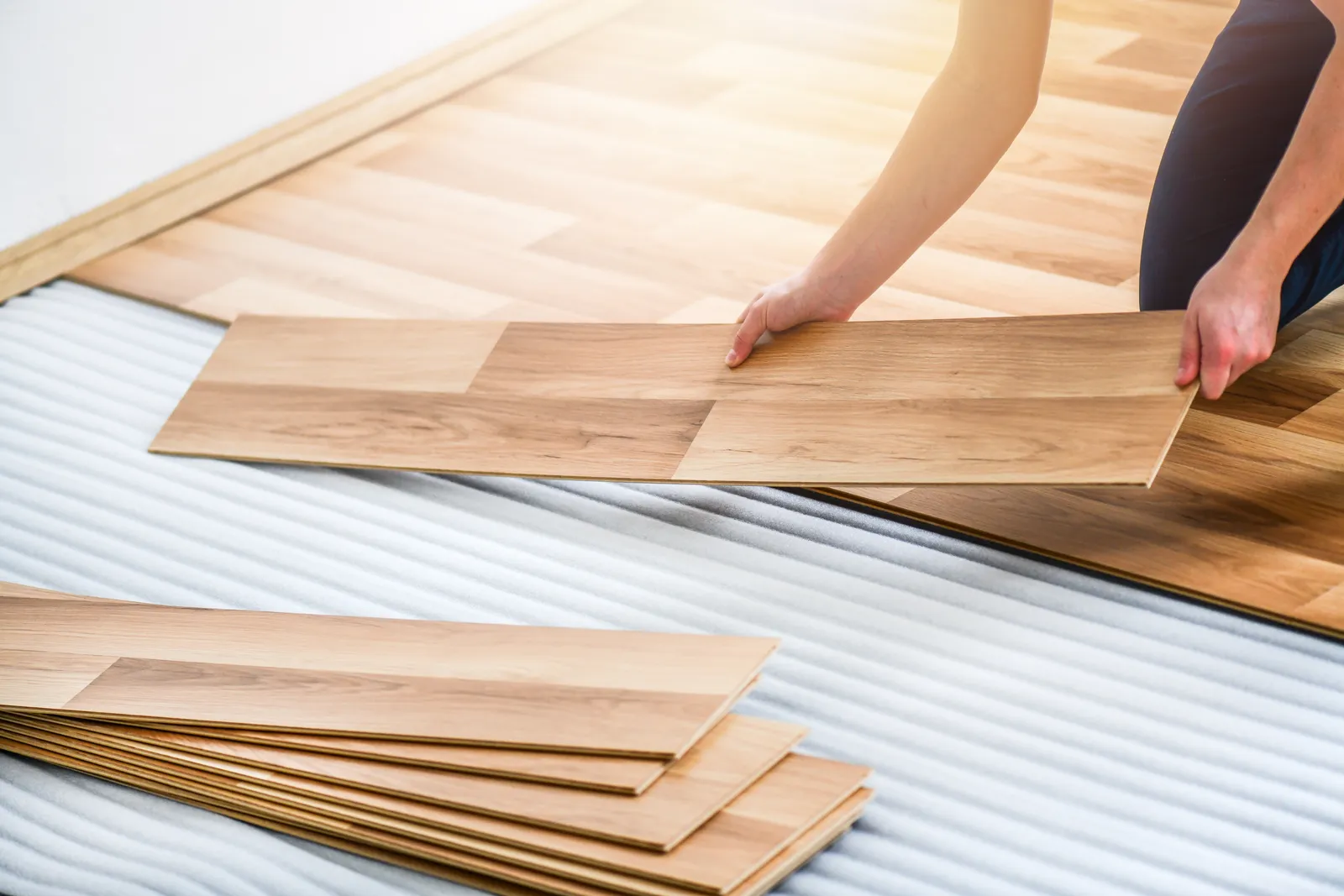
Investing in high-quality materials is the foundational step in ensuring the longevity and performance of any aspect of your property, from flooring to fixtures. However, the journey to long-lasting durability doesn’t end with materials alone.
Equally important is hiring professionals for installation and ongoing maintenance, as their expertise and attention to detail can make all the difference in the final outcome. Regular inspections are proactive measures that help in identifying potential problems early on, allowing you to take prompt action to prevent them from becoming more significant and costly issues.
Coupled with this is the significance of practising proper care and maintenance tailored to the specific materials or systems in your property. Lastly, addressing any issues or needed repairs promptly is the linchpin in the chain of ensuring your investment remains not only functional but also retains its value over time. These principles collectively form the recipe for a well-preserved and enduring investment in your property.
Investing in high-quality materials
Investing in high-quality materials is essential for ensuring the longevity and durability of your timber floor. By choosing top-notch materials, such as hardwood or engineered wood, you can have peace of mind knowing that your investment will withstand daily wear and tear.
High-quality timber floors are more resistant to scratches, dents, and fading from sunlight exposure. They also offer better stability and are less prone to warping or buckling over time.
Moreover, premium materials often come with longer warranties, protecting your investment even further. So when it comes to timber flooring, don’t compromise on quality – it’s an investment that pays off in the long run.
Professional installation and maintenance
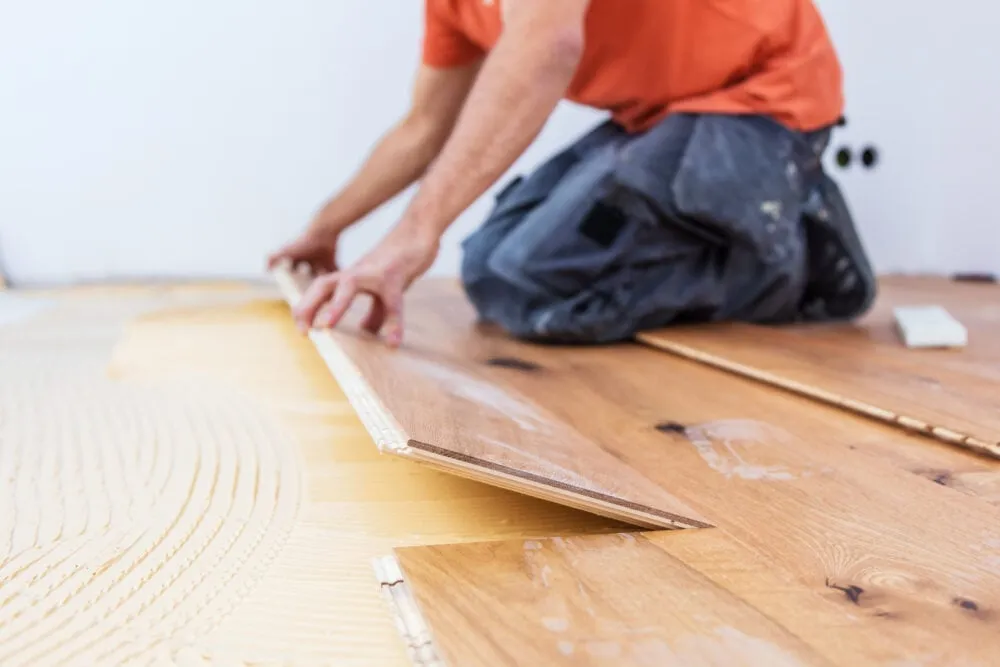
Professional installation and maintenance are crucial for ensuring the longevity and durability of your timber floor. By hiring experienced professionals, such as building inspectors, engineers, and interior design specialists, you can be confident that your floor will be installed correctly and according to industry standards.
They have the expertise to identify potential issues and address them before they become major problems. Regular maintenance by professionals, including architects and pest inspectors, is also essential in preserving the condition of your timber floor.
This includes routine inspections to detect any signs of termite damage or water leaks that could compromise the integrity of your floor. With professional installation and ongoing maintenance, you can protect your investment in a timber floor for years to come without worries about its stability or appearance.
Regular inspections
Regular inspections are a crucial part of protecting your investment in timber flooring. Whether you’re a homeowner, building inspector, or real estate agent, regular inspections help ensure the long-term durability and stability of your wooden floors.
By conducting regular inspections, you can identify any signs of termite damage, water leaks, or decayed floor bearers before they become major issues. These inspections can also provide valuable insights into the overall condition of your property’s structural components and help prevent costly repairs down the line.
Remember that investing in regular inspections is an investment in the longevity and value of your timber floors.
In addition to preventive measures like routine cleaning and prompt addressing of spills, regular inspections play a vital role in maintaining the beauty and integrity of your timber floors.
By proactively identifying any potential problems through thorough underfloor assessments, you can address issues promptly and extend the life of your floors significantly. Working with professionals who specialise in floor inspection services ensures that potential risks are identified early on so that necessary corrective measures can be taken swiftly.
Proper care and maintenance
To ensure the longevity and beauty of your timber floor, it is essential to provide proper care and maintenance. Regular cleaning should be done by wiping the floors in the same direction as the wood grain to remove dirt from cracks and crevices.
Using protective pads and rugs can prevent scratches caused by furniture or high foot traffic. Keeping a controlled humidity level in your home helps prevent the warping or shrinking of the wooden planks.
Applying UV protection can also safeguard against sun damage. Avoid using harsh chemicals or abrasive tools that could damage the finish of your floor. Promptly addressing spills prevents moisture from seeping into the wood and causing potential damage.
Addressing issues promptly
We understand the importance of addressing issues promptly when it comes to protecting your timber floors. Whether you’re a homeowner, building inspector, engineer, architect, interior design specialist, real estate agent, pest inspector, or legal office personnel, timely action is crucial in maintaining the integrity and longevity of your investment.
By promptly addressing issues such as water leaks or termite damage, you can prevent further damage and potentially costly repairs. Regular inspections and a proactive approach will ensure that any problems are identified early on and dealt with swiftly.
Remember that taking prompt action is key to extending the life of your timber floors and preserving their beauty for years to come.
Call Us!
Regular timber floor inspections are crucial for protecting your investment. From checking the stability of supports and foundations to detecting termite damage, these inspections ensure the longevity of your wooden floors.
By implementing preventive measures and addressing issues promptly, you can extend the life of your floors and maintain their beauty for years to come. Don’t overlook the importance of regular inspections in safeguarding your investment.