

It’s every homeowner’s least welcome discovery: the pitter-patter and gnawing of rodent guests who have made themselves at home without invitation. These unwelcome tenants can be more than just a nuisance, they can pose serious risks to both the health of residents and the integrity of the building itself.
Identifying the presence of these stealthy invaders is a critical step in reclaiming the sanctity of your space. Through building inspections, experts can detect telltale signs of rodent occupancy, from droppings in the dark corners of a basement to the subtle damage within walls. These signs are often insidious, and easy to overlook during a casual once-over.
A comprehensive approach by skilled professionals can illuminate even the most concealed of infestations, leading to swift and decisive action. Let’s explore how thorough inspections can bring the signs of a rodent infestation to light and restore order to your property.
Key Takeaways
- Rodent infestation is a serious concern due to property damage and the spread of diseases.
- Regular building inspections are crucial for identifying signs of rodent activity and potential entry points.
- Taking preventive measures, such as promptly disposing of food scraps and blocking entrances, can help avoid rodent infestations.
- Chemical control methods and trapping techniques can effectively eliminate rodents from buildings.
Understanding Rodent Infestation
Rodent infestations within buildings present a serious concern, not only for structural integrity but also for public health, due to the variety of diseases these pests are known to carry and transmit. Common culprits such as rats and mice are adaptable creatures, capable of nesting in a broad range of areas from basements and attics to hidden spaces within walls and voids.
These rodents often leave behind a trail of evidence, including droppings, gnaw marks, and greasy rub marks, which are critical to recognise for early detection. Acknowledging the significance of these signs is vital for homeowners and building managers to swiftly initiate control measures and prevent further proliferation.
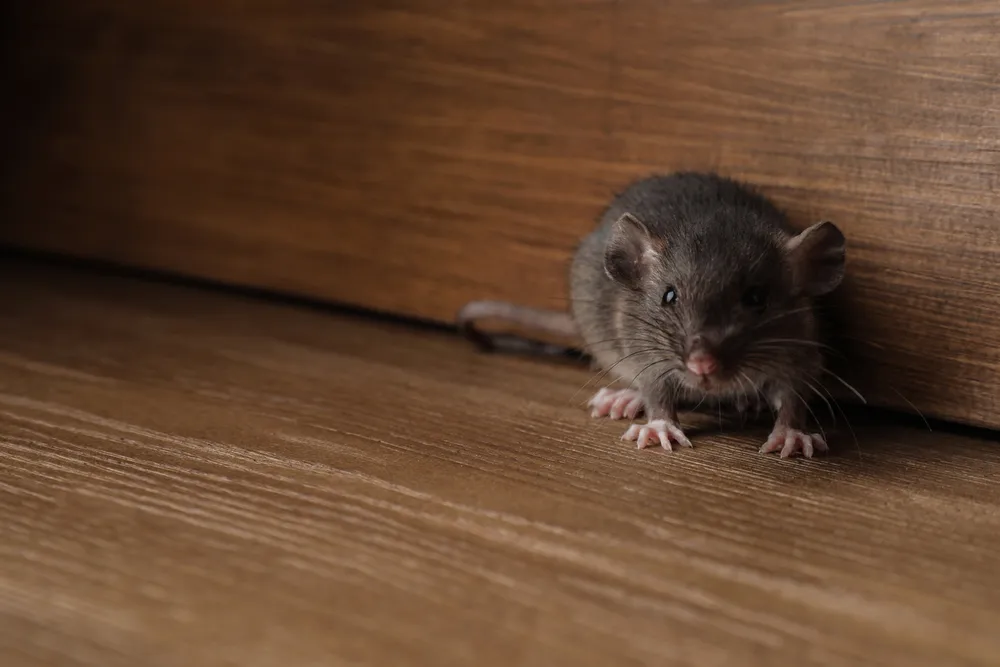
Why it is a concern
Rodent infestation is a significant concern due to several reasons, including property damage and disease spread. These unwelcome tenants can chew through walls and wires, leading to damages that can be costly to repair.
They also pose a serious health risk as they carry diseases such as Hantavirus, Rat-Bite Fever, or Salmonella which can easily transfer to humans directly or indirectly. Food contamination is another worry with rodents around since they often venture into kitchens in search of meals.
Likewise, animal feed may not escape from their intrusion either. In cases where these pests invade common properties within strata communities or rental properties, the responsibility for pest control can become complex causing tensions among residents.
Types of rodents
Several types of rodents can infest buildings and cause a lot of trouble. The most common ones include rats, mice, and squirrels. These pests are known for their ability to chew through materials like wood, wires, and insulation, leading to property damage and potential fire hazards.
They can also contaminate food sources with their droppings and urine, posing health risks to humans. It is important to be aware of the different types of rodents so that you can properly identify them and take appropriate measures to prevent or eliminate an infestation.
Where they live
Rodents can make themselves at home in a variety of places. They are known to nest in attics, basements, and wall voids, as well as under floorboards and in crawl spaces. These sneaky pests are also fond of cluttered areas such as garages and sheds.
It’s important to remember that rodents are highly adaptable creatures, so they can find shelter just about anywhere. Whether it’s a residential property or a commercial building, no space is off-limits for these unwelcome tenants.
Regular inspections are crucial for identifying their hiding spots and taking swift action to prevent infestations from spreading further.
Recognising signs of activity
We can easily identify signs of rodent activity in buildings. Look for droppings, which are small and dark in colour. Another sign is chew marks on walls, furniture, or electrical wires.
Rodents also leave behind grease marks along their regular paths. Pay attention to strange noises like scratching or scampering sounds coming from within walls or ceilings. If you spot nests made of shredded materials, such as paper or fabric, it’s likely a rodent infestation.
Finally, keep an eye out for any strong odours that could indicate the presence of rodents.
Prevention and Control
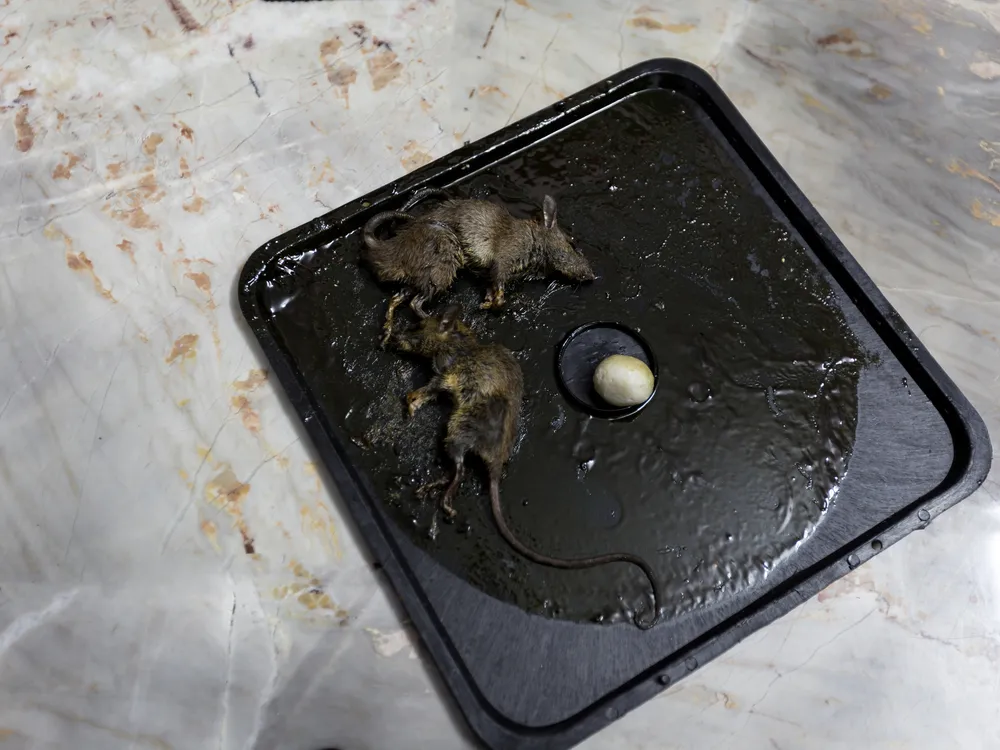
Avoiding a rodent infestation
To avoid infestations of rodents on your property, it is important to take preventive measures. Start by promptly disposing of food scraps to prevent attracting rodents. Make sure to block any potential entrances that rodents can use to enter living and working areas.
Conduct thorough inspections for cracks and openings where rodents can squeeze through. By taking these proactive steps, you can help minimise the risk of rodent infestations in your building.
Preventing rodent infestations also involves comprehensive pest control measures. Regular inspections should be conducted to identify any signs of rodent activity in the building. This will allow for prompt action and effective rodent control methods to be implemented if needed.
Protecting yourself
To protect yourself from rodent infestation, it is essential to take proactive measures. This includes promptly disposing of food scraps to prevent attracting rodents and blocking potential entrances in your living and working areas.
Thoroughly inspect your property for cracks and openings that could serve as entry points for rodents. By being vigilant and taking these preventive steps, you can significantly reduce the risk of a rodent infestation in your home or workplace.
Chemical control
To effectively control rodent infestations, chemical control methods can be used. These methods involve the use of pesticides and rodenticides to eliminate rats and mice from your property.
When using chemical control, it is important to follow safety guidelines and use products specifically designed for rodent control. Applying these chemicals in areas where rodents are active, such as their nesting sites or entry points, can help eradicate them from your building.
Regular inspections and the proper application of chemical controls can significantly reduce the presence of rodents in your home or workplace.
Trapping
To effectively control rodent infestations, trapping is an important method to consider. Using traps allows you to physically catch and remove rats or mice from your property. There are different types of traps available, such as snap traps and glue traps.
Place these traps in areas where you have noticed signs of rodent activity, like droppings or gnaw marks. Make sure to check the traps regularly and dispose of any captured rodents promptly.
Trapping can be a proactive measure to prevent further damage and ensure the safety and hygiene of your building.
Importance of Regular Inspections

How inspections help identify infestations
During building inspections, trained professionals thoroughly assess the property for signs of rodent infestations. We inspect every nook and cranny, checking for cracks and openings that rodents can use as entrances.
By conducting these inspections regularly, we can identify any signs of rodent activity early on. This allows us to take prompt action to prevent further damage and potential health risks.
If you suspect an infestation in your home or rental property, don’t hesitate to contact us for a comprehensive inspection and effective rodent control solutions.
The rodent control process
We implement a thorough rodent control process to ensure that your property remains free from these pests. Our team conducts comprehensive inspections, carefully examining every nook and cranny for signs of rodent infestation.
We block potential entrances in living and working areas, such as cracks and crevices, to prevent rodents from entering your space. If we identify any signs of rodents, we take prompt action to exterminate them using effective pest control methods.
Your safety and comfort are our utmost priority, so you can trust us to handle the rodent control process efficiently and professionally.
What to do if you suspect an infestation
If you suspect an infestation, it is essential to take immediate action. Contact a professional pest inspector or exterminator who can assess the situation and provide guidance on the best course of action.
They will conduct a thorough inspection to confirm the presence of rodents and identify any entry points they may be using. It is crucial not to delay addressing the issue as infestations can quickly escalate, causing significant damage and health hazards.
Work with the experts to implement appropriate control measures and prevent further spread within your property. Remember, early intervention is key in effectively dealing with rodent infestations.
Call Us!
Regular building inspections play a crucial role in identifying rodent infestations. By thoroughly assessing the property for signs of rodent activity and potential entrances, we can take prompt action to prevent these unwelcome tenants from causing damage and spreading disease.
With proper pest control measures in place, we can ensure that our homes and buildings remain safe and free from vermin infestations. So don’t underestimate the importance of regular inspections when it comes to keeping rodents out!
Penrith Building Inspections
Keep Reading

Rental Inspections
How Rental Inspections Help Maintain Your Property Value
Learn how regular rental inspections can help you preserve and enhance the value of your property investment.
Read More →
Dilapidation Inspections
Dilapidation Inspection: An Indispensable Part of Building Inspection
Learn how dilapidation inspections are key in building projects to safeguard property conditions and manage risks.
Read More →
Pest Inspections
Avoid Future Headaches: The Role of Pest Inspections in New Home Buying
Learn the key role pest inspections play in new home buying to safeguard your property and avoid costly issues.
Read More →