
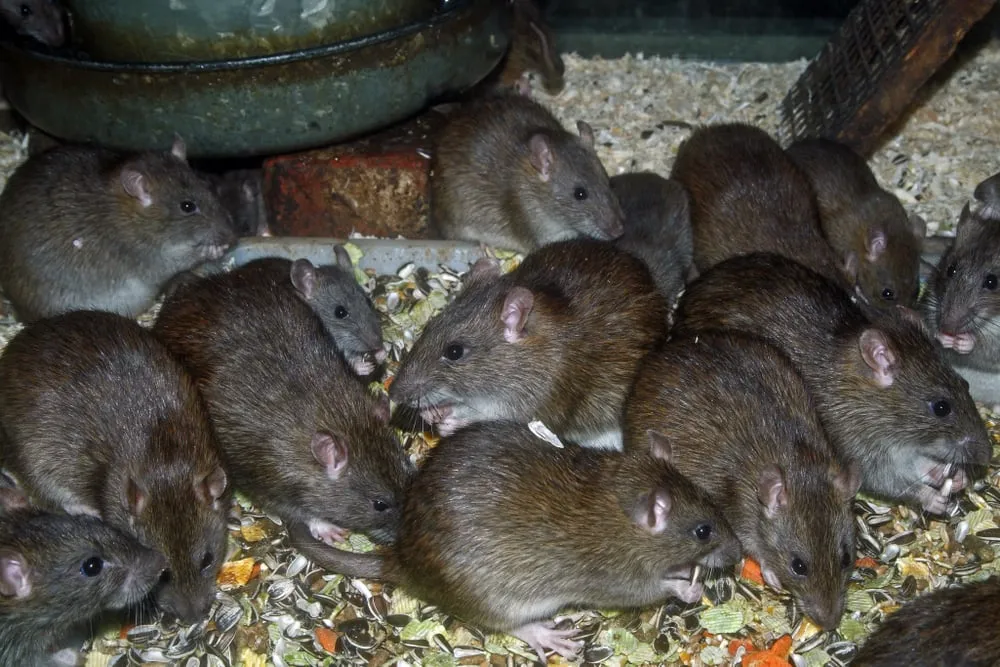
Navigating the complexities of property maintenance requires a vigilant approach, especially when it comes to thwarting the subtleties of rodent invasions. These crafty intruders can encroach upon your building, causing unseen havoc behind walls and beneath floors. Understanding the intricacies involved in detecting their presence is the first crucial step toward maintaining a rodent-free zone.
Expert inspections dive into the signs often missed by the untrained eye: gnawed wires, nesting remnants, and elusive footprints. Such thorough examinations reveal not only current issues but also potential vulnerabilities that could invite future visits.
With the right knowledge and professional guidance, striking the balance between vigilance and prevention becomes achievable. This exploration into inspections yields a roadmap to fortify your building against rodents, ensuring the longevity and safety of your cherished space.
Key Takeaways
- Signs of a rodent infestation include droppings, damage to food and property, and nesting materials.
- Proactively prevent rodents by sealing cracks and holes, eliminating food sources, maintaining cleanliness, storing firewood away from the building, keeping bins closed and vegetation trimmed, and addressing areas of dampness.
- A professional rodent inspection is important for a thorough evaluation of your building, identification of entry points and potential risks, and development of a customised treatment plan.
Signs of a Rodent Infestation
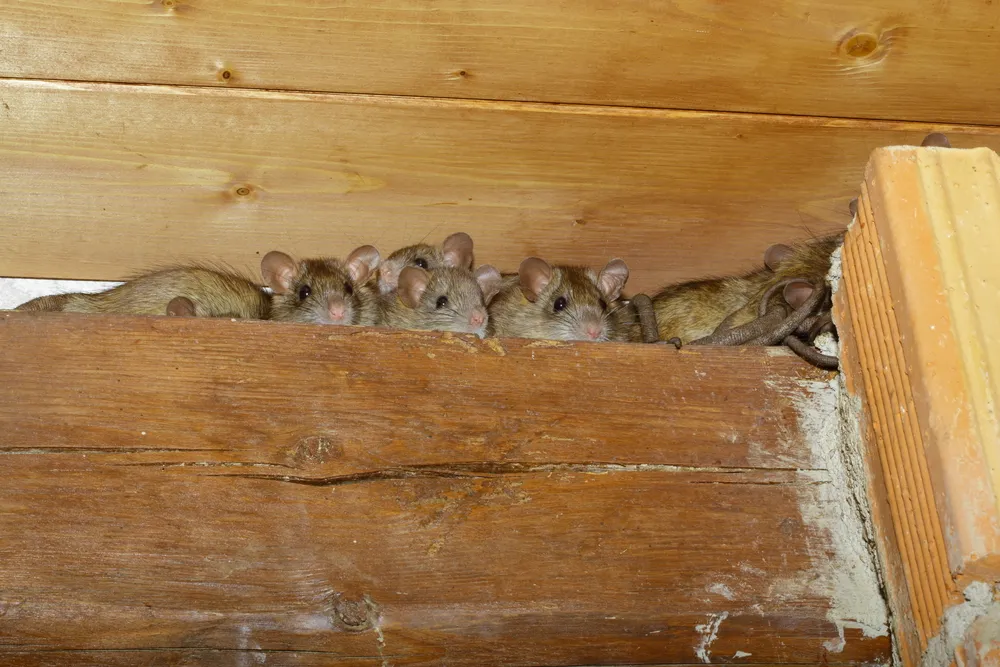
The discovery of droppings dotted along the corners of your building is a telltale indicator that rodents may have infiltrated your space. Damage to food packages or gnaw marks on furniture and interior structures serve as further evidence of these unwelcome guests taking up residence.
Shredded materials or gathered nesting remnants, often tucked away in secluded areas, are a clear signal of rodent attempts to establish a home within your walls. Such signs suggest it’s time to take action against a potential rodent infestation, as these critters can rapidly multiply and pose significant health risks.
Securing a professional inspection and implementing pest control measures swiftly can avert the escalation of the infestation and protect your property from further harm.
Droppings
As we explore the signs of a rodent infestation, droppings take centre stage. Rodents like rats and mice leave behind small, pellet-like waste material wherever they roam in your building.
These tiny pellets are usually dark brown or black. If you notice such evidence in your cupboards, pantries, drawers or other hidden places around your property, it’s a clear indication that rodents have made themselves at home.
And if these droppings appear fresh or moist rather than dry and crumbly, then you’ve got an active infestation on your hands which requires immediate attention.
Damage to food and property
Rodent infestations can wreak havoc on your food and property. These pesky critters have a knack for nibbling away at anything in their path, from stored grains to electrical wiring.
Not only can they contaminate your food with their droppings and urine, but they can also cause extensive damage to structures and belongings. Chewed wires pose a fire hazard, while gnawed furniture and insulation compromise the integrity of your building.
It’s crucial to address any signs of rodent activity promptly to prevent further harm to your valuables and keep your home or building safe.
Nesting materials
Rodents are resourceful creatures when it comes to creating their nests. They will use any available materials they can find in your building, such as shredded paper, fabric, insulation, and even cardboard.
These nesting materials not only provide a cozy home for rodents but also serve as a breeding ground for potential infestations. It’s important to address any signs of nesting materials promptly to prevent further rodent activity in your building.
How to Proactively Prevent Rodents from Entering Your Building
Seal cracks and holes
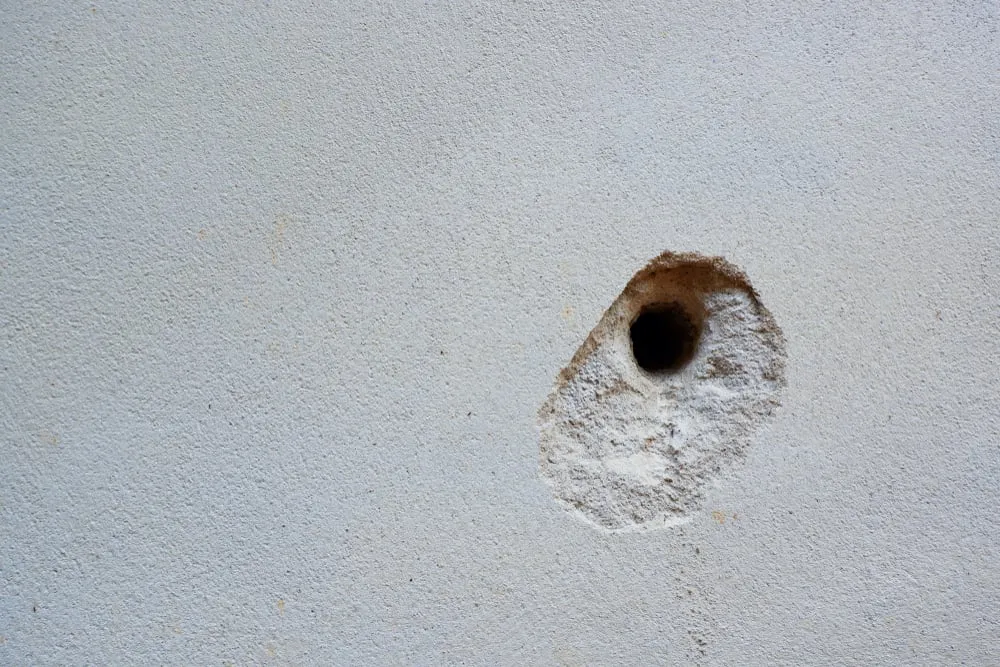
Sealing cracks and holes is a crucial step in preventing rodents from entering your building. These small openings serve as convenient entry points for rats and mice, allowing them easy access to your home or office.
By identifying and sealing these vulnerabilities, you can greatly reduce the risk of a rodent infestation. Inspect your building thoroughly, paying close attention to areas around doors, windows, vents, pipes, and utility lines.
Use materials like caulk or steel wool to seal any gaps or holes that you find. Taking this proactive measure will help keep rodents out and protect your property from potential damage.
Eliminate food sources
To keep your building rodent-free, it’s crucial to eliminate potential food sources that may attract these pesky critters. Start by ensuring that all food is securely stored in airtight containers or kept in the refrigerator.
Clean up spills and crumbs promptly, as even the smallest food particles can entice rodents into your home. Don’t forget about outdoor areas too – make sure bins are tightly closed and any pet food is stored inside overnight.
By removing these enticing food sources, you can help prevent rodents from taking up residence in your building.
In addition to proper food storage and cleanliness practices, consider removing any other potential sources of sustenance for rodents. This might include keeping vegetation trimmed around the perimeter of your building, as overgrown plants can provide hiding spots and easy access for pests.
Maintain cleanliness
Keeping your building clean is essential in preventing and controlling rodent infestations. Regularly tidying up and removing clutter can significantly reduce hiding spots for rodents.
Make sure to clean up spills promptly, store food properly, and empty garbage regularly. Additionally, regular sweeping and vacuuming help to eliminate crumbs and food debris that may attract rodents.
By maintaining cleanliness, you create a less inviting environment for rodents and reduce their chances of entering your building.
Store firewood away from the building
To prevent rodents from entering your building, it is important to store firewood away from the building. When firewood is stored next to or against the building, it provides a cozy hiding spot for rodents like rats and mice.
They can easily access your home by climbing onto the firewood and finding their way inside through small openings. By keeping the firewood at least 20 feet away from your building, you eliminate this attraction for rodents and reduce the risk of an infestation.
Additionally, make sure to keep the woodpile elevated off the ground and cover it with a waterproof tarp to further discourage pests from making a home in or near it. Remember, taking these simple precautions can go a long way in helping you maintain a rodent-free environment in your home or building.
Keep bins closed and vegetation trimmed
To prevent rodents from entering your building, it is crucial to keep bins closed and vegetation trimmed. Rodents are attracted to the smell of food waste in open bins, so keeping them securely shut will reduce the chances of infestation.
Additionally, trimming vegetation around your building removes hiding spots for rodents and makes it harder for them to access entry points. By taking these simple steps, you can significantly decrease the risk of rodent problems in your home or building.
Address areas of dampness
To keep your building rodent-free, it’s important to address areas of dampness. Rodents are attracted to moisture because it provides them with a source of water and makes for an ideal nesting environment.
Inspect your building for any leaks or areas where water may be accumulating, such as basements, crawl spaces, and bathrooms. Fixing these issues will not only help prevent rodents from entering your building but also minimise the risk of mould growth and structural damage.
Consider installing dehumidifiers or improving ventilation in areas prone to dampness to create a less inviting environment for rodents.
Maintaining dry conditions is crucial for keeping rodents at bay. Regularly check plumbing fixtures and pipes for leaks or condensation buildup. Ensure that gutters are clear of debris and functioning properly so that rainwater is directed away from the foundation of your building.
The Importance of a Professional Rodent Inspection
Enlisting the services of a professional for a rodent inspection is vital for a comprehensive assessment of your building. Experts are adept at pinpointing the subtle entry points that might be missed by the untrained eye, as well as assessing the full extent of potential infestation risks.
They leverage their specialised knowledge to devise a customised treatment plan tailored to the unique needs of your property. The expertise these professionals bring is invaluable in ensuring that your efforts to keep your building rodent-free are effective and lasting.
To understand the depth of their impact and the importance of their role, continue reading for enlightening details on professional pest management.
Thorough evaluation of your building
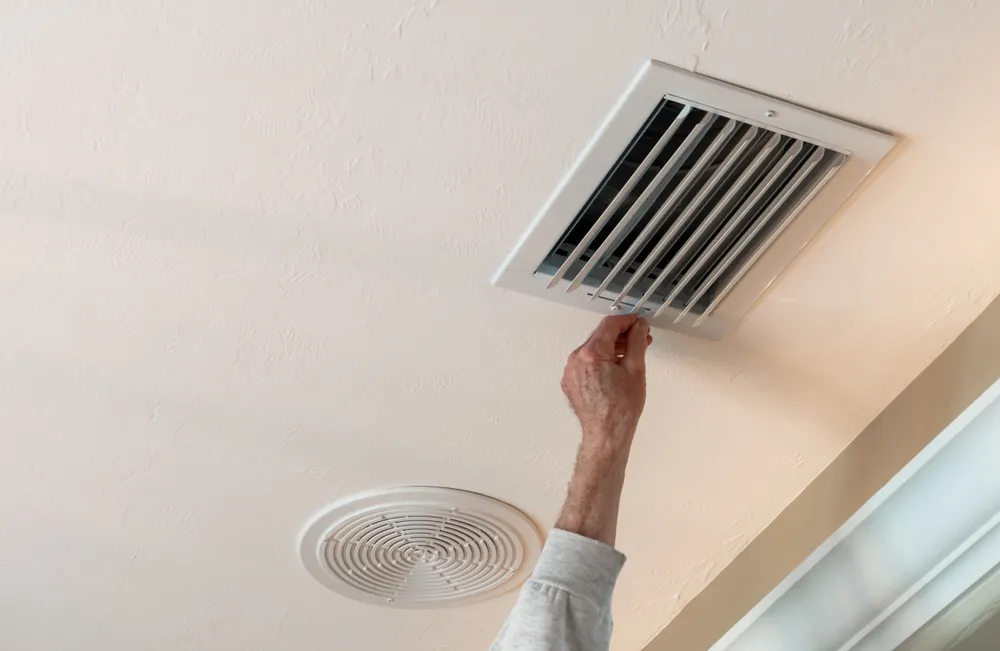
During a professional rodent inspection, our team will conduct a thorough evaluation of your building. We will carefully assess all areas where rodents may hide or gain access to your property.
Our goal is to identify any entry points and potential risks that may be attracting rodents. By examining the structural vulnerabilities of your building, we can develop a customised treatment plan to effectively eradicate the infestation and prevent future problems.
With our expertise and attention to detail, you can trust us to provide you with comprehensive pest management services for a rodent-free home or workplace.
Identification of entry points and potential risks
We thoroughly assess your building during a professional rodent inspection to identify any entry points and potential risks. Our team of experts will carefully examine areas such as cracks, holes, and gaps in the foundation or walls that rodents could exploit to gain access.
We also consider potential attractants like food sources, open bins, and overgrown vegetation near the building. By pinpointing these vulnerabilities, we can develop a customised treatment plan that focuses on blocking off access points and eliminating factors that may be attracting rodents.
Customised treatment plan
We develop a customised treatment plan based on the specific needs of your building. Our experienced pest control specialists will conduct a thorough evaluation to identify entry points and potential risks for rodent infestations.
By addressing these vulnerabilities, we can create a tailored approach to eliminate rodents and prevent future infestations. With our expertise in habitat modification, access blocking, trapping, and other extermination methods, we ensure effective rodent eradication.
Trust us to provide you with a personalised plan that addresses the unique challenges of your building while prioritising safety and long-term results.
Call Us!
Proactive measures such as sealing cracks and eliminating food sources can greatly help in preventing rodents from entering your building. However, it is also crucial to have regular professional rodent inspections.
These inspections provide a thorough evaluation of your building and identify entry points and potential risks for infestation. By taking these steps, you can ensure that your building remains rodent-free and protect the health and safety of its occupants.
Penrith Building Inspections
Keep Reading

Rental Inspections
How Rental Inspections Help Maintain Your Property Value
Learn how regular rental inspections can help you preserve and enhance the value of your property investment.
Read More →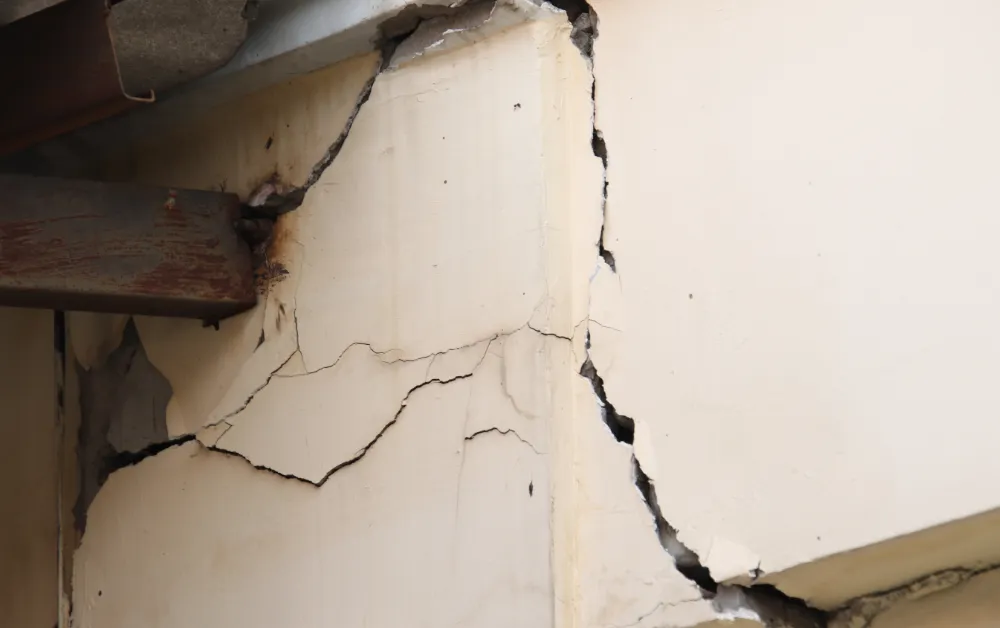
Dilapidation Inspections
Dilapidation Inspection: An Indispensable Part of Building Inspection
Learn how dilapidation inspections are key in building projects to safeguard property conditions and manage risks.
Read More →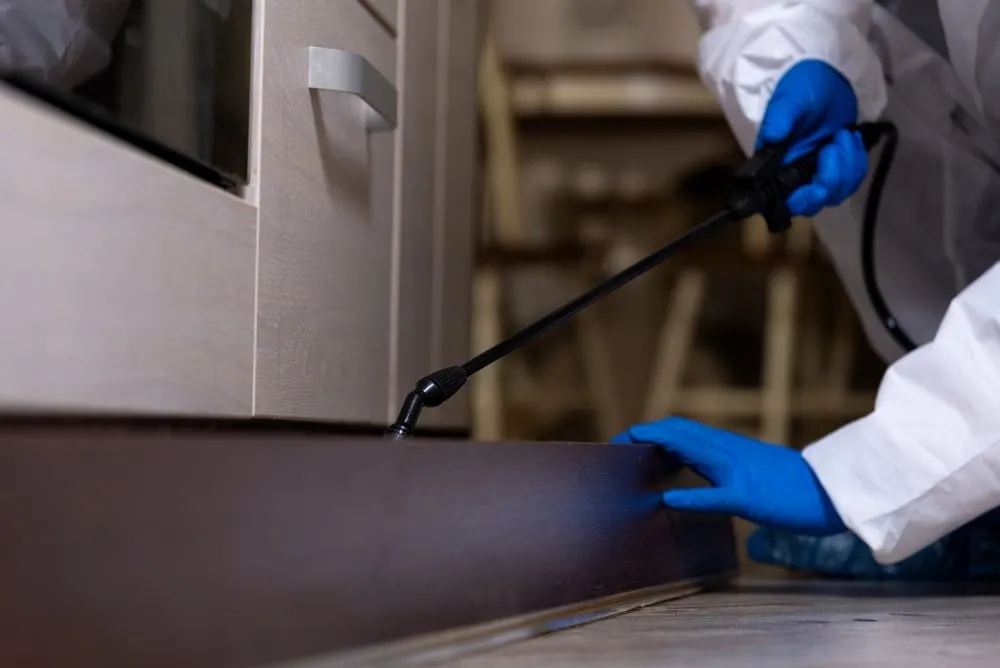
Pest Inspections
Avoid Future Headaches: The Role of Pest Inspections in New Home Buying
Learn the key role pest inspections play in new home buying to safeguard your property and avoid costly issues.
Read More →