Are you in the market for a new rental property or perhaps considering renewing your lease? In the quest for the perfect place to call home, one aspect that should never be overlooked is the safety and condition of the building you’re about to occupy. That’s where building inspections come into play. These meticulous examinations are not just formalities; they’re your ticket to ensuring a secure and well-maintained living environment.
In this insightful article, we’ll delve deep into the pivotal role that building inspections play in the realm of renting, unveiling the layers of protection they provide for both tenants and landlords. Whether you’re a prospective renter or a property owner, understanding the significance of these inspections is essential for creating and maintaining safe spaces to call home.
Key Takeaways
- Building inspections are crucial to ensure the safety and protection of tenants in rented properties.
- Landlords must obtain permission from tenants before conducting building inspections, respecting their rights and privacy throughout the process.
- Routine inspections help maintain a safe living environment by identifying maintenance or repair issues promptly.
Importance of Securing “Safe Spaces”
Building inspections for tenanted properties hold immense significance as they form the backbone of a secure and harmonious rental experience. Primarily, these inspections are vital for ensuring the safety and well-being of tenants by identifying and rectifying potential hazards or structural issues promptly.
Moreover, they play a pivotal role in preserving the overall condition of the property, safeguarding the landlord’s investment, and upholding the value of the rental asset over time.

By conducting regular building inspections, landlords can address maintenance concerns proactively, preventing minor issues from snowballing into costly repairs or safety hazards.
In essence, these inspections create a win-win scenario, fostering a conducive environment for tenants to thrive while preserving the property’s integrity and value for property owners.
Tenant’s rights and protection
Tenants have specific rights when it comes to building inspections. These rights protect their privacy and ensure that they live in a safe environment. As landlords, we must respect these legal entitlements at all times.
Our tenants are legally entitled to receive proper notice before an inspection occurs, typically seven days for routine inspections or 24 hours if repairs or maintenance need addressing.
We also can’t simply show up without permission; this is considered trespassing by law. Equally important is the tenant’s right to live in a property that meets minimum safety standards like functioning smoke alarms, secure door locks and sound structural integrity among others.
This means we should perform regular checks and promptly address any identified issues as part of our responsibilities as landlords, ensuring our properties remain habitable and risk-free zones for renters.
Steps to gaining access to building inspections
To ensure the safety and compliance of a tenanted property, building inspections are crucial. However, gaining access to these inspections can sometimes be challenging. As responsible landlords or property managers, it is important to follow certain steps to obtain permission from tenants.
Firstly, communication is key – approach your tenant politely and explain the reasons for the inspection. Emphasise that it is not an invasion of their privacy but rather a necessary step to ensure their safety and well-being.
Secondly, provide sufficient notice in line with rental regulations – typically 24-48 hours in advance. This allows tenants to prepare for the inspection and make any necessary arrangements if needed.
Lastly, if a tenant refuses access without reasonable grounds, it may be necessary to seek legal advice or mediation services in order to resolve the issue amicably.
Getting the tenant’s permission
To conduct a building inspection on a rented property, it is crucial to obtain the tenant’s permission. This ensures that their rights and privacy are respected throughout the process.
Building inspections may be viewed as invasive by tenants, especially when potential buyers are involved. However, with proper communication and transparency between landlords and tenants, obtaining permission for inspections can be a smooth process.
It is important to address any concerns or questions they may have to maintain a positive landlord-tenant relationship while ensuring the safety and maintenance of the property.
Dealing with tenant refusal
When a tenant refuses to grant access to a building inspection, it can create challenges for both landlords and property managers. However, it’s important to handle this situation professionally and in accordance with the rental agreement.
We understand that tenants may have concerns about their privacy or inconvenience, but it is essential to communicate the purpose and benefits of the inspection clearly. Explaining how the inspection ensures their safety and well-being can help address any resistance.
Additionally, offering flexibility in scheduling and finding a mutually convenient time can help alleviate their concerns. Ultimately, open communication and respectful negotiation are key to dealing with tenant refusal effectively.
Proper organisation of building inspections
When organising building inspections for tenanted properties, it is important to ensure clear communication and coordination between all parties involved. This includes the tenant, landlord, property manager, and any necessary inspectors.
Providing advance notice of the inspection to the tenant is crucial and should be done in accordance with local regulations. It is also essential to respect the privacy of the tenant during the inspection process.
By properly organising these inspections, potential issues can be identified early on and necessary repairs or maintenance can be addressed promptly.
Landlord and Tenant Responsibilities for Property Safety

In the realm of rental properties, a shared commitment to safety lies at the heart of landlord and tenant responsibilities. Both parties bear the crucial duty of upholding the security and well-being of the rented premises.
Landlords are responsible for tasks such as maintaining pool and spa fences to prevent accidents, anchoring furniture to mitigate the risk of tipping, and installing smoke alarms to promptly alert occupants to potential fire hazards. Tenants, on the other hand, play an active role in meeting minimum security standards by ensuring doors and windows are properly secured and reporting any security concerns to the landlord promptly.
By adhering to these responsibilities, landlords and tenants create a safe and secure living environment that benefits everyone involved. This shared commitment not only safeguards lives and property but also fosters a sense of trust and cooperation, contributing to a positive and harmonious rental experience.
Pool and spa fences
Ensuring the safety of pool and spa areas in rental properties is crucial. Australian regulations require landlords to have appropriate fencing installed to prevent accidents and protect tenants.
This includes maintaining a fence height of at least 1.2 meters, ensuring there are no gaps larger than 10cm between fence panels, and having self-closing gates with latches that are out-of-reach for young children.
Regular inspections should be conducted to check for any damage or non-compliance with these safety standards, as pool and spa areas can pose significant risks if not properly secured.
Corded internal window coverings
Corded internal window coverings can pose a safety risk, especially in rental properties. These cords may cause strangulation hazards for young children or pets if they become entangled.
As part of building inspections, it is important to ensure that these window coverings are installed correctly and meet the necessary safety standards. Landlords should consider replacing corded blinds with safer alternatives such as cordless blinds or those with inaccessible cords.
By addressing this issue, we can create safer living environments for tenants and prevent unnecessary accidents.
Anchoring of furniture
We understand the importance of ensuring the safety and security of rental properties. One crucial aspect that needs attention is the anchoring of furniture. It is essential to secure heavy furniture items, such as bookcases and dressers, to prevent them from tipping over and causing injuries or damage.
This is especially important in homes with young children or in earthquake-prone areas. By properly anchoring furniture, we can help create a safe living environment for tenants and minimise potential risks.
Minimum security standards
Ensuring minimum security standards in rental properties is crucial for the safety and well-being of tenants. Landlords have a responsibility to meet these standards, which include measures such as door locks, smoke alarms, and proper anchoring of furniture.
These standards aim to prevent accidents and protect tenants from potential hazards. Routine property inspections play a vital role in ensuring that these security standards are being met.
During inspections, landlords can identify any breaches of the rental agreement related to security measures and take appropriate action. By prioritising minimum security standards, we create safer living spaces for renters across Australia.
Meeting minimum security standards not only benefits tenants but also landlords. By maintaining a secure rental property, landlords can attract and retain responsible tenants who value their safety.
Additionally, adhering to these regulations helps landlords avoid legal issues or fines related to non-compliance with building codes and regulations. It is important for all parties involved in the renting process – homeowners, building inspectors, engineers, and architects – to understand the significance of minimum security standards and work together to maintain safe living environments for renters throughout Australia.
Smoke alarms
Smoke alarms are a crucial component of rental property safety. They play a vital role in detecting and alerting occupants to the presence of smoke or fire, allowing for quick evacuation and potentially saving lives.
It is the responsibility of landlords to ensure that smoke alarms are installed correctly and working properly at all times. Regular maintenance and testing should be carried out to help ensure their effectiveness.
By prioritising smoke alarm functionality, landlords can provide a safer living environment for tenants while complying with rental property regulations concerning fire safety standards.
Balconies and decks
We must pay careful attention to the safety and maintenance of balconies and decks in rental properties. These outdoor spaces can provide a wonderful addition to a home, but they also present certain risks.
It is crucial that landlords ensure that all balcony railings are secure and meet the necessary height requirements to prevent accidents. Regular inspections should be conducted to identify any signs of deterioration or damage, such as loose boards or rotted wood.
By addressing these issues promptly, we can create safe and enjoyable outdoor areas for tenants to use.
Routine Inspections and Their Purpose
Routine inspections stand as a cornerstone of effective property management, encompassing multifaceted roles vital to maintaining rental properties. These inspections are instrumental in confirming that rental properties consistently meet minimum standards, promoting the safety and comfort of tenants. They also serve as a proactive measure to identify any maintenance or repair issues promptly, preventing minor concerns from escalating into major and costly problems.
Furthermore, routine inspections offer a transparent platform for communication between landlords and tenants, fostering trust and accountability in the rental relationship.
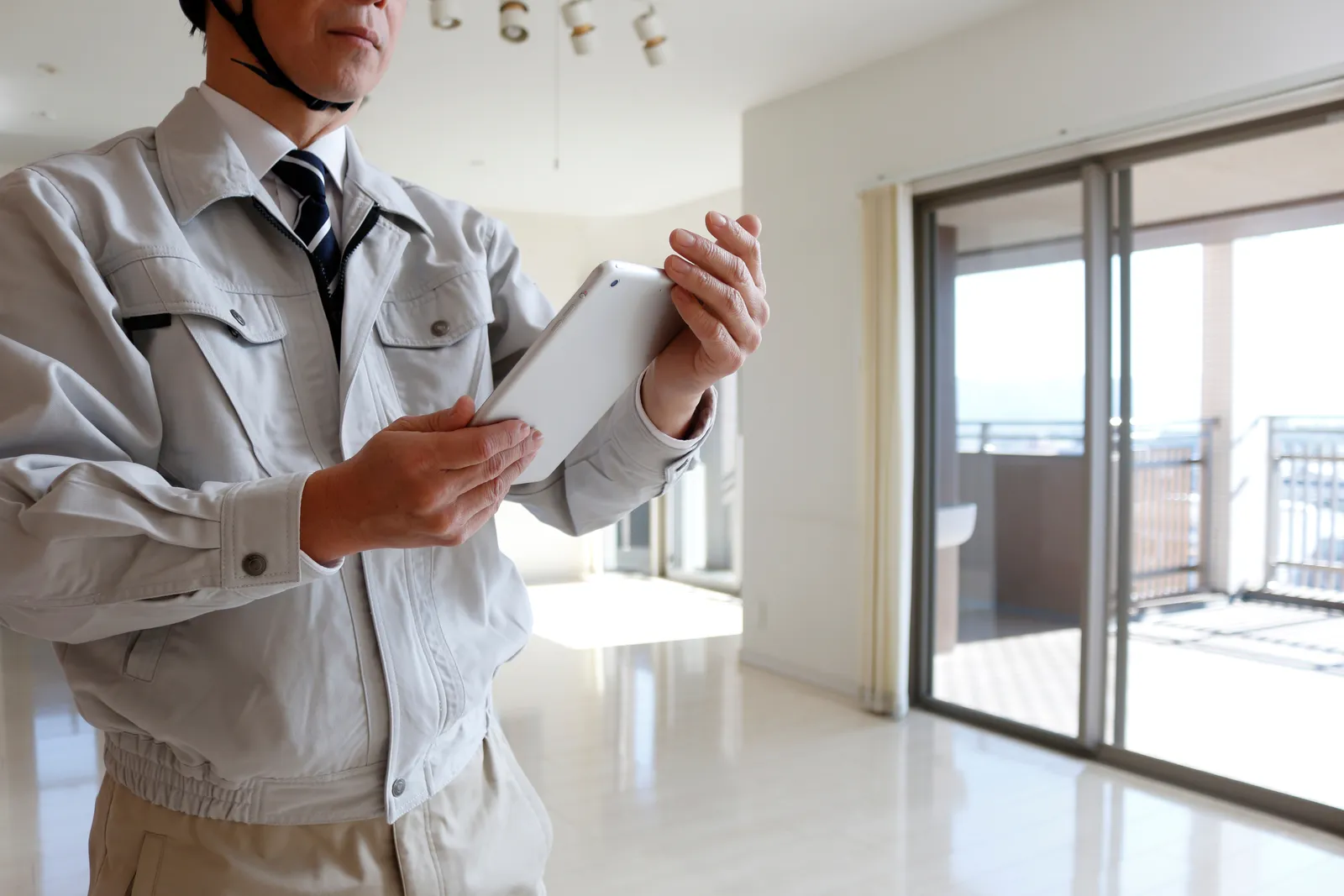
By conducting these assessments regularly, property managers can not only uphold property standards but also enhance the overall rental experience, ensuring both landlords and tenants are satisfied and confident in their roles within the rental arrangement.
Definition and frequency of routine inspections
Routine inspections are an important part of renting a property and ensuring the safety and maintenance of the premises. These inspections involve regular visits to the rental property by either the landlord or a property manager, typically occurring every three to six months.
During these inspections, the condition of the property is assessed to ensure that it meets minimum standards and that any necessary repairs or maintenance can be identified and addressed promptly.
The frequency of routine inspections may vary depending on state regulations, but they serve as an essential tool for both landlords and tenants in maintaining a safe and well-maintained rental property.
Notice requirements for inspections
We must provide tenants with proper notice before conducting a routine inspection of their rental property. This is to ensure that they have sufficient time to prepare and make necessary arrangements.
Generally, landlords are required to give at least 7 days written notice for routine inspections, although this may vary depending on local regulations. It’s crucial to follow these notice requirements in order to respect the privacy and rights of the tenant while still fulfilling our responsibilities as landlords or property managers.
What to look for during inspections
During property inspections, it is important to carefully examine various aspects of the rental property. Firstly, check for any signs of damage or wear and tear on walls, floors, windows, and doors.
Inspect electrical outlets and light switches to ensure they are in working order. Look out for plumbing issues such as leaks or water pressure problems. Additionally, inspect safety features like smoke alarms and fire extinguishers to make sure they are functioning properly.
Don’t forget to assess the general cleanliness and maintenance of the property as well. By paying attention to these details during inspections, both tenants and landlords can ensure a safe and comfortable living environment.
Recording and documenting inspection results
During property inspections, it is crucial to record and document the inspection results accurately. This involves taking detailed notes of any issues or concerns discovered during the inspection, as well as capturing photographs for evidence.
By recording and documenting inspection results, both landlords and tenants can have a clear understanding of the condition of the property at that particular time. These records can be used as reference points for future inspections and maintenance plans, ensuring that any necessary repairs or improvements are properly addressed.
Additionally, accurate documentation of inspection results can also serve as important evidence in case of any disputes or legal matters related to the rental property.
Follow-up actions after inspections
After conducting a rental property inspection, it is crucial to take appropriate follow-up actions. First and foremost, any issues that were identified during the inspection should be addressed promptly.
This may involve repairs, maintenance tasks, or addressing health and safety concerns. It’s important to communicate with the tenant about these matters and ensure they understand their responsibilities in maintaining the property.
In addition to addressing specific issues, it is also important to document the results of the inspection. This documentation should include photographs, notes on any findings or violations of the rental agreement, and any actions taken as a result of the inspection.
Keeping thorough records will help protect both landlords and tenants in case disputes arise in the future.
Overall, following up on inspections ensures that rental properties are maintained in good condition and meet minimum standards for safety and livability. By taking prompt action and documenting all necessary information, both landlords and tenants can fulfil their obligations under the terms of their rental agreement.
Dispelling Myths and Misconceptions about Rental Inspections
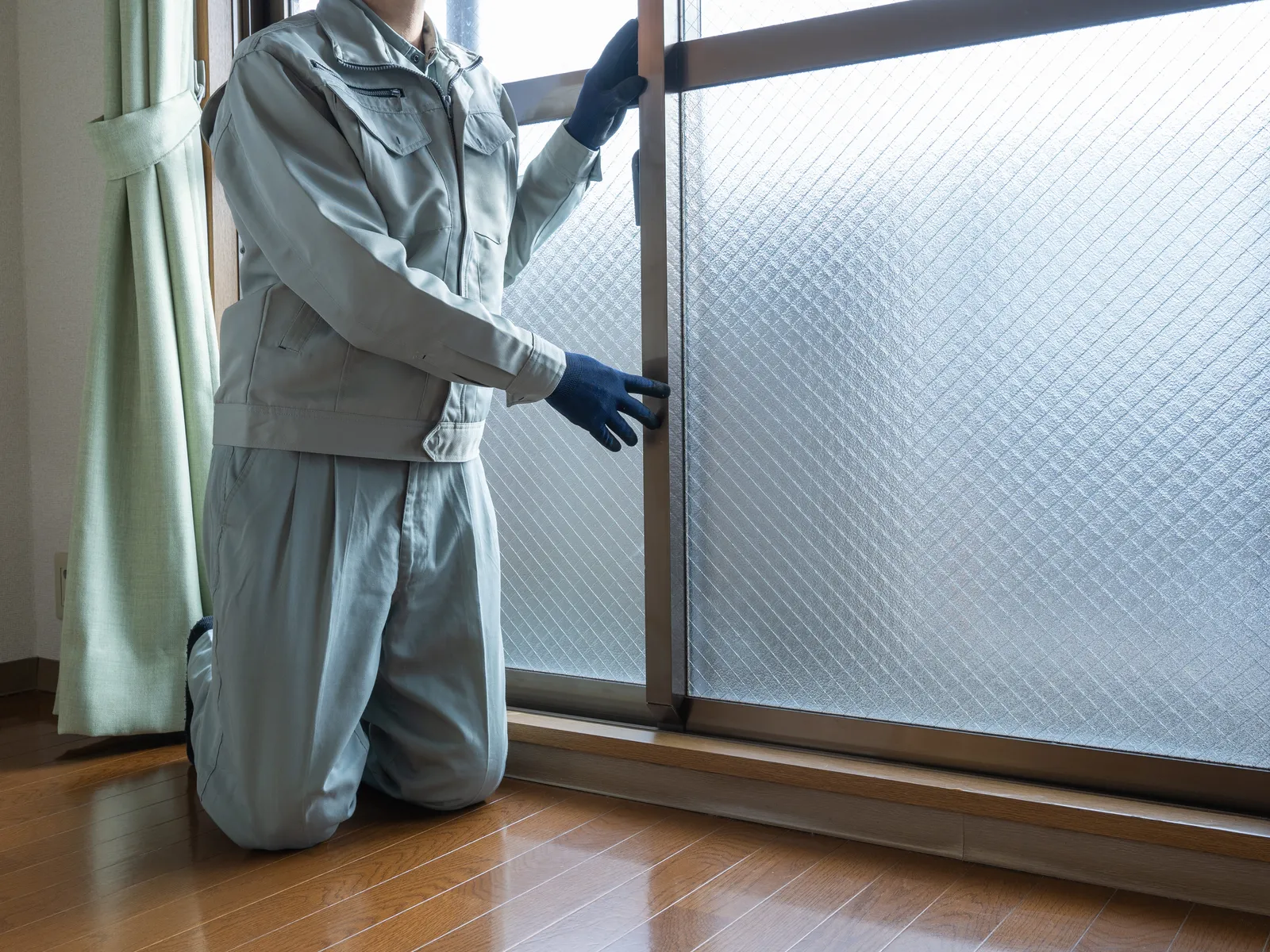
In this section, we aim to dispel common misunderstandings surrounding rental inspections while shedding light on the intricacies of the landlord-tenant relationship. Our mission is to provide clarity on various aspects, starting with landlord intentions, which often revolve around ensuring the property’s condition and adherence to lease agreements rather than invasive intrusions.
We’ll delve into tenant rights and responsibilities, elucidating the balance between privacy and the landlord’s need to maintain the property’s safety and value. We’ll also discuss the handling of repair issues, emphasising the importance of swift resolutions to create a comfortable living environment.
Furthermore, we’ll explore privacy concerns and access to the property, clarifying the legal parameters governing inspection notices and frequency.
By addressing these topics comprehensively, we aim to empower both landlords and tenants with the knowledge and understanding needed to navigate rental inspections harmoniously, fostering trust and cooperation within the landlord-tenant relationship.
Landlord intentions and expectations
Landlords have specific intentions and expectations when it comes to rental property inspections. They want to ensure that their investment is being well-maintained by the tenants and that any potential issues are identified and resolved promptly.
Landlords expect tenants to follow the terms of the rental agreement, including keeping the property clean and reporting any necessary repairs. Additionally, landlords may use inspections as an opportunity to assess if there are any breaches in the rental agreement or security standards.
It is important for both parties to understand these intentions and expectations in order to maintain a positive landlord-tenant relationship.
Tenant rights and responsibilities
Tenants have certain rights and responsibilities when it comes to rental properties. As a tenant, it is important to understand your rights, such as the right to privacy and the right to live in a safe and well-maintained property.
You also have the responsibility to take care of the property, report any maintenance issues promptly, and follow the terms of your rental agreement. By understanding and fulfilling these rights and responsibilities, tenants can ensure a positive renting experience for themselves and their landlords.
Handling repair issues
When it comes to rental properties, handling repair issues is an important responsibility for both landlords and tenants. As a landlord, it is crucial to address any repair requests promptly and efficiently.
This not only ensures the safety and comfort of your tenants but also helps maintain the value of your property. On the other hand, as a tenant, it is essential to communicate any repair issues to your landlord in a timely manner.
This can be done through written requests or by contacting them directly. By working together, both parties can ensure that repairs are completed effectively and in accordance with legal obligations.
It’s worth noting that the specific steps for handling repair issues may vary depending on the terms outlined in your rental agreement and local tenancy laws. Landlords are generally responsible for maintaining the property’s structural integrity, ensuring electrical systems are safe, providing functioning plumbing fixtures, and addressing major maintenance issues like heat and air conditioning.
As a tenant, you should report any necessary repairs as soon as possible so that they can be addressed promptly. Remember to document all communication regarding repairs with your landlord or property manager for future reference if needed.
Privacy and access to the property
During property inspections, it is important to respect the privacy and access rights of tenants. As landlords or property managers, we understand that tenants have the right to feel safe and secure in their rented homes.
We ensure that proper notice is given before conducting inspections and obtain consent from tenants for entry into their living spaces. This ensures transparency and allows us to maintain a good tenant-landlord relationship.
Inspections are conducted with the intention of assessing property conditions, identifying any necessary repairs or improvements, and ensuring compliance with rental agreements and safety standards.
Call Us!
Building inspections play a crucial role in ensuring the safety and security of rented properties. By conducting routine inspections, landlords can identify any potential issues and address them promptly.
These inspections not only protect the tenant’s rights but also help maintain a safe living environment for everyone involved.