
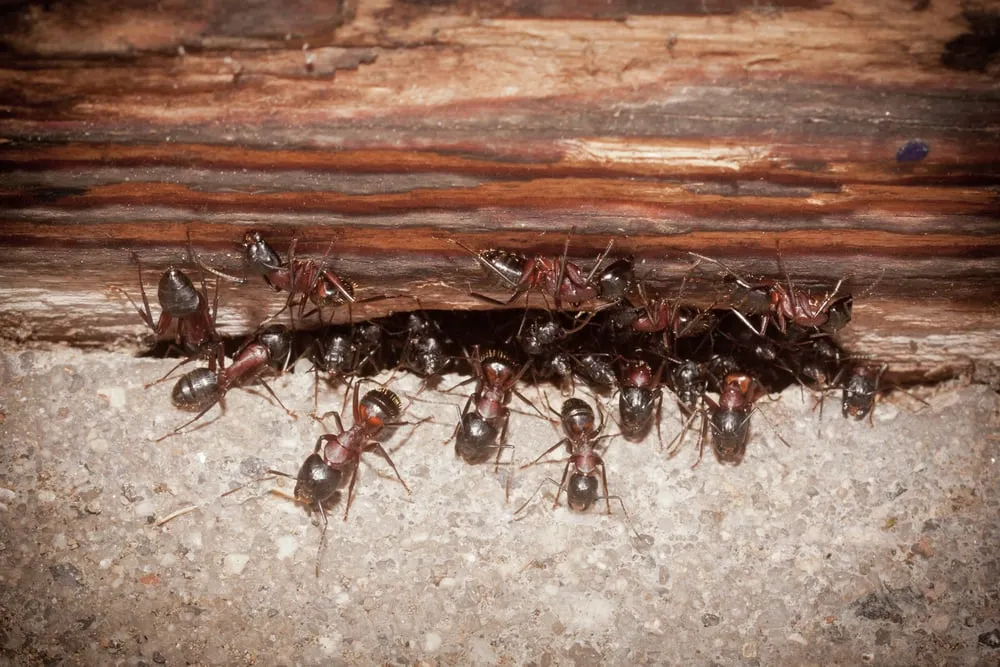
The integrity of a home or business is often judged by its appearance, yet what lurks unseen can sometimes tell a much more telling story. Pest inspection reports are the narratives that bring these hidden tales to light, providing crucial insights into the unseen guests who may be sharing your space. Understanding these documents is essential, as they contain the telltale signs of infestation that the untrained eye might miss.
From subtle indicators such as droppings and nesting materials to the more overt evidence like damage to woodwork, these reports meticulously catalogue the presence of pests. They serve as a critical tool for homeowners and property managers alike, translating the cryptic language of scratches, sounds, and odours into actionable information.
Navigating their contents can guide the decisions for treatment and prevention strategies, ensuring the health and longevity of a property. Let’s delve into what makes these reports so pivotal, unravelling the mysteries they contain to keep our spaces safe and secure.
Key Takeaways
- Regular pest inspections are essential for uncovering hidden infestations and identifying potential issues before they become major problems.
- Pest inspection reports provide detailed assessments of a property’s condition, including signs of pest activity, common defects, and recommendations for control and prevention measures.
- Homeowners should schedule pest inspections at least once a year to maintain a pest-free living environment and protect their property investment.
- Interpreting the results of a pest inspection report accurately is crucial for making informed decisions about necessary repairs or pest control measures.
Why a Pre-Purchase Pest Inspection is Essential
Embarking in the process of acquiring a new property, a pre-purchase inspection serves as an essential part of due diligence.
It acts as a diagnostic tool, uncovering any structural issues that may not be visible during a standard walkthrough, issues that could have profound implications on the safety and financial investment of the prospective property.
The inspection also places a spotlight on the presence of pests, from silent termite colonies to hidden rodent nests, that could inflict costly damage over time.
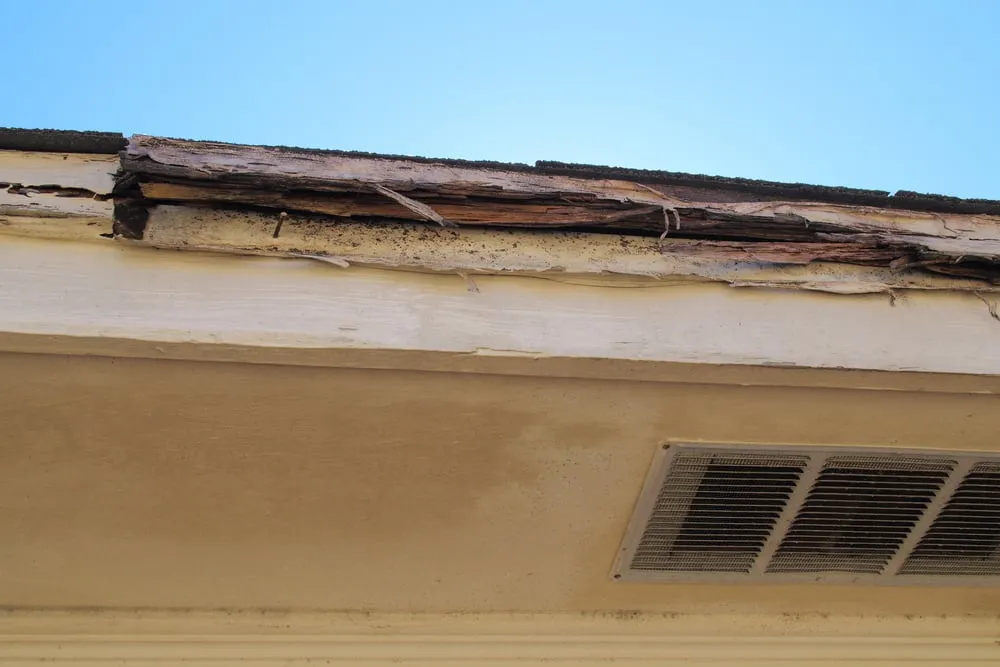
Identifying such infestations early gives buyers the leverage to negotiate repair costs or to opt out of a potentially hazardous investment. Ultimately, a pre-purchase inspection is a critical measure in safeguarding against the purchase of a property plagued with unseen problems, ensuring that buyers are fully informed about the condition of their potential new home.
Reveals potential structural issues
Regular pest inspections play a crucial role in unmasking significant structural flaws. They can bring to light hidden issues such as wood decay, moisture problems, and even foundation cracks that may be due to pest infestations.
For instance, termites are notorious for causing extensive damage to building structures by eating away at wooden frames or beams. Over time, this can lead to severe structural issues like sagging roofs or collapsing walls.
Similarly, rodent presence can cause electrical faults by gnawing on wires hidden within the structure of your home. Such potential threats underline the importance of regular professional checks over mere visual assessments.
Identifies pest infestations
A pest inspection is essential in identifying any potential pest infestations within a property. It helps homeowners, building inspectors, and real estate agents to understand the extent of pest activity and take necessary measures for eradication.
By thoroughly examining the property, pest inspectors can detect signs of pests such as termite damage, rodent presence, and evidence of nesting or feeding. This knowledge enables them to accurately assess the level of infestation and recommend appropriate treatments or prevention measures.
Overall, a pest inspection report plays a crucial role in ensuring the safety and integrity of a property by identifying any existing or potential pest problems that need to be addressed promptly.
What Does a Pest Inspection Include?
Signs of Pest Damage
Pest damage can be a serious problem for homeowners and property owners. It’s important to be able to recognise the signs of pest damage to take action and prevent further infestation.
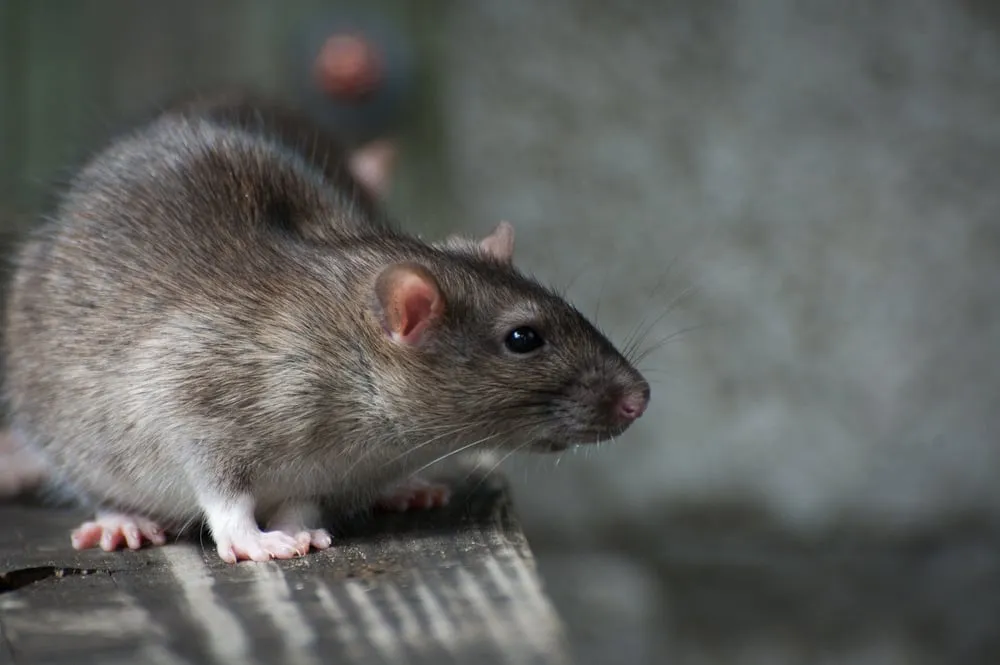
Look out for things like chewed or gnawed wood, droppings, nests, or holes in walls or furniture. These are all telltale signs that pests such as termites, rodents, or insects may have caused damage.
By being aware of these signs and addressing them promptly, you can protect your property from costly repairs and ensure a pest-free living environment.
Evidence of Pest Infestations
During a pest inspection, the presence of pests and signs of infestation are carefully examined. These signs can include droppings, nests, chewed wires or wood, damaged insulation, and urine stains.
Additionally, live or dead insects or rodents may be found in hidden areas such as crawl spaces or attics. The presence of eggs or larvae is also considered evidence of an infestation.
Identifying these indicators is crucial for taking swift action to prevent further damage and ensure the safety and integrity of your property.
Common Defects Found During a Pest Inspection
During a pest inspection, several common defects are often found. These defects can indicate the presence of pests or potential issues with the structure of the building.
Some of the most common defects include signs of pest damage such as chewed wood or droppings, evidence of pest infestations like nests or burrows, and rodent presence indicated by gnaw marks.
Other defects may include cracks in walls or floors, water damage, and holes in screens or windows. Identifying these common defects is crucial for taking appropriate measures to address any existing pest infestation and prevent further damage to the property.
Regular pest inspections help uncover hidden infestations and ensure prompt action is taken to mitigate any potential risks associated with pests. By identifying common defects early on, homeowners can take necessary steps to address them effectively and protect their investment.
Building inspectors, engineers, architects, interior design specialists, real estate agents, pest inspectors, and legal office personnel should all be aware of these common defects so they can accurately assess properties during inspections and offer appropriate recommendations for repair or treatment if needed.
The Importance of Regular Pest Inspections
Embracing the discipline of regular pest inspections is akin to setting a WatchGuard over the sanctity of one’s home.
These inspections are instrumental in detecting covert infestations that, while invisible to the casual observer, can lead to severe structural damage and costly repairs down the line.
For instance, the discovery of termites, rodents, or other destructive creatures during an inspection can prompt immediate actions to mitigate their impact on the property.
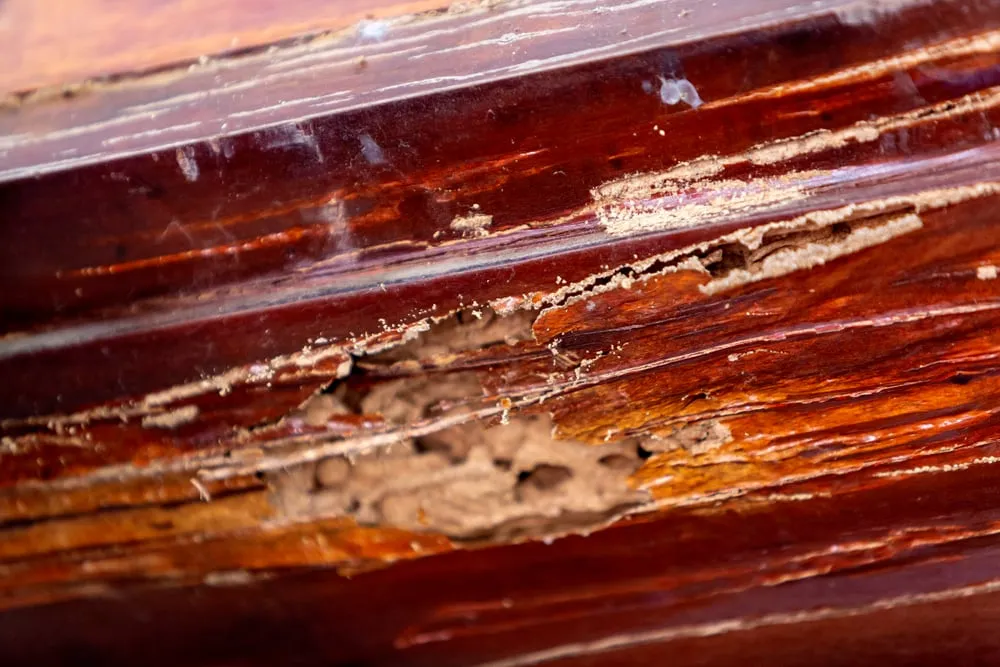
Homeowners benefit greatly from such vigilance, as identifying these potential issues early provides the opportunity to implement targeted interventions and preventive strategies. In doing so, they not only safeguard the integrity of their property from these silent assailants but also maintain a living space that is comfortable, safe, and resoundingly pest-free.
Uncovering Hidden Infestations
Pest inspections play a critical role in uncovering hidden infestations that may not be immediately visible to homeowners or even professionals. These inspections are designed to detect signs of pest activity such as droppings, nests, gnaw marks, and tunnels.
By thoroughly assessing the property, including hard-to-reach areas like attics and crawl spaces, inspectors can identify any potential pest issues that might otherwise go unnoticed.
This proactive approach allows for early detection and treatment, helping to prevent further damage and costly repairs down the line.
Top Hidden Issues Found
Pest inspections often uncover hidden issues that may not be immediately noticeable. These hidden issues can include termite damage to the structure of the building, pest infestations in hard-to-reach areas, and signs of rodent presence.
By conducting regular pest inspections, these hidden issues can be identified early on and proper action can be taken to prevent further damage or infestation. Homeowners, building inspectors, engineers, architects, interior design specialists, real estate agents, pest inspectors, and legal office personnel must be aware of these top hidden issues found during pest inspections to keep properties safe and secure.
How Often Should Pest Inspections Be Done?
We recommend scheduling pest inspections at least once a year to ensure the ongoing health and safety of your property. Regular inspections help detect any signs of infestation early on, allowing for prompt action to be taken.
By conducting these inspections annually, you can prevent major damage caused by pests and maintain a pest-free environment. It’s important to remember that some areas may require more frequent inspections, especially if you live in regions prone to specific pests such as termites or rodents.
Stay proactive with regular pest assessments to protect your property investment and maintain a comfortable living space for years to come.
Understanding Pest and Building Inspection Reports
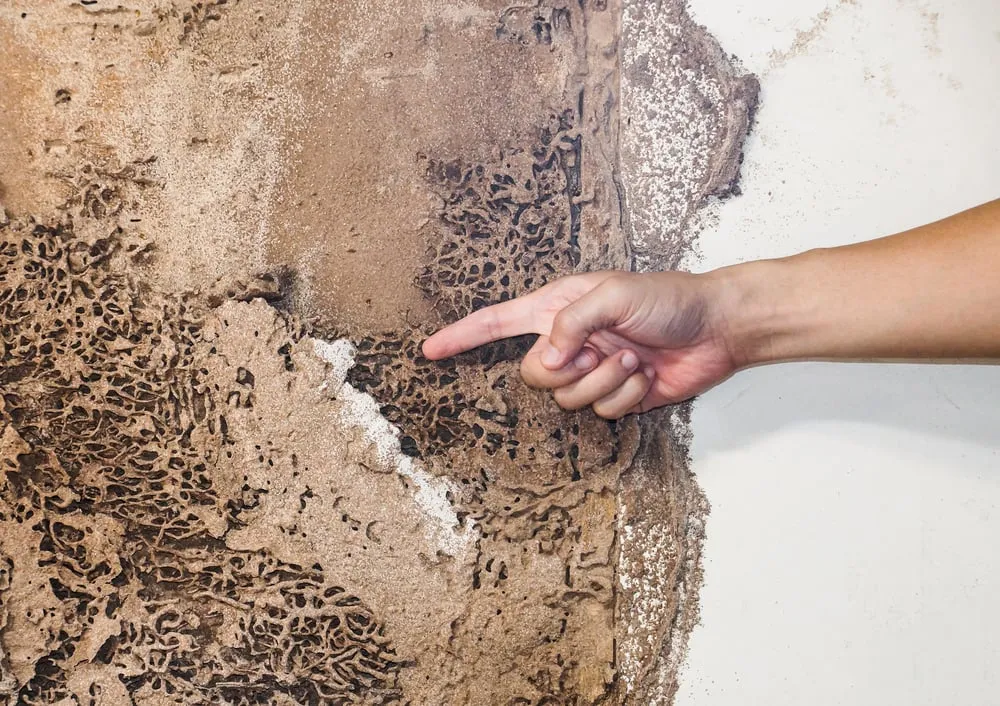
Understanding pest and building inspection reports is key to making informed decisions about your property.
When you receive these reports, it’s important to know what to expect: a detailed account of the property’s current condition, including a comprehensive list of defects, from minor issues like a loose tile to major concerns like structural instability.
Common defects highlighted in building inspections often encompass a range of problems such as water damage, foundation cracks, or poor electrical wiring that require immediate attention.
Moreover, these reports are instrumental in unveiling hidden pest infestations that, if undetected, could lead to significant damage. Interpreting the results accurately is critical; it allows you to prioritise repairs, negotiate terms in a property transaction, or simply ensure your property is safe and secure. So, pay close attention to these documents – they’re not just reports, but roadmaps to maintaining the health and value of your property.
What to Expect
Our pest inspection reports provide you with a detailed assessment of your property’s condition. During the inspection, we thoroughly evaluate your property for signs of pest activity and damage.
We will look for any evidence of pests such as droppings, nests, or chewed wires. In addition to this, our experts will check for common defects that are often found in buildings that could potentially attract pests.
Our goal is to uncover any hidden infestations and ensure that you have a clear understanding of the current state of your property. Once we’ve completed the inspection, we’ll provide you with a comprehensive report that outlines our findings and recommendations for pest control and prevention measures moving forward.
Common Defects in Building Inspections
During building inspections, several common defects can be identified. These include structural issues such as cracks in the walls or foundation, faulty electrical wiring, plumbing leaks, and inadequate insulation.
Additionally, inspectors often find signs of water damage, mould growth, and poor ventilation. It’s crucial to address these defects promptly to ensure the safety and longevity of the building.
Unveiling Hidden Pest Infestations
During a pest inspection, professionals are trained to uncover hidden pest infestations that may not be immediately obvious to the untrained eye. By carefully assessing signs of pest activity and evidence of damage, these experts can identify areas where pests have taken up residence and are causing harm.
This includes looking for droppings, nests, chewed wires or wood, and other indicators that point towards an infestation. Through their expertise and thorough examination, they can unveil those hidden pests lurking in your property, giving you peace of mind knowing that any issues will be addressed before they become major problems.
Interpreting the Results
When reviewing a pest inspection report, it is crucial to interpret the results correctly. Look for clear indications of pest activity or damage that may affect the property’s structural integrity.
Pay attention to any evidence of infestation, such as droppings, chew marks, or nests. Common defects found in these reports include moisture issues, termite damage, and rodent presence.
By understanding and interpreting the results accurately, individuals can make informed decisions about necessary repairs or pest control measures to ensure a safe and healthy living environment for all occupants.
Call Us!
Understanding pest inspection reports is crucial for homeowners and buyers alike. These reports provide valuable information about potential pest infestations and damage that may affect the structure of a property.
By interpreting the results accurately, individuals can take appropriate measures to address any issues and ensure the long-term health and safety of their homes.
Penrith Building Inspections
Keep Reading

Rental Inspections
How Rental Inspections Help Maintain Your Property Value
Learn how regular rental inspections can help you preserve and enhance the value of your property investment.
Read More →
Dilapidation Inspections
Dilapidation Inspection: An Indispensable Part of Building Inspection
Learn how dilapidation inspections are key in building projects to safeguard property conditions and manage risks.
Read More →
Pest Inspections
Avoid Future Headaches: The Role of Pest Inspections in New Home Buying
Learn the key role pest inspections play in new home buying to safeguard your property and avoid costly issues.
Read More →