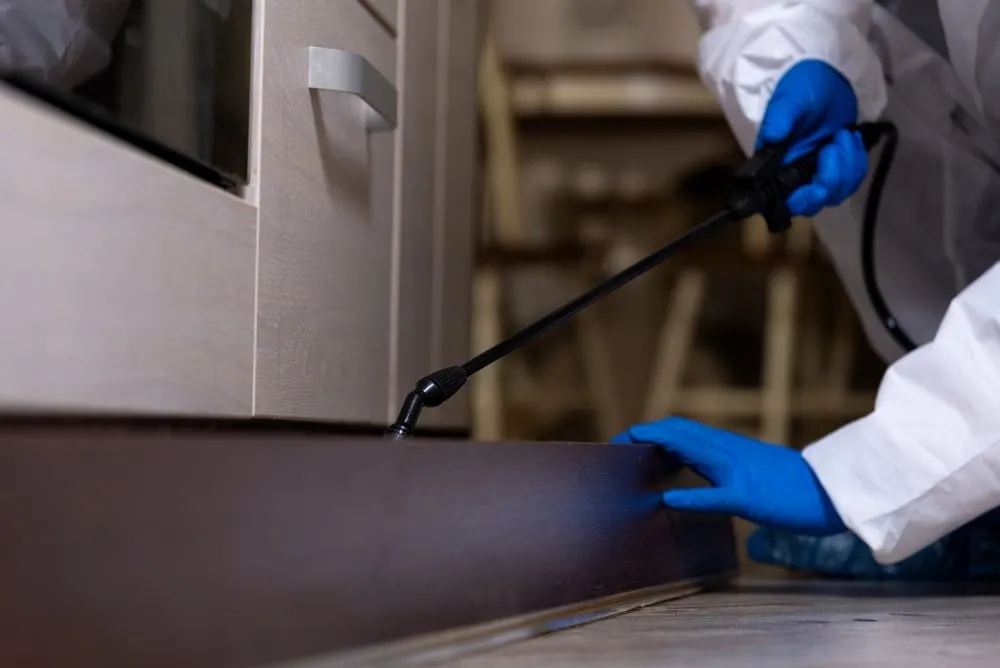
In the pursuit of maintaining a safe and comfortable home environment, pest inspections play an invaluable role. Among the plethora of pests to keep an eye out for, spiders often top the list, owing to their abundance and potential to be harmful.
Adequate checks for these eight-legged inhabitants go beyond mere discomfort or fear – it’s about ensuring the wellness of your home’s residents by identifying and addressing potential infestations promptly.
The importance of spider checks during pest inspections cannot be understated. Join us as we unravel why this process is important, and how it contributes to maintaining a truly pest-free home.
Key Takeaways
- Spider checks are essential in pest inspections as spiders play a crucial role in controlling pests by preying on insects like flies, mosquitoes, and cockroaches.
- Regular pest inspections help detect spider infestations early on, allowing homeowners to take necessary measures to prevent further problems.
- Spider infestations can have an impact on public health as spiders can carry germs and spread diseases. Conducting regular pest inspections helps maintain a safe living environment for all occupants.
What are Arthropod Pests?
Arthropod pests, encompassing a broad spectrum of insects and small creatures, have long been recognised for their capacity to create significant challenges for humans and the environments they dwell in.
This category includes a host of common pests, like ants that can ravage food stores or even structure materials, cockroaches known for their disease-spreading potential, termites that feed on wood causing structural damage, and mosquitoes, ticks, and fleas that can serve as vectors for a range of illnesses.
The threat these pests pose extends beyond mere annoyance or property damage; they are carriers for several pathogens, causing health threats that can sometimes be quite serious. From malaria spread by mosquitoes to Lyme disease caused by ticks, these pests can transmit a range of diseases that pose significant public health concerns.
Thus, arthropod pests hold the dual threat-wielding potential of property damaging and health-deteriorating elements, underscoring the importance of their identification, control, and ultimately, prevention.
Types of arthropod pests
Arthropod pests are a diverse group that can cause significant problems for homeowners and businesses alike. Some common types include insects such as mosquitoes, flies, ants, bed bugs and termites.
However, the arthropod category also includes mites and ticks which can be just as troublesome. More importantly, though are spiders; despite often being seen as pests themselves, many species play a beneficial role in pest control by preying on other more harmful arthropods.
Lastly, we have the crustaceans – typically not an issue indoors but certain types like woodlice can sometimes invade homes causing minor issues.
Public health concerns
Public health concerns are a significant reason why pest inspections and spider checks should be taken seriously. Arthropod pests, such as insects and spiders, can carry harmful germs that pose risks to our well-being.
These pests can contaminate food, cause allergies, transmit diseases, and even trigger respiratory problems in some individuals. By conducting regular pest inspections and spider checks, we can ensure early detection of any infestations and take proactive measures to prevent potential health hazards.
Homeowners, building inspectors, engineers, architects, interior design specialists, real estate agents, pest inspectors and legal office personnel must prioritise pest control solutions that promote public health and maintain a safe living environment for all.
Importance of Pest Control
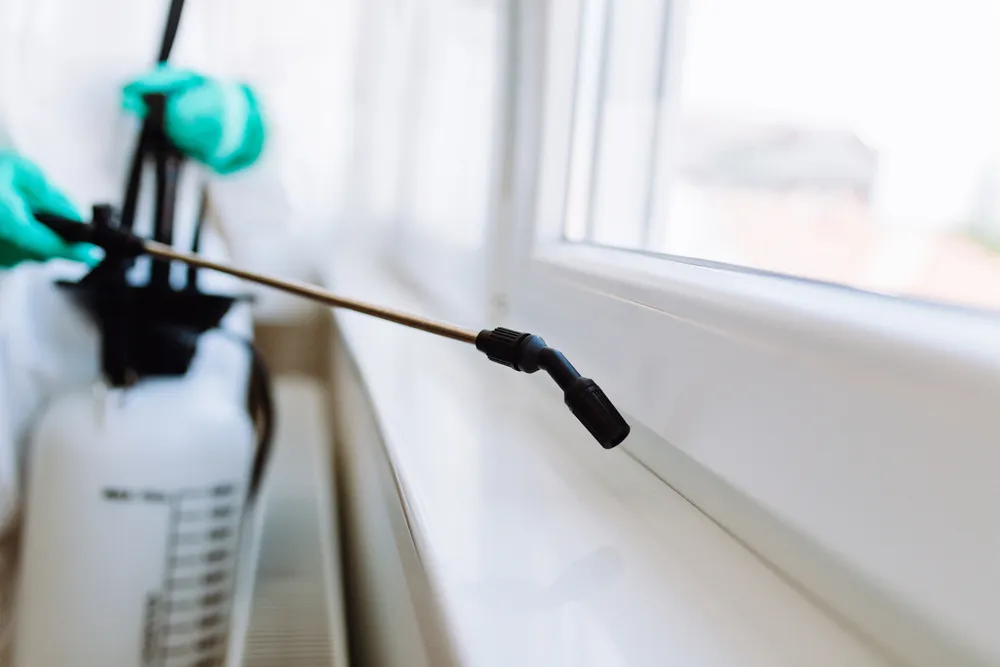
Implemented with the dual purpose of safeguarding public health and maintaining environmental balance, pest control commands a significant role in contemporary societies. Effective pest control methods help prevent the swift and easy transmission of infectious diseases, many of which can be spread by pests that function as carriers for viruses, bacteria, and other harmful pathogens.
Furthermore, organisms such as parasites, predators, and competitors within the pest family can induce disruptions in domestic settings and broader ecosystems, creating a chain of imbalances that can affect humans and wildlife alike.
These disruptive creatures can introduce and spread new diseases, hinder agricultural productivity, and even spark off uncontrolled population growth of certain species, causing havoc that extends far beyond health concerns. Therefore, the need for regular and thorough pest control measures should not be underestimated, serving as a cornerstone to maintain public health and ensure environmental stability.
Role of parasites, predators, and competitors
Parasites, predators, and competitors play a crucial role in pest control. These natural enemies help to keep arthropod pests in check by preying on them or competing for resources.
Parasites specifically target and weaken their hosts, eventually leading to their decline. Predators like spiders are known for their hunting skills and ability to control insect populations.
They feed on a variety of pests, including flies, mosquitoes, and cockroaches. Competitors, on the other hand, compete with pests for food and habitat space. Together, these natural allies contribute to maintaining the balance in our environment and reducing the presence of harmful pests without the need for excessive pesticide use or intervention from humans.
Impact on public health
Controlling pests is not just about keeping our homes clean and comfortable – it also has a direct impact on public health. Arthropod pests, such as insects and spiders, can carry germs and spread diseases that pose serious risks to our well-being.
Additionally, some pests can trigger allergies or asthma attacks in susceptible individuals. By conducting regular pest inspections and implementing effective pest control solutions, we can help prevent the invasion of these harmful creatures and safeguard the health of ourselves and our communities.
The Role of Spiders in Pest Control
Although they might strike fear in the hearts of many, spiders ironically play the role of heroes when it comes to natural pest control. These eight-legged predators feast upon a plethora of insect pests found commonly in homes and gardens – from flies that spread diseases to mosquitoes that carry pathogens like malaria and dengue, to cockroaches that breed in droves and carry contaminants.
Their natural predatory instincts and widespread dietary range make spiders highly effective pest controllers, maintaining a balance in insect populations. Furthermore, their presence can serve as a convenient and eco-friendly alternative to chemical pesticides, subduing the growth of harmful insect populations and contributing to a healthy home environment.
Thus, spiders, often feared and misunderstood, hold the often-unrecognised position of valiant warriors in the realm of natural pest control.
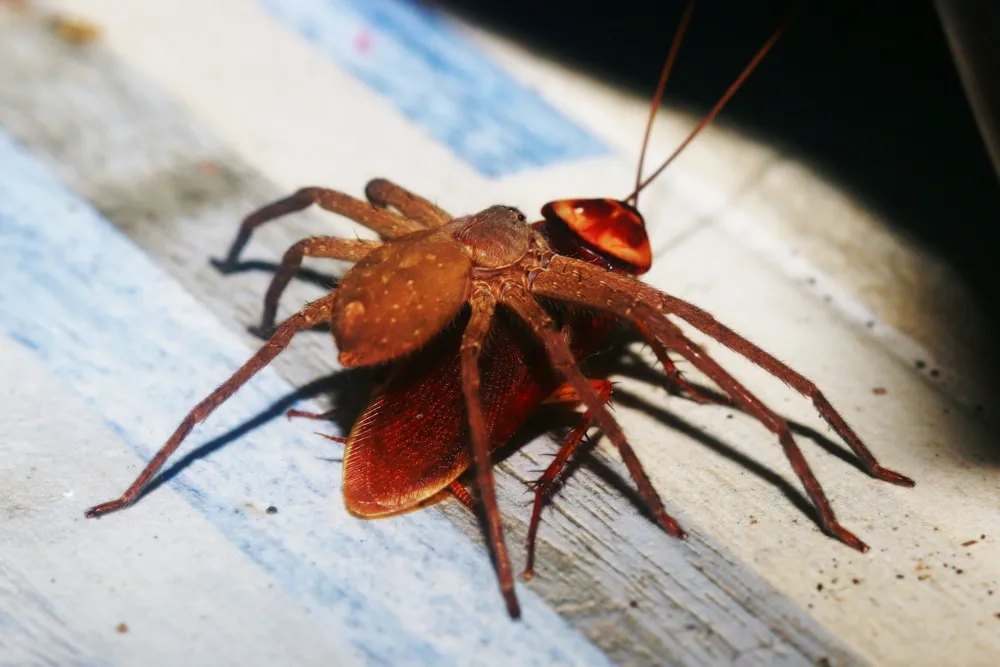
Benefits of spiders in controlling pests
Spiders play a crucial role in controlling pests around our homes and buildings. They are natural predators that help keep insect populations in check. By feeding on common pests like flies, mosquitoes, and cockroaches, spiders help prevent these unwanted creatures from infesting our spaces.
This means fewer insects buzzing around and less risk of diseases they may carry. So next time you see a spider lurking in the corner, remember that it’s doing us a favour by keeping those pesky pests at bay.
Common spider species in Australia
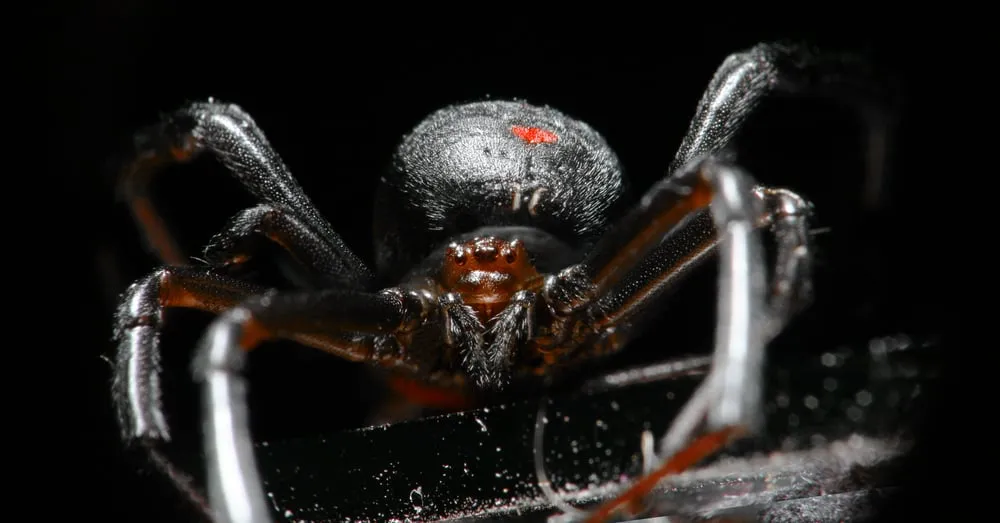
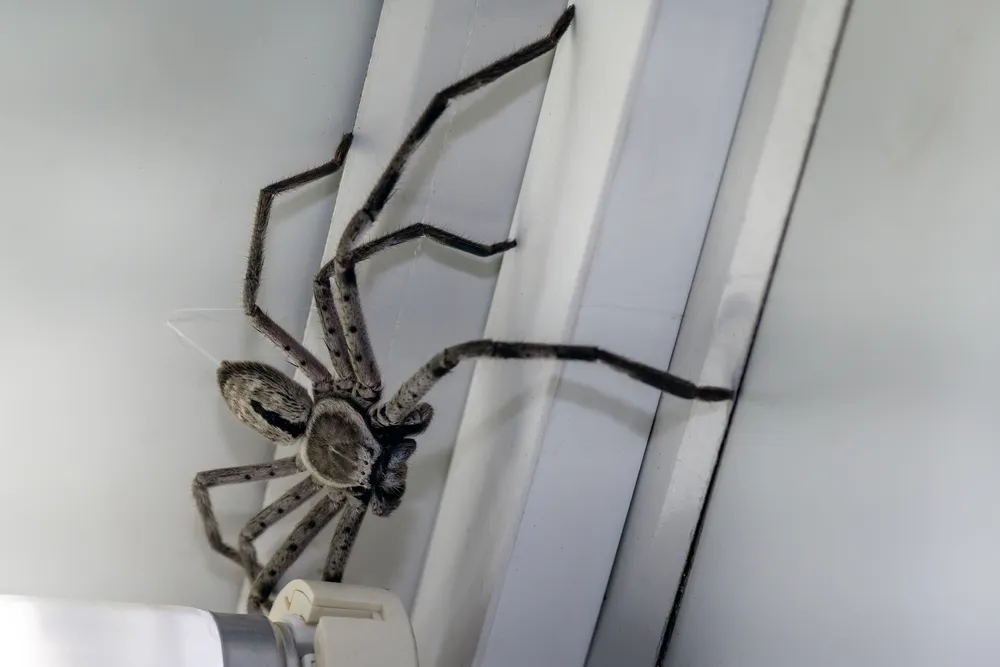
Common spider species in Australia include the Redback Spider, Huntsman Spider, Funnel-web Spider, and White-tailed Spider. These spiders are often found in homes, gardens, and other buildings across the country.
The Redback is known for its venomous bite and distinctive red marking on its abdomen. The Huntsman Spider is large and hairy but generally harmless to humans. Funnel-web Spiders are highly venomous and can be dangerous if bitten.
Lastly, the White-tailed Spider is known for its elongated body and white markings. Learning about these common spider species can help homeowners and professionals identify potential infestations during pest inspections.
The Importance of Spider Checks in Pest Inspections
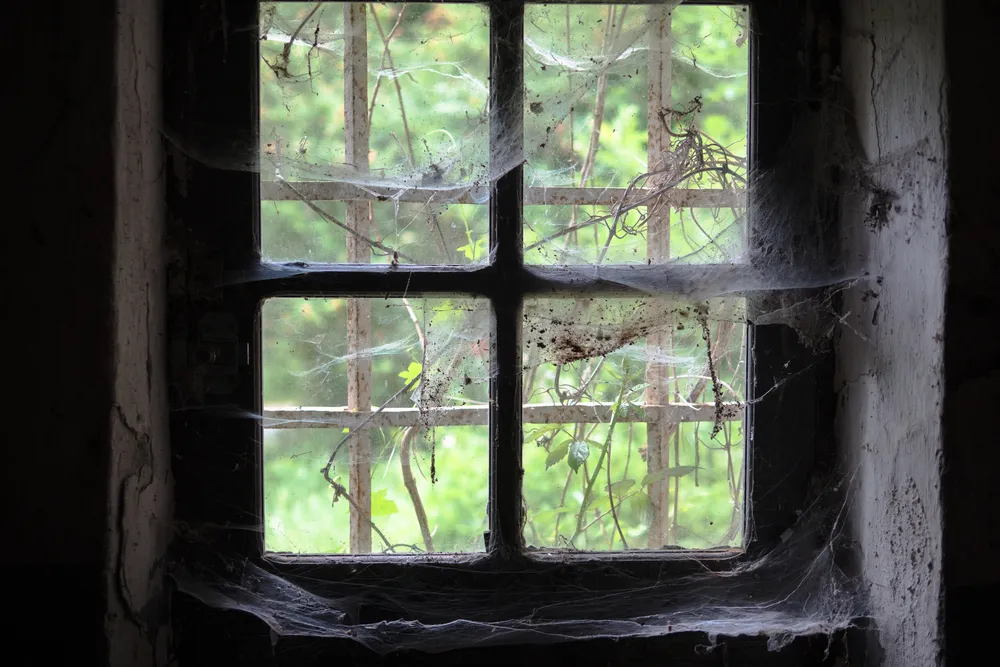
Spider checks in pest inspections serve a dual purpose, reflecting the enigmatic position these creatures hold from a pest control perspective. On one hand, spiders’ natural tendencies for catching and feeding on other pests provide a form of biological pest control.
They help to control populations of insects such as mosquitos, flies, and cockroaches, acting as a natural deterrent and thus contributing to healthier living environments. However, it’s also essential to note that spiders, especially certain species, have the potential to significantly impact public health.
Some spiders are venomous and pose a direct threat to humans if they bite, which makes it imperative for pest inspections to include thorough spider checks, ensuring the safety and wellness of the home’s inhabitants.
Common spider hiding places
Spiders are experts at finding the perfect hiding spots in our homes. They can squeeze into tight corners and tiny cracks, making it difficult to spot them. Some common hiding places for spiders include dark and cluttered areas such as basements, attics, closets, and storage rooms.
They also love dark corners behind furniture or appliances where they can build their webs undisturbed. Additionally, spiders like to hide in less frequently visited areas like crawl spaces and under furniture.
It’s important to be thorough when inspecting these areas during pest inspections to ensure any spider infestations are detected early on. Regularly checking these common hiding places will help keep your home free from unwanted eight-legged visitors.
Spiders are crafty creatures when it comes to finding hidden nooks and crannies in our surroundings. Especially skilled at navigating small crevices and tight spaces, they seem almost invisible until you stumble upon their web or notice a scuttling figure out of the corner of your eye.
Signs of spider infestation
Spiders can be quite stealthy when it comes to infesting our homes, but some signs can indicate their presence. Look out for webs in corners and crevices, as well as egg sacs or discarded exoskeletons.
Another telltale sign is finding dead insects caught in spider webs. If you notice an increase in spider sightings or find multiple spiders of different species, you likely have a spider infestation.
Regular pest inspections are essential to detect these signs early on and take necessary measures to prevent further infestation. By staying vigilant and addressing the issue promptly, you can ensure a pest-free environment and maintain the integrity of your property.
Importance of regular pest inspections
Regular pest inspections are crucial for maintaining a healthy and safe environment in your home or building. These inspections help identify and prevent potential pest infestations, ensuring that any issues are addressed promptly.
By scheduling regular pest inspections, you can stay proactive in managing pests such as spiders and take necessary actions to keep them under control. This not only helps protect the structural integrity of your property but also safeguards the well-being of all occupants from potential health risks associated with pests.
Don’t underestimate the importance of regular pest inspections; they play a vital role in creating a pest-free living or working space for everyone involved.
Call Us!
Spider checks play a crucial role in pest inspections. By identifying common hiding places and signs of infestation, homeowners can take proactive measures to prevent insect invasions.
Regular pest inspections are vital for maintaining a pest-free environment and ensuring the health and safety of residents. Don’t underestimate the importance of spider control in effective pest management.