
Taking the plunge into the somewhat complex world of strata inspections can sometimes feel a bit like navigating through thick fog, especially if you’re dipping your toes in for the first time as a homeowner or investor.
We totally get it mate – we’ve slipped on those shoes before and realise that sifting through key documents such as building maintenance records, financial data and minutes from meetings plays a massive role in getting that sought-after peace of mind.
So, we’ve put together this straightforward yet detailed guide about all things strata inspections – from its ins and outs to potential costs. Ready to dive in? Great! Let’s make your property ventures a breeze!
Key Takeaways
- Strata inspections are crucial when buying or living in a strata-titled property as they provide important information about the building’s condition and any potential issues.
- Performing a Strata Title Search is essential to uncover financial health, planned major works, disputes, ownership records, and shared common areas within the complex.
- A Section 184 Certificate is an important document that reveals any outstanding debts owed by the owner of a strata unit, ensuring transparency in property transactions.
- Professionals such as building inspectors, engineers, architects, and pest inspectors typically perform Strata Plan Searches to identify potential issues or areas of concern.
What are Strata Inspections?
Embarking on the journey of buying or residing in a strata-titled property, you’ll soon encounter an essential yet often underappreciated process – the strata inspection. This procedure entails a thorough professional analysis of the building, revealing the true condition of the property beyond its surface charm.
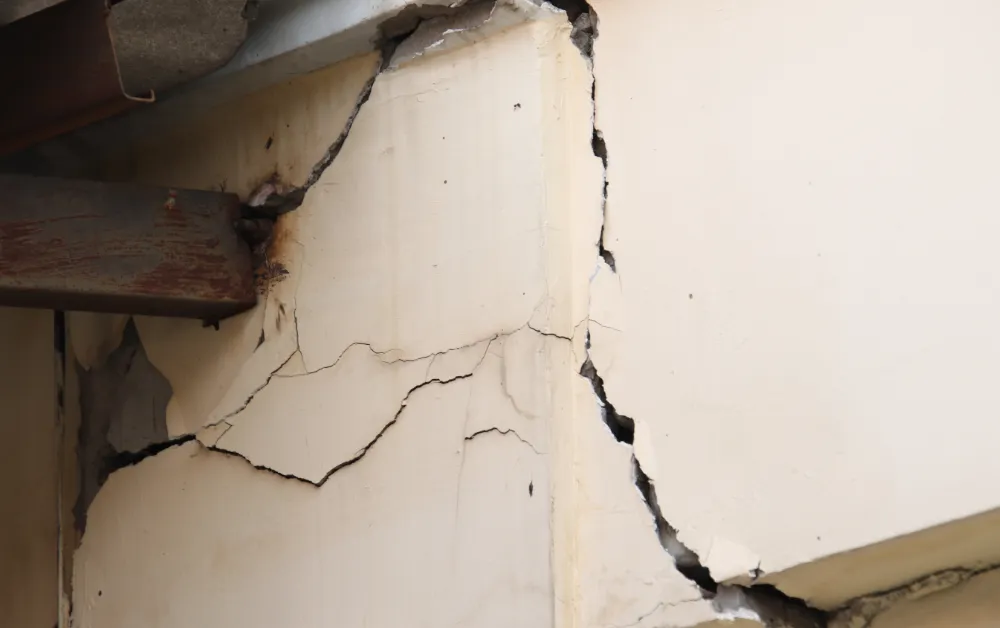
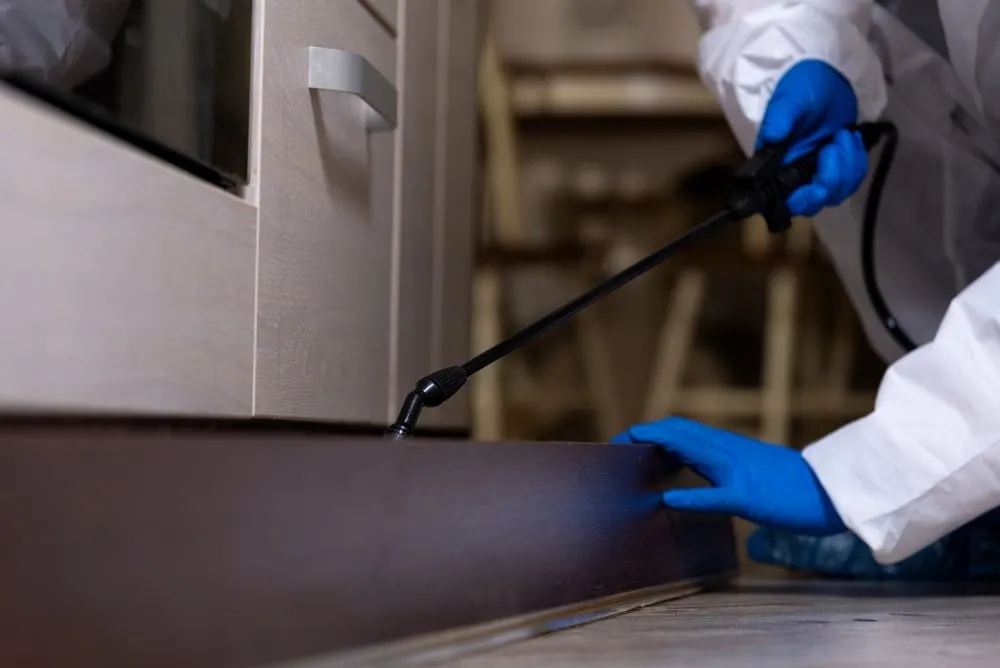
Not only does it offer insights into the property’s current state, but it also uncovers potential issues that may compound over time, such as structural defects, pest infestation, or signs of wear and tear. Armed with this knowledge from strata inspections, buyers and residents alike can make confident, informed decisions that lead to peaceful and secure living, free from surprises and costly reparations down the line. In essence, a strata inspection is an investment in truth, clarity, and peace of mind.

Importance of performing a Strata Title Search
Carrying out a Strata Title Search is a crucial step in property transactions. It provides an insightful look into the management of the strata scheme, revealing important information about financial health, planned major works, special levies, insurance details and any ongoing disputes.
Additionally, it deciphers precise ownership records and outlines shared common areas within the complex. Ignoring to perform this search can lead to unexpected financial burdens post-settlement or become entangled in unresolved building issues.
Therefore, for peace of mind and sound investment decisions, never underestimate the power of a detailed Strata Title Search.
Who performs a Strata Plan Search?
When conducting a Strata Plan Search, it is important to know who performs this task. Typically, this search is carried out by qualified professionals such as building inspectors, engineers, architects, and pest inspectors.
These experts have the knowledge and expertise to thoroughly assess the property and identify any potential issues or areas of concern. In addition to these professionals, real estate agents and legal office personnel may also be involved in the process.
Their role is to assist with gathering relevant documentation and facilitating communication between all parties involved. By having a team of specialists perform a Strata Plan Search, you can ensure that all aspects of the property are thoroughly examined and evaluated for your peace of mind.
What to watch out for during a search
During a strata search, there are certain things you should be cautious of. Firstly, carefully review the strata scheme’s financial records to ensure that there are no outstanding debts or financial issues that could impact your investment.
Additionally, check for any past or ongoing disputes among owners or with the building management. It’s important to look out for any major repairs or maintenance work that may be required in the near future as this could affect your ownership costs.
Lastly, pay attention to any special levies or fees that may have been previously imposed and consider how they might impact your budget.
What is a Section 184 Certificate
A Section 184 Certificate is an important document in the world of strata living. It provides information about any outstanding debts owed by the owner of a strata unit, such as unpaid levies or contributions.
This certificate is usually obtained before buying or selling a property within a strata scheme to ensure that there are no financial surprises for either party involved. It gives both buyers and sellers peace of mind knowing that they have all the necessary financial information before making any decisions.
By obtaining a Section 184 Certificate, you can make informed choices when it comes to purchasing or selling your strata property.
How to Organise a Strata Search
To organise a Strata Search, start by identifying the specific information you need. Make a list of the documents and records you want to access, such as meeting minutes, financial records, and property records.
Next, contact the relevant authority or organisation responsible for providing these documents. Provide them with all the necessary details about your search, including the strata title and any specific questions or concerns you have.
Once your request is submitted, follow up regularly to ensure progress and obtain updates on when you can expect to receive the requested information. Remember to keep track of all correspondence related to your Strata Search for future reference if needed.
Cost of a Strata Search
Performing a strata search comes with costs that homeowners and professionals need to be aware of. The cost of a strata search can vary depending on factors such as the complexity of the property, the location, and the scope of the search.
It is essential to budget for this expense as it is an important step in understanding the potential risks and issues associated with a property. By investing in a thorough strata search, you can gain valuable insights into shared areas, maintenance requirements, financial records, meeting minutes, and other crucial information that will help you make informed decisions about your investment or living arrangements.
To ensure accuracy and compliance with regulations, it is advisable to engage a professional strata searcher who has expertise in conducting these searches efficiently. They will provide you with a comprehensive report outlining their findings and recommendations.
During this process, there may be additional costs involved if further investigation or follow-up inspections are required. However, considering the potential consequences of overlooking critical details during a strata inspection, these expenses are well worth it in order to safeguard your investment or living environment.
Building Management System

A building management system is an essential component of strata living. It helps ensure that the shared areas in an apartment building are well-maintained and safe for residents.
This system covers a range of important aspects, including emergency management, energy efficiency, fire protection equipment, gardening and grounds maintenance, security measures, trip and slip hazards prevention, waste management, and water usage.
By implementing a comprehensive building management system, homeowners can enjoy a comfortable living environment while minimising risks and promoting sustainability.
Emergency Management
We prioritise emergency management in the building inspections to ensure the safety of all residents. As professionals, we understand the importance of having proper procedures and systems in place to handle emergencies effectively.
From fire protection equipment to trip and slip hazards, we thoroughly assess every aspect related to emergency preparedness. Our expertise helps us identify any weaknesses or areas that require improvement, allowing homeowners and building managers to take appropriate action promptly.
With our comprehensive approach to emergency management, we strive to create a safe living environment for everyone involved.
When conducting strata inspections, we pay close attention to emergency management protocols and procedures within the shared areas of the property. We inspect elements such as fire exits, evacuation routes, signage visibility, emergency lighting systems, and alarms.
Our goal is not only to check if these measures are present but also to assess their functionality and adherence to relevant regulations. This way, we ensure that your property meets safety standards and that you have peace of mind knowing that emergency situations will be handled efficiently if they arise.
At [Company Name], our team of experts is well-versed in identifying potential issues related to emergency management during property inspections. We provide thorough reports outlining any deficiencies found along with suggestions for improvement or necessary repairs.
By addressing these concerns proactively, you can mitigate risks associated with emergencies and maintain a secure environment for all residents.
Energy efficiency
Energy efficiency is an important factor to consider when conducting a building inspection or maintenance checklist. By assessing the energy usage of a property, homeowners and professionals can identify opportunities to reduce energy consumption and save on utility costs.
This involves evaluating the insulation, ventilation, lighting systems, appliances, and HVAC units within the building. By making improvements in these areas, such as installing energy-efficient windows or upgrading to LED lighting, homeowners can not only lower their carbon footprint but also increase the property’s value.
It’s essential for all stakeholders involved in strata living – from architects and engineers to real estate agents – to prioritise energy efficiency in order to create sustainable and cost-effective spaces for residents.
Fire protection equipment
In order to ensure the safety of everyone living in a strata building, it is crucial to have proper fire protection equipment in place. This includes fire extinguishers, smoke detectors, sprinkler systems, and emergency exit signs.
Regular inspections of these equipment should be conducted to ensure they are functioning properly and are up-to-date with regulations. It is important for homeowners and building inspectors to be aware of the location of these fire safety devices so that they can easily access them during an emergency situation.
As part of the maintenance checklist, checking fire protection equipment should never be overlooked as it plays a vital role in keeping everyone safe within the strata property.
Gardening and grounds maintenance
We understand the importance of well-maintained gardens and grounds in a strata property. Regular gardening and maintenance not only enhance the overall appearance of the building but also contribute to a safe and enjoyable living environment for residents.
Our team ensures that all outdoor areas, including lawns, flower beds, common walkways, and parking lots, are kept tidy and free from debris. We also address any potential hazards such as overgrown shrubs or uneven surfaces to prevent accidents.
By prioritising gardening and grounds maintenance, we aim to create an attractive and welcoming atmosphere for everyone in the strata community.
Security
During a strata inspection, security is an important aspect to consider. Homeowners and other stakeholders should ensure that the building has appropriate security measures in place to protect residents and their property.
This may include features like secure entrances, surveillance cameras, well-lit common areas, and intercom systems. It’s crucial to assess the effectiveness of these security measures during the inspection to identify any potential vulnerabilities.
By addressing security concerns promptly, homeowners can feel more confident about their safety within the strata property.
Building inspectors, engineers, architects, and interior design specialists also play a role in evaluating the security aspects of a building during inspections. They will assess factors like door locks and window latches for effectiveness and make recommendations if improvements are needed.
Real estate agents should be aware of any existing or potential security issues within a property they are selling or renting out so they can inform prospective buyers or tenants accurately.
Pest inspectors might look for signs of pest activity that could compromise the integrity of doors or windows leading to compromised security.
Legal office personnel involved in strata inspections need to ensure compliance with relevant legislation regarding building safety and security requirements. They must review documentation related to previous incidents or breaches concerning building security protocols.
Trip and slip hazards
We identify potential trip and slip hazards during building inspections to ensure the safety of occupants. We check for uneven or damaged flooring, loose handrails, and poorly lit areas that could lead to accidents.
It’s important to address these hazards promptly by repairing or replacing the affected areas to prevent injuries. Regular maintenance checks can help minimise the risk of trips and slips in shared spaces within a strata property.
Waste management
Proper waste management is crucial in maintaining a clean and safe living environment within strata buildings. As responsible homeowners, it’s important to be aware of waste disposal guidelines and regulations set by local authorities.
Regular garbage collection schedules should be adhered to, ensuring that all rubbish is properly sorted and placed in designated bins. By disposing of waste correctly, we can contribute to the overall cleanliness and sustainability of our strata community.
Water
Water is an important aspect to consider when conducting a strata inspection. As homeowners or building inspectors, we need to assess the quality and accessibility of water in shared areas such as swimming pools or communal gardens.
Engineers and architects should also evaluate plumbing systems to identify any leaks or potential issues that may lead to water damage. Additionally, real estate agents and legal office personnel should be aware of any regulations or compliance requirements related to water management within strata schemes.
Ensuring proper maintenance and efficient use of water resources contributes to a safe and enjoyable strata living experience for everyone involved in the property.
Strata Insurance and Legal Considerations
Navigating strata living or investment brings along a set of unique facets, one such crucial element being strata insurance. This type of cover is indispensable within a strata scheme as it offers protection for the building, its common properties and liability cover for people who might get injured on the property.
It’s important to understand that the responsibility of placing insurance primarily rests with the body corporate or strata community, echoing the collective nature of strata ownership. However, claims on strata insurance require strategic navigation, often mandating the understanding of certain conditions and processes to ensure successful compensation.

Jurisdictional variations also exist, as evidenced by recent regulatory changes in strata insurance in Western Australia. Additionally, knowledge about unlimited liability in strata schemes, as is applicable in regions like Queensland and New South Wales, further accentuates the dimension of regional nuances. Thus, understanding strata insurance and its divergent elements is integral for a comprehensive and hassle-free strata journey.
Strata Insurance Explained
Strata insurance is an essential aspect of living in a strata-titled property. It provides protection for the building and common areas against unexpected events like fire, storm damage, or vandalism.
The cost of the insurance is usually shared among all owners within the strata scheme. Having the right insurance coverage ensures that everyone’s investment is safeguarded. It’s crucial to understand how strata insurance works, what it covers, and your responsibilities as a property owner within a strata scheme.
By familiarising yourself with strata insurance, you can make informed decisions and protect your property effectively.
Responsibilities for Placement of Insurance
As homeowners or property investors, it is crucial to understand our responsibilities when it comes to the placement of insurance for strata properties. We have a duty to ensure that adequate insurance coverage is in place to protect the building and its shared areas from unforeseen events such as fire, flooding, or structural damage.
This responsibility typically falls on the owners’ corporation or body corporate, who must obtain strata insurance policies that comply with legal requirements and adequately cover all common property.
Properly placing this insurance ensures that everyone’s investment is safeguarded and any necessary repairs or rebuilds can be carried out without financial burden on individual owners.
Understanding Strata Insurance Claims
Strata insurance claims can be a complex process, but it’s crucial to understand how they work if you’re living in a strata property. When a claim needs to be made, it’s important to contact the strata manager or committee as soon as possible.
They will guide you through the process and provide necessary information such as the insurer’s details and policy number. It’s essential to document any damage thoroughly with photos and descriptions to support your claim.
Once all required information is gathered, the strata manager will submit the claim on behalf of all owners. The insurer will then assess the claim and determine coverage based on their policies.
Regulatory Changes in Western Australia
In Western Australia, there have been recent regulatory changes that homeowners and professionals need to be aware of. These changes impact strata living and the responsibilities that come with it.
It is important to stay updated on these changes and understand how they may affect your property or work. Being informed about any new regulations can help you avoid potential legal issues in the future.
Stay vigilant and seek guidance from experts if needed to ensure compliance with the latest regulatory requirements in Western Australia.
Unlimited Liability in QLD and NSW
In Queensland (QLD) and New South Wales (NSW), it is important to be aware of the concept of unlimited liability when it comes to strata living. This means that as an owner in a strata scheme, you are responsible for any debts or liabilities incurred by the scheme, even if they exceed your individual ownership share.
It’s crucial to understand this potential financial risk before purchasing a property in these states, as it could have significant implications for your personal finances. Ensuring proper due diligence and seeking legal advice can help protect you from unforeseen liabilities down the line.
Additional Resources and Support

As you traverse the journey of strata living or strata property investment, several resources can significantly simplify the process and enhance understanding. Often, helpful links and dedicated websites provide a wealth of information and assistance to guide you on various aspects of strata ownership.
If disputes or queries arise, don’t hesitate to reach out to Fair Trading departments that are dedicated to addressing and resolving issues in the area of strata management. Yet, sometimes consulting professionals specifically trained in strata management may offer specialised help navigating more complex strata schemes. Utilising resources like a common property inspection checklist ensures a thorough assessment of the property, leaving no element unexamined.
Furthermore, routine strata scheme reporting, as mandated by regulations, ensures your property’s compliance with all necessary standards, making audits and legal checks a breeze. Remember, the strata journey is one filled with opportunities for learning and growth; utilise the available resources and make it a pleasant voyage.
Contacting Fair Trading
If you have any concerns or issues related to strata living, contacting Fair Trading is a great option. They are there to assist homeowners, building inspectors, engineers, architects, interior design specialists, real estate agents, pest inspectors, and legal office personnel with any questions or problems that may arise.
Whether you need information about regulations and rules or require assistance in resolving disputes with your strata scheme, Fair Trading can provide valuable guidance. Their knowledgeable staff will be able to offer advice and direct you to the appropriate resources for further support.
It’s important to remember that Fair Trading is here to help ensure fairness and compliance within the strata system.
Seeking specialised help
If you need expert advice or assistance with your strata inspection, don’t hesitate to seek specialised help. Professionals such as building inspectors, engineers, architects, and interior design specialists can provide valuable insights and guidance throughout the process.
Real estate agents and pest inspectors can also offer their expertise in identifying any potential issues or concerns that may arise during the inspection. Additionally, legal office personnel can assist with navigating any legal complexities related to strata inspections.
Remember to reach out to these professionals for their invaluable knowledge and support when conducting a thorough strata inspection.
Common property inspection checklist
During a common property inspection, it is important to check various areas and systems within the building. Make sure to assess the condition of the building management system, such as HVAC units and elevators.
Look out for proper storage of dangerous goods and ensure that emergency management systems are in place. Evaluate energy efficiency measures, including insulation and lighting fixtures.
Check fire protection equipment, such as smoke detectors and sprinkler systems, for functionality. Assess gardening and grounds maintenance standards to ensure a well-kept environment.
Verify the security measures in place, such as access control systems or surveillance cameras. Be mindful of any trip or slip hazards that may pose a risk to residents. Examine waste management practices, including garbage collection arrangements.
Completing strata scheme reporting
When completing strata scheme reporting, it is important to carefully document and report on the condition of shared areas within the property. This includes conducting thorough inspections of common spaces such as hallways, elevators, parking lots, and recreational facilities.
Any issues or necessary maintenance work should be noted in the report, including areas that require cleaning or painting. Additionally, it is crucial to keep track of any accidents that occur on the premises and ensure that volunteer accident coverage is available if needed.
By diligently completing strata scheme reporting, we can contribute to maintaining a safe and well-maintained living environment for all residents.
Call Us!
Understanding the importance of a strata inspection is vital for homeowners and property investors alike. By conducting a thorough search and assessment of the building’s condition, maintenance checklist, and insurance coverage, you can ensure that the property is well-maintained and protected.
Don’t hesitate to seek specialised help or contact Fair Trading for additional resources and support in this process. Stay proactive in your approach to strata living by staying informed about regulations, seeking professional advice when needed, and regularly maintaining your shared spaces.