
A sparkling pool is an enticing summertime comfort and a valuable property asset. But hidden beneath this shimmering blue oasis can lurk potential hazards and structural issues, undetectable to the untrained eye. Neglecting these potential problems can lead not only to costly repairs but also to compromise the safety of those who take a dip.
That’s where swimming pool inspections come into play. In this blog post, we’ll dive into what pool inspections entail, spotlighting the procedural details, checklist items, and the intricacies involved.
Further, we’ll explore why these inspections are of paramount importance, reinforcing their role in maintaining pool safety, reliability, and home value. Dive in with us as we navigate the world of pool inspections, arming you with the knowledge to keep your pool in prime swimming condition.
Key Takeaways
- A pool inspection is a thorough examination of a swimming pool to ensure it meets safety standards and regulations.
- Pool inspections are important for the safety of both family and guests, as well as avoiding costly repairs.
- There are different types of pool inspections, including preliminary consultations, pre-purchase inspections, pre-listing inspections, and routine inspections.
- During a pool inspection, experienced inspectors assess the pool barriers, identify common issues, provide cost estimates for repairs if necessary, and offer tips on how to save money.
What is a Swimming Pool Inspection?
Equipped with a keen eye and a wealth of expertise, a pool inspection offers an unwavering commitment towards assessing the safety and integrity of your swimming pool. Like a meticulous critic examining an artwork, the process scrutinises every element present in the pool scene.
The main actors like safety barriers come under direct focus, ensuring they stand steadfast, true to their role of preventing accidental access, particularly of an unsupervised child. The supporting players like pumps, filters, heaters, and lights aren’t dismissed and are thoroughly checked for operational and safety efficiency.
Simultaneously, the inspection weighs the overall condition of the pool, considering its structural soundness and the quality of the water. Conducted with the singular aim of affirming adherence to safety standards and regulations, a pool inspection delivers the comfort of knowing your pool is a secure hub of relaxation and enjoyment.
Definition
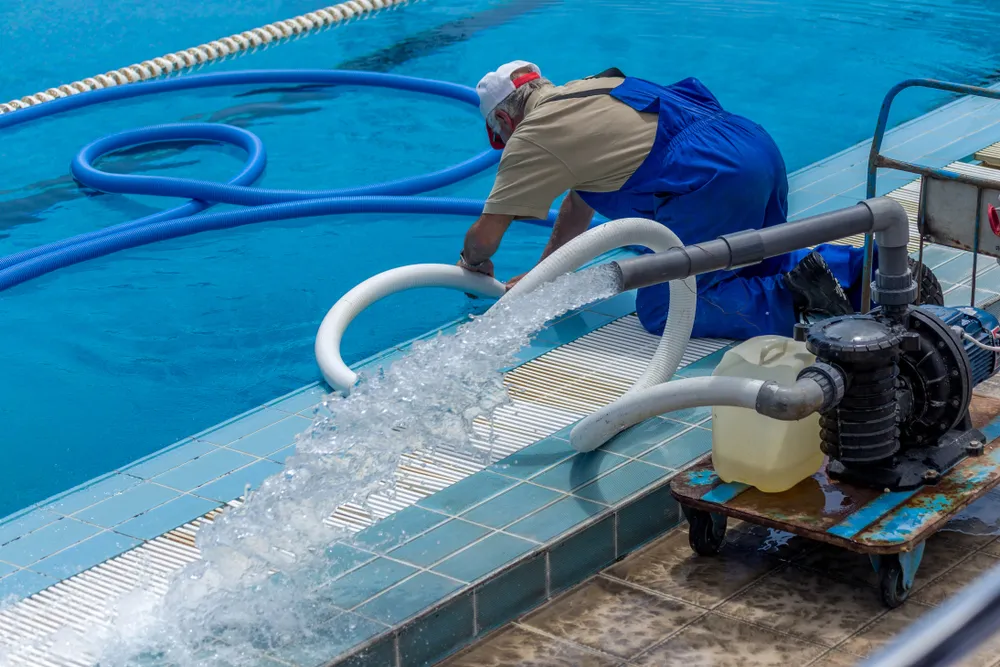
A pool inspection is a systematic and detailed examination of all parts of your swimming pool. This includes the physical condition of the pool, equipment systems, water quality, fencing or barriers around the pool, as well as other features related to safety and local regulatory compliance.
The primary goal is identifying existing issues or potential problems that may lead to injuries or costly repairs down the line. It’s an invaluable tool in ensuring your swimming haven remains safe for everyone while adhering to Australia’s stringent pool safety regulations.
Purpose
The purpose of a pool inspection is to ensure the safety and compliance of the swimming pool. It involves a thorough assessment of various aspects, including pool barriers, surface damage, water quality, and hazard identification.
The goal is to identify any potential issues or safety hazards that may pose risks to family members, guests, or property. By conducting regular pool inspections, homeowners can proactively address maintenance and repair needs while adhering to relevant regulations and guidelines.
Building inspectors, engineers, architects, interior design specialists, real estate agents, pest inspectors, and legal office personnel can benefit from understanding the purpose of these inspections to provide informed advice and recommendations to their clients.
The Importance of Pool Inspections
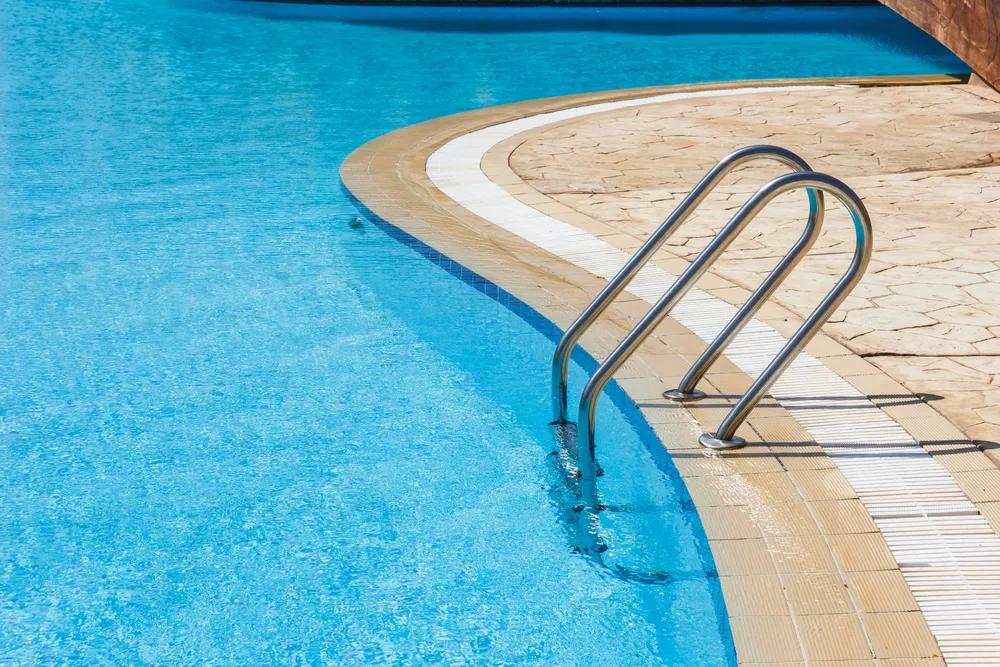
The sparkling allure of a swimming pool can easily mask its potential hazards and underlying issues. It’s in unmasking these problems early, that pool inspections demonstrate their crucial value. Central to this is the role they play in keeping your family and guests safe.
By meticulously checking safety barriers, water quality, pool equipment, and other critical components, they ensure that merry pool splashes aren’t marred by unseen perils. Beyond safeguarding lives, these inspections act as a financial shield, spotlighting budding issues that, when addressed promptly, prevent them from ballooning into expensive repairs.
The melding of these two roles firmly establishes pool inspections as an indispensable ally for any pool owner – a trustee of safety and a protector against unforeseen repair costs.
Safety for Family and Guests
Swimming pool inspections are crucial for ensuring the safety of your family and guests. By conducting regular pool inspections, you can identify and address any potential hazards or issues that could cause accidents or injuries.
From checking the integrity of pool barriers to assessing the overall condition of the pool surface, these inspections help you maintain a safe environment for everyone who uses your swimming pool.
Don’t compromise on safety – make sure to schedule regular pool inspections to keep your loved ones protected.
Avoiding Costly Repairs
Avoiding costly repairs is one of the key reasons why pool inspections are so important. Regular inspections can help identify potential issues early on, allowing for timely repairs and maintenance that can prevent more serious and expensive problems down the line.
By addressing any minor issues during an inspection, homeowners can save themselves from having to deal with costly repairs in the future. It’s a proactive approach that not only helps maintain the functionality and safety of your swimming pool but also saves you money in the long run.
So, make sure to schedule regular pool inspections to catch any small problems before they become big headaches.
Types of Pool Inspections and When to Get Them
As varied as our needs are when it relates to swimming pools, so too are the types of inspections that cater to these different requirements. Taking the front seat is preliminary pool safety barrier consultations – these play a pivotal role for homeowners planning to install a pool. They ensure that safety barriers are designed and positioned in compliance with regulatory standards before even a single splash is made.
Jumping ahead to the critical junction of property transactions, pre-purchase and pre-listing pool inspections take the reigns. They confirm that the pool, an impacting factor in the property’s value, is sound in structure and safety, offering transparency for both buyers and sellers. Amidst these specific inspections, routine pool inspections provide a regular health check, monitoring the pool’s condition and compliance over time.
Understanding the distinct role of each is vital in executing the right inspection at the right time, and maintaining your swimming pool’s safety, compliance, and overall value.
Preliminary Pool Safety Barrier Consultation
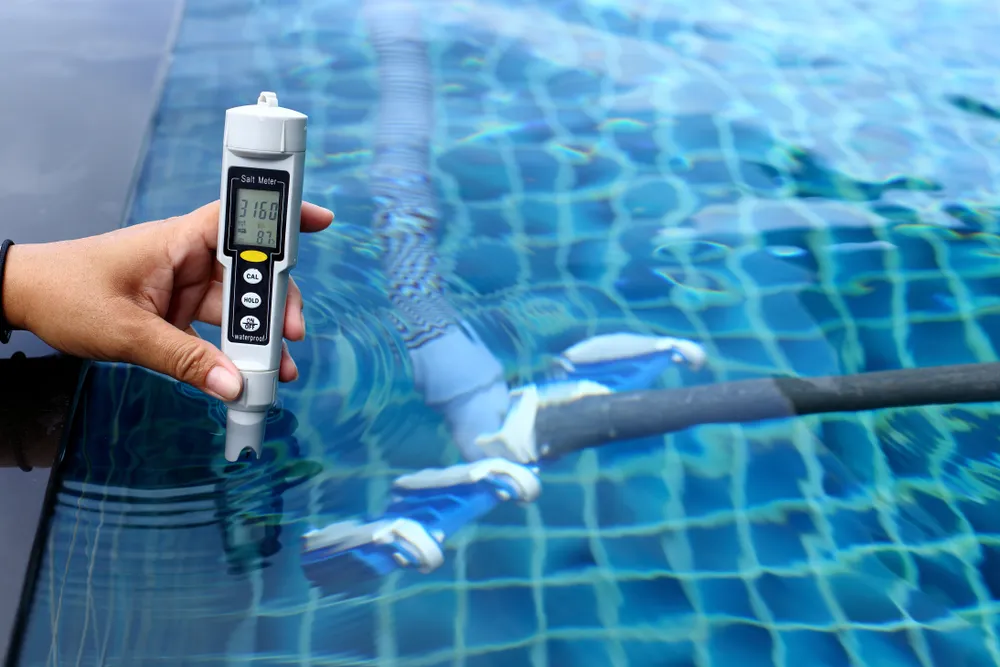
During a preliminary pool safety barrier consultation, an expert will assess the current state of your pool barriers to ensure they comply with safety regulations. This includes examining fencing, gates, and any other physical barriers surrounding the pool area.
The goal is to identify any potential hazards or areas that may need improvement to enhance the safety of your pool. By getting a preliminary consultation, you can address any issues early on and take necessary measures to prevent accidents and maintain compliance with pool safety standards.
Pre-Purchase Pool Inspection
A pre-purchase pool inspection is crucial before buying a property with a swimming pool. During this type of inspection, a qualified inspector will thoroughly assess the pool’s condition and identify any potential issues or safety hazards.
They will check the pool’s compliance with relevant regulations and determine if repairs or maintenance are needed. This inspection provides homeowners, building inspectors, engineers, architects, real estate agents, and legal office personnel with important information to make an informed decision about purchasing a property with a swimming pool.
Pre-Listing Pool Inspection
During a pre-listing pool inspection, a qualified inspector will thoroughly evaluate the condition and safety of your swimming pool before you put your property on the market. This inspection is crucial for ensuring that your pool meets all safety regulations and doesn’t have any underlying issues that could deter potential buyers.
The inspector will assess various aspects of your pool, including its structure, equipment, water quality, and compliance with barrier requirements. By addressing any concerns found during the inspection process, you can increase the appeal of your property to prospective buyers and potentially avoid last-minute negotiations or delays in closing the sale.
Routine Pool Inspection
During a routine pool inspection, an experienced inspector will thoroughly assess the condition and safety of your swimming pool. They will check for any potential hazards or issues that could compromise the safety of your family and guests.
This includes examining the pool surface, checking the operation of the pump and filtration system, inspecting all pool barriers to ensure compliance with regulations, and assessing water quality.
By getting routine inspections, you can identify any maintenance or repair needs early on and avoid costly problems down the line. It’s important to choose a reputable inspector who is knowledgeable about pool safety regulations to ensure a thorough evaluation of your pool.
What to Expect During a Pool Inspection
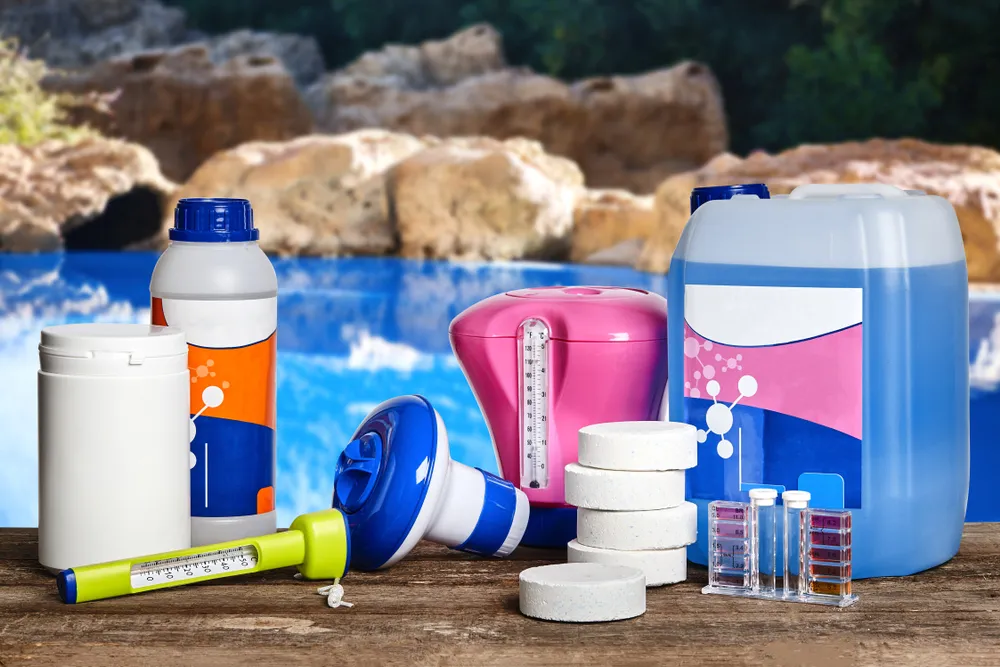
When our skilled inspectors walk into your pool area, their primary mission is to ensure that your oasis of relaxation and fun adheres to the highest standards of safety and maintenance. Top on their checklist is a detailed evaluation of the pool barriers and the frontline protectors against accidental access.
As they scan these safety installations, they’re on the lookout for common issues, from barrier gaps that are too wide to faulty self-closing gates, any of which could compromise safety. Should any concerns arise, they don’t just end at identification. The inspectors also craft a detailed estimate of repair costs, helping homeowners grasp the financial implications of restoring safety.
Moreover, they spring surprises in the form of insightful tips on maintenance and damage prevention, aimed at helping you save money in the long run. Through this holistic, transparent approach, they empower homeowners to maintain a safe and cost-efficient pool area.
Pool Barrier Inspection Process
During a pool barrier inspection, the inspector will thoroughly evaluate the safety measures in place around your swimming pool. This includes checking the fence, gate, latches, and other barriers to ensure they meet the necessary standards.
They will also inspect any surrounding structures or objects that may pose a hazard, such as trees or furniture near the pool area. By assessing these elements, an inspector can identify any potential risks and provide recommendations for making your pool safer for everyone.
Common Issues Found
During a pool inspection, several common issues may be found. These can include problems with the pool’s surface, such as cracks or damage to the tiles or liner. Additionally, issues with the pool’s equipment, such as pumps and filters not functioning properly, may also be identified.
Another common issue is related to pool barriers and fencing compliance. Inspectors will check for any gaps or damage in the fence that could potentially pose a safety risk. Finally, water quality is another important aspect of a pool inspection.
The inspector will assess the chlorine and pH levels to ensure they are within acceptable ranges for safe swimming conditions.
Costs and Ways to Save
Pool inspections come with a cost, but they are an essential investment in ensuring the safety and compliance of your swimming pool. The exact cost of a pool inspection can vary depending on factors such as the size and location of the pool, as well as additional services requested.
However, it is important to consider that these costs are small compared to potential repairs or legal consequences that may arise if issues go unnoticed.
There are also ways to save money when getting a pool inspection. One way is to choose a reputable inspector who offers competitive pricing without compromising on quality. It’s also worth considering bundling the inspection with other related services, such as pest inspections or building inspections, which may result in discounted rates.
By prioritising regular maintenance and addressing any identified issues promptly, you can avoid costly repairs down the line and ensure the long-term durability of your pool.
Choosing a Reputable Inspector
We understand the importance of choosing a reputable inspector for your pool inspection. That’s why it’s essential to do your research and find someone who is experienced and knowledgeable in pool safety regulations.
Look for inspectors who are certified, licensed, and have a good reputation within the industry. They should also provide thorough reports with clear explanations of any issues found during the inspection.
By selecting a reputable inspector, you can have peace of mind knowing that your pool will be thoroughly assessed for safety and compliance.
Call Us!
Swimming pool inspections are crucial for the safety of your family and guests. They help identify potential hazards and prevent costly repairs down the line. Whether you’re buying or selling a property, or just maintaining your pool, getting regular inspections is a smart move to ensure compliance with regulations and peace of mind.
So don’t overlook the importance of pool inspections – be proactive in keeping your pool safe and enjoyable for everyone!