Dipping into a cool, inviting swimming pool can be one of life’s greatest pleasures, especially during those sultry summer months. But behind this oasis of relaxation and fun, lies an important aspect often overlooked – regular pool inspections.
These inspections serve as the unsung hero that ensures your swimming pool remains a safe haven for all who indulge in its soothing waters, free from potential hazards and compliant with regulatory standards.
This article aims to delve into the importance of swimming pool inspections, revealing how they contribute to your safety and help adhere to required legislative compliance. Strap in as we dive below the surface to discover the world of pool inspections and how they keep your backyard oasis both enjoyable and safe.
Key Takeaways
- Swimming pool inspections are essential for ensuring the safety and compliance of pools.
- Inspectors play a crucial role in identifying potential dangers and assessing compliance with safety regulations.
- Regular inspections help to identify issues such as broken fences, faulty gates, and non-compliant barrier heights.
- Pool barriers, such as fences and gates, are important for preventing unauthorised access to the pool area.
- Regular maintenance, proper water quality testing, and obtaining necessary certifications are key to maintaining a safe and compliant pool.
- Councils have swimming pool inspection programs in place to ensure public pools meet safety standards.
What is a Pool Safety Inspection?
A pool safety inspection is an essential procedure that plays a considerable role in ensuring the safety of those who use swimming pools, particularly children, as it checks for potential hazards that could lead to accidents.
This comprehensive inspection includes checks for things like optimal chemical balance, adequate fencing or barriers to prevent unsupervised access, and correctly functioning pool equipment. Additionally, it ensures compliance with local regulations and standards, helping pool owners avoid any legal complications or penalties.
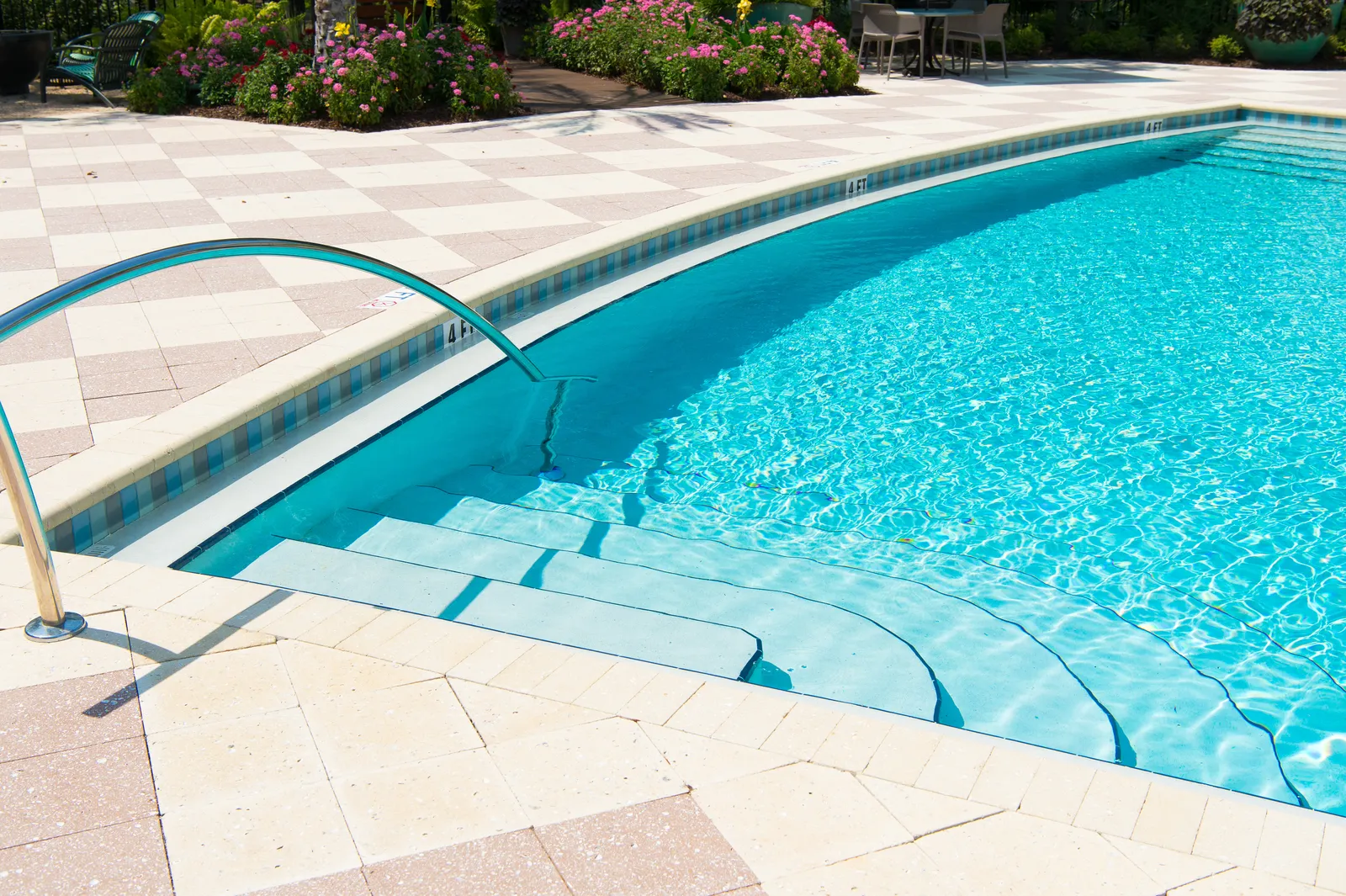
Furthermore, periodic pool safety inspections help to maintain the pool’s optimal condition, prolonging its lifespan, and ensuring it provides a secure environment for enjoyment. Thus, these inspections serve as a vital health and safety measure that shouldn’t be overlooked by pool owners.
Importance of ensuring pool safety
Ensuring pool safety is a critical task that cannot be overlooked. A properly maintained and safely adhered pool environment prevents accidents, and injuries, and increases the enjoyment of swimming sessions.
Carefully monitoring water quality ensures swimmers are not exposed to harmful bacteria or chemicals. Fences shield young children from unintentionally accessing the pool area unsupervised.
Noncompliant barrier heights or faulty gates can lead to serious consequences making it essential for regular inspections, with any irregularities promptly addressed. Proper adherence to regulations doesn’t only prevent potential fines but adds value by ensuring a safer environment for everyone using the facility.
Role of pool inspectors in public pool safety
Pool inspectors play a crucial role in ensuring the safety of public pools. They are responsible for conducting inspections and assessing the compliance of these facilities with pool safety regulations and standards.
These dedicated professionals have the knowledge and expertise to identify potential risks or hazards that could compromise the safety of pool users.
During their inspections, pool inspectors thoroughly examine various aspects, including pool barriers, gates, fencing heights, and overall compliance with safety requirements. They also check if proper certifications and registrations are in place.
By diligently carrying out their duties, they help prevent accidents and ensure that public pools meet all necessary safety standards.
Reasons for Regular Pool Inspections

Regular pool inspections serve as a vital safeguard for several important reasons. First and foremost, these routine checks help to identify potential dangers that might not be visible to the untrained eye.
These could include faulty equipment, inadequate barriers or fencing, or imbalances in chemical levels that could result in health risks. By identifying these risks, necessary measures can be taken to rectify these issues, ensuring the pool remains a safe space for its users.
Secondly, these inspections ensure that your pool meets local safety regulations and standards, helping you avoid costly penalties or legal complications while making sure your pool environment is safe and up-to-date.
Identifying and rectifying potential dangers
During a pool inspection, our team focuses on identifying and rectifying potential dangers that could put your safety at risk. We carefully assess the condition of the pool structure, equipment, and surrounding areas to identify any potential hazards such as broken fences, faulty gates, or inadequate barrier heights.
By pinpointing these issues early on, we can recommend necessary repairs or improvements to ensure your pool meets safety regulations and standards. Our goal is to create a safe swimming environment for you and your loved ones by addressing potential dangers promptly and effectively.
Ensuring compliance with regulations
Ensuring compliance with regulations is a crucial aspect of pool safety inspections. Our team of inspectors thoroughly examines your pool to ensure that it meets all the necessary requirements set by health and safety standards.
We inspect every detail, from the height and condition of the pool fence to the functionality of gates and barriers. By conducting these inspections, we help you maintain a safe and compliant swimming environment for everyone to enjoy.
What to Expect During a Pool Inspection
A thorough pool inspection is a key part of maintaining a safe and compliant swimming pool, usually taking between 1-2 hours of focused assessment. During this process, an experienced inspector will meticulously examine all pool-related aspects, such as fencing, gates, barriers, and even surrounding areas to ensure a safe environment for users.
They are trained to identify common issues that may pose serious safety risks, including inadequate or damaged fencing, faulty gates, and noncompliant barrier heights. In addition, the inspector will validate the existence of required certifications and registrations, ensuring that your pool meets all necessary safety standards.
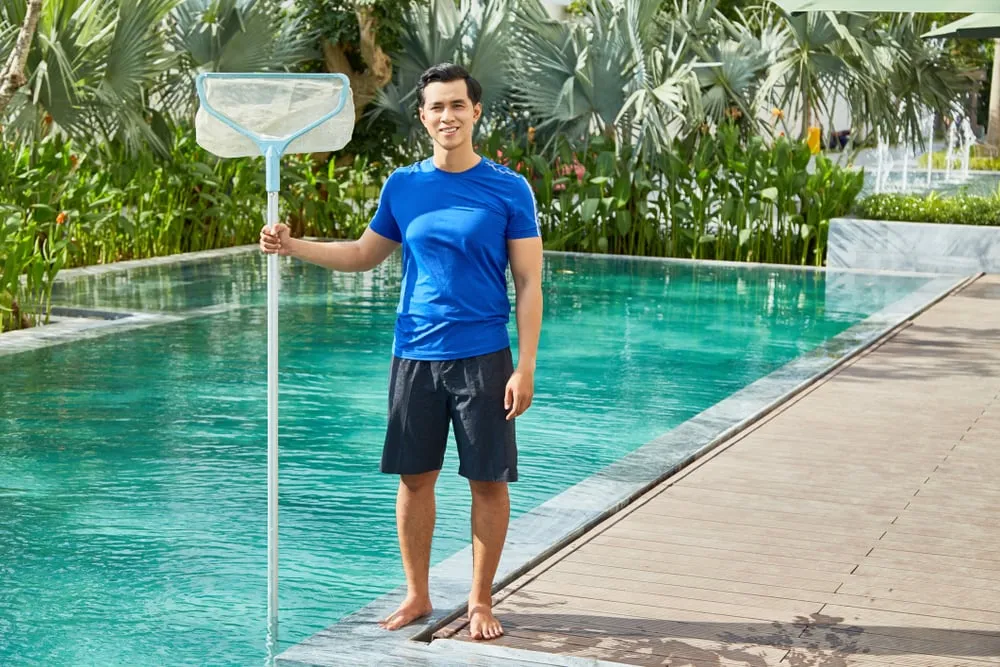
The comprehensive nature of these inspections not only provides peace of mind to pool owners but also contributes to the overall well-being of the users by minimising potential hazards.
Duration of the inspection
During a pool inspection, the duration can vary depending on the size and complexity of the pool. Inspections typically take anywhere from 30 minutes to a few hours to complete. A qualified pool inspector will carefully examine all aspects of your pool, including its fencing, gates, water quality, and overall compliance with safety regulations.
They will check for any potential hazards or non-compliant features that could pose a risk to swimmers. It’s important to allow enough time for a thorough inspection so that any issues can be identified and addressed promptly.
Common issues found during inspections
During pool inspections, there are several common issues that may be identified. These include inadequate or faulty fencing, such as gates that do not self-close or latch properly.
Noncompliant barrier heights and gaps in the fence can also pose a safety risk. Other issues include improper signage, damaged or missing pool covers, unstable decking or flooring around the pool area, and insufficient water clarity and quality.
It is important to address these issues promptly to ensure the safety and compliance of your swimming pool.
Required certifications and registrations
To ensure the safety and compliance of swimming pools, there are certain certifications and registrations that are required. These include a pool safety certificate, which verifies that your pool meets all the necessary standards and regulations.
Additionally, you may need to register your pool with your local council or governing body. It’s important to obtain these certifications and registrations to demonstrate that your pool is safe for use and compliant with the law.
By obtaining these documents, you can have peace of mind knowing that you’re doing everything necessary to keep yourself, your family, and anyone who uses your pool safe from potential risks or hazards.
Ensuring Pool Safety and Compliance
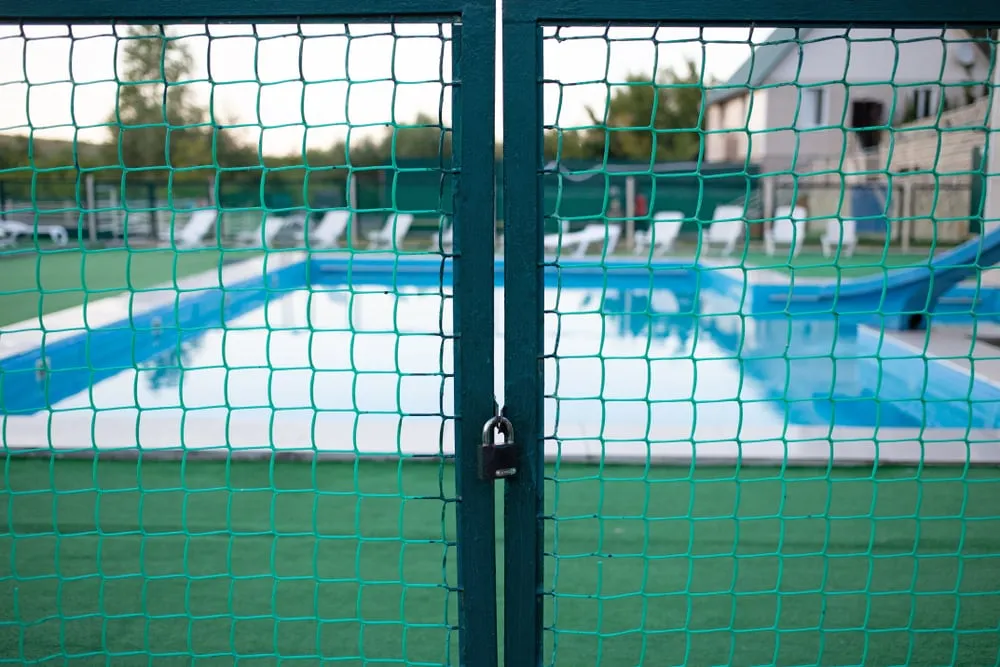
Ensuring pool safety and adherence to regulations is a vital part of owning a pool, and it comes with significant considerations. Paramount among these is prioritising pool barriers, which play a crucial role in preventing unsupervised access, especially by children, and mitigating potential dangers. Regular maintenance activities, such as inspecting for damaged or inadequate fencing and identifying faulty gate systems, can significantly contribute to accident prevention.
Moreover, maintaining optimal water quality through routine testing is another critical task that directly affects the health and safety of pool users, ensuring a clean and infection-free swimming environment.
Familiarising oneself with the local council’s swimming pool inspection program and keeping updated with useful resources for compliance standards is an essential approach for all pool owners, further promoting a safe and secure leisure space.
Importance of pool barriers
Pool barriers play a crucial role in ensuring the safety of swimmers, especially children, and maintaining compliance with pool safety regulations. These barriers, such as fences and gates, act as physical barrier that prevent unauthorised access to the pool area.
By having sturdy and properly installed barriers, homeowners can greatly reduce the risk of accidents or drownings occurring in their pools. It is essential for all Australians to understand and adhere to the pool barrier requirements set by law to ensure a safe swimming environment for everyone.
Tips for maintaining a safe and compliant pool
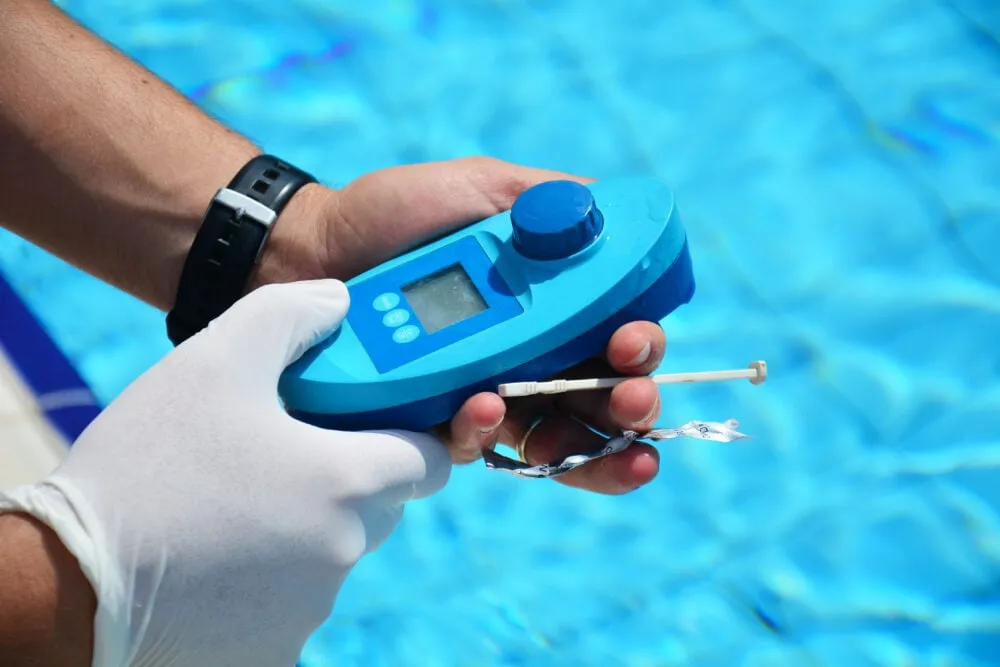
To maintain a safe and compliant pool, regular maintenance is essential. Keep the pool clean by regularly skimming and vacuuming debris. Test the water chemistry at least once a week using test strips or a testing kit to ensure proper sanitisation levels.
Maintain appropriate water balance by adjusting pH and alkalinity levels as needed. Check that all safety features, such as pool barriers and gates, are in good working condition. Regularly inspect equipment like pumps, filters, and heaters for any signs of damage or malfunction.
Lastly, ensure that you have obtained all necessary certifications and registrations required by your local council for legal compliance.
Council’s swimming pool inspection program
Our swimming pool inspection program is essential to ensuring the safety and compliance of public pools in our community. As the council, we take the responsibility of inspecting pools seriously to protect residents and maintain high standards.
Our program involves thorough inspections conducted by authorised personnel who assess various aspects such as pool barriers, fencing, equipment, and overall safety measures. By conducting regular inspections, we can identify any potential dangers or noncompliance issues promptly and work with pool owners to rectify them.
This proactive approach helps us ensure that all pools meet the necessary safety regulations and contribute to a safe swimming environment for everyone.
Call Us!
Swimming pool inspections play a crucial role in ensuring your safety and compliance. These inspections help identify and rectify potential dangers, ensuring your pool meets all necessary regulations.
By maintaining a safe and compliant pool, you can enjoy peace of mind knowing that you have taken the necessary steps to protect yourself and others from potential hazards.