Walking into a room and admiring a timber floor’s warm and inviting aesthetic appeal is an experience many of us cherish. But to ensure that this elegance endures the test of time and use, timber floors demand regular inspections.
These assessments function as an essential tool, helping detect early signs of damage or wear, thus preserving the longevity and resilience of your floor. However, knowing how to navigate these inspections is just as crucial as conducting them.
Join us as we delve into the world of timber floor inspection – we’ll give you a comprehensive walkthrough of the process, and highlight why this regular check-up holds such importance.
Key Takeaways
- Timber floor inspection is important for identifying potential issues and ensuring the quality and longevity of your floors.
- During a timber floor inspection, factors such as temperature, moisture levels, appearance characteristics, and subfloor types are considered.
- The timber floor inspection process involves gathering necessary materials, inspecting for common issues, and avoiding walking on floors during sanding and finishing.
- Benefits of timber floor inspection include early identification of problems and ensuring the overall quality and durability of your floors.
Why is Timber Floor Inspection Important?
Timber floor inspection stands as an important task, carving a preventive path that results in extended longevity and preserved quality of your beloved floors. Conducting these inspections allows for timely identification and diagnosis of potential problems lurking beneath the surface.
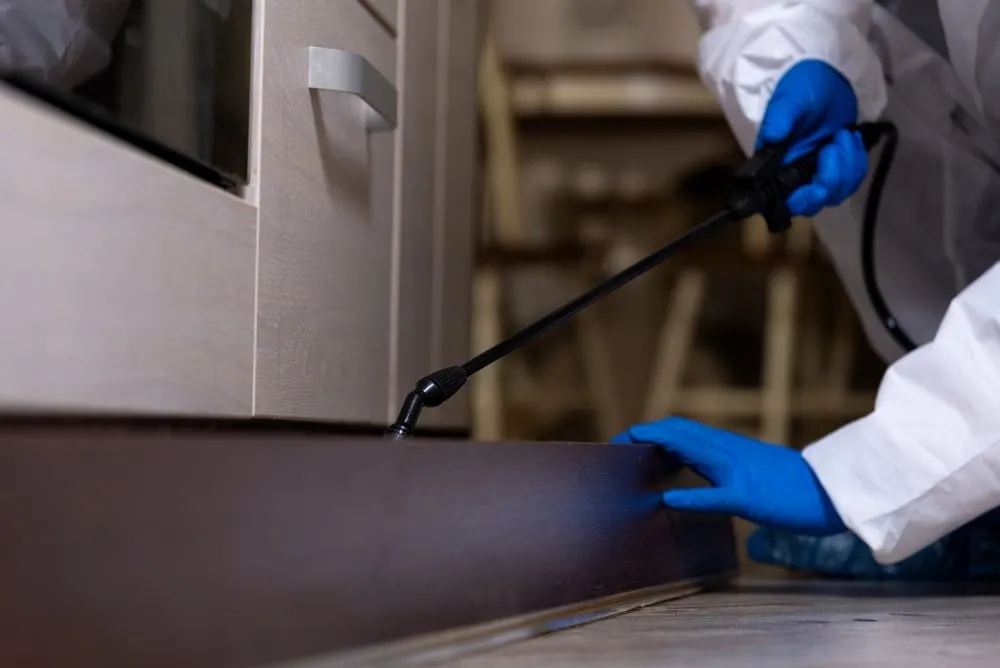
Elements like weather-induced expansion, contractions, pest infestations, or even hidden rot can be detected early, mitigating progression towards serious damage. Furthermore, these inspections guide appropriate interventions to address singled-out issues, influencing prolonged floor quality.
In essence, the commitment to regular timber floor inspections is a commitment to preserving the lifetime and beauty of your wooden floors, making them not just a vital part of maintenance but an undeniable necessity.
Requesting an inspection
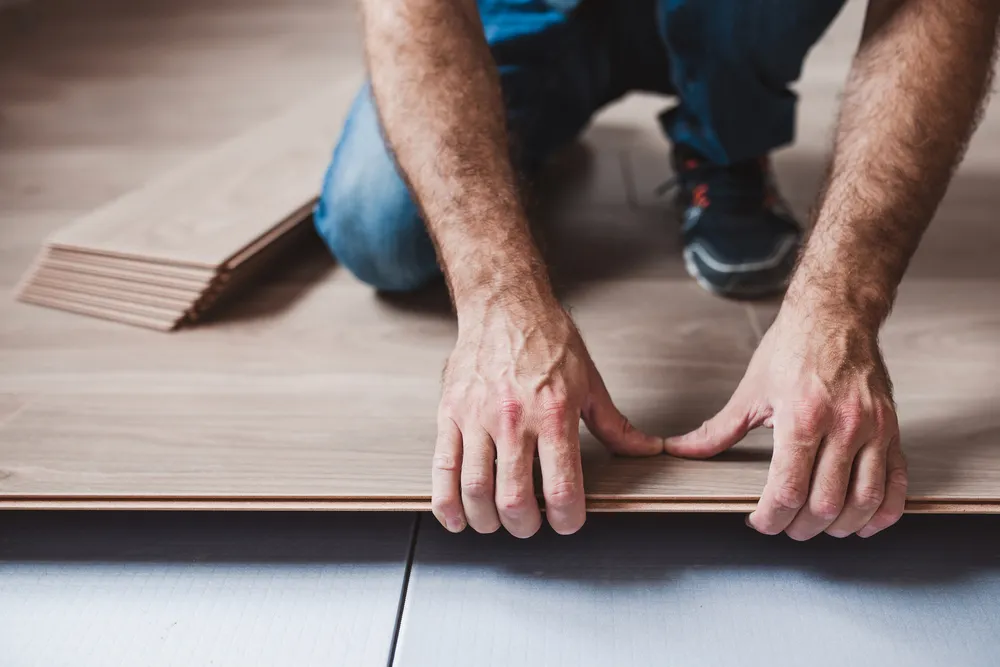
Scheduling an inspection for your timber floor is a straightforward process. First, identify a certified and reputable timber floor inspector in your area. Then, connect with them to discuss the specifics of your situation and determine the best time for the inspection based on their availability as well as yours.
It’s important to ensure that all relevant areas are accessible at the agreed-upon time to facilitate a smooth and efficient process. Keep in mind that some inspectors may charge fees for their services; you can usually get this information when you contact them initially so there are no surprises later on down the line.
Conditions of inspection
During a timber floor inspection, it is important to consider the conditions of the flooring. This includes factors such as the temperature and humidity levels in the room. High levels of moisture can cause issues like warping or buckling, while extreme dryness can lead to shrinkage and gaps between boards.
Inspectors also need to assess any visible damage or wear on the surface of the floor, such as scratches or stains. By carefully examining these conditions, professionals can identify potential problems and recommend appropriate solutions for homeowners or property owners.
Appearance characteristics of engineered floors
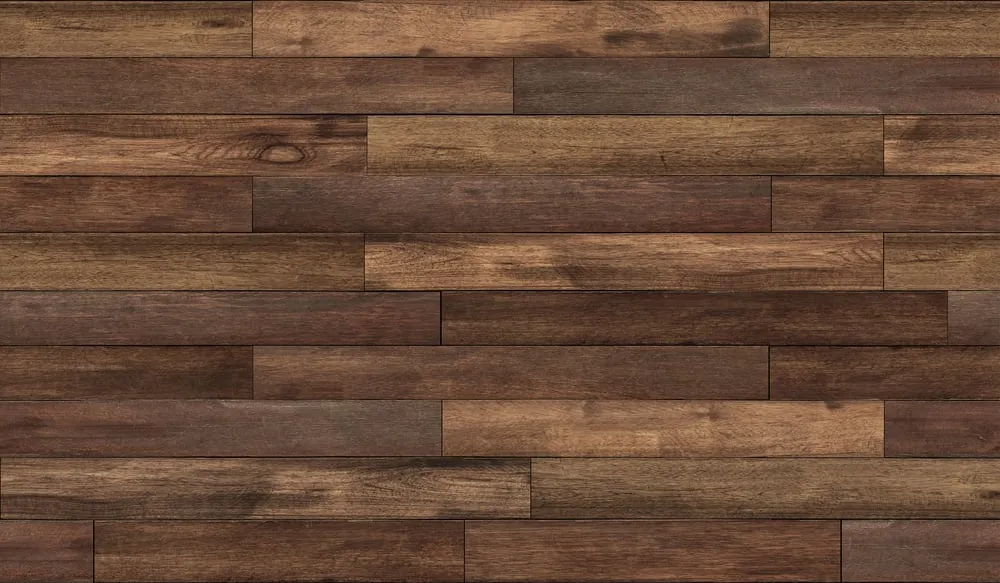
Engineered floors have unique appearance characteristics that set them apart from other types of timber flooring. These floors are made up of multiple layers of wood, with the top layer being a thin veneer of real hardwood.
The grain patterns and colour variations in engineered floors can mimic those found in solid hardwood flooring, providing a beautiful and natural look to any space. Additionally, engineered floors are available in a wide range of finishes, from matte to glossy, allowing for customisation to match your desired aesthetic.
With their durability and versatility, engineered floors are an excellent choice for homeowners and professionals alike.
Subfloor and substrate types
Different subfloor and substrate types play a crucial role in the performance and appearance of timber flooring. Understanding these types is essential for proper installation and maintenance.
Some common subfloor and substrate options include concrete slabs, plywood or particleboard sheets, and existing wooden floors. Concrete slabs provide a stable base for engineered timber floors, while plywood or particleboard sheets are often used to level uneven surfaces.
Existing wooden floors may require inspection to ensure their suitability as a substrate for new timber flooring. By considering the specific characteristics of each subfloor type, homeowners and professionals can make informed decisions regarding installation methods and materials.
Moisture content considerations
It is important to consider moisture content when inspecting timber floors. Moisture can greatly impact the performance and appearance of the floor. High moisture levels can cause swelling, warping, and buckling of the floorboards, leading to potential damage over time.
On the other hand, low moisture levels can result in shrinking and gaps between the boards. To ensure a high-quality and long-lasting timber floor, it is essential to assess and address any moisture issues during installation or maintenance.
Regularly checking for and controlling moisture content can help prevent future problems and maintain the overall integrity of the flooring.
Timber Floor Inspection Process
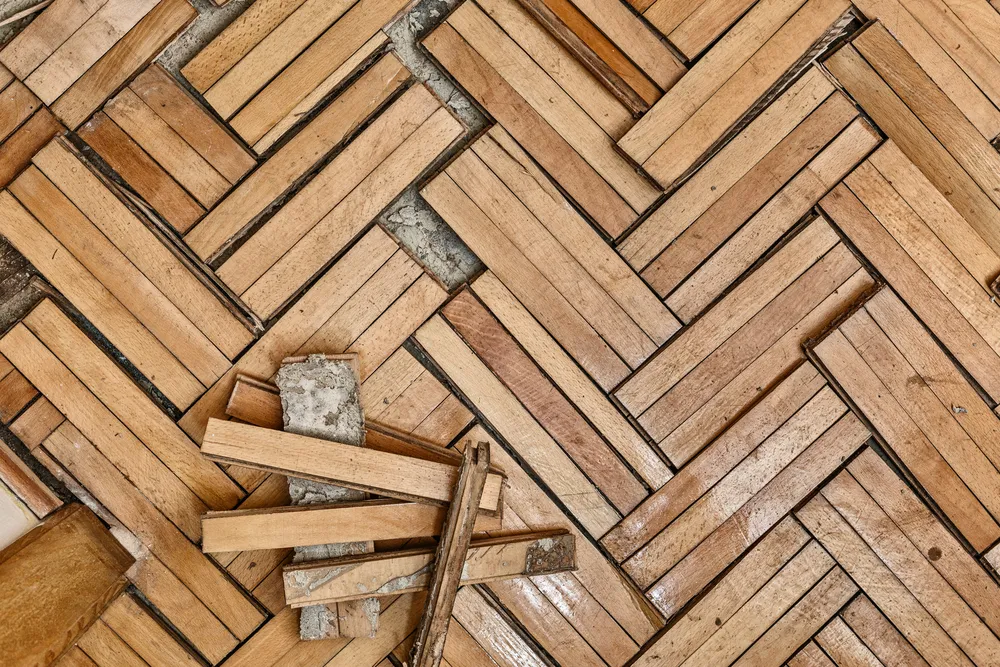
Stepping into the practice of conducting a timber floor inspection, there are necessary materials and knowledge one needs to arm oneself with. The materials may include probing tools, moisture meters, and a keen set of eyes to meticulously search for common problems such as warped or damaged boards.
These malformations can disrupt the uniformity of the floor, depleting its aesthetic appeal and making it a safety concern. Another common issue to be alert about is moisture damage that can invite decay or mildew, as well as indications of improper installation that can cause uneven floors or gaps.
To ensure the inspection is thorough and the subsequent sanding and finishing are effective, it’s crucial to avoid walking on the floors during these processes, mitigating any risk of imposing new damage or compromising the evaluation’s integrity.
Preparation and materials needed
To prepare for a timber floor inspection, gather the necessary materials such as a flashlight, moisture meter, tape measure, and magnifying glass. These tools will help you assess the condition of the floor and detect any potential issues.
Additionally, make sure to wear protective gear like gloves and safety glasses to ensure your safety during the inspection process.
Inspecting for common issues
During the timber floor inspection process, it is crucial to inspect for common issues that may affect the quality and longevity of the floors. We carefully examine the floor surface for any signs of damage, such as scratches, dents, or warping.
We also check for unevenness in the flooring, which could indicate problems with subfloor preparation or installation. Additionally, we assess moisture levels to ensure they are within acceptable ranges and look out for any signs of mould or mildew growth.
By thoroughly inspecting for these common issues, we can identify potential problems early on and address them before they become more significant concerns.
Importance of not walking on floors during sanding and finishing
To ensure the best results when sanding and finishing timber floors, it is crucial to avoid walking on them. Walking on freshly sanded or finished floors can cause damage, leave footprints, and ruin the smooth finish.
This practice also increases the risk of accidents and injuries due to slipping or tripping on slippery surfaces. Therefore, it is important to communicate this precautionary measure to everyone involved in the process, including contractors, homeowners, and other tradespeople present at the site.
By avoiding unnecessary foot traffic during sanding and finishing, you can maintain the integrity of your newly restored timber floors and achieve a flawless result.
Benefits of Timber Floor Inspection
Opting for a routine timber floor inspection divulges numerous benefits, the immediate one being the revealing power it holds over hidden or potential floor issues. From uneven boards to unseasoned wooden planks, these inspections serve as a first line of defence, unveiling issues that might otherwise fly under the radar until serious damage ensues.
Identifying potential problems not only spares the immediate costs of extensive repairs but also provides valuable insights into the necessary steps for preventing further deterioration. Another undeniable advantage lies in assuring the quality of your timber floors.
Regular inspections followed by appropriate maintenance interventions help ensure a consistent and top-notch appearance, thereby extending the longevity of your timber floors, and making them a worthwhile investment in the long run.
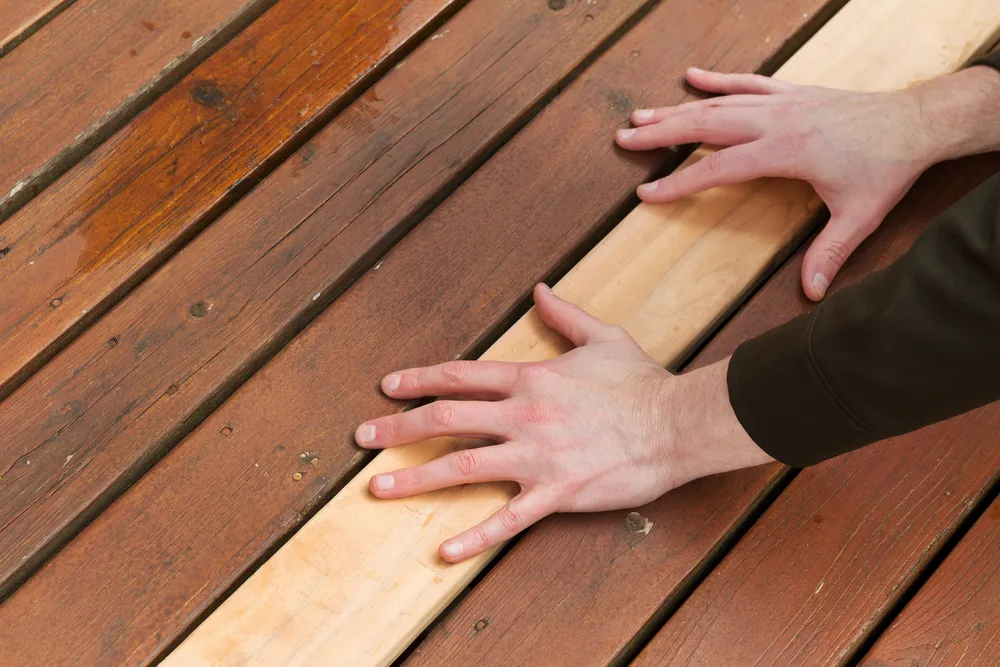
Identifies potential issues
During timber floor inspection, potential issues can be identified early on. This is crucial for homeowners, building inspectors, and engineers to ensure the quality and longevity of the floors.
By examining the appearance characteristics of engineered floors, as well as considering factors like subfloor type and moisture content, inspectors can spot any defects or problems that may affect the performance of the timber floor.
Identifying these issues beforehand allows for necessary repairs or adjustments to be made before they escalate into larger, more costly problems.
Ensures quality and longevity of floors
Inspecting your timber floors is essential to ensure their quality and longevity. By conducting regular inspections, you can identify any potential issues early on and address them before they worsen.
This proactive approach helps to maintain the structural integrity of your floors and prevent costly repairs or replacements in the future. Additionally, thorough inspections allow you to assess the overall condition of your floors, ensuring that they continue to meet safety standards and remain in optimal performance.
Don’t underestimate the importance of floor inspections as they play a crucial role in preserving the beauty and functionality of your timber floors for years to come.
Call Us!
Proper timber floor inspection is crucial for identifying potential issues and ensuring the quality and longevity of floors. By following the necessary steps and guidelines outlined in this comprehensive guide, homeowners, building inspectors, architects, and other professionals can effectively assess timber flooring products and installations.
Remember to prioritise regular inspections and maintenance to uphold Australian standards and preserve the beauty and functionality of your timber floors.