When it comes to building maintenance, every element matters – from the pillars that hold it erect to the flooring that we tread upon. Among these, timber floors, with their natural beauty and timeless appeal, invite a unique set of care requirements.
But the maintenance of these wooden recyclables goes much further than just periodic cleaning and polishing. This is where timber floor inspections come into play, uncovering the hidden world beneath your feet, helping preserve the aesthetic charm and longevity of your timber floors, and enhancing the overall value of your property.
In this article, we will delve into the unfathomable value of timber floor inspections in building maintenance, elaborating on why they are a crucial part of preserving the charm, functionality, and above all, the worth of your property.
Key Takeaways
- Regular timber floor inspections are crucial for maintaining the integrity of a building and preventing costly repairs.
- Inspections help identify potential hazards, such as weakened joists or termite infestations, ensuring a safe living environment.
- By addressing issues promptly and conducting proper subfloor maintenance, homeowners can extend the lifespan of their timber floors.
The Value of Building Inspections for Maintenance
Regular building inspections serve as the backbone of efficient ongoing building maintenance, offering several vital benefits. They facilitate predictive maintenance, helping property owners anticipate and address structural or functional issues before they escalate into costly repairs or replacements.
Furthermore, these inspections are vital in spotting potential hazards and safety concerns, such as structural weaknesses, mould growth, or faulty wiring that may lead to bigger problems down the line. In addition, they ensure that the building is in compliance with local codes and regulations, helping property owners avoid penalties, enhance the safety of building occupants, and maintain the property’s value and integrity.

Predictive maintenance
Predictive maintenance is a game-changing practice in the realm of building upkeep. By undertaking regular inspections, we can predict potential issues before they become significant problems.
This includes identifying minor damage to timber floors which, if left untreated, could lead to serious structural problems. Through this approach, we effectively forecast and prevent future complications without waiting for them to occur first.
Key factors examined during these checks include moisture levels and signs of pest infestation or wood rot. Using state-of-the-art tools like infrared cameras and moisture meters, precise readings are taken from your timber floors’ surface right down to the subfloor.
This process allows us to take timely action, ultimately prolonging your building’s lifespan while maintaining its safety standards and aesthetic appeal.
Identifying potential hazards and safety issues
Identifying potential hazards and safety issues is a crucial aspect of timber floor inspections in building maintenance. By conducting regular inspections, homeowners, building inspectors, and other professionals can identify any potential risks that may compromise the safety of the building occupants.
These hazards could include weakened structural elements such as joists, which could lead to accidents or even the collapse of the floor. Additionally, inspections help to detect any damage that may have been caused by termites or other pests, preventing further deterioration and ensuring a safe living environment for everyone involved.
Compliance with building codes and regulations
Complying with building codes and regulations is crucial for all homeowners, building inspectors, engineers, architects, interior design specialists, real estate agents, pest inspectors, and legal office personnel.
It ensures that your timber floor meets the required safety standards set by authorities. By adhering to these regulations, you can help ensure the structural integrity of your building and maintain a safe living or working environment.
Always prioritise compliance to prevent any potential hazards or legal issues down the line.
Benefits of Regular Inspections for Building Maintenance
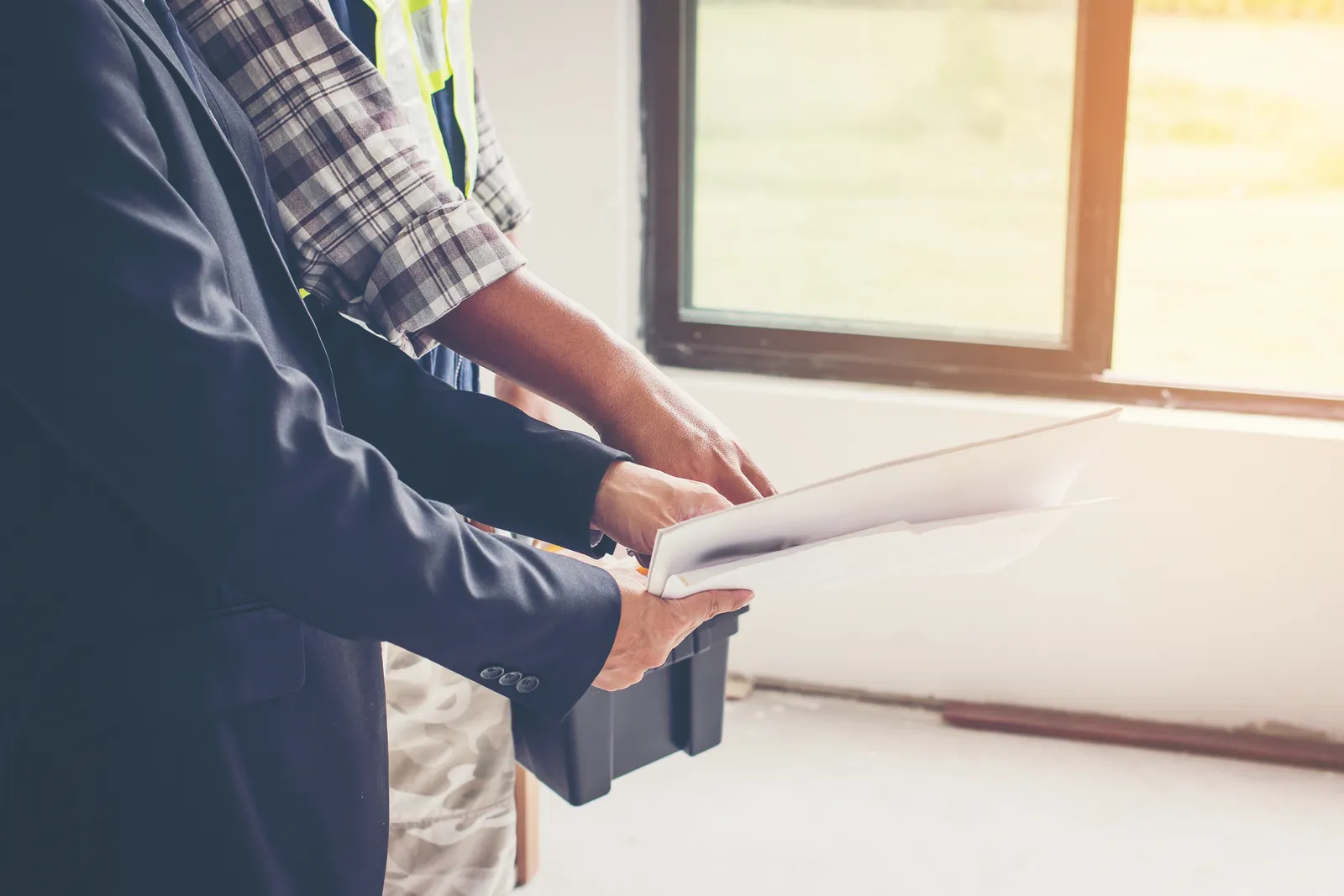
Regular inspections form an essential part of building maintenance, providing a range of significant advantages. At the forefront is improved safety; through detailed inspections, potential hazards and issues can be identified and addressed in the early stages, promoting a safer environment for occupants.
By uncovering such problems early, these inspections also play a crucial role in preventing costly future repairs, ensuring issues are promptly handled before they escalate into more significant, costlier problems. Additionally, regular maintenance can often lead to potential tax deductions, depending on the local regulations, making it not just a safety measure, but also a financially smart practice for property owners.
Improved safety
Regular timber floor inspections contribute to improved safety in buildings. By conducting inspections, potential hazards and safety issues can be identified and addressed promptly.
This helps ensure that the structural integrity of the timber floor remains intact, reducing the risk of accidents or injuries due to weak or damaged flooring. Additionally, inspections enable homeowners and building managers to detect any signs of termite infestations or hidden pest problems that could compromise the safety of the building occupants.
Investing in regular timber floor inspections is a proactive approach towards maintaining a safe living or working environment for everyone involved.
Prevent costly repairs
Regular timber floor inspections are crucial for preventing costly repairs in buildings. By identifying potential issues early on, such as termite infestations or hidden pest problems, homeowners and building professionals can take proactive measures to address these issues promptly.
Taking action at the first signs of damage not only helps to prevent further deterioration but also saves money by addressing small repairs before they turn into major structural issues.
By incorporating regular timber floor inspections into a building maintenance schedule, property owners can significantly reduce the risk of expensive repairs down the line and ensure that their timber floors remain in good condition for years to come.
In addition to saving money on repairs, regular timber floor inspections can also help identify any underlying maintenance needs that may be contributing to potential damage. This allows homeowners and building professionals to address these issues promptly, whether it’s ensuring proper subfloor maintenance or regularly checking for any wear and tear on floor coverings.
Tax deductions
Tax deductions are another benefit of regular timber floor inspections for building maintenance. By conducting inspections and keeping detailed records, homeowners and property owners may be eligible for tax deductions related to the upkeep of their timber floors.
These deductions can help to offset the cost of inspection fees, repairs, or any necessary maintenance work. It’s important to consult with a tax professional or accountant to understand the specific deductions that may apply in your situation.
Importance of Timber Floor Inspection
Timber floor inspections form an integral part of maintaining the overall structural integrity of a building. These inspections offer a deep dive into the health of your timber floors, enabling the detection of structural damages early on and providing an opportunity to assess the need for restorations or interventions.
Additionally, they play a crucial role in identifying potential pest infestations such as termites, which can cause significant damage if left unchecked. The importance of regular timber floor inspections cannot be overstated; read further to understand their role in preserving your building’s health and value.
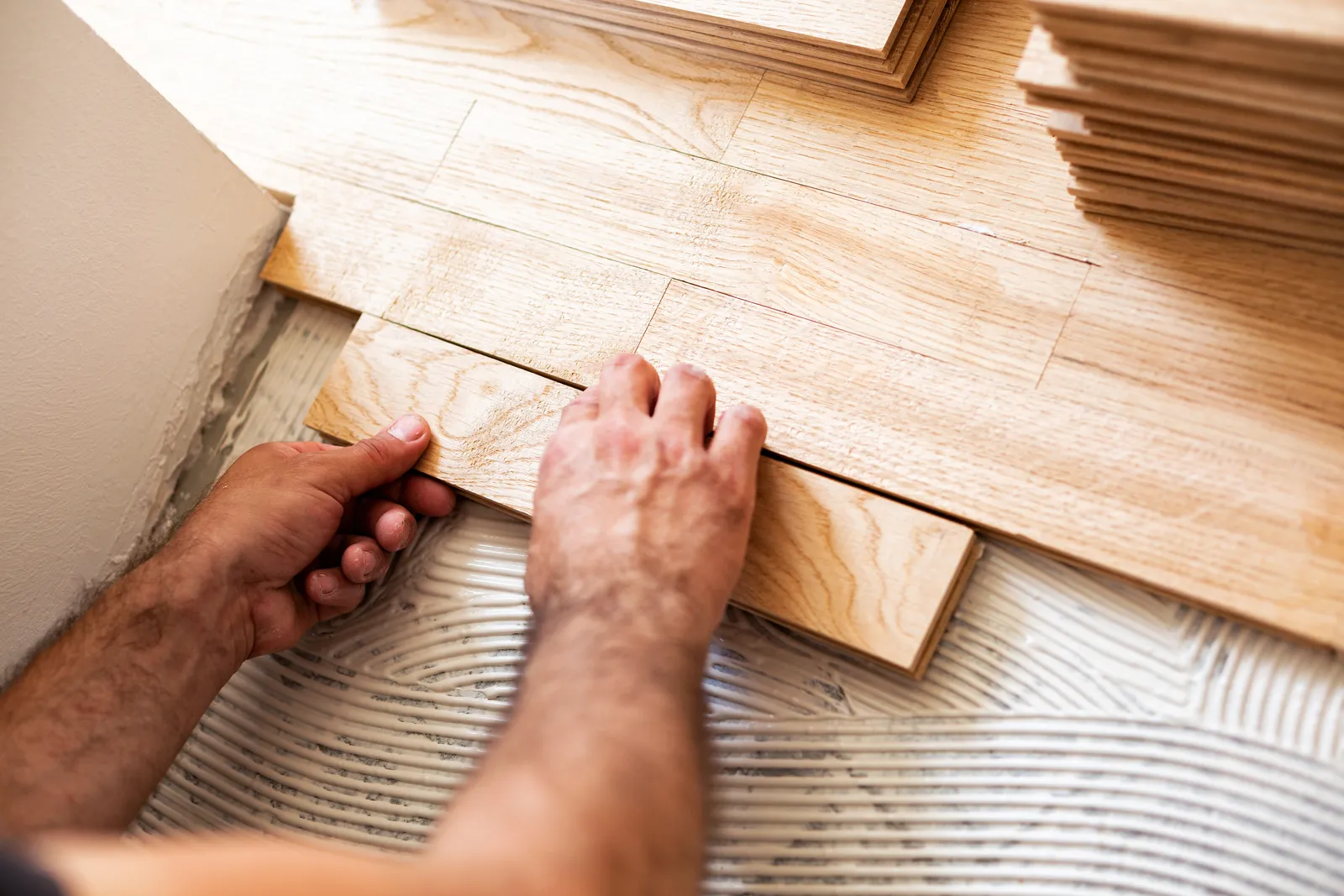
Detecting termite infestations
Timber floor inspections play a crucial role in detecting termite infestations. By conducting regular inspections, homeowners and building professionals can identify any signs of termites early on.
This allows for timely intervention to prevent extensive damage to the timber floors and the overall structure of the building. In addition, early detection helps to minimise potential costs associated with termite control and repairs.
By staying proactive and vigilant in our inspections, we can ensure that termite infestations are detected promptly, keeping our timber floors safe and durable for years to come.
Uncovering hidden pest infestations
During timber floor inspections, one important aspect is uncovering hidden pest infestations. These inspections are crucial for homeowners and building professionals as they can detect the presence of pests such as termites or other wood-destroying organisms that may be lurking beneath the surface.
By thoroughly examining the timber floor and its surrounding areas, inspectors can identify signs of pest activity, allowing for timely intervention to prevent further damage. This proactive approach helps maintain the structural integrity of the building and ensures a safer living environment for occupants.
Preventing structural damage
Regular timber floor inspections are essential for preventing structural damage in buildings. By conducting thorough inspections, potential issues such as rotting or weakened joists can be detected early on, allowing for timely repairs and maintenance.
This helps to ensure the integrity and stability of the timber flooring, preventing costly repairs down the line. Additionally, identifying any termite infestations during inspections helps to prevent further damage that these pests can cause to the structure of the building.
Taking proactive steps to address structural concerns through regular timber floor inspections is crucial for maintaining a safe and durable building.
Best Practices for Timber Floor Inspections
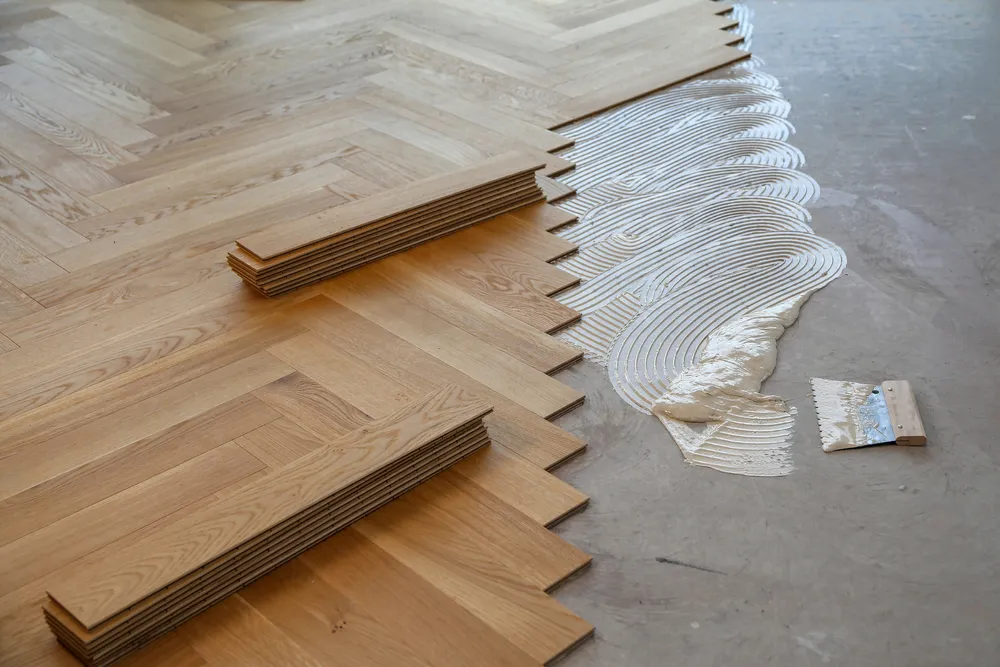
When it comes to timber floor inspections, there are several best practices that significantly contribute to the overall well-being and durability of your floors. It is wise to hire a professional inspection company. These specialised entities possess the required knowledge and technical expertise to conduct a thorough and accurate analysis of your timber floors, identifying potential or existing issues that may escape the untrained eye.
Ensuring proper subfloor maintenance is crucial – this means checking for adequate ventilation, monitoring moisture levels, and maintaining cleanliness to avoid conditions that could foster pest invasion or timber decay.
Regular checks for floor coverings such as rugs or mats need to be done since these can often mask issues like dampness, discolourations, or even floorboard damage which may otherwise go unnoticed.
Lastly, any issues identified, regardless of how minor they might seem, should be addressed promptly. This immediate attention can prevent small problems from spiralling into serious, expensive repairs or replacements, thereby preserving the integrity and longevity of your timber floors.
Hiring a professional inspection company
We highly recommend hiring a professional inspection company to conduct timber floor inspections for your building maintenance needs. These experts have the knowledge and experience to thoroughly assess the condition of your timber floors, ensuring that any potential issues are identified and addressed promptly.
By entrusting this task to professionals, you can have peace of mind knowing that your timber floors are in good hands. They will provide you with a comprehensive report detailing their findings and recommendations, allowing you to make informed decisions about necessary repairs or maintenance tasks.
With their expertise, you can ensure the longevity and durability of your timber floors while maintaining the safety and integrity of your building.
Ensuring proper subfloor maintenance
Proper subfloor maintenance is crucial for the longevity and durability of timber floors. Regular inspections should be conducted to detect any signs of damage or decay in the subfloor structure.
This includes checking for moisture levels, ensuring adequate ventilation, and addressing any plumbing issues that could lead to water damage. By taking proactive measures to maintain the subfloor, homeowners can prevent costly repairs and ensure the overall stability of their timber floors.
It is recommended to hire a professional inspection company that specialises in subfloor assessments to ensure thorough and accurate evaluations are conducted regularly.
Regular checks for floor coverings
Regular checks for floor coverings are essential in maintaining the integrity and safety of your timber floors. By conducting regular inspections, you can identify any issues with your floor coverings early on, such as loose boards or worn-out areas.
This allows you to address these problems promptly before they worsen and cause more significant damage. Additionally, regular checks give you an opportunity to assess the condition of your floor coverings and determine if any repairs or replacements are needed to ensure their longevity.
So make it a habit to schedule regular inspections for your floor coverings to keep them in great shape and avoid costly repairs down the line.
Addressing any issues promptly
We understand the importance of addressing any issues promptly when it comes to timber floor inspections. Timely action is crucial in order to prevent further damage and ensure the safety and durability of your timber floors.
Whether it’s a small crack, water damage, or signs of pest infestation, addressing these problems as soon as they are discovered can save you from costly repairs down the line. By quickly identifying and resolving issues, you can maintain the integrity of your timber floors and enjoy a beautiful and functional space for years to come.
Call Us!
Timber floor inspections are an essential part of building maintenance. Regular inspections can help detect termite infestations and hidden pest issues, preventing costly structural damage.
By addressing any problems promptly, homeowners can ensure the durability and safety of their timber floors.